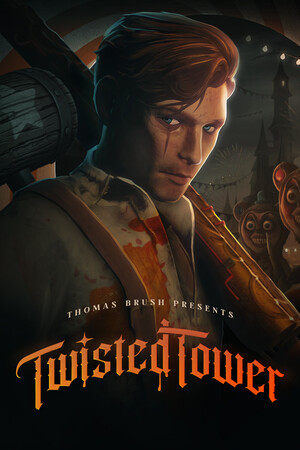
Twisted Tower and STEINS;GATE RE:BOOT came out a day apart, and their averages make both look like easy recommendations. The spread tells a different story. Twisted Tower's reviews run from 2/10 to 10/10. RE:BOOT sits at 83 on Metacritic while reviewers argue about whether a third version of a classic needed to exist. Both have real enthusiasm behind them and unusually clear caveats.
Twisted Tower review scores: 79 on Metacritic
Developer: Atmos Games
Released: August 18, 2026
Platform: PC
Scores: 2/10 to 10/10; 79 Metascore from 10 reviews
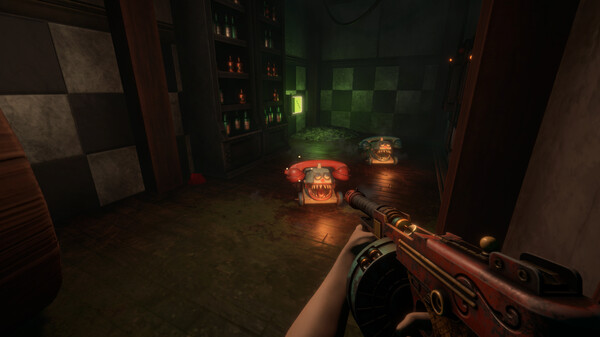
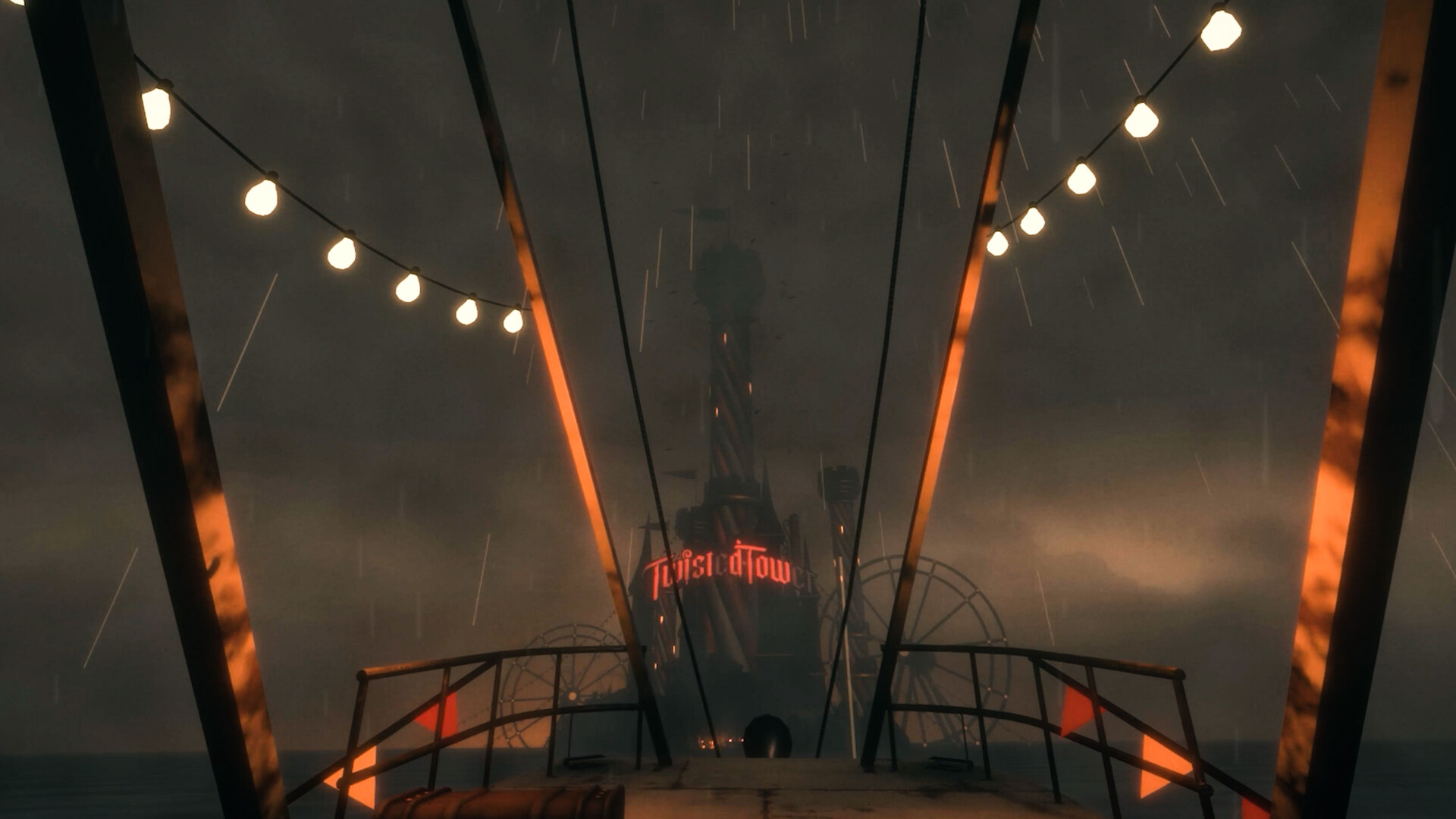
Twisted Tower is a compact first-person shooter set in a ruined 1950s theme park. Vincent goes in to find his kidnapped fiancée, climbing through a hotel, waterpark, clown casino, carnival forest and space station. The BioShock debt is obvious and openly acknowledged; reviewers differ sharply on whether Atmos turns it into its own thing.
- Try Hard Guides, 10/10: "incredibly unique and memorable," praising the combat, level design, enemies and setting.
- ZTGD, 9.5/10: a successful blend of seventh-generation shooters and modern "boomer shooters" that never outstays its welcome.
- Gamer Social Club, 9/10: "satisfying, brutal combat" and a "well-crafted carnival of madness."
The positive reviews line up on the same details. The toy-box arsenal (pistols, mallets, bubblegum guns, a slingshot and other carnival weapons) arrives often enough to keep things moving. Each floor commits to a distinct visual idea. Movement upgrades add dashes, higher jumps and ways to reach hidden areas. And it doesn't try to be a 40-hour obligation: estimates run four to seven hours, followed by an expanded replay mode.
Where Twisted Tower reviews split
GameSpace gave 8/10 while calling it "imperfect, short, a bit empty from time to time," with simple puzzles, uneven currency balance and dull cutscenes. GameBlast also gave 8/10 but found it repetitive and inconsistent as it leans harder into action. Noisy Pixel gave 7/10, saying the talky story and jokes miss too often, though the environments, enemies and odd weapons stick.
Then there's The Wand Report's 2/10: "Sloppy, buggy, and derivative." It's so far from the other nine that it reshapes the aggregate. One critic saw a careless imitation where others saw a polished tribute.
The gap comes down to tolerance for homage. Twisted Tower wears BioShock's structure and mood openly: an abandoned retro attraction, a showman taunting you, audio logs, environmental storytelling and a spectacle-driven arsenal. Reviewers happy to take it as a short genre remix loved it; those wanting a stronger idea beneath the references were less convinced.
Even middling reviews praise the combat and art direction. The risks are story, humour, repetition and originality. If five focused hours of carnival horror and aggressive shooting appeal, the 79 may undersell it. If "BioShock" makes you expect the same narrative weight, put a big asterisk on the top scores.
STEINS;GATE RE:BOOT review scores: 83 on Metacritic
Developer: MAGES. Inc.
Released: August 19, 2026 on PC; Western console versions follow October 29
Platforms: PC at launch, with PS5, Xbox Series X|S, Switch and Switch 2 announced
Scores: 6/10 to 10/10; 83 Metascore on PC
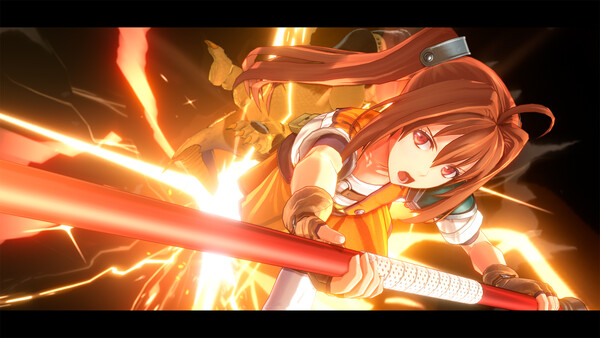
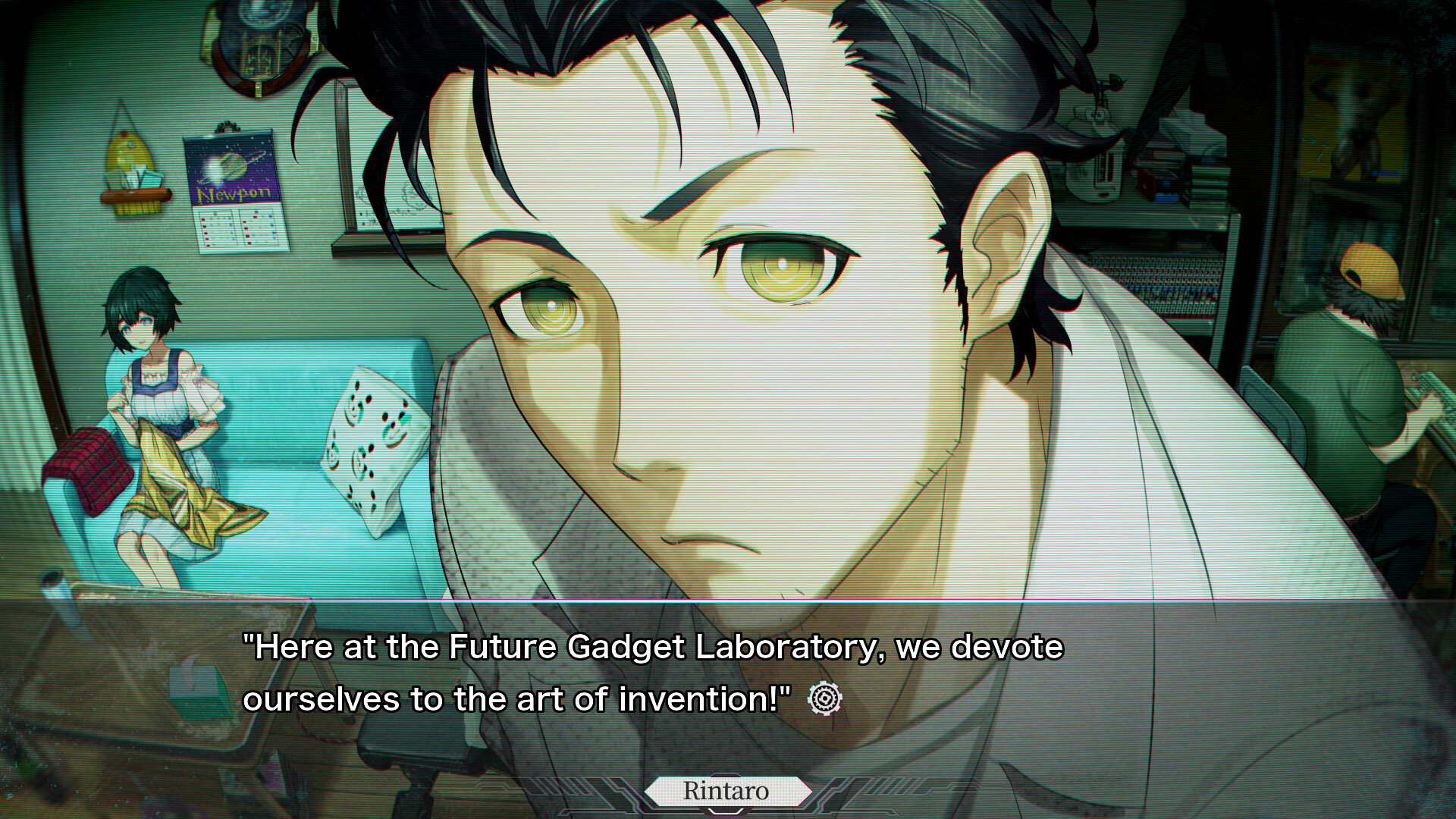
Nearly every critic agrees the underlying visual novel is excellent. Rintaro Okabe and the Future Gadget Laboratory accidentally discover how to send messages into the past, and the experiment turns into a conspiracy thriller about causality, loss and the cost of changing a timeline. The Phone Trigger system lets replies and calls shape routes and endings.
The argument is about this release. RE:BOOT redraws characters and backgrounds, animates portraits, re-records voices, updates the interface, adds a worldline viewer and new scenario material, and uses the streamlined STEINS;GATE ELITE script as its base. For some reviewers that's the definitive package; for others, a costly remake that keeps the wrong cuts.
- Digitally Downloaded, 10/10: "the definitive edition of a true giant of the visual novel genre."
- RPGFan, 9.5/10: "the perfect way to play" STEINS;GATE.
- DualShockers, 9/10: smoother pacing and meaningful additions, though it doesn't replace the original.
- NookGaming: the refreshed assets and modern presentation make it the new definitive version.
It isn't just nostalgia. Reviewers praise the central mystery, the slow build of character detail and the emotional payoff once the plot accelerates. Rebuilt backgrounds give 2010 Akihabara more texture, animated models liven up conversations, and Observer Mode helps you follow branching worldlines in a story built on alternate outcomes.
Why some STEINS;GATE fans are unconvinced
CGMagazine (6.5/10): "The story is as good as ever, but the new presentation is a mixed bag." It dislikes the bright, repetitive animated models, prefers the original art, and says the new worldline doesn't justify the price when older editions cost less.
Noisy Pixel (6/10) says RE:BOOT "preserves the original visual novel's excellent character writing" but struggles to justify itself, criticizing the shortened ELITE-based script, rushed passages, and a brief new route that falls short of the expansion returning readers might expect.
Final Weapon offers a newcomer's view. Its reviewer hadn't played the original or ELITE and enjoyed RE:BOOT throughout, calling it a strong starting point after some fixes. The problems were practical: English text sometimes crams awkwardly into the box, and some images lack translated text. A first-time reader meets a strong sci-fi story with modern presentation; a long-time fan sees every omission and asks what the new purchase adds.
So the 83 describes two products. As an introduction, it's widely admired, and several critics call it the best entry point. As an upgrade for someone who owns and loves the original, reception is far less settled. The question is whether new art, interface improvements and limited new material make up for an abridged script and another full-price purchase.
What the two have in common
Comparison is unavoidable for both. Twisted Tower invites BioShock into every review; RE:BOOT gets compared with two earlier versions of itself. The lower reviews name expectations the enthusiastic ones skip: Twisted Tower is short, occasionally repetitive and more interested in combat than deep themes; RE:BOOT is still a slow visual novel with an abridged script and less new story than some fans wanted. The praise is just as consistent: Twisted Tower has responsive combat, memorable spaces, absurd weapons and a sensible length; RE:BOOT still holds one of the genre's most respected time-travel stories with better navigation and carefully rebuilt presentation. Neither score hides a broken game. They hide arguments about value and originality.
Which to play
Twisted Tower if you want a short PC shooter, enjoy grotesque carnival imagery and don't mind it borrowing BioShock's skeleton. The 2-to-10 spread sounds alarming, but nine of ten Metacritic reviews are mixed or positive and eight are positive. The recurring criticism is about writing and derivation, not whether the guns feel good.
STEINS;GATE RE:BOOT if you've never read STEINS;GATE and want a modern way in; the consensus is firm there. Existing fans should read the 6 and 6.5 reviews before buying, since they explain what changed, what's still cut and why polish may not be enough.