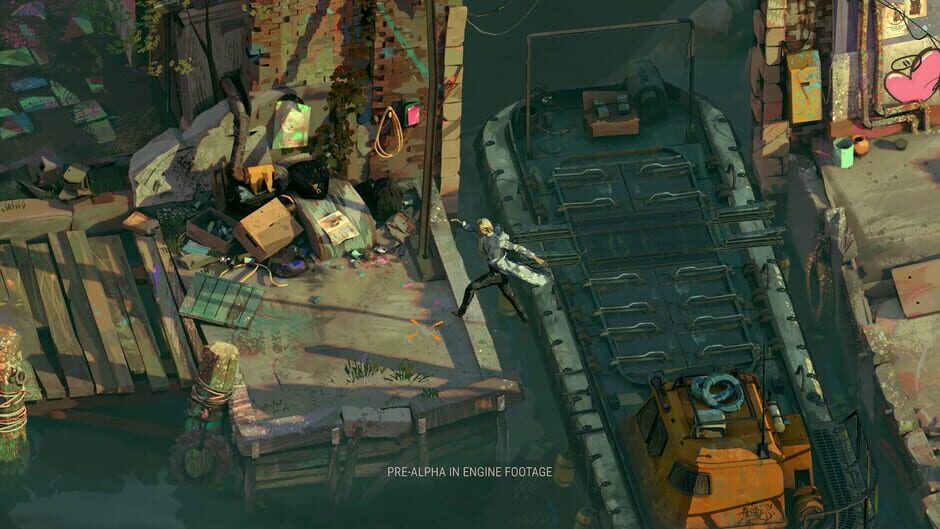
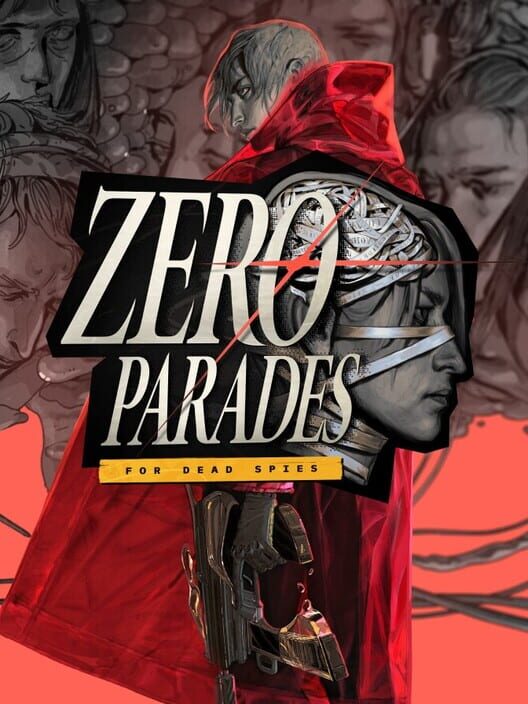
ZERO PARADES: For Dead Spies is ZA/UM's RPG for PC and PS5 about Hershel Wilk, a burned-out spy pulled back into a city of ideological conflict, personal failure and bad decisions. It came out May 21, 2026. Critics are mostly warm on it, but every review ends up asking how you judge ZA/UM's next RPG after Disco Elysium. That isn't entirely fair to ZERO PARADES, and it's impossible to avoid.
ZERO PARADES review scores
Metacritic has it at 83 from 61 critics. OpenCritic lists an 84 Top Critic Average from 54 reviews, with 89% recommending it.
- Eurogamer: 5/5, "it's the RPG we don't deserve"
- DualShockers: 9/10
- TheSixthAxis: 90
- Giant Bomb: 4.5/5
- GameSpot: 8/10
- Irish Independent: 80
- TheGamer: 4/5
- Hardcore Gamer: 4/5
- GamesRadar+: 3.5/5
- Ragequit.gr: 74
- PC Gamer: 66/100
Nobody here says it lacks ambition. The argument is whether ambition, writing and atmosphere are enough when the game stands in the shadow of one of the most praised RPGs of the last decade. It wins plenty of those comparisons, but it never escapes them.
What critics agree on: the writing
The most positive reviews all come back to the writing. Eurogamer calls it "an exquisitely constructed take on consumerism, empire, nostalgia and beyond." The review centres on Cascade, the fallen spy, and frames the game around humiliation, bad luck and the odd dignity of trying to recover from your own mistakes.
Hershel Wilk, codename Cascade, once led a team into disaster and is now dragged back for a mysterious assignment. The city is full of international bankers, techno-fascists, psychic doppelgangers, a paranoid TV presenter and a man with a box for a heart. On paper that sounds like writers daring each other; the stronger reviews say the game mostly earns it.
TheSixthAxis gave 90, calling it "a triumphant spy thriller" that starts slowly and grows into "an unforgettable espionage adventure" by the credits. It asks for patience before it pays back. The Irish Independent gave 80, calling it "a rollicking story of conspiracy and conniving, marked by pitch-black humour and sharp writing": political, darkly funny, and interested in power without turning into a lecture.
Some RPGs are remembered for builds and endings; others for lines that stay with you. ZERO PARADES is going for the second kind.
How the Disco Elysium comparison hurts it
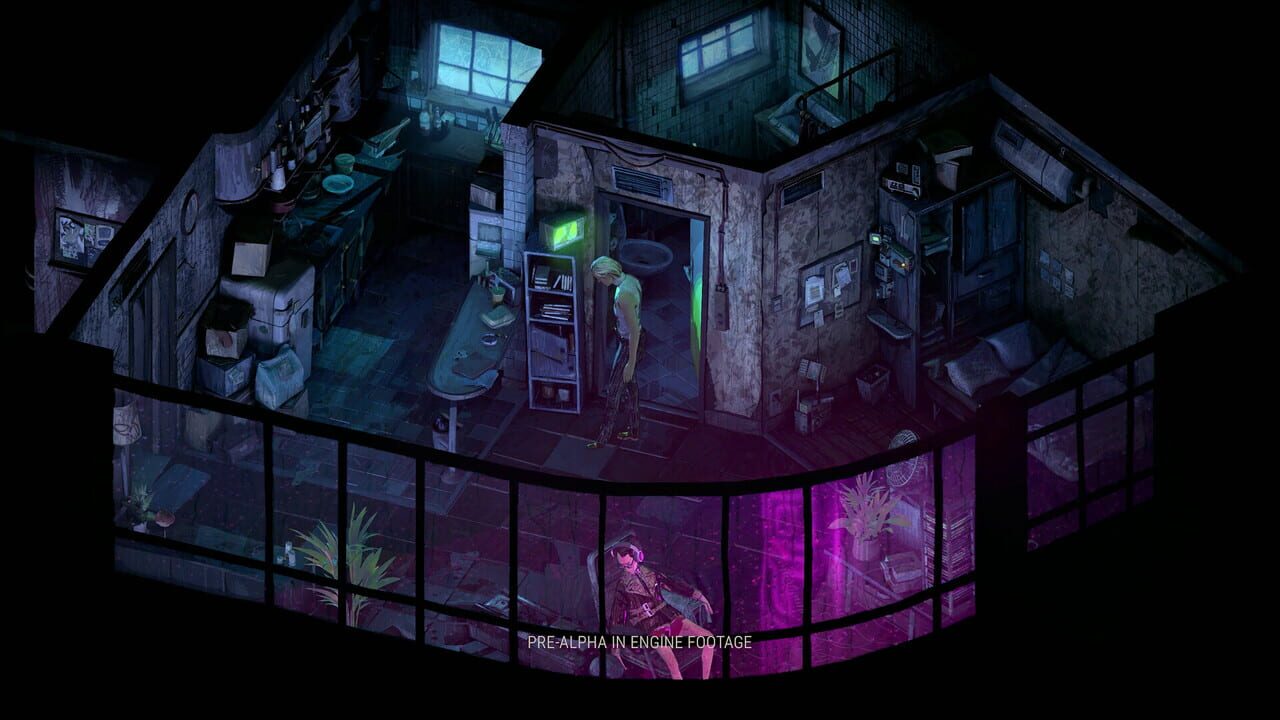
The Irish Independent says it plainly: "at every turn the shadow of the superior Disco Elysium hangs over it." Ragequit.gr is harsher, calling it "a cursed game born in the midst of a corporate whirlwind" that has its moments but is "doomed to be forever compared to Disco Elysium and found lacking."
PC Gamer calls it "a chimera of a game, a new face and subject welded onto a familiar body." Its bigger complaint is that it "doesn't commit to its espionage concept enough to be convincing": for a spy, Cascade is too quick to angst, drink and tell strangers her real name. GamesRadar+ notes the opening rebuilds Disco Elysium's setup almost beat for beat (archetype choice, voices in the dark, a strange room, a body) and calls the game "a little too fearful to roll the dice on something new," while still listing "some of the richest writing in gaming" among its strengths.
None of that means it's bad; Ragequit's 74 is a qualified recommendation. The game is good enough to take seriously and close enough to its predecessor that every missing spark shows. A weaker game would have been easier to write off. This one gives reviewers too much to admire to dismiss, then keeps inviting a comparison it can't fully win.
So the real question is whether you want a game to outrun its lineage or do something worthwhile inside it. The strongest reviews argue for the second. Eurogamer says it uses a spy story to dig into consumerism, empire, nostalgia and identity rather than just echoing Disco Elysium's structure. It may not have Disco Elysium's miracle quality (very few games do), but it may still be one of the best-written RPGs of the year.
What critics praise: prose, city and a damaged spy
The prose. It's comfortable being dense, funny, unhappy and strange, which sets it apart from RPGs that add political texture and then back off before anything gets uncomfortable.
The setting. Eurogamer's Portofiro works because it isn't a board of quest markers. Ideology leaks into small encounters. With weak writing a city like that would be exhausting; with strong writing it's what you remember.
The spy premise. Cascade is damaged goods, and the story starts after failure. You aren't building a legend from nothing but working with someone who already has history, guilt and a reputation. That constrains role-playing but makes choices heavier: you're deciding what she does with the wreckage. Giant Bomb calls Cascade "authored and personal" and the game "weird, beautiful, and dense with characters" the reviewer wanted to understand.
What critics criticize: pacing and the weight of history
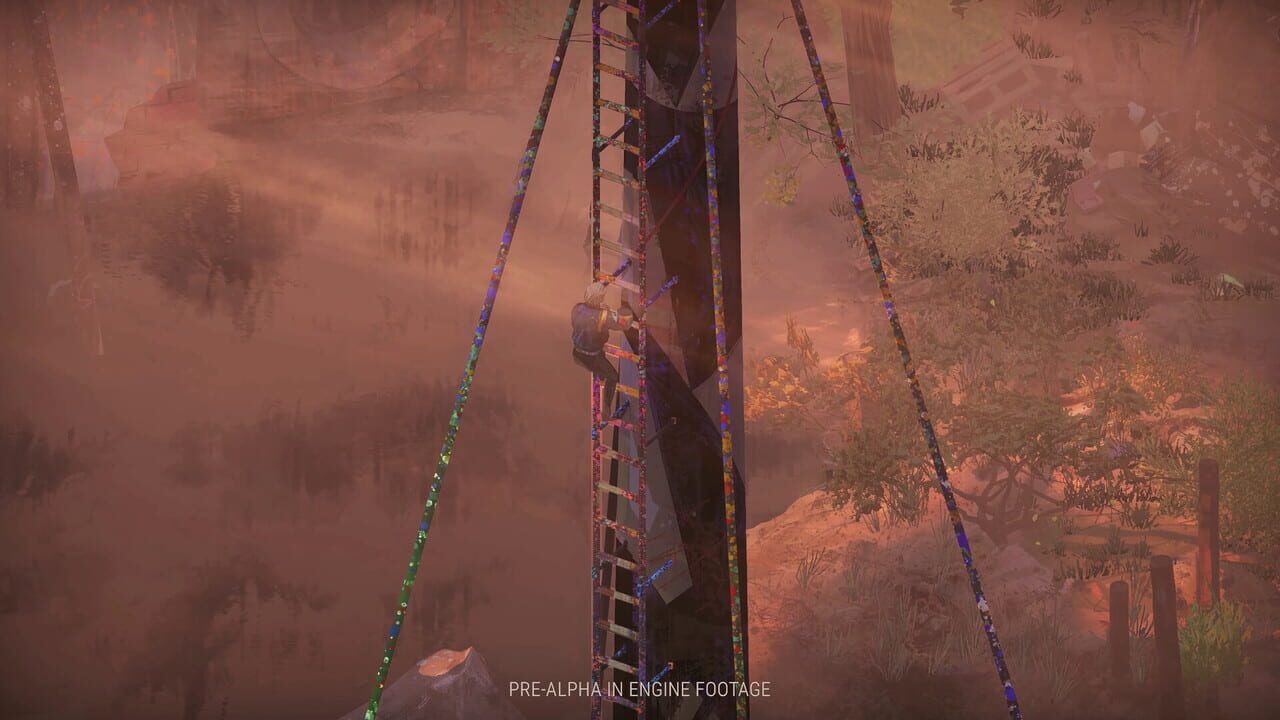
Beyond the comparison, there's pacing. Even TheSixthAxis notes a slow start. In a text-heavy RPG the opening hours teach you how to read the game, and if the rhythm is off they can feel like a reading assignment before the game begins.
Ragequit's lower score suggests the game has moments rather than a sustained spell. A brilliant conversation makes you feel you're playing something essential; a weaker stretch makes you notice the machinery.
Some reviewers also want it to be freer of its past, which may be impossible. ZA/UM's name carries expectations, and the studio history around Disco Elysium now shapes how people read anything that follows. If you want another once-a-decade shock, you may be disappointed. If you want a strange, literate, political spy RPG that can hold up in the same sentence as Disco Elysium, the scores say it's worth a serious look.
Should you play ZERO PARADES?
Yes, if you like narrative RPGs that ask for attention. The 83 from 61 critics isn't a fluke: Eurogamer loves its construction, TheSixthAxis loves the payoff, the Irish Independent praises the conspiracy and black humour, and even Ragequit's cautious review lands well above average.
The better question is when. It isn't a palate cleanser. Text-heavy RPGs flatten if you rush them between louder games, and a spy story built on failure needs some quiet around it. Critics are arguing with the game, its history and their own expectations, which usually means there's something alive in it. If you finish it, note in Perthro whether Cascade won you over or Disco Elysium's shadow never lifted.