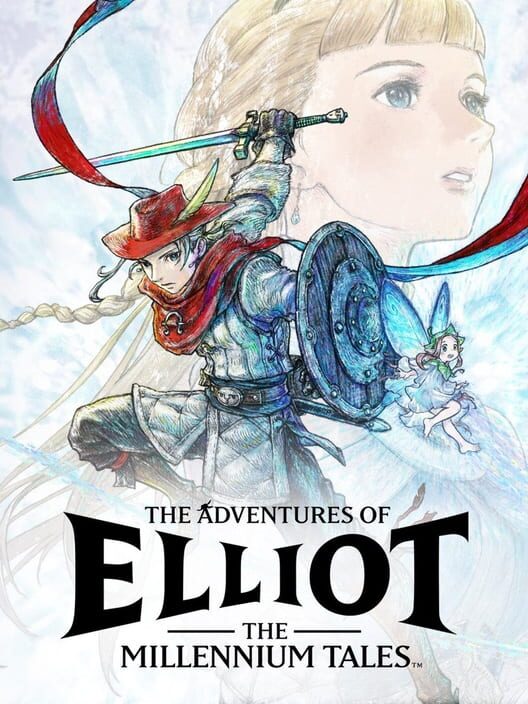
OpenCritic has The Adventures of Elliot: The Millennium Tales at an 80 Top Critic Average, with 81% recommending it. That looks like a clean win for Claytech Works and Square Enix until you read the reviews. Some critics see the best proof yet that HD-2D works outside turn-based RPGs. Others hear a fairy who won't stop talking, see time travel that does too little, and wonder why something this handsome feels so borrowed. Nobody calls it a disaster; they disagree about what kind of good game it is.
The Adventures of Elliot review scores
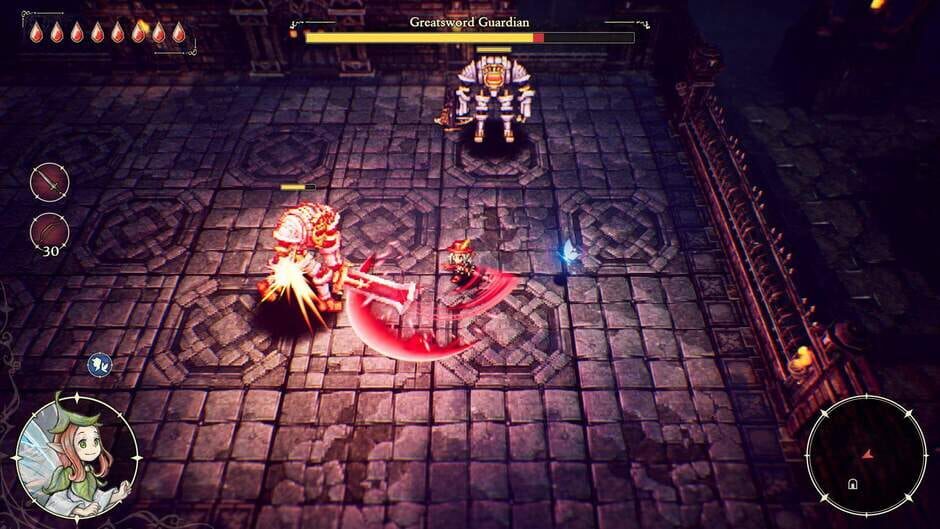
Elliot came out June 18, 2026 on Switch 2, PC, Xbox Series X/S and PS5. Elliot travels across eras with a fairy companion named Faie in a time-spanning action adventure built in Square Enix's HD-2D style.
- DualShockers: 9/10
- TheSixthAxis: 9/10 ("Look past the odd pacing foible and this is an excellent action adventure to sink into")
- Hardcore Gamer: 4.5/5
- Digital Chumps: 8.3/10
- IGN: 8/10
- Nintendo Life: 8/10
- Metacritic (PS5): 82 from 36 critics
- PC Gamer: 76/100
- Game Informer: 7.3/10
- GameSpot: 7/10
- Console Creatures: 70
- The Jimquisition: 5/10
Several reviews mention The Legend of Zelda: A Link to the Past within the first few paragraphs, along with Ys, Chrono Trigger and other 16-bit action RPGs. It clearly borrows from great games; the question is whether it builds something of its own from them.
IGN says it "isn't without blemishes, but it's still a great action-adventure game," with the HD-2D art a big reason why. PC Gamer: "Belief in brevity helps an infectious passion shine through well-worn locales and plotting." Game Informer says it "doesn't make full use of its time-travel potential." GameSpot calls it "a surprisingly strong first attempt at reaching into this genre from a studio not known for it." Digital Chumps calls it "the closest thing to a modern take on classic Zelda games I've played during the past two generations of consoles." Console Creatures calls it "a lesser version of a game you've played before."
On one side: craft, charm and flow. On the other: a familiar structure, shallow time travel and a noisy companion.
What works: HD-2D action combat
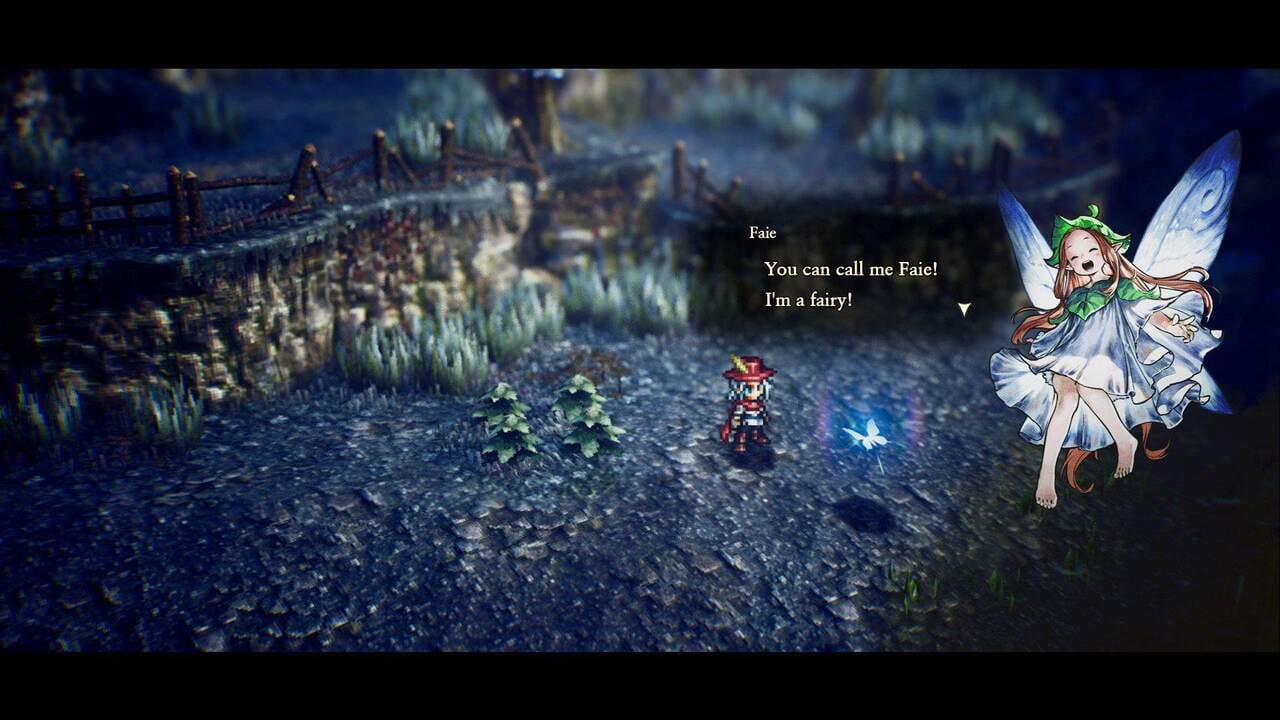
Nobody argues about how it looks. IGN frames Elliot as Square Enix asking "What if Square made A Link to the Past?" and calls the result "an adventure I never knew I wanted," praising the story, build customization and world.
Nintendo Life notes HD-2D has worked across Triangle Strategy, Octopath Traveler, the Dragon Quest remakes and Live A Live, and that Elliot is the first with real-time action combat: "It works surprisingly well," playing like a mix of A Link to the Past and Ys Origin.
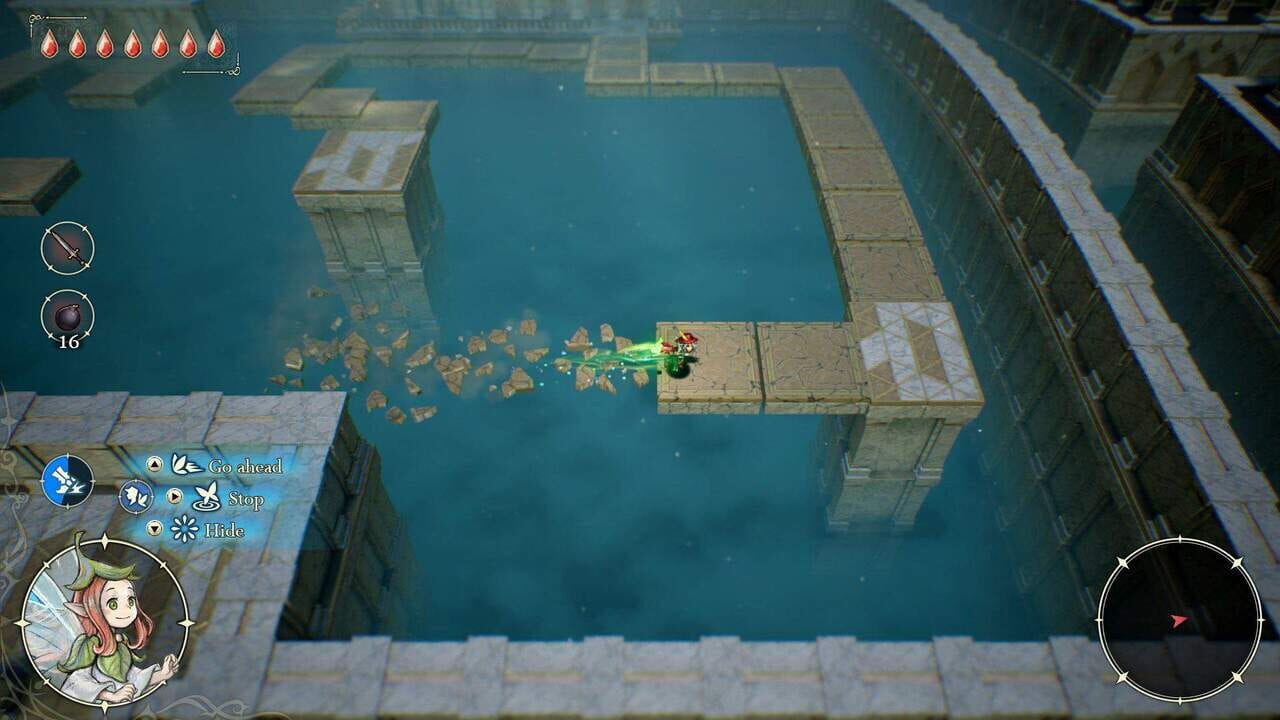
It could have been a visual experiment with a game attached, but most critics say the combat holds up. PC Gamer describes a top-down adventure with a "healthy smattering of Zelda," some Ys, and HD-2D "looking the best it ever has." Its complaints are with the plot, not with moving through the world.
The praise is tactile: sword swings, tools, traversal, dungeon puzzles, secrets, and Faie's abilities bending the rules when she isn't interrupting. PC Gamer says Faie can make you feel like a genius cheating the system. The Outerhaven counts seven weapon types (swords, bows, boomerangs, bombs, spears, hammers, and chains and sickles), each playing differently. Shacknews points to Faie's Ignite, Warp and Copy skills changing fights and movement. TheGamer says the four-era structure makes the same land, redrawn across time, feel bigger and more lived-in than it is. A game can be derivative in outline and still feel alive in your hands.
The problem: Faie won't stop talking
Faie may be the most repeated complaint. IGN calls her "a bit chatty" and says she gives puzzle answers too early. PC Gamer: "And boy does she talk." She comments on fights, items, chests and simple puzzles so often that turning her chatter down becomes a sanity measure.
TheGamer calls her "a character that seems to exist to be the enemy to my enjoyment" and suggests turning the volume down once you meet "a certain should-be-mute fairy." The Jimquisition's 5/10 calls the game enjoyable but saddled with "some of the worst audio direction in videogame history." Shacknews says reducing her chatter barely helped, and adds that Magicite management, with its stat gems, trade-offs and weapon-specific values, can feel "needlessly complex."
Companions shape the texture of an adventure game. They can warm lonely spaces or take away the pleasure of working things out yourself. Faie is useful mechanically, especially for puzzle and combat routes. As a voice in your ear, she's the thing most likely to sour a good session. If you love the combat and look, she's a manageable irritation. If you play these games for quiet exploration, she's a constant tax.
Where critics split hardest: time travel
Once a game says its world spans a millennium, players expect cause and effect, changed geography and places transformed by history. Elliot gestures at all of it, and critics disagree on how much it delivers.
Nintendo Life is kinder: Elliot's actions in the past snowball across eras and give the story a more personal angle, especially by the true ending. TheGamer likes the economy of it: one environment does the work of four.
IGN and Game Informer are sceptical. IGN says the time travel "never quite lives up to its promise": locations change a little but often keep the same trees, shrubs, enemies and settlement layout. Game Informer agrees that the main town shifts, but enemies barely vary, the overworld doesn't change enough, and Elliot keeps revisiting fields, caves and dungeons he's already seen in another era.
Some see clever economy; others see reused space underselling the premise. Repetition can feel meaningful when the context changes enough. If it doesn't for you, it starts to look like padding.
Should you play The Adventures of Elliot?
The fundamentals are strong and the ambitions uneven. The combat and art work, and the world is pleasant to move through. The story is better when it stays close to its characters than when it leans on the grand time-travel premise. Faie is both one of the most distinctive mechanics and the most common annoyance.
That explains the 80 better than any single quote. It isn't a universally adored breakthrough or an overhyped disappointment. It's a sturdy, sometimes lovely action adventure that takes a visible swing at making HD-2D faster and more physical, connecting often enough to matter and missing often enough that the complaints aren't nitpicks. If you play it, note in your Perthro review how long it took you to find the setting that turns Faie down.