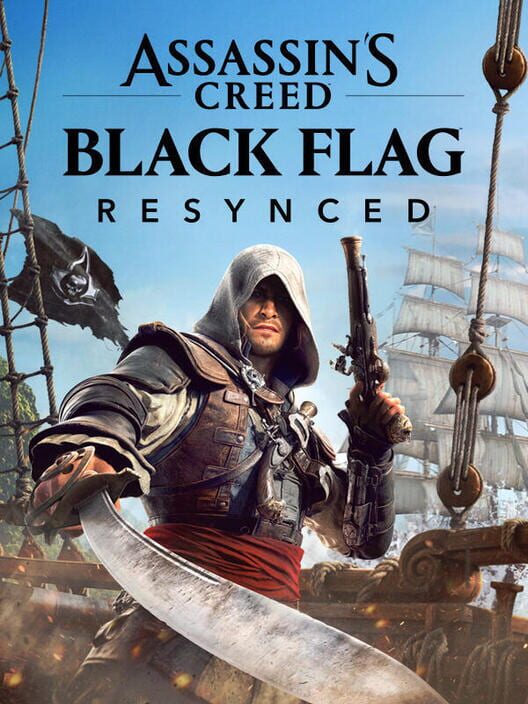
Assassin's Creed Black Flag Resynced gets reviewed as a 2026 release and as a memory test at the same time. Critics aren't only asking whether Ubisoft Singapore made a good pirate game; they're asking whether a well-loved 2013 game needed this much rebuilding.
IGN gave it 9/10: "a remake that brings one of the best games in the series up to today's standards." Eurogamer gave 3/5, describing "an ebb and flow" where every positive change has "a negative just beneath the surface." PC Gamer landed in between at 75/100, with the neatest summary of the debate: "well-made, but inessential."
Most critics agree Black Flag's foundations are strong. Edward Kenway still works, the Caribbean still pulls you in, and the Jackdaw is still one of Ubisoft's best toys. The argument is whether modernizing it improves the game or sands off the friction that gave the original its shape.
Black Flag Resynced review scores
- IGN, 9/10: a confident modernization.
- PC Gamer, 75/100: a good game that loses something in translation.
- Eurogamer, 3/5: uneven, sometimes lovely, sometimes awkward.
All three are reacting to the same changes. Ubisoft Singapore rebuilt the game in a newer version of Anvil with new visuals, revised combat and traversal, reworked exploration, extra writing, and a removed or reworked present-day story. Those sound like obvious wins, but reviews keep circling the same unease: Black Flag wasn't broken the way some older games are.
IGN praises the new graphics, smoother freerunning and a map built around discovery. It says the remake keeps what matters in Edward's story while adding cutscenes and a new end-game chapter. To IGN, it's prettier, more playable, less cluttered and better paced.
Dom Peppiatt at Eurogamer says it feels like "the skeleton of an aging game crammed into the harried skin of something newer, tidier, and smarter." It looks modern and still moves like something from two design eras at once. He likes the affection for the source, but the old and new parts don't always fit.
PC Gamer says sailing the Jackdaw is "as great as ever" and the remake is "slick, ridiculously beautiful" and better in several ways. Then it went back to the 2013 original and found it might still be more fun.
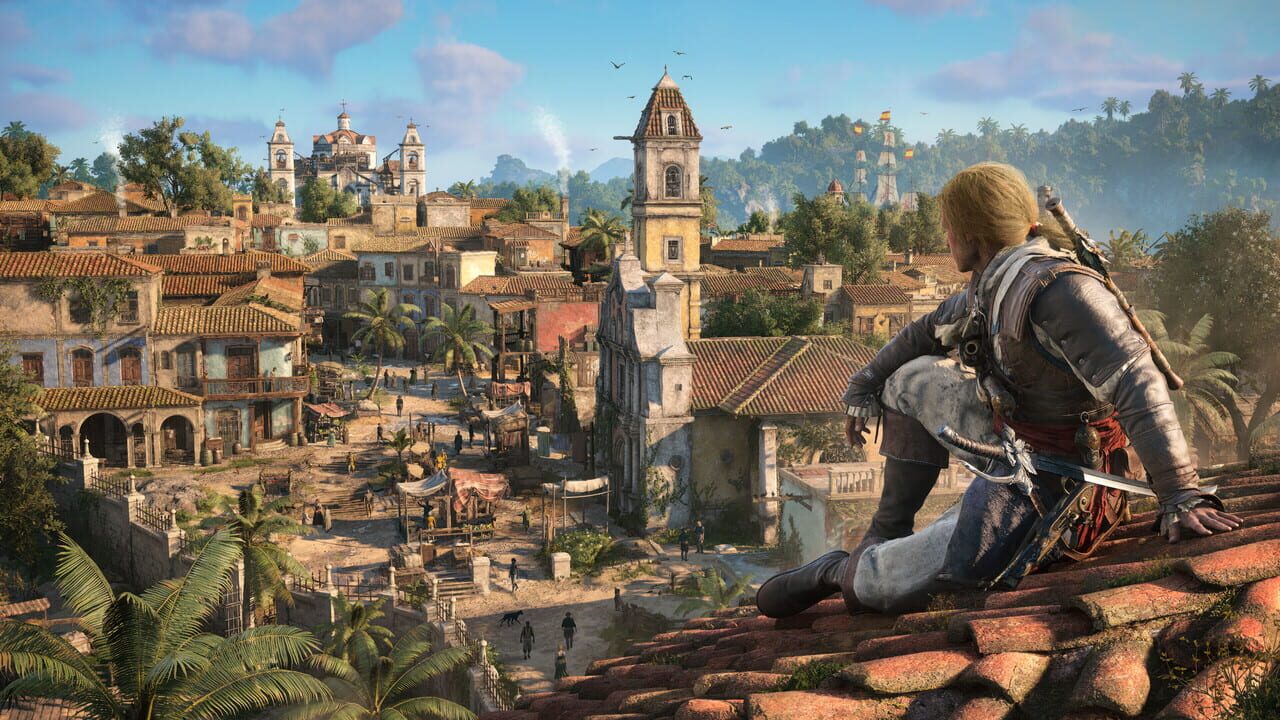
What critics agree on: the Caribbean carries it
Resynced works best when it lets Black Flag be Black Flag: sailing, naval combat, island-hopping, sea shanties, treasure maps and the pirate fantasy.
Black Flag has always been an odd Assassin's Creed game because the pirate half is often more interesting than the Assassin half. Edward starts as a self-interested rogue and the mythology has to drag him into its bigger conflict. IGN calls his story one of the series' best, enough to put it in the top tier. PC Gamer is even clearer that the Jackdaw and the Caribbean are the strongest things the remake inherited.
Where critics split: modernization versus preservation
IGN thinks modern Assassin's Creed design mostly helps Black Flag. PC Gamer and Eurogamer think it's complicated at best.
Take the map. IGN likes the move away from the original's wall of icons, saying a discovery-based structure makes the Caribbean less overwhelming. That makes sense in 2026, when plenty of players are tired of maps that look like confetti on a tourist brochure. But Black Flag came from a different open-world era, and some of its old excess was texture. Eurogamer notes long sailing routes and old mission structures still sit awkwardly beside new systems. PC Gamer says the result feels less like a cleaner Black Flag and more like Black Flag stuffed into newer Assassin's Creed habits.
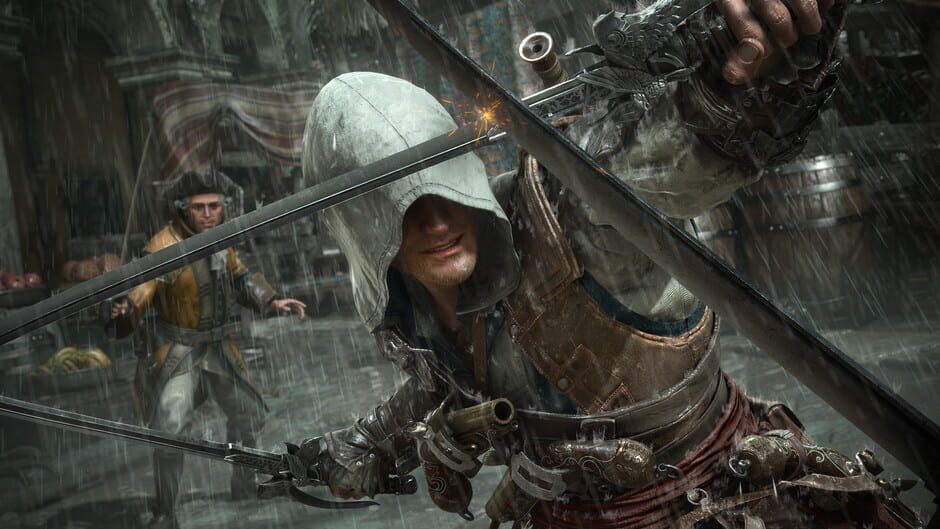
Combat is another sore spot. Eurogamer likes Edward as a scrappy pirate brawler with rope darts, pistols and a kick that sends enemies into the water, but complains about lock-on problems and restarts caused by bad targeting. IGN is more forgiving while noting some old stickiness in movement. PC Gamer sees the combat and stealth changes as part of the remake's identity problem: newer, not always better.
This is a disagreement about remake philosophy, not general taste. If you want Black Flag smoother and prettier, you're in IGN's camp. If you distrust remakes that swap old design problems for new ones, read Eurogamer and PC Gamer.
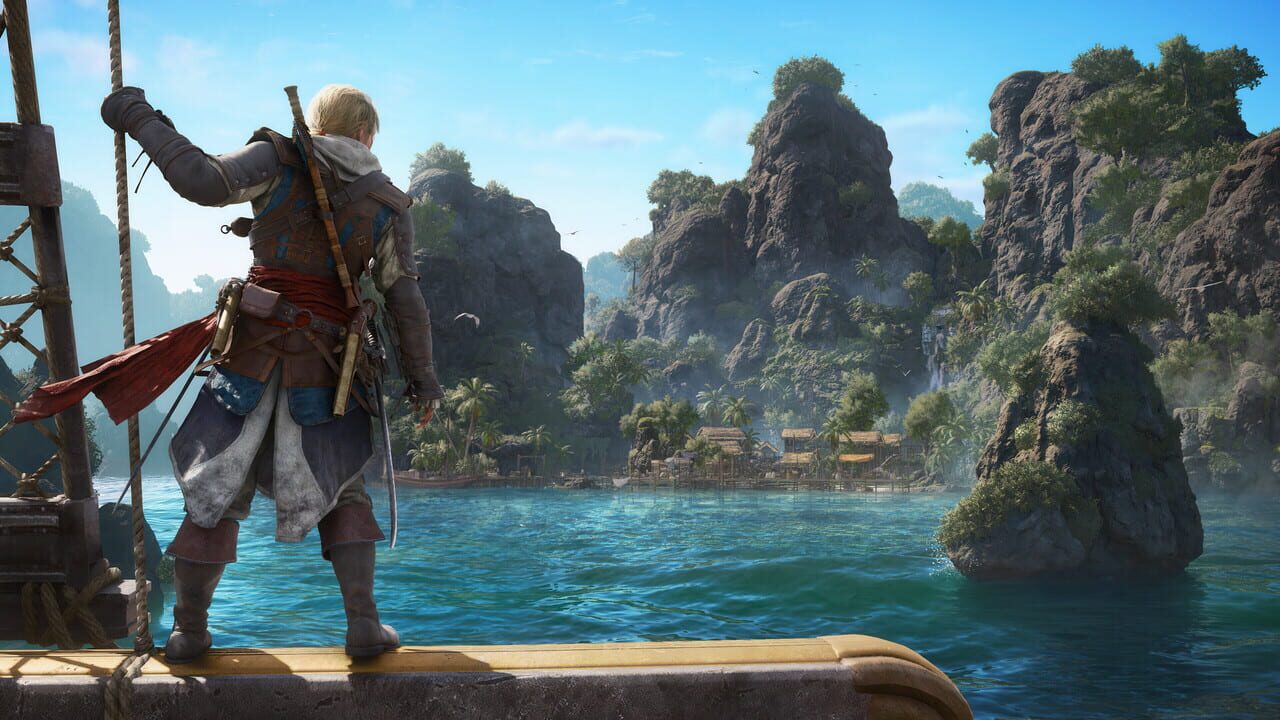
Is the original Black Flag better?
PC Gamer went back to the original after finishing Resynced, and the result wasn't flattering. It says the 2013 game has aged gracefully, and ends bluntly: "The original is better."
If Resynced were replacing something hard to revisit, the case would be easy. But Black Flag is still readable, playable and fondly remembered. A remake has to do more than look current to justify taking the wheel.
IGN thinks it does, pointing to better pacing, new quest options, smoother traversal and stronger presentation. Some story chokepoints now have alternatives, like a different way to get the diving bell instead of grinding for cash. For a new player, that could be the difference between bouncing off a thirteen-year-old structure and sticking with Edward.
Eurogamer and PC Gamer see the same changes as compromise rather than transformation. New lines, recruits and quests, altered present-day material, revised systems: some work and some don't. It's a ship repaired with expensive planks, and you can still hear the frame creak.
Should you play Black Flag Resynced?
IGN's 9/10, Eurogamer's 3/5 and PC Gamer's 75 all make sense once you know what each reviewer values.
If you never played Black Flag, it sounds like an easy recommendation with one warning: this is a modernized older open-world game, not a new Assassin's Creed. The pirate fantasy, the Caribbean and Edward's story all still hold up.
If you love the original, it's trickier. The remake is a beautiful excuse to go back, and it may bother you exactly where it tries hardest to help. PC Gamer's review is the one to keep in mind: a remake can be polished and still make you miss the old version. The original is still easy to play if you want to compare.
For how it stacked up against Halo's remake the same month, see our Halo: Campaign Evolved review roundup.