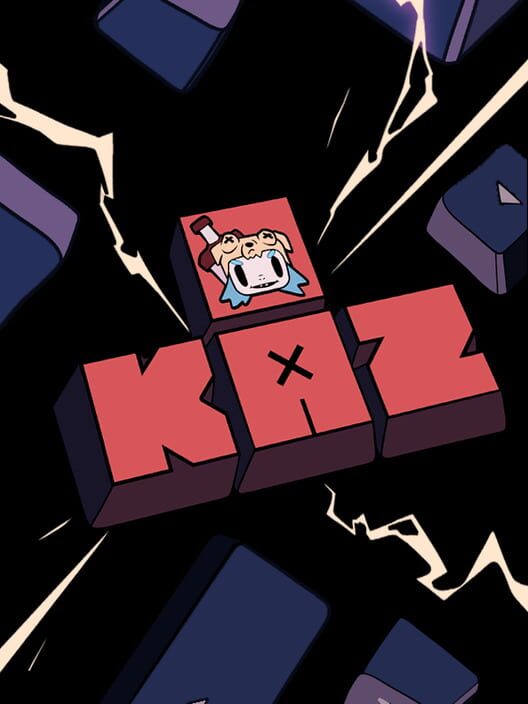
KAZ is a small PC roguelite from Kalinarm and Hakuro about moving fast across a grid, hitting enemies, surviving short rounds and chasing a score just out of reach. Small arcade games rarely launch to reviews this good. Critics agree it's simple to understand, hard to put down and very physical, and they all mention the same warning: this is a game about fingers, wrists and repetition, and long sessions can hurt.
KAZ review scores: 84 on OpenCritic
OpenCritic lists KAZ at an 84 Top Critic Average from four reviews as of July 13, 2026:
- TheSixthAxis: 9/10
- Softpedia: 8.5/10
- Cubed3: 8/10
- DayOne: 8/10
Four outlets saying KAZ knows exactly what it's doing, with no real disagreement.
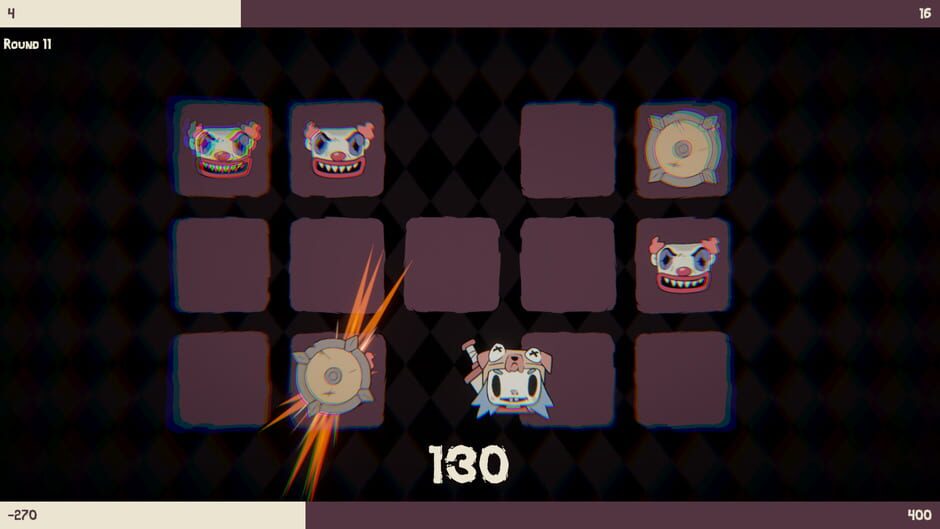
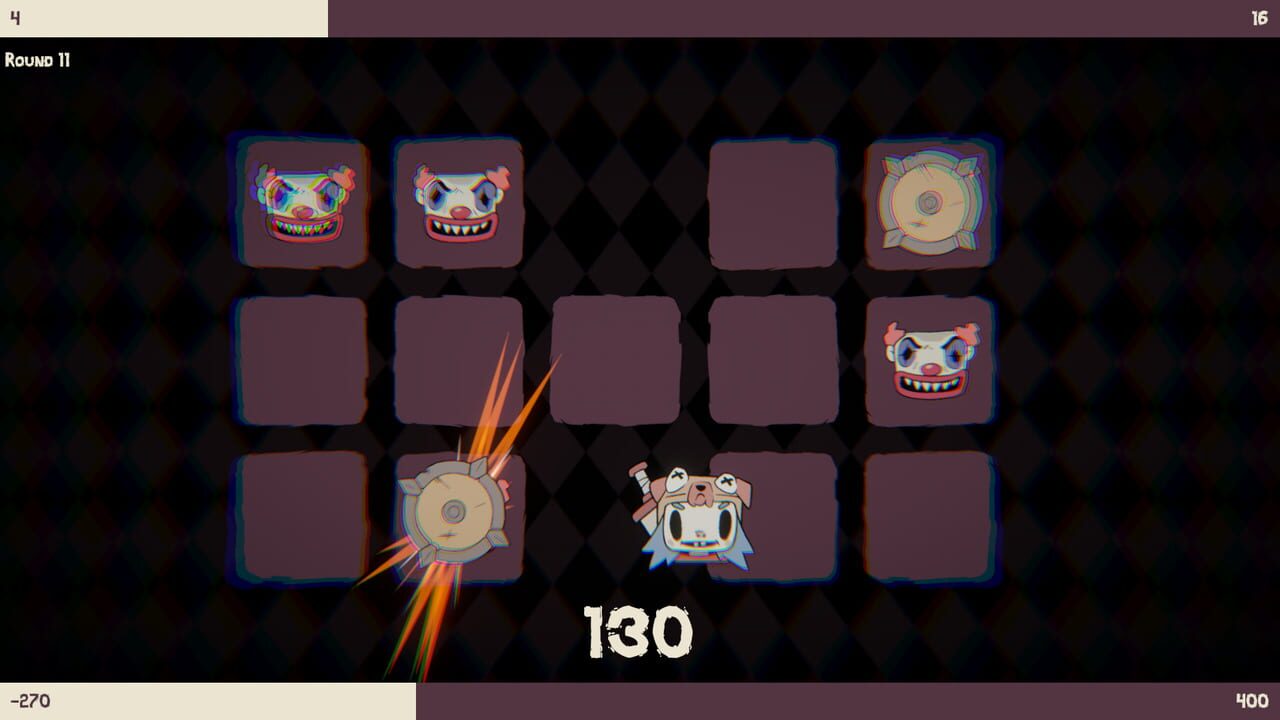
The premise: on a grid, you move quickly with directional inputs, defeat enemies, hit a score target and survive into the next round. Runs build with unlocks, buffs, debuffs, new themes, different characters, spell inputs and changing grid layouts. The hook isn't loot complexity; it's speed.
Aran Suddi at TheSixthAxis called it "sharp and snappy arcade action" that "definitely deserves attention from score chasers." It follows the old arcade bargain: a tiny rule set and mastery that feels just out of reach.
Luna Eriksson at Cubed3 compared it to Whack-a-Mole and Dance Dance Revolution, since your hands have to keep up with your decisions. She said it brought back "a simpler, more physical era of gaming," then spent a good part of the review on hand ache after long sessions.
Jon Clarke at DayOne called it "a fantastic example of smart game design" and "a wonderfully crafted, and extremely rewarding dopamine delivery of a game." Cosmin Vasile at Softpedia described it as for players happy to spend hours chasing a high score, weighing upgrades and waiting for the run where skill and luck line up.
What critics agree on
It feels good immediately. No long tutorial, no story, no grand structure. Move, hit, score, pick an upgrade, fail, start again faster. TheSixthAxis explains that each round has a score target, failing ends the run, and different avatars and themes change abilities, enemies and music. There's no story, and it doesn't need one.
There's more depth than it looks. Passive upgrades, spells cast with key combinations, curse tiles that saddle you with debuffs, modes that change the pressure, and unlockable themes that alter how a run feels. DayOne covers buffs, penalties, spells, stats, weekly challenges and No Stress mode.
It's physical. Cubed3 says the game left "motor images" behind: the reviewer noticed their hands repeating the motions later while relaxing. Plenty of games get called addictive; fewer are described as something your hands remember after you stop. DayOne says a controller works, but arrow keys felt more responsive. TheSixthAxis mentions a dance pad mode if you want it sweatier and stranger.
The main criticism: it's hard on your hands
The pushback is unusually consistent, and it's practical: playing well can be physically uncomfortable.
Eriksson at Cubed3 says the hand movements for optimal play get uncomfortable on deeper runs, comparing it to the old Mario Party palm ache. It's not fatal, but it's a real warning: KAZ is built on very fast inputs, and if every score chase becomes a grudge match, pace yourself. TheSixthAxis says "Your keyboard may suffer." DayOne notes the game itself jokes that your keyboard won't be happy.
No Stress mode helps. Time only advances when you move, making it more deliberate. DayOne calls it a more tactical, relaxed way to play. Cubed3 likes it as a side mode but notes some upgrades don't translate well without time pressure. That's probably the sharpest design criticism here: the gentler mode exists, but not every system is tuned for it. If you have wrist issues or accessibility needs, or just hate frantic key tapping, that may decide it for you.
Why KAZ works
Many modern roguelites grow outward, with more items, synergies, meta progression and unlock screens. KAZ grows inward: it starts with four-direction movement and keeps asking how much pressure, variety and rhythm it can squeeze out of that.
The 84 doesn't read like hype. It reads like critics rewarding a game that sets a modest goal and hits it cleanly. TheSixthAxis likes the score chasing. Cubed3 likes the physical throwback and says take breaks. Softpedia sees the appeal of agonizing over upgrades for the perfect run. DayOne sees smart design under a simple surface.
It isn't for everyone. If you want story, exploration or something to sink into passively after work, it's a poor fit. If you like leaderboards, learning rules through failure and feeling your hands get sharper as your brain catches up, KAZ could eat a weekend.
Should you play KAZ?
If you chase scores, it's easy to recommend: every launch review is between 8 and 9 out of 10 for the same simple loop. You can understand the game in one sentence; the question is whether that sentence sounds dangerous for your free time. If you're curious but cautious, start with the warning: take breaks, try No Stress mode, and don't let the next winnable-looking round give you sore hands.