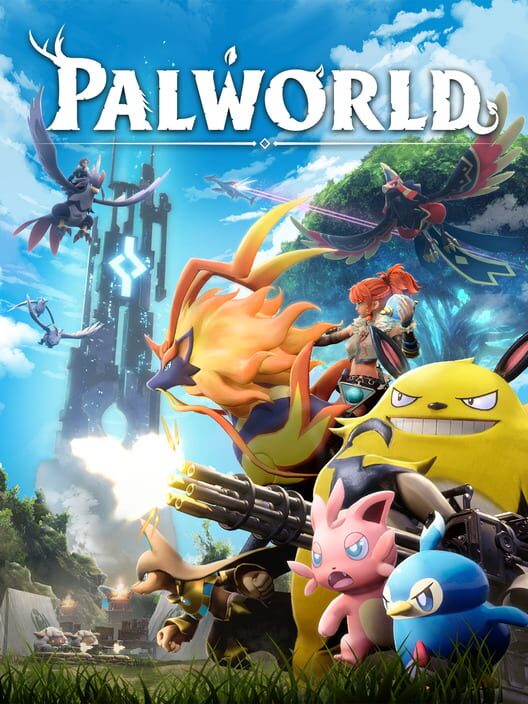
Palworld has always been easier to argue about than to review. That was true in January 2024, when Pocketpair's creature-catching survival game hit Early Access and everyone had an opinion before installing it. It's still true with Palworld 1.0, released in July 2026. Metacritic lists an 86 for the 1.0 release from six critics. OpenCritic's broader page sits at 73 from 22 critics, with 69% recommending it. Steam's player reviews are warmer than both: overwhelmingly positive overall and very positive around launch. The game clearly improved on the way to 1.0, and reviewers still disagree about what that improvement excuses.
Palworld 1.0 review scores
The full release landed July 10, 2026 on PC, PS5, Xbox Series X/S and Xbox One, developed and published by Pocketpair. You catch Pals, build bases, automate work, explore, fight bosses, gather resources and keep expanding until it becomes a slightly ridiculous factory with ears.
- GamingBolt, 9/10: "a fantastic game." Pocketpair's Early Access path deserves study because the studio kept shipping meaningful updates and listening to players.
- Mobalytics, 8.5/10: "the most confident version of itself yet," one of the better recent examples of a game leaving Early Access in better shape than it entered.
- IGN (earlier review), 8/10: it "may crib quite a bit from Pokémon's homework," but deep survival mechanics and a funny attitude make it hard to put down.
- VideoGamer, 5/10: "a game of bare minimums, unscrupulous and soulless," built to hook players on the catch-grind-craft loop.
OpenCritic includes the longer history, which keeps it in Fair territory. Metacritic's 1.0-specific sample is much more positive. The reviews mostly agree on the facts and disagree on how much the flaws count.
What critics agree on: the loop works
Almost nobody denies Palworld knows how to keep you busy. The strongest reviews describe a chain of small jobs that keep paying off: catch a Pal, assign it to a base, gather better materials, craft better gear, push further out, find a new species, then come back and make the base stranger and more efficient.
GamingBolt focuses on how much depends on those interlocking jobs. Pals aren't just pets or party members. They farm, water crops, haul items, craft, chop trees and fight, each with different proficiencies, so a base runs better when you treat them as a system. That's where the 1.0 praise feels earned: Pocketpair didn't make a cleaner copy of something else; it doubled down on the messy part that already worked.
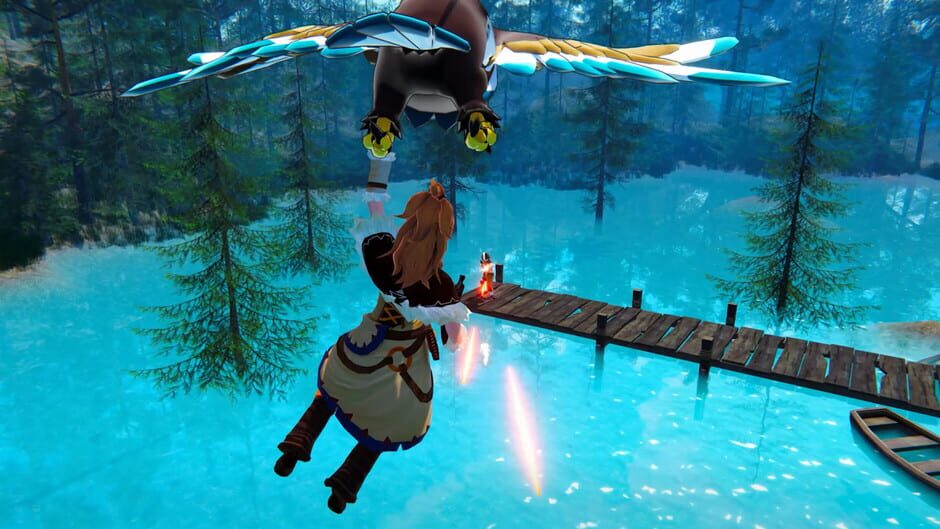
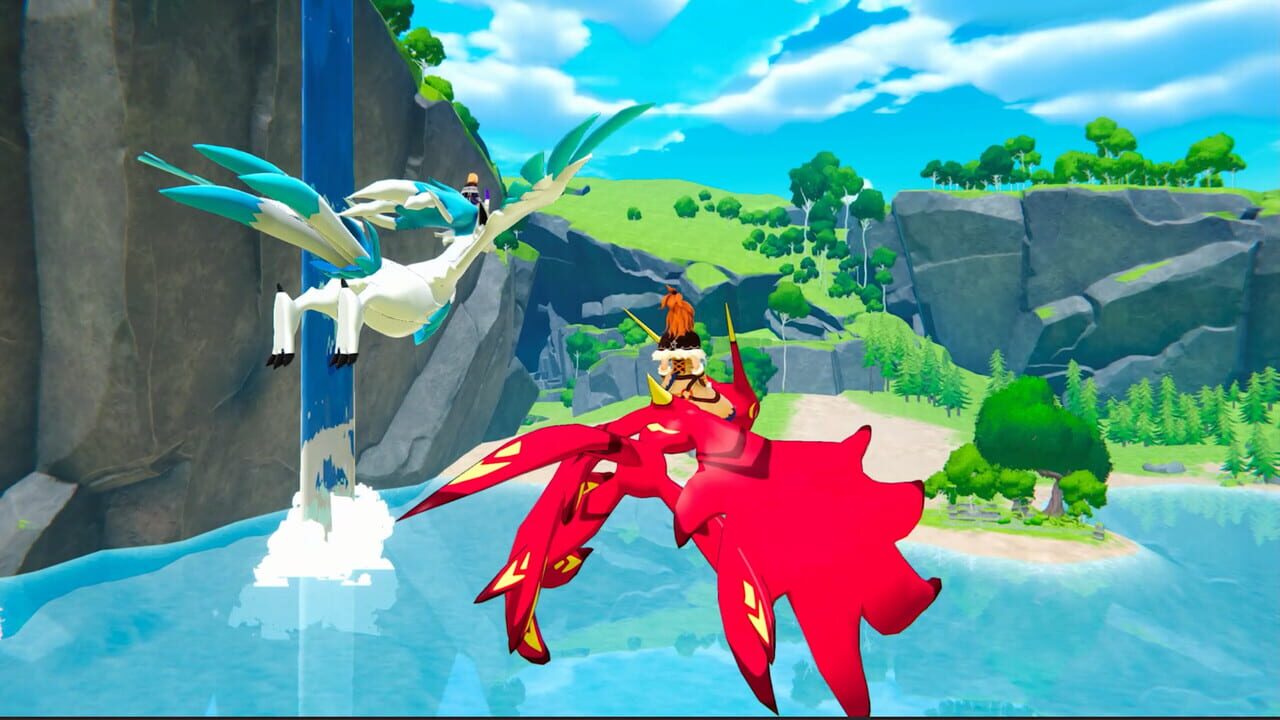
Mobalytics praises the World Tree region, tougher Tower Bosses, better exploration, and the Wing Pack, which makes movement and mid-air combat more expressive. Wildlife Sanctuaries now feel more alive than static arenas. Palworld 1.0 seems to have moved from novelty towards structure, with more shape to the endgame and more reason to care about builds.
VGC's older Early Access review explains why it survived long enough to get here. VGC was openly irritated by how derivative it was, but still gave 4/5 because "everything that Palworld lacks in originality, it makes up for with impressive execution." Critics can dislike the ingredients and still admit the dish works.
What critics still can't get past
The criticism hasn't gone away. The biggest complaint is originality. OpenCritic's summary points to repeated concerns that Palworld borrows too freely from Pokémon, Ark: Survival Evolved, Valheim and Breath of the Wild. VG247 says many of its best bits feel lifted from elsewhere. VGC goes further, calling the project cynical and saying its creature designs and borrowed systems feel like the opposite of how good art is made.
A review can call it fun, generous and full of things to do while still thinking it lacks a soul of its own. Jeuxvideo.com, at 85/100 on Metacritic, reportedly calls it addictive and clever while noting that lack of identity. VideoGamer's 5/10 is the purest version: if the loop feels engineered rather than inspired, the fact that it works can make it feel worse.
There are technical complaints too. Mobalytics notes frame-pacing problems in large bases and dense biomes, plus low-poly background assets that load slowly. It calls base building a weak spot, since cramped spaces and strict terrain rules get in the way once you build beyond a modest workshop. IGN Deutschland, per Metacritic's summary, liked the boss improvements and endgame depth but called the visuals "PS3-level" and the music repetitive.
This isn't lovers versus haters. The positive reviews admit the rough edges; the negative ones admit the hook. They disagree on the weighting.
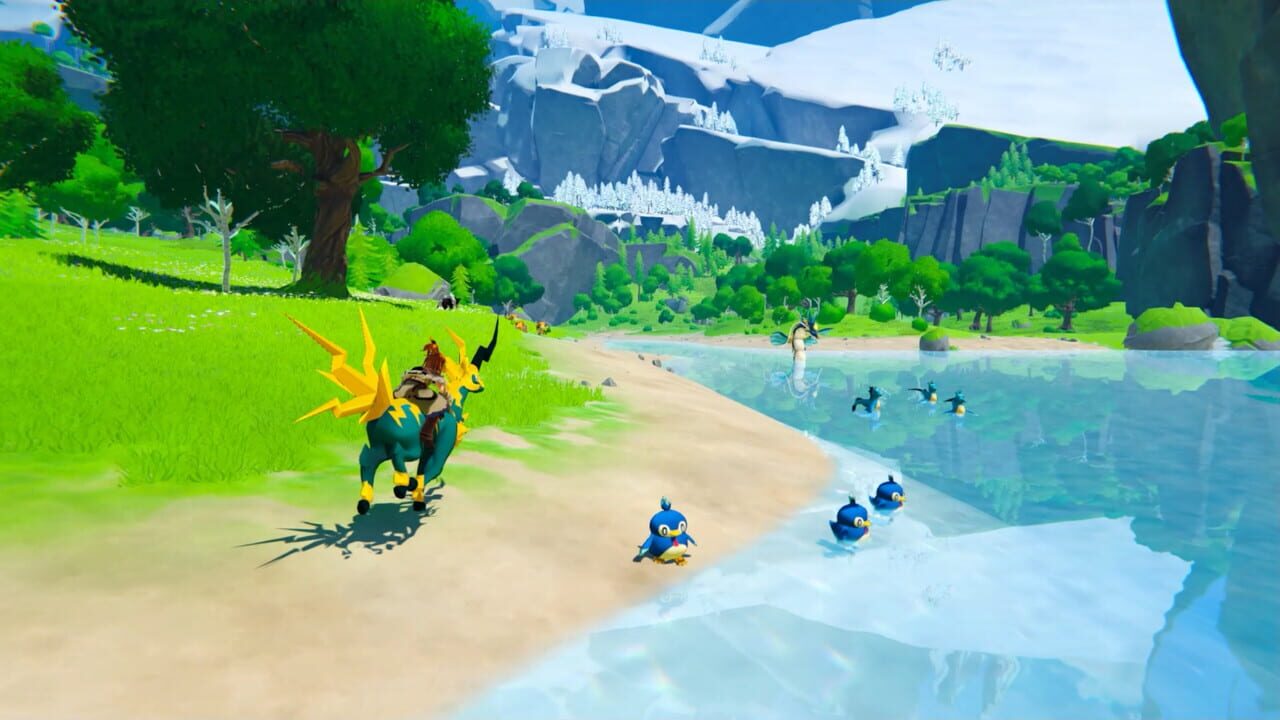
What changed at 1.0
Early Access can hide a lot; a promising survival game can live for years on the idea that the real version is coming later. 1.0 removes that cushion. By that standard, Palworld did better than expected: an 86 on Metacritic, GamingBolt arguing Early Access worked as intended, Mobalytics calling it cohesive enough to recommend to new and returning players, and Steam players broadly happy in their bases.
OpenCritic's 73 keeps the celebration honest. Some games polish their way out of controversy; Palworld may be too strange, too shameless and too effective for that. Its roughness isn't only technical. It's the joke, the pitch and the problem.
Read the reviews as a personality test. If you care most about originality, authorship and a coherent look, the low scores will make sense. If you care about systems, progression, co-op survival, automation and a steady stream of tasks with visible rewards, the high scores will feel closer to the truth.
Should you play Palworld 1.0?
If you bounced off Early Access because it felt thin, 1.0 is worth another look. The endgame structure, expanded systems and better bosses give critics more to talk about than the viral premise, and the update is free for existing owners.
If you skipped it because the whole thing put you off, 1.0 won't change your mind. The creature-labour joke, the borrowed design language, and the sense of one big bundle of other games' best tricks are all still there. VGC's contradiction sums it up: cynical and soulless, yet hard to stop playing. Whether 73 or 86 feels right depends on which half of that sentence matters more to you.