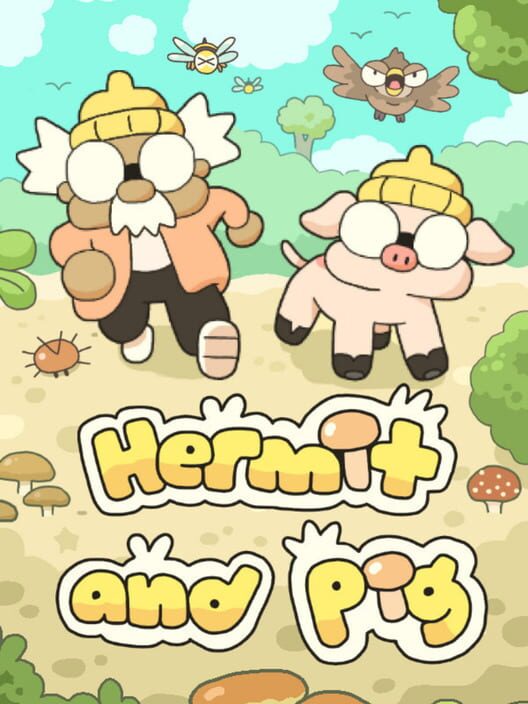
Hermit and Pig came out quietly on PC in February, developed and published by Heavy Lunch Studio LLC. For a while it looked like another small Steam RPG with a good trailer and a nice pig. Then the reviews settled: OpenCritic lists it at 89 with 100% of critics recommending it, and Metacritic has 87 from seven critics, with users at 8.1 from a small pool.
It isn't a big fantasy epic, a technical showcase or a nostalgia remake. It's a short, strange mushroom-foraging RPG about an anxious recluse, his pig, a village under pressure, and conversations that can hurt as much as fights. Critics aren't just praising the charm. They're praising how the charm, combat, writing, accessibility and social-anxiety theme fit together.
Hermit and Pig review scores
- RPGFan: 95/100
- Loot Level Chill: 9/10
- The Outerhaven: 4.5/5
- So Many Games: 4.5/5
- The A.V. Club: A-
- Destructoid: 8/10
- Gaming Boulevard: 8/10
- Quest Daily: 8/10
It isn't getting by on a couple of raves. Even the lower scores are positive. Destructoid calls it "an authentically entertaining experience from start to finish," while noting it's "sorely lacking in replayability" and easy if you simplify the combat. Quest Daily says the game "knows exactly what it wants to say." Gaming Boulevard praises making conversation look like battle, while finding combat less appealing after the halfway point. Nearly everyone sees the same limits, and most think the game earns enough goodwill before they matter.
Conversations that work like battles
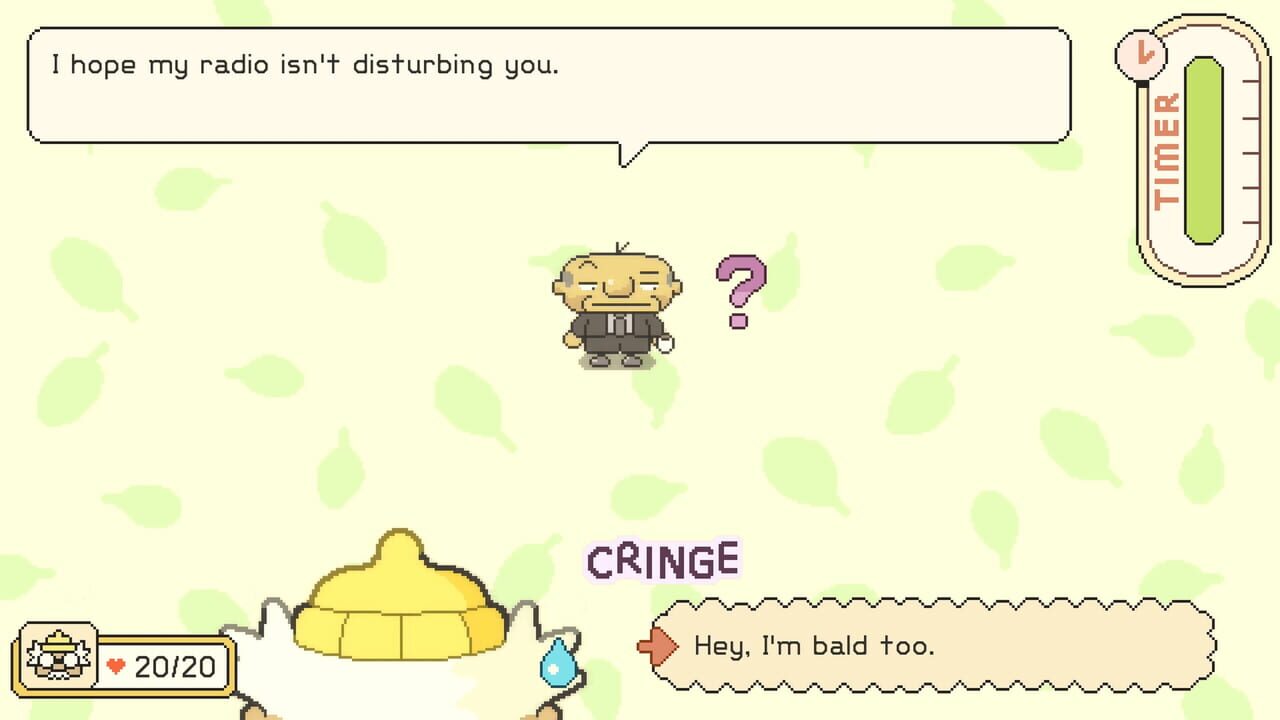
Hermit and Pig's smartest idea is treating social contact as a mechanic, not just a theme. Hermit is withdrawn and visibly uncomfortable around people, and the social-anxiety system is what separates this from the usual cozy RPG.
Quest Daily says bad responses deal "cringe damage" and lower Hermit's HP. Watching his nervous animations as his health drops made social encounters feel as tense as fights. The game doesn't tell you Hermit is anxious; it makes dialogue something he has to survive.
Gaming Boulevard notes that talking to NPCs uses the same screen as combat, with dialogue options replacing attacks. At one point after reaching town, the reviewer muttered "Just leave me alone." That's about the best compliment a social-anxiety mechanic can get: it made the player feel the dread without turning the game into misery.
Destructoid is warm but sceptical about difficulty. The anxiety mechanic is "uniquely done," but dialogue encounters are easy to clear without much damage and often sit near save points. The game uses discomfort as tone rather than a harsh fail state. Some players will see that softness as the point; others will feel it backs off just as the idea could get sharper.
Cozy combat that keeps you alert
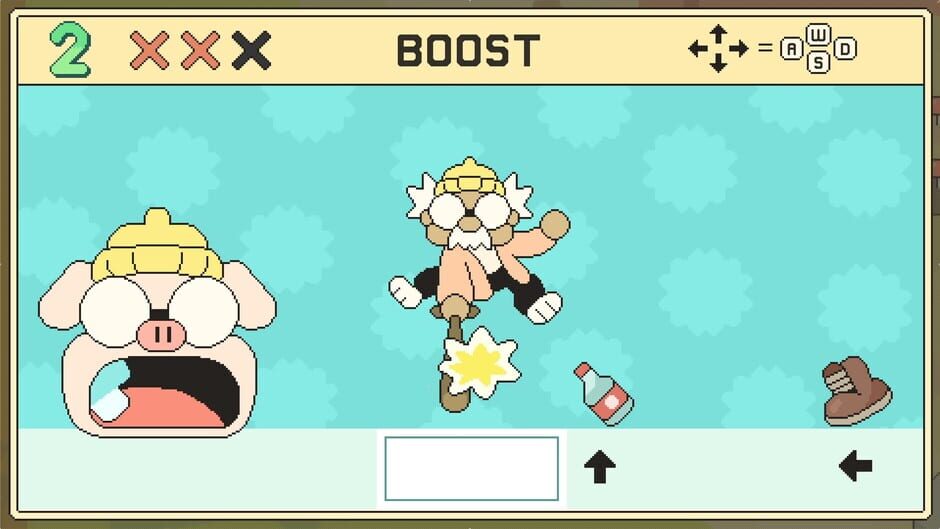
The combat is turn-based but not slow or menu-heavy. Attacks use timed inputs and short command sequences, enemies have weaknesses, and trinkets and mushrooms let you adjust. Pig isn't just a mascot: foraging feeds battle through mushrooms, truffles, healing, status effects and revival items.
Gaming Boulevard calls it "clever": pick the right move, enter the right input, beat the timer. It grows as Pig joins fights, special moves unlock and command strings get longer. Quest Daily liked the timed blocking, which stops fights feeling stuck in menus.
The accessibility options get lots of praise. Quest Daily highlights Simple Battle Mode, which swaps complex inputs for clearer attack choices. The Indie Game Cafe says you can remove button combos, drop timers, turn on story mode or tune combo difficulty. Destructoid calls the options "amazing" and says more games should let you simplify controls separately from overall difficulty. There's a timing hook for players who want it, without holding the story hostage for those who don't.
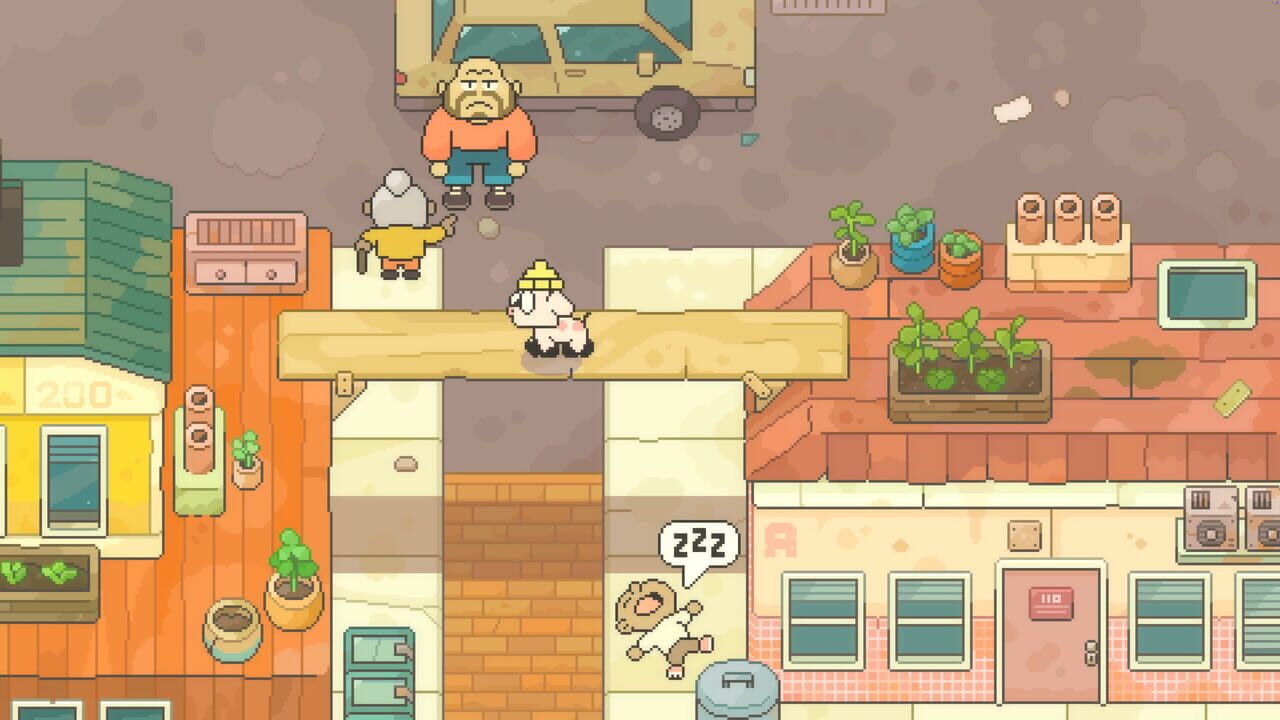
The complaints: length, difficulty and repetition
A score near 90 can make a game sound frictionless. This one isn't, and the criticisms are consistent.
Length. Destructoid finished in about seven hours and says it lacks replay value. Minimap's excerpt on OpenCritic puts it around eight. Short isn't a flaw, but if you want an RPG to live in for weeks, this is more of a weekend visit.
Difficulty. Destructoid found Normal easy and only needed special moves for the final boss. Quest Daily says RPG veterans may find it shallow if the story doesn't grab them. The Indie Game Cafe mentions sluggish movement and possible input lag, and nearly stopped after the first hour before a later sequence changed its mind.
Repetition. Gaming Boulevard found combat less appealing after the halfway point. In a game under ten hours that's not devastating, but it shows the system's ceiling: inventive enough to stay fresh for most of the run, not deep enough to keep opening new doors.
Critics don't frame these as dealbreakers. They read as the marks of a small game that knows its scale.
Why critics care about a mushroom RPG
Reviewers keep comparing it to EarthBound, Paper Mario, Mario and Luigi, Frog Detective, Thank Goodness You're Here! and Night in the Woods: games where comedy gives them permission to talk about loneliness, community, work, food, corporate greed, and the terror of talking to someone when you'd rather be alone in the woods with your pig.
RPGFan says Heavy Lunch has "something deeply important to say about our current moment," but says it "with a smile and laugh." The A.V. Club reads the mushroom focus as a metaphor for community, with people as parts of one interconnected organism. Tech-Gaming calls it an offbeat RPG where conversation matters as much as combat, and empathy matters more than conquest.
Those are big claims for a game about mushrooms. The premise is silly and the craft isn't. The pig wears a beanie and glasses, a corporation threatens the village, and Hermit takes damage from saying something awkward. Out of those pieces, the game finds a real emotional line.
Should you play Hermit and Pig?
If you want a long RPG with deep builds, hard fights and dozens of hours of optional content, this isn't it. It's short, gentle and easy to soften further.
If you want a small RPG with a distinct voice, a strong look, funny writing and a battle system that makes conversation part of the adventure, the consensus is unusually strong. It knows what it is, ends before it wears out its welcome, and turns being uncomfortable around people into something warm, funny and playable. In a year of games asking for more of your time, an eight-hour game that does that stands out.