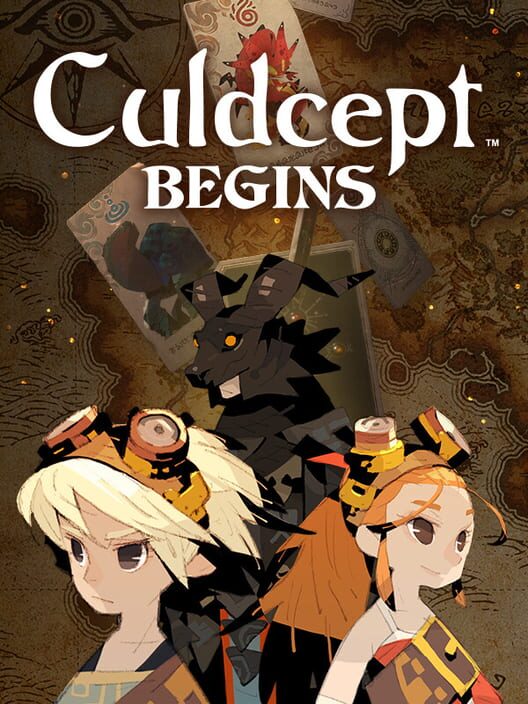
Culdcept BEGINS is reviewing as a strong revival of a series most players have either never played or forgot after the 3DS. OpenCritic lists it at 82 (Strong) from 11 critics, in the top 14% of games on the site. Metacritic's Switch 2 listing is around 81. For a board game, card game and RPG hybrid with a long cult history, that's a real result. It also sounds like a game you come back to in short bursts: tweak the deck, curse a die roll, convince yourself the next match will go better.
Culdcept BEGINS review scores
Culdcept BEGINS came out worldwide on July 16, 2026 on Switch 2 and Switch, from Neos Corporation. It mixes a Monopoly-style board, collectible cards, creature battles, RPG framing and multiplayer strategy. The series dates back to the Sega Saturn, but it's always been small in the West. Critics aren't treating it as a museum piece; they say it works now, mostly because BEGINS makes the old formula easier to enter without flattening it.
- RPG Site, 9/10: Junior Miyai calls it "an excellent deckbuilder/board-game hybrid" that "cured me of my deckbuilder fatigue."
- Nintendo World Report, 8/10: Neal Ronaghan calls it "a surprisingly user-friendly version of a complex game."
- Nintendo Life, 8/10: "fun, addictive, and strange all at the same time."
- Digitally Downloaded: positive, pitching it as Magic crossed with Monopoly.
The praise is for approachability, replay value and building a deck around a plan. The criticism is just as consistent: the story isn't the draw, the presentation is basic, and the dice don't care about your clever build.
Why critics like Culdcept BEGINS
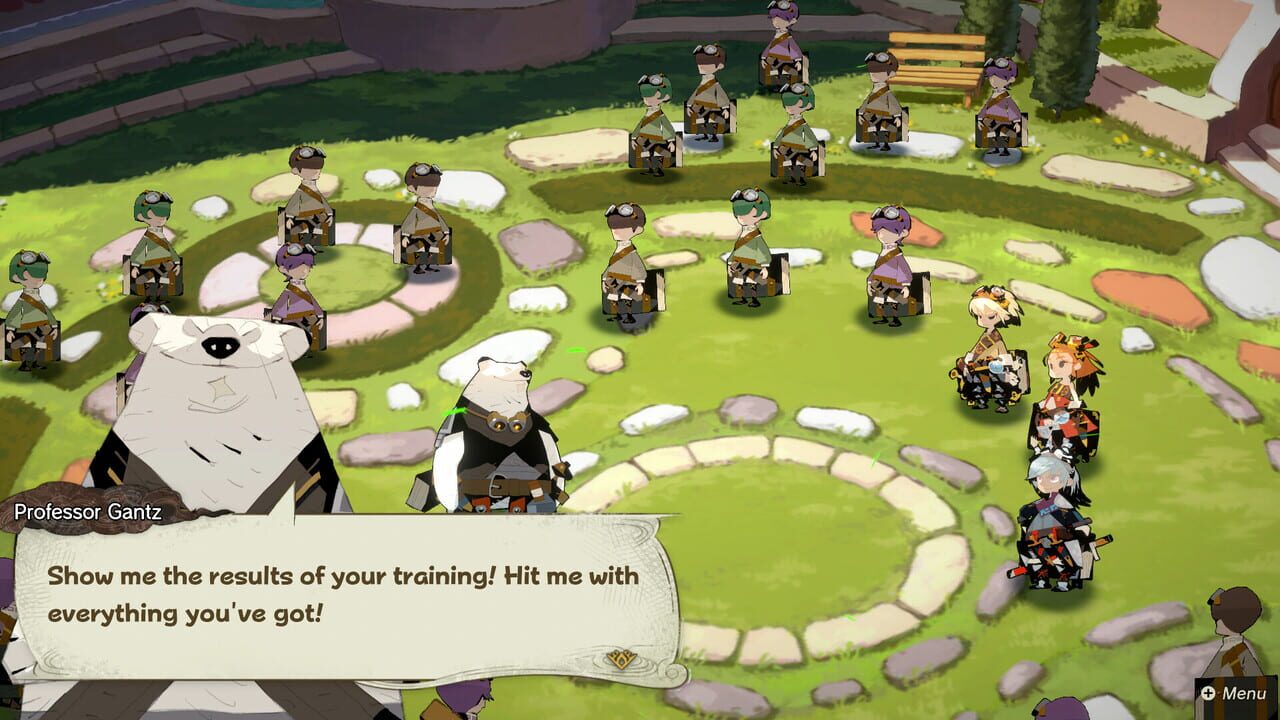
The strongest reviews agree it makes a complicated idea easy to follow. Ronaghan isn't a series veteran, and says he never felt lost because Story Mode is "gentle and well-paced," introducing movement, territory, battles, deck changes, and CPU or online matches in order. Culdcept can scare people off at the rules screen, so that matters most.
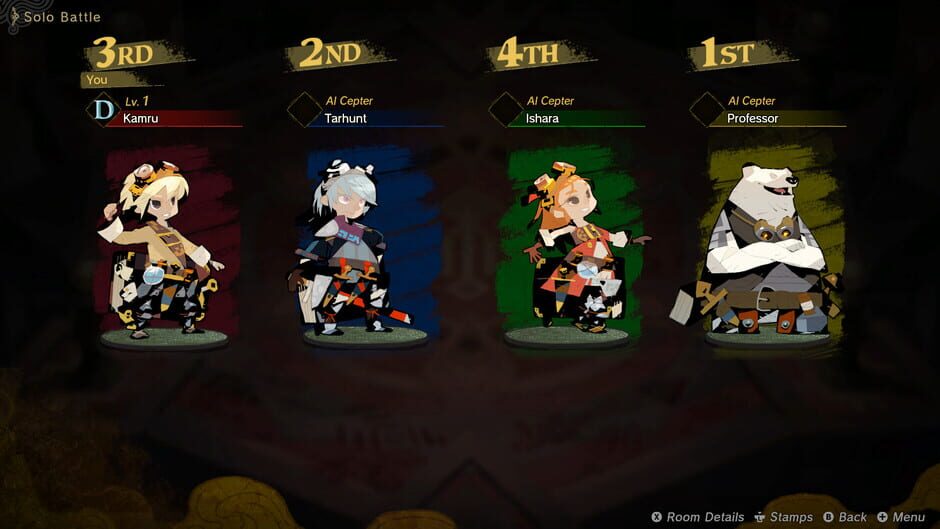
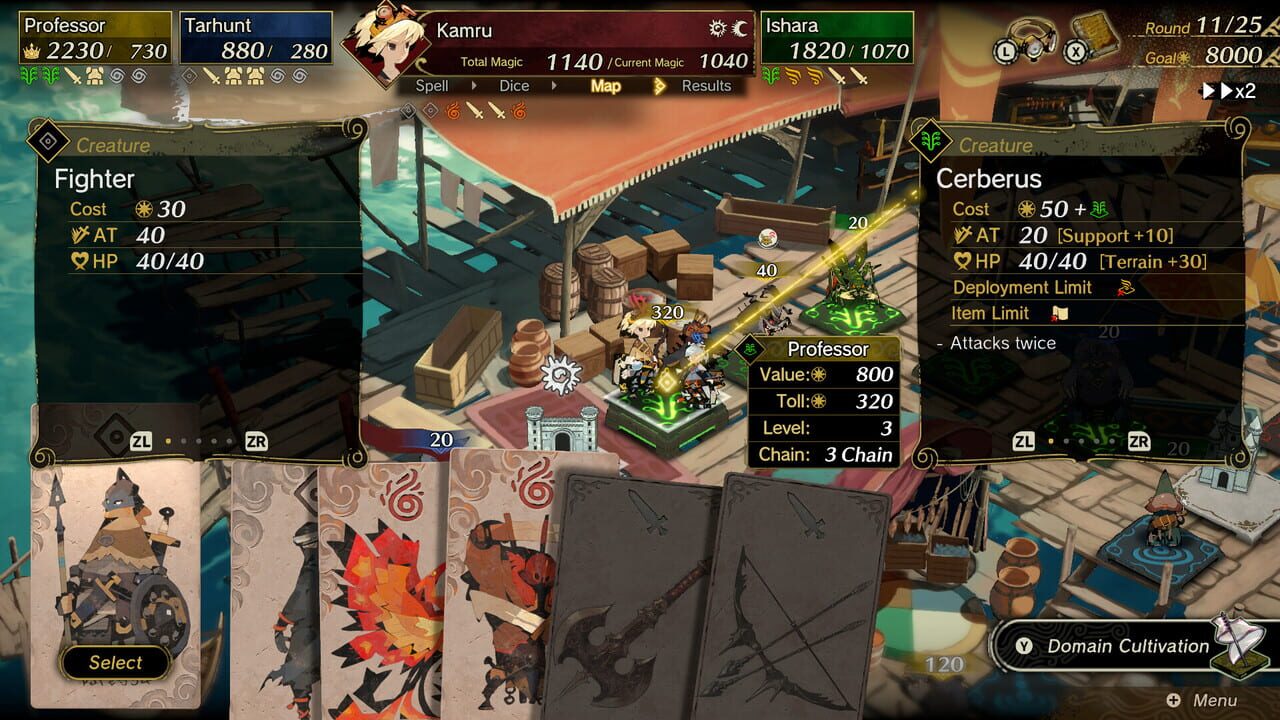
You move around the board, claim territories, upgrade them and collect tolls when opponents land there. The twist is that creatures from your deck guard those territories, and rivals can fight them instead of paying. Equipment, spells, element matching, movement control and board layout all start pushing against each other.
Miyai writes that "no two decks are going to be exactly the same," and points to dice manipulation as one strategy: you can force worse rolls on an opponent, but those cards take space from stronger monsters or gear. Every tool costs you something else. The game asks what kind of nuisance you want to be, not just what good cards you own.
Nintendo Life says it strikes "a very fine balance between strategic depth and pure randomness." Board games live in that mess: too much control and it's a spreadsheet, too much luck and it's noise. BEGINS gets close to the middle, even if some matches lurch towards the dice.
The catch: the dice can be cruel
Culdcept BEGINS isn't praised for removing frustration. The frustration is part of the deal, and the game gives you enough agency to feel you can do better next time.
Ronaghan's warning is the sharpest: "RNG will make you cry." Some matches feel like you've offended "some Greek god of video games" who stabs you in the back with the wrong roll at the worst moment. For some players, that's an instant no.
He also says the deck tools help. The game suggests changes, gives you lots of cards quickly and makes deck management less overwhelming than expected. The randomness becomes something to build around, manipulate, endure or spite.
That's why the scores are strong rather than ecstatic. Critics also say the story is more on-ramp than centrepiece. Nintendo Life calls it "a forgettable inclusion" at worst and cozy framing at best. Nintendo World Report says it's mostly a long tutorial. RPG Site says the early school battles start slow before the stakes rise. Don't expect the fantasy academy plot to carry things; the real story is the one your deck tells after three bad losses and one ugly win.
Who should play Culdcept BEGINS on Switch 2
"Board game and card game people" is too broad. Plenty of card players hate dice, and plenty of board gamers bounce off card text. It suits players who enjoy systems that argue with each other: make a plan, watch it partly fail, rebuild around the failure. If you want clean skill expression, tournament purity or a brisk story, maybe wait.
Nintendo World Report says it looks great and runs well on Switch 2, though it couldn't vouch for the original Switch version, and that GameShare suits this kind of strategy game. Culdcept has always been a game someone has to personally talk you into, and GameShare lowers that barrier if you have the right friend.
Nintendo Life calls it "a great entry point" that keeps the special parts while making the rules easier, with "tons of replayability and depth." Critics aren't saying everything is polished; they're saying the core loop has teeth.
Should you play Culdcept BEGINS?
July was full of louder names: remakes, DLC, sports and familiar brands. Culdcept BEGINS is a niche series with a pitch that sounds like a friend explaining something badly over dinner. An 82 from 11 critics doesn't mean you'll like it. It means reviewers with different levels of series knowledge found the same solid thing under a strange premise.
Nobody disputes that the idea is good. The question is how much dice pain, basic presentation and tutorial-shaped story you'll accept to get to it. Expect your own opinion to swing: furious at the roll that cost you a match, then two days later, six cards changed, sure you finally get it.