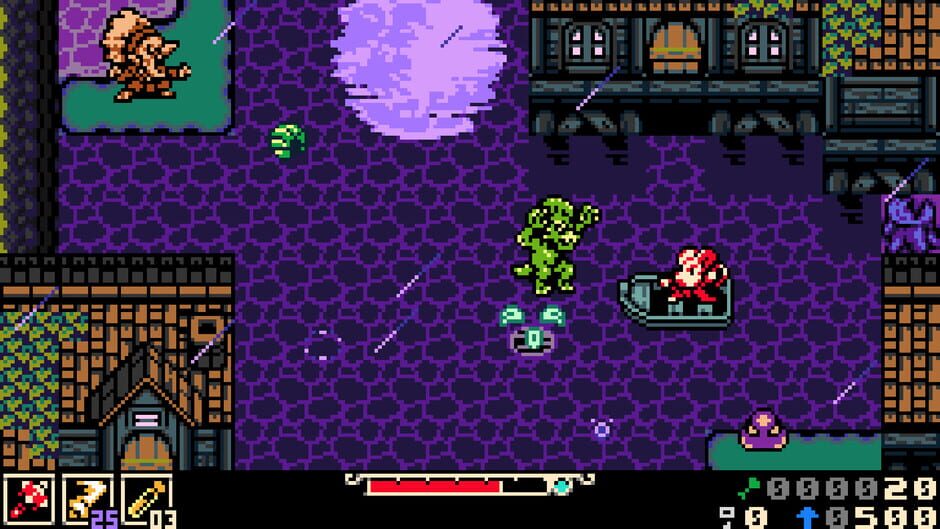
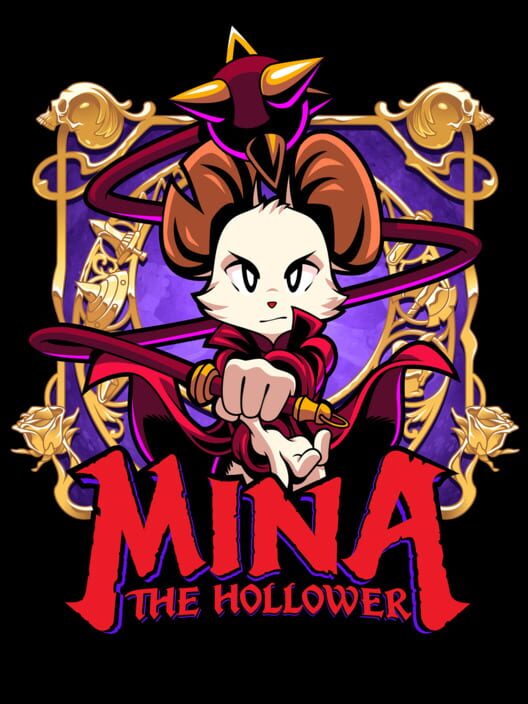
"Game Boy Color Zelda with Castlevania and Soulslike teeth" is a fair description of Mina the Hollower, but it leaves a lot out. The more interesting thing is how much disagreement fits inside a score that looks almost settled.
Metacritic lists Mina the Hollower at 90 on PC from 71 critics: 64 positive, 4 mixed and none negative. Critics broadly agree Yacht Club Games has made one of the year's best retro action adventures. They disagree on whether its old-school stubbornness is the point or the thing that sometimes gets in its way. "I loved this, except the map made me furious" is close to what a lot of these reviews say.
Mina the Hollower review scores
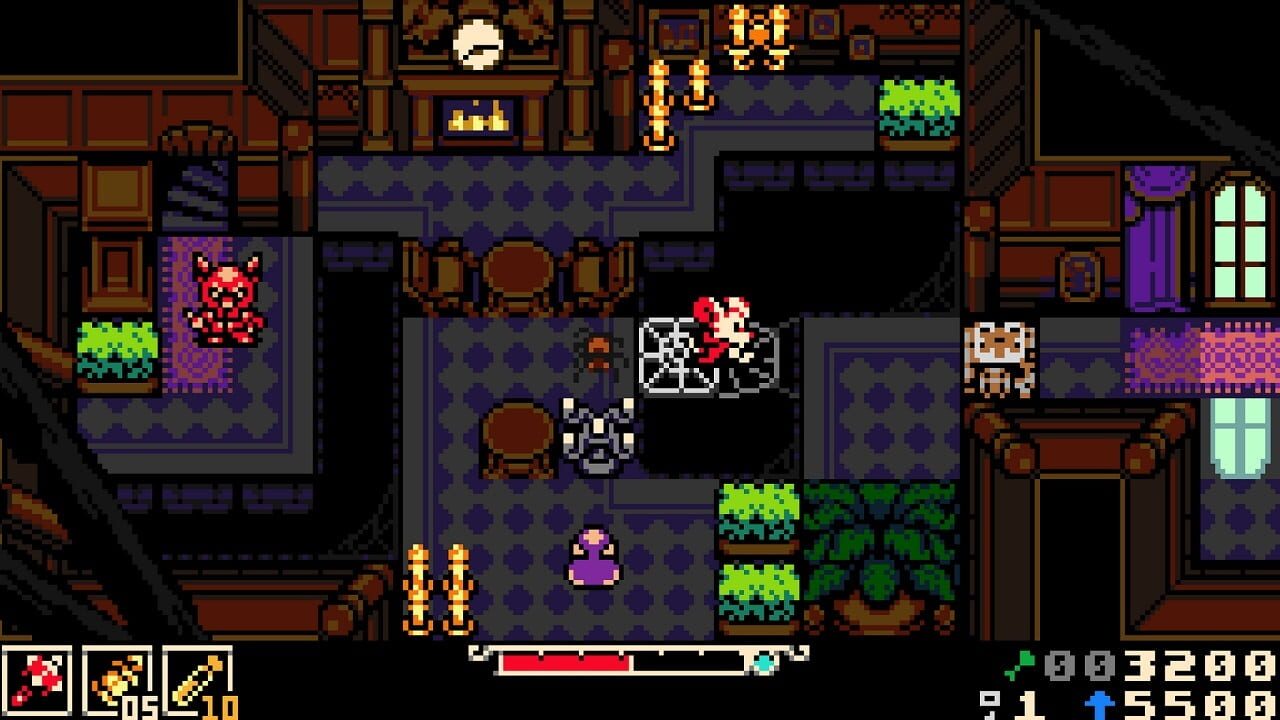
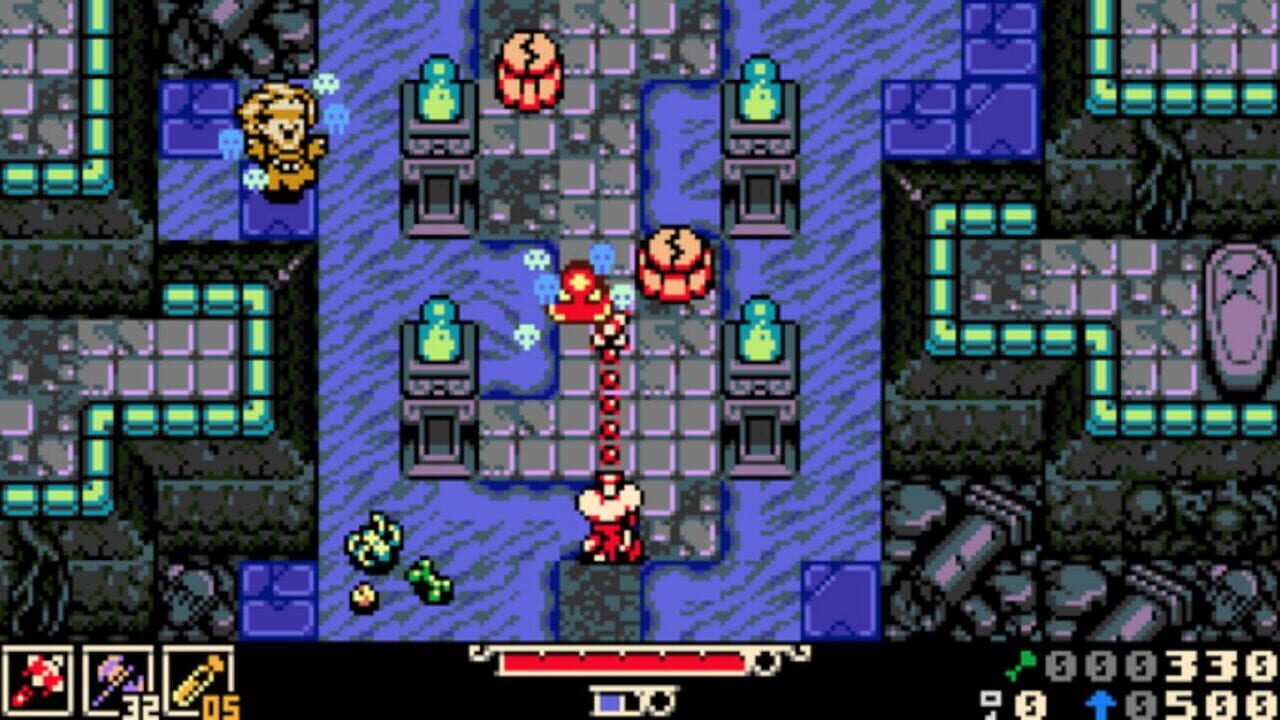
Mina the Hollower is developed and published by Yacht Club Games, the Shovel Knight studio. Steam lists the PC release as May 28, 2026, with some reviews published May 27 at embargo, and system requirements for Windows, macOS and SteamOS/Linux. You play Mina, a Hollower sent to save a cursed island, with burrowing, whip combat, sidearms, trinkets, secrets, bosses and Game Boy Color-style pixel art.
The numbers moved a little after launch. In the first days Metacritic showed 92 from 49 critics, and OpenCritic had 92 with 98% recommending it across 63 reviews. By early July, OpenCritic had settled at 91 from 120 reviews, listing PC, Switch, PS5, Xbox Series X/S and Switch 2 with a May 29, 2026 release date.
- IGN: 10/10
- Eurogamer: 5/5
- TheGamer: 5/5
- PC Gamer: 90/100
- GameSpot: 9/10
- Nintendo Life: 9/10
- Game Informer: 8.8/10
- GamesRadar+: 4.5/5
- Giant Bomb: 3.5/5
Metacritic also shows 100s from RPG Site, The Outerhaven, Player 2, Shacknews, SteamDeckHQ, Cubed3, Screen Rant and DualShockers. The mixed end sits around 70 from GameSpew, TheSixthAxis, Edge and ZTGD.
For players who want exploration, secrets and friction, it's a near-masterpiece. For those who want clear signposting and smooth navigation, it's good and sometimes irritating.
Why IGN gave it a 10
Samuel Claiborn describes a small-looking game with a much bigger interior. You're dropped into a hostile world with "no obviously correct path" and enemies that kill Mina in a few hits. That could be a warning; for IGN it's the hook.
His best line: "Mina the Hollower will burrow into your brain and set up a cozy little house there." He writes about unsolved puzzles surfacing before bed, unreachable corners nagging him on routine trips through town, and working out how much attack power to grind for a secret boss. That's praise for a game that keeps living in your head after you close it.
Claiborn points to Link's Awakening, the Oracle games, Castlevania and FromSoftware, but says Yacht Club does more than stack references. The world is more open than the handheld Zelda comparison suggests, with no simple item gates telling you where to go. Skill, curiosity, upgrades and stubbornness blur together.
The 10 feels defensible because IGN isn't claiming Mina is frictionless. The combat is tough, the world is strange, and the puzzles trust you to remember things, write them down and come back later with a better idea. If that sounds exhausting, the score looks wild; if it's what you miss, it makes immediate sense.
Eurogamer: same enthusiasm, more caution
Christian Donlan calls it an adventure that took six years to build and feels like it. He sees Zelda and Bloodborne, but focuses on the island's density: newspapers, towns, side paths, haunted houses, cursed farms, loose ends and secrets that may not resolve for hours.
He admits it "should all be overwhelming," and often is, while the basics stay simple. You're a mouse with a whip, a burrow move and a few weapons, surrounded by a knot of places, clues, locked possibilities and half-understood problems.
He also makes the best case for a notebook: the most important thing he brought was "a piece of paper and a pen." A book on a high shelf, a blocked bridge, an unreachable train station, a beach where you can see somewhere you can't yet go: these aren't checklist collectibles but promises the game expects you to remember. That's lovely design when you're in the mood, and a lot when you aren't. The same density that makes it feel handmade can make it feel crowded, cryptic or slow to untangle.
What the mixed reviews say
The mixed reviews aren't describing a different game. GameSpew says there's a lot to like if you don't mind a challenge, but criticizes unforgiving combat, accessibility options that lock out achievements and a lack of guidance. TheSixthAxis praises the look, world, bosses and secrets but says poor navigation took away some enjoyment and wanted a better map. Edge says Mina is best when channelling Zelda and weaker when leaning Soulslike or too severe about early-90s design. ZTGD calls it a good game that "cannot get out of its own way."
Mike Minotti at Giant Bomb (3.5/5) argues the Dark Souls influences stop it being the best Zelda-style game it could be, and the Zelda mechanics stop it reaching the best Soulslikes. Push Square says it's great if you love mixing Zelda with Dark Souls and full of roadblocks if you don't. Even GamesRadar+, which loved it, lists the challenge as its main con, warning it "might put off fans looking for a Zelda-like." Pure Nintendo notes there's no map by default.
Critics don't disagree about the quality. They disagree because the quality comes from choices that cost something. The game wants mystery, so it risks confusion. It wants danger, so it risks frustration. It honours old games, so it risks inheriting habits some players were glad to leave behind. The question isn't whether Yacht Club made it well, but whether it's the game you want right now.
What reviewers agree on
Critics like the art, music, density and confidence. SteamDeckHQ calls it "effortlessly confident," understanding that old games worked because of bold design, not old pixels. Player 2 calls it a masterclass in constraints fuelling creativity. Screen Rant says it isn't nostalgia bait and works without old-school Zelda baggage.
Steve Watts at GameSpot: "Shovel Knight was a well-deserved successful debut for Yacht Club. Mina the Hollower may be its masterpiece." Joshua Robertson at TheGamer calls it "an almost faultless game." Kerry Brunskill at PC Gamer calls it "a gloriously gothic combination of ferocious combat and beautiful scenery." GamesRadar+ calls it "one of the best indie games I've played in a long, long time." Kyle Hilliard at Game Informer says it looks like a throwback but its design feels contemporary.
The praise keeps coming back to how well Mina understands the texture of the games it invokes: peering at a screen wondering what matters, fearing one room too far on low health, realizing the odd clue you ignored two hours ago wasn't flavour text.
The criticism keeps coming back to one idea: a game can be deliberately obscure and still need better support. A better map wouldn't make it less mysterious, and kinder achievement rules for accessibility options wouldn't make combat less serious. The mixed reviews aren't asking for the game to be sanded flat, just for it to separate meaningful friction from busywork.
On length and options: IGN rolled credits after about 23 hours at 72% completion and went straight into New Game Plus. GamesRadar+ finished in about 18 hours with collectibles and builds left. PC Gamer notes optional modifiers can make runs easier, harder or stranger, with achievement restrictions the only penalty, and IGN mentions a God mode-style option for getting unstuck that disables Feats.
Should you play Mina the Hollower?
Shovel Knight proved Yacht Club could turn memory into something sturdy. Mina is the harder second act: handheld-adventure visuals stuffed with modern build variety, combat pressure, secrets and long-tail completion. That ambition earns the high scores, and it's why the 70s are worth hearing. When a game tries to be dense, dangerous, cute, gothic, open and old-fashioned at once, some seams show. For one player they're texture; for another, a reason to stop.
If you like games that tell you exactly where to go next, Mina may test your patience. If you like writing down odd clues, getting lost on purpose and letting a game occupy the quiet part of your brain for a week, the 90 is pointing at something real. It's a strong signal for a particular kind of player: the one who sees a blocked bridge, a high shelf and a suspicious line in the town paper and thinks, good, something to do later.