
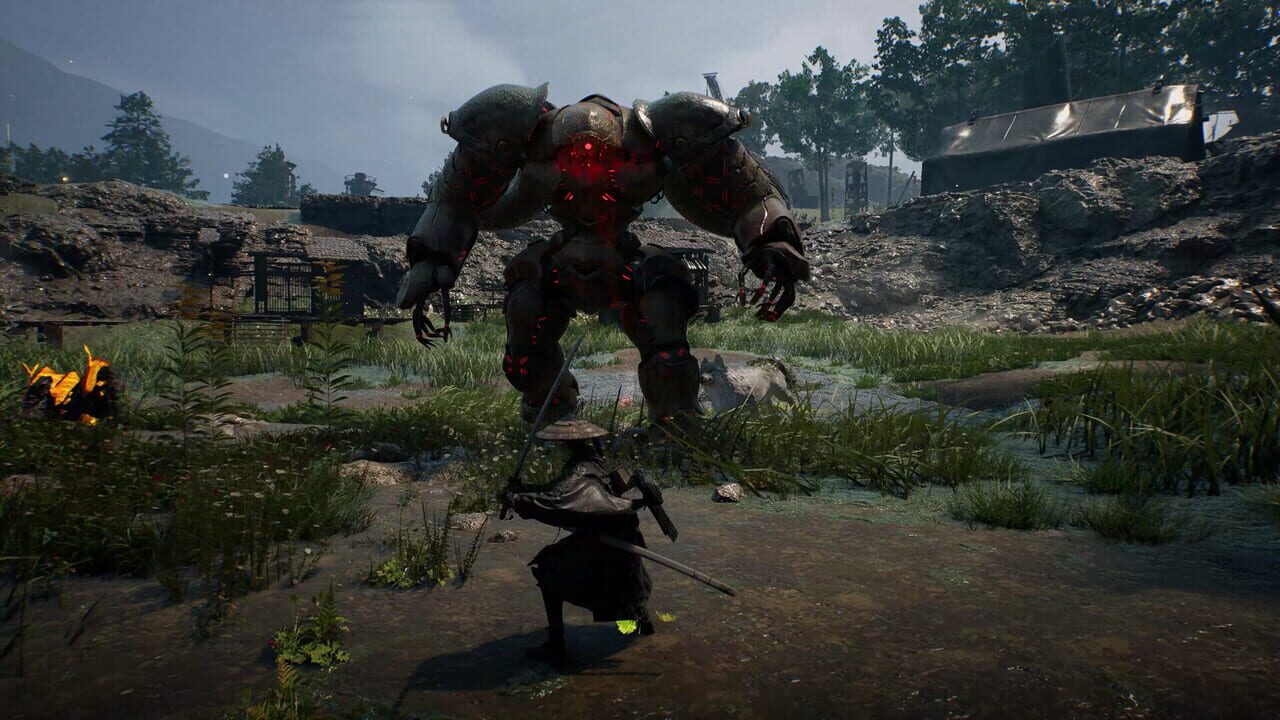
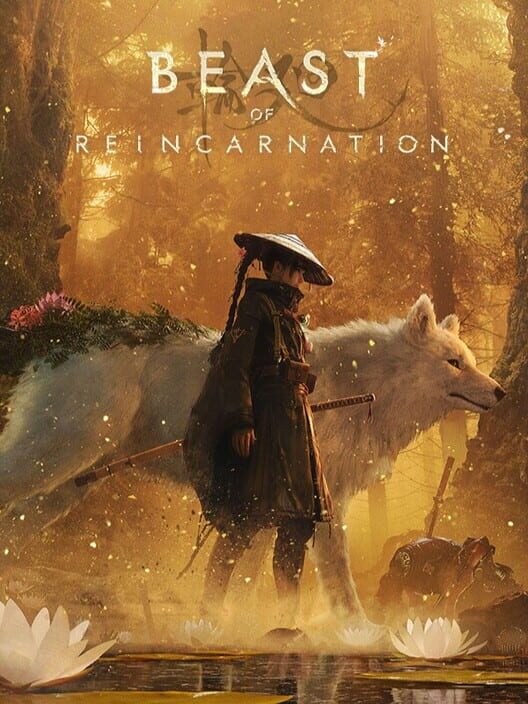
Beast of Reincarnation is the useful kind of messy review story. It is not a disaster, and it is not a clean breakout either. It sits in that more interesting middle place where critics can agree on the ingredients and still come away arguing about the meal.
As of August 5, OpenCritic lists Game Freak's Beast of Reincarnation at a 75.5 top critic average, rounded to 76 on the site, with 66 total reviews, 45 top critic reviews, a 75 median score, and 55 percent of critics recommending it. The spread tells the story better than the average. PC Gamer, IGN, Eurogamer, Giant Bomb, TheSixthAxis, Hardcore Gamer, and DualShockers all describe some version of the same game: a beautiful, melancholy action RPG with Sekiro-style parrying, a post-apocalyptic Japan setting, a protagonist named Emma, and Koo, her infected dog companion. Where they split is on whether the combat, world, and story hold together for 30-plus hours.
The release context matters. Beast of Reincarnation launched on August 3, 2026, with OpenCritic listing PC as the release platform. It also carries a little extra weight because this is Game Freak outside the Pokemon shadow. That makes the critical response feel more loaded than it would for an anonymous studio's first swing at a parry-heavy action RPG. Reviewers are judging the game in front of them, but they are also reacting to the strangeness of seeing Game Freak chase a moodier, more systems-heavy identity.
Beast of Reincarnation review scores: the short version
OpenCritic's 76 average is respectable, but it is not calm. The reviews cluster around a familiar split. The more positive outlets admire the atmosphere, the dog companion, the combat pace, and the confidence of the setting. The cooler reviews keep coming back to repetition, thin enemy variety, uneven storytelling, and a feeling that the game borrows from better action RPGs without fully becoming its own thing.
PC Gamer's verdict is probably the cleanest summary of the generous side: "Mixing close-range action freneticism with a gorgeous, meditative atmosphere, Beast of Reincarnation is fun, admirable, gorgeous and flawed." That review gives it a 73 and seems charmed by the atmosphere even while keeping one hand on the brake.
IGN lands much harder. Its review opens by saying that Beast of Reincarnation has "the makings of something really special," then argues that in practice "nearly every aspect proves to be quite shallow." IGN scores it 60 and points to repetitive enemies, one-note combat, and a story that collects tropes more easily than it earns emotion.
Eurogamer also scores it 60, but the tone is warmer. Its review calls the game "messy and muddled" while saying it is "salvaged by exhilarating combat and traversal, and a surprising amount of soul." That is the split in one sentence. For some reviewers, the soul is enough. For others, the muddle wins.
TheSixthAxis sits around the middle with a 70 and calls it "the perfect 7/10," a phrase that feels almost too neat but does describe the consensus. The outlet says Beast of Reincarnation is "a mass of systems, ideas and interesting design choices that so very nearly hang together." Hardcore Gamer, meanwhile, goes much higher with an 80, calling it "a fantastic ARPG that helps push Game Freak out of Pokemon's shadow." That is the optimistic read: not perfect, not fully disciplined, but proof that the studio can do more than the series everyone knows it for.
What critics agree on
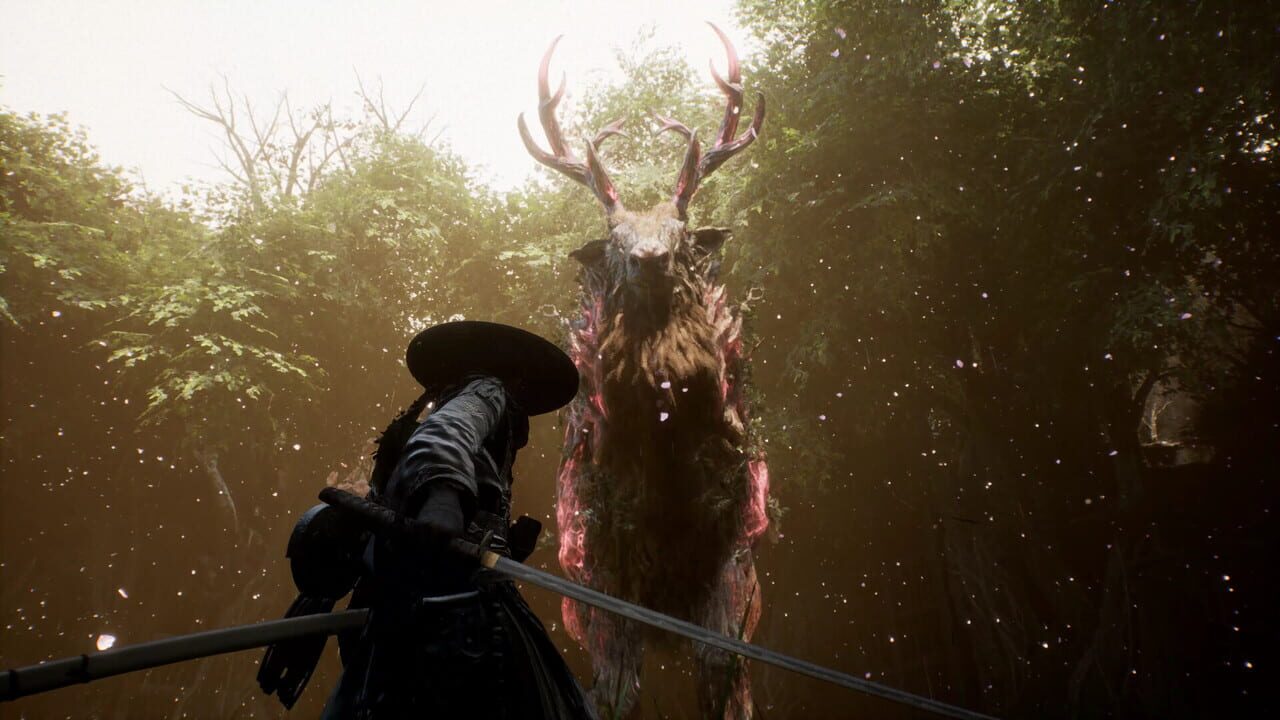
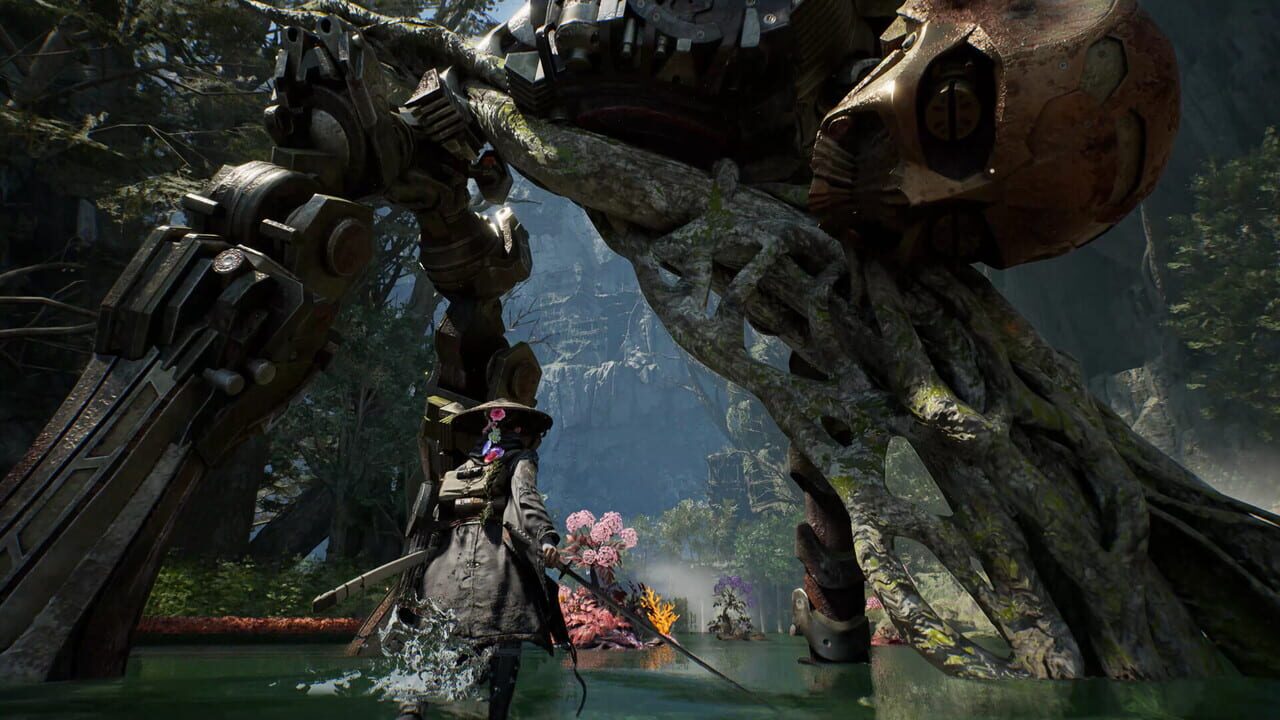
The first point of agreement is visual identity. Even negative reviews tend to give Beast of Reincarnation credit for the look and tone of its ruined Japan. PC Gamer describes an "unusually quiet and patient" game, one with an "elegiac doom" that surprised its reviewer. Eurogamer spends real time with the opening's strange pileup of influences: sci-fi walkers, J-pop, magic dogs, magic hair powers, cursed behemoths, Souls-like campsites, and Sekiro-style parrying. That sounds chaotic because apparently it is, but it also gives the game a texture reviewers remember.
The second point is Koo. Critics keep mentioning Emma's dog companion because Koo is more than a mascot. IGN says Koo's customizable magical abilities help speed up repetitive encounters and can burn through chunks of boss health. TheSixthAxis leans into the emotional side, describing Koo as the first step in Emma's slow movement from empty vessel toward personhood. Even in reviews that criticize the writing, Koo gives the game a simple, readable emotional anchor.
The third point is combat feel, at least at first. The game is built around parries, dodges, fast melee, elemental powers, and companion abilities. PC Gamer frames it as a parry dance, while Eurogamer notes the obvious Sekiro influence. Reviewers who like Beast of Reincarnation tend to like the speed and texture of those fights. Reviewers who bounce off it are usually not saying the combat is broken. They are saying it repeats itself too early and too often.
That distinction matters. A broken combat system gives critics something simple to reject. Beast of Reincarnation seems to have a working combat system that some reviewers simply grew tired of. That is harder to summarize in a score, and it is exactly why the game has this slightly unsettled critical shape.
Where the reviews split
The biggest disagreement is whether repetition is a flaw the atmosphere can carry. IGN is blunt here. It says the game makes you fight the same handful of enemies too often, that bosses repeat attacks, and that beautiful regions settle into a familiar checklist of loot, campsites, and boss fights. Its most damning line is that the game's "paper-thin depth" grows more obvious the longer you play.
Eurogamer notices some of the same things but gives the game more room. Its review says Game Freak borrows liberally from other action games and initially struggles to find an identity. Still, it sees something worth saving in the combat, traversal, and tone. That is a different tolerance level, not a completely different factual reading.
The story gets the same treatment. IGN finds the narrative trope-heavy and emotionally weak. Giant Bomb's OpenCritic excerpt says the plot is "as lifeless as the characters" and calls the environmental design seriously lacking. TheSixthAxis sees Emma's detachment as something quieter and more touching, with loneliness and loss extending from the character into the world. Same premise, very different patience for it.
This is why the 76 average feels slightly misleading. A 76 can mean "solid and safe." Beast of Reincarnation sounds more like "beautiful and uneven, with a few people ready to defend it and a few people tired by hour five." That is a better read for anyone deciding whether to play it.
Why this one matters
Beast of Reincarnation matters because it is a mood test. If you play action RPGs mostly for mechanical escalation, enemy variety, and bosses that keep finding new ways to scare you, the cooler reviews should matter. IGN's 60 is not an outlier in spirit, even if some outlets score higher. The repetition complaint shows up too often to ignore.
If you are drawn to atmosphere first, it becomes a different conversation. PC Gamer's review is full of small admissions that the game surprised it: the quietness, the patience, the melancholy. Eurogamer's review seems frustrated by the mess but unwilling to dismiss the soul underneath it. TheSixthAxis is even more explicit about the story's sadness and the way Emma's detachment fits the world.
There is also the Game Freak question. Hardcore Gamer's 80 frames Beast of Reincarnation as a push out of Pokemon's shadow, which is the line a lot of curious players will care about. Does this prove Game Freak can build a serious action RPG? The answer from critics seems to be: partly. The studio has the eye for creatures, mood, and companion bonds. The less settled part is structure. Beast of Reincarnation appears to have too many borrowed shapes and not enough discipline about when to stop repeating them.
That does not make it uninteresting. Honestly, it may make it more interesting than a cleaner 8/10. The reviews suggest a game with real texture, obvious debts, and some rough edges that are too central to hand-wave away. It is the sort of thing some players will remember warmly because it tried to be strange, while others will remember the fifth familiar fight and quietly uninstall.
Should you play Beast of Reincarnation?
Based on the critic spread, Beast of Reincarnation looks easiest to recommend to players who have patience for uneven action RPGs with a strong mood. If you liked Sekiro's parry rhythm but do not need that level of severity, if you have room for a game that is more mournful than bombastic, and if a giant infected dog companion sounds like enough reason to stay curious, this is probably worth watching.
If you want constant enemy variety, tight pacing, and a story that lands cleanly from the start, the reviews say to be careful. Multiple critics praise the world, but multiple critics also say the game repeats ideas before earning the repetition. That is the fault line.
For Perthro players, this is exactly the kind of game that benefits from a note after a few hours. Not a verdict for the internet, just a private record of whether the mood is carrying you or the repetition is starting to win. Beast of Reincarnation seems like a game where that answer may change between hour three and hour twenty. Those are sometimes the most useful reviews to write down.