
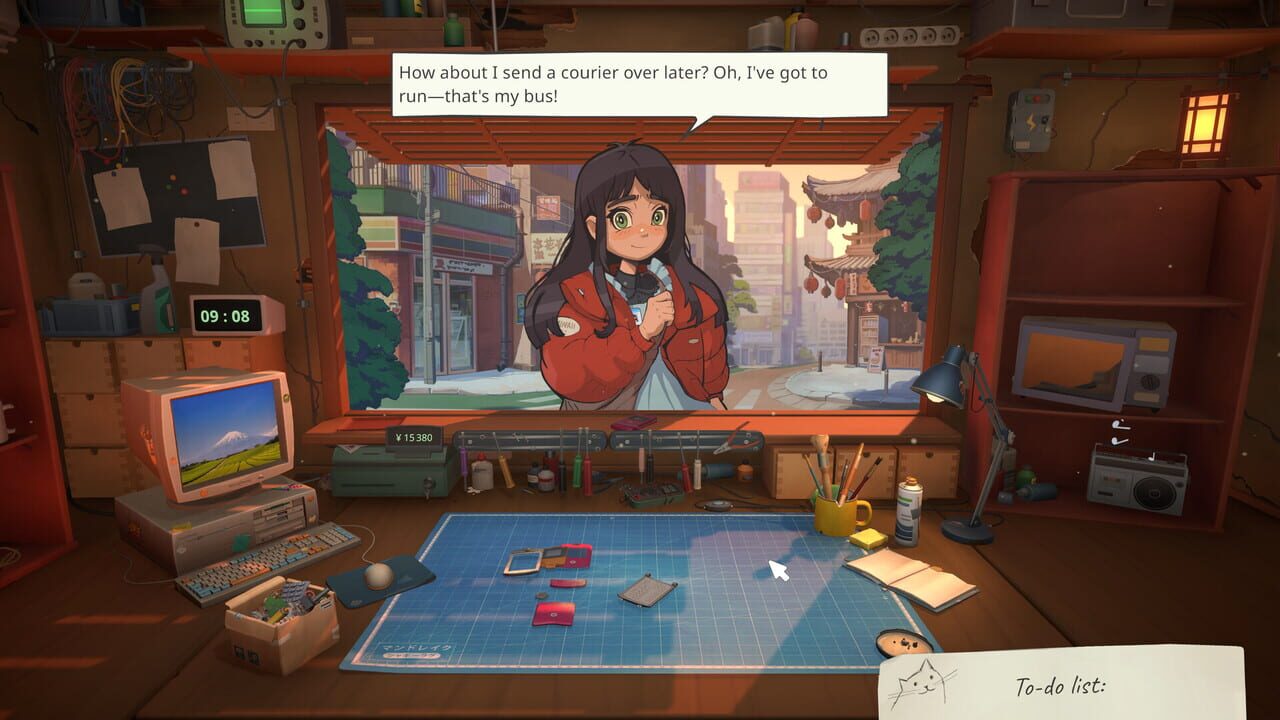
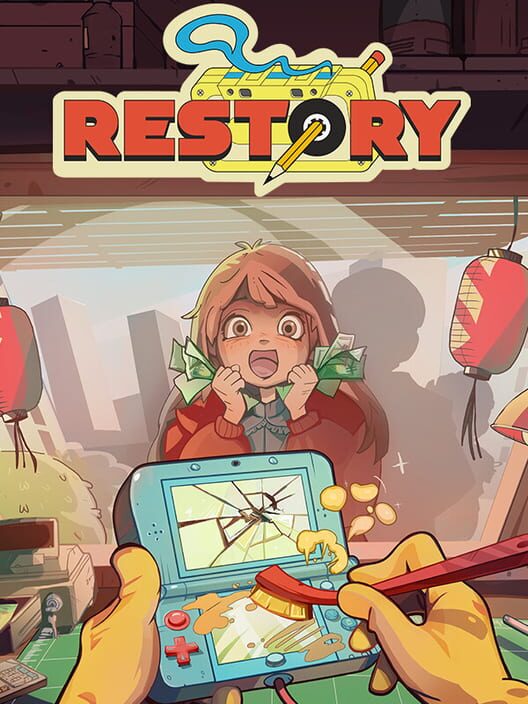
Two PC games released on August 6 came away with unusually strong reviews: ReStory: Chill Electronics Repairs and Sovereign Tower. ReStory is a repair-shop simulator about taking apart old electronics in mid-2000s Tokyo. Sovereign Tower is a kingdom management RPG about reading petitions, sending knights on quests and rewinding bad decisions before the realm collapses. Critics respond to the same thing in both: small systems with work you understand and choices you feel, plus enough friction to stop "cozy" from meaning "wallpaper."
OpenCritic has ReStory at 89 with 90% recommending it from 10 reviews, and Sovereign Tower at 88 with 100% recommending it from five. Those are early pools, but for two small PC games in a crowded week it's a real signal.
ReStory: Chill Electronics Repairs review scores: 89 on OpenCritic
ReStory is developed by Mandragora and published by tinyBuild, released August 6, 2026 on PC.
- MonsterVine: 5/5
- ZTGD: 9/10
- COGconnected: 90/100
- Sirus Gaming: 9/10
- Prima Games: 8.5/10
- DayOne: 8/10
- Pizza Fria: 7.7/10
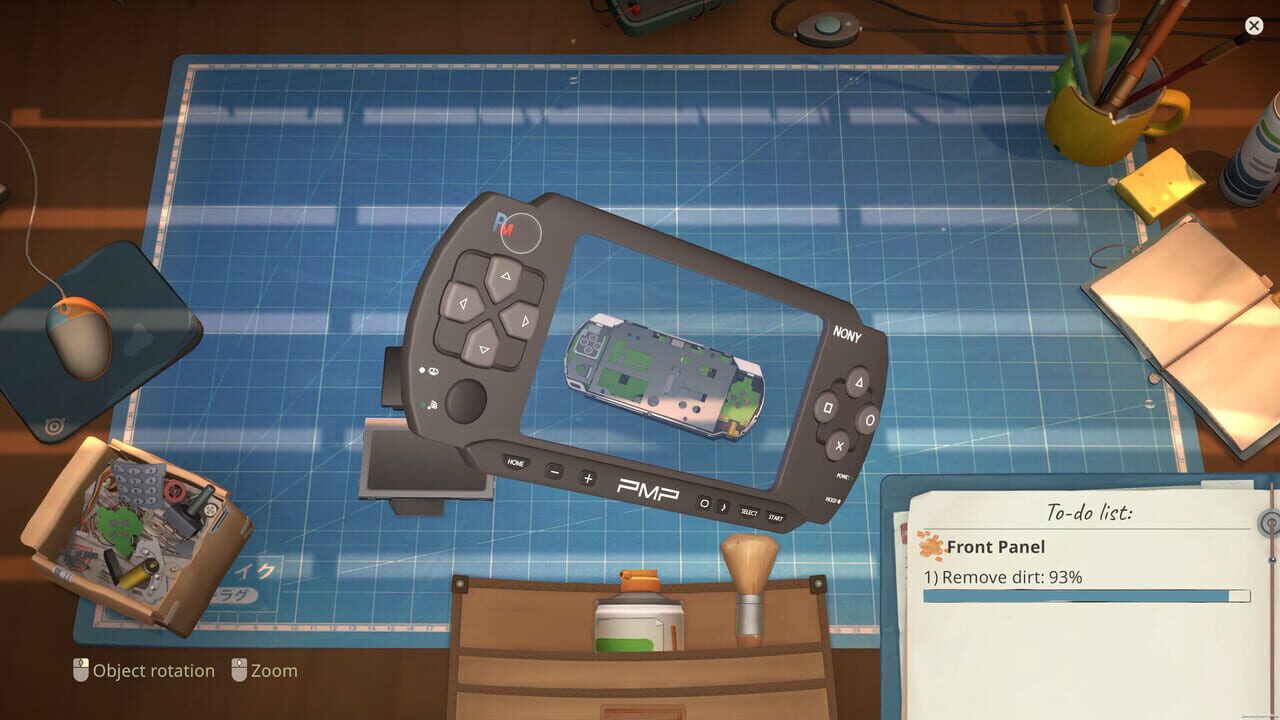
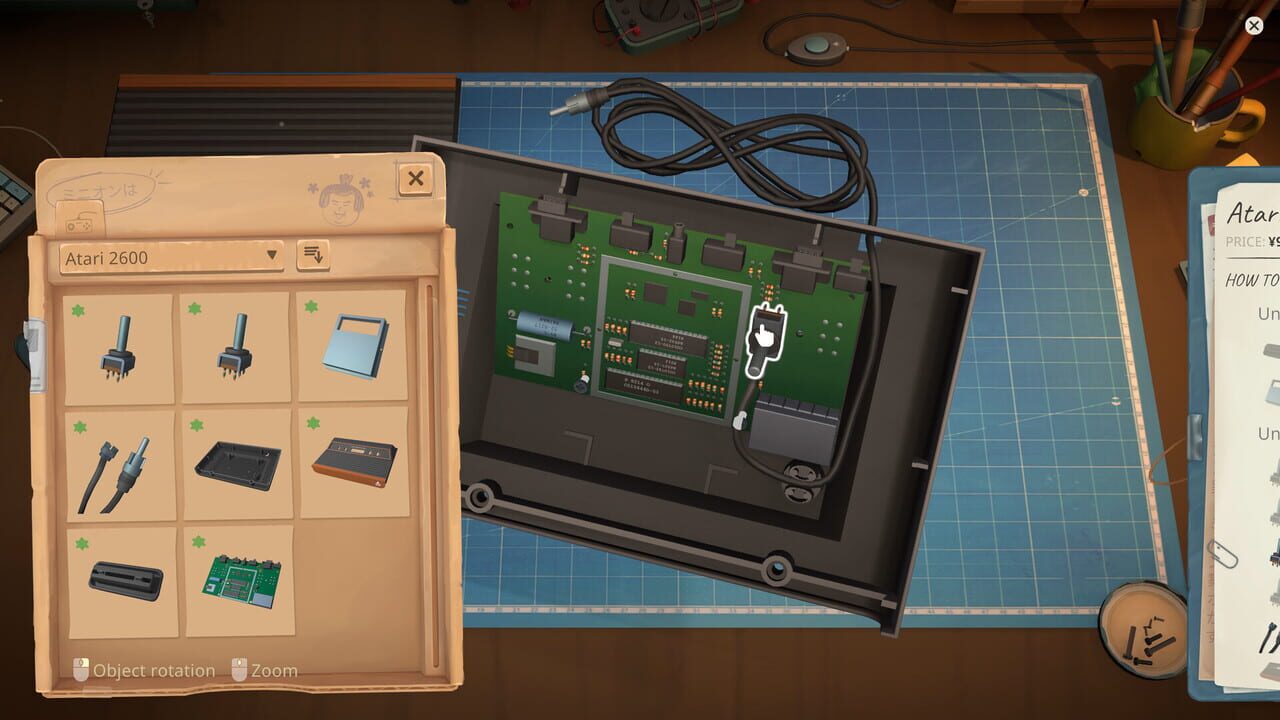
You run an electronics repair shop in mid-2000s Tokyo, restoring old phones, music players, consoles and cameras. Unscrew the case, clean the frame, find the damaged part, replace it, reassemble, and send it home better than it arrived.
That could have been pure cozy routine; most reviews say it isn't. Ali Hashmi at Prima Games calls it "a wonderfully satisfying repair simulator," noting that better tools change how the work feels rather than being abstract upgrades in a menu. Spencer Legacy at MonsterVine calls it one of the most mentally satisfying games he's played, with scrubbing frames and twisting screws oddly pleasant. Terrence Johnson at ZTGD says it will make his game of the year list.
Critics like the physicality: repairs are slow enough to feel deliberate but never a chore. Prima Games praises the lack of timers and shouting. MonsterVine likes how a story and light time structure keep nudging you forward so you aren't fixing the same kind of object forever. Sirus Gaming calls it simple to execute but rewarding of smart choices.
Reviewers also talk about memory: the specific recognition of a chunky phone or old handheld close enough to one you owned. ZTGD opens by remembering Nokia-style phones and the friend who could actually finish Snake. CrazyGameCommunity.it calls it a story about nostalgia and memories.
There's a mild split on depth. Pizza Fria's 7.7 says it wins through care and detail rather than reinventing the genre. DayOne calls it a chill repair sim with a pleasant look and a strange little story. Netto's Game Room says it may not be complicated, but it's relaxing and charming. If you need a sim that escalates constantly, it may feel modest. If you want a focused routine with enough story to carry it, the reviews are unusually warm. Critics aren't saying it's huge; they're saying it's complete.
Sovereign Tower review scores: 88 on OpenCritic
Sovereign Tower came out August 6, 2026 on PC. The Punished Backlog identifies it as developed by Wild Wits Games and published by Curve Games.
- CGMagazine: 9/10
- Softpedia: 9/10
- Gamer Social Club: 9/10
- The Punished Backlog: 8.5/10
- COGconnected: 82/100
It's part visual novel, part management RPG and part Arthurian court simulator. You sit on the throne, hear requests, manage knights, build alliances, send people on quests and live with the results. Time travel gives it shape: bad outcomes aren't always final, but rewinding isn't a magic wand. It's how you test decisions, improve routes and chase better versions of a messy kingdom.
Matt Sowinski at CGMagazine calls it "a fun and deep management RPG with great writing," with time travel that tempts you towards better, or worse, results. Cosmin Vasile at Softpedia calls it surprising, complex and beautiful, with an Arthurian setup familiar enough to welcome you and original enough not to feel stale. Stephanie Richards at Gamer Social Club recommends it for anyone who likes ruling a magical tower, sending knights out and turning back time to fix things.
Amanda Tien at The Punished Backlog gives the clearest trade-off. If you like the king's seat (hearing requests, making decisions, optimizing knights for quests) you'll probably love it. If you don't like details, decisions or reading, it's probably not for you.
The praise is about density. COGconnected calls it charming, cheeky and challenging. CGMagazine opens with the panic of losing a knight, failing a journey and damaging an alliance with only a few cycles left before a major threat returns. The Punished Backlog describes choosing which knights to indulge and which to send on less glamorous jobs. It sounds less like a passive story than a board of small obligations tugging at each other.
It's heavily written, with still character portraits, and asks you to care about requests, consequences, optimization and narrative. The Punished Backlog says the knight min-maxing lifts it beyond a standard visual novel, but it still relies on reading. Gamer Social Club notes visual novels, management games and choice-driven games aren't for everyone. When every critic recommends a game but names the same caveat, listen to the caveat. It isn't a flaw so much as the shape of the game: a sharper version of what text-heavy management fans already like, including the regret of realizing you sent the wrong knight to the wrong job three turns ago.
Which to play
Both make modest premises feel strong because their verbs are clear. ReStory's are physical: clean, unscrew, replace, restore. Sovereign Tower's are administrative: read, assign, decide, rewind. One asks for careful hands, the other careful judgement.
The split is about appetite. ReStory may be too gentle for players who need a complicated sim. Sovereign Tower may be too wordy for players who don't want to sit with decisions and courtly detail.
- ReStory: a tactile, cozy repair loop with a little mystery around the edges.
- Sovereign Tower: a denser management RPG where the fun is making a mess, rewinding and trying to rule better next time.
Neither asks to become your whole life, which is a relief in a week full of louder games.