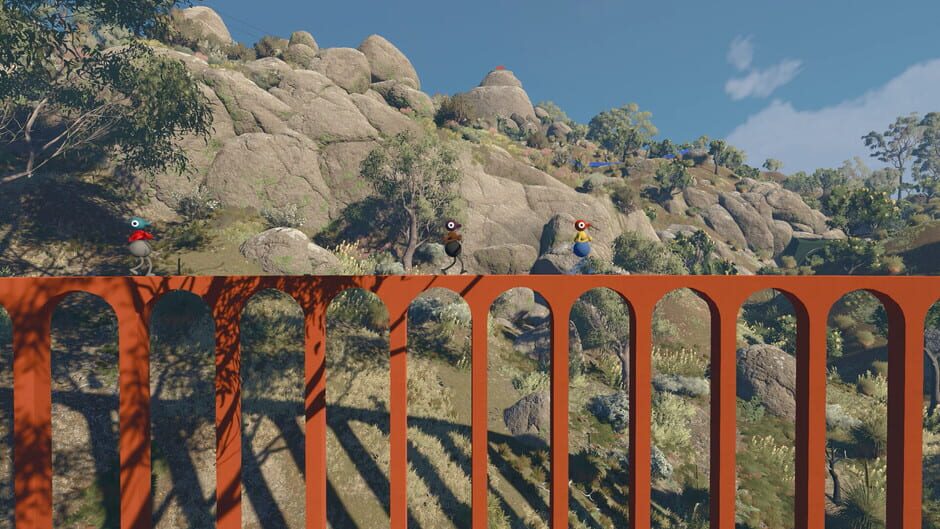
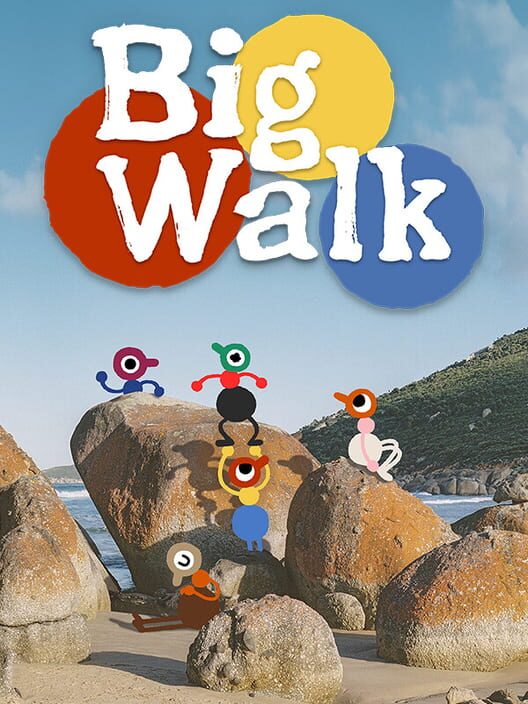
Big Walk is House House's follow-up to Untitled Goose Game: a co-op adventure about getting lost, naming strange objects with friends, and trying to explain what you can see when nobody can hear you properly. That sounds slight until you read the reviews.
OpenCritic has it at 88 from top critics, with 24 reviews (11 from top critics), a 90 median and about 92% recommending it, which puts it in the Mighty tier. Nobody is cool on the idea. The disagreement is about friction: whether the mess, technical rough edges and required communication are part of the spell or occasionally in the way. It's the kind of multiplayer game where what you remember isn't a mission name but the silly word your group invented for an object, or the puzzle you solved by accident because someone pointed with the wrong arm.
Big Walk review scores
Steam lists it as developed by House House and published by Panic, released August 4, 2026 on PC. OpenCritic also tracks a Switch 2 version through Nintendo Life's review. (Our August preview roundup covers the pre-launch impressions.)
- Eurogamer, 5/5: Chris Schilling calls it "a funny, exciting, and deeply rewarding multiplayer adventure," writing about proximity chat, darkness, stray objects, small social rituals and a finale that hits harder because the game spent hours teaching your group to understand each other.
- TheGamer: perfect score.
- IGN, 9/10: Nicole Carpenter calls it "a co-op-only puzzle adventure that relies heavily on shared experience, shared language." The puzzle is often making your group understand what only you can see.
- GameSpot, 9/10: Mark Delaney says it turns basic obstacles and rewards into "something singularly rewarding, supremely mysterious, and totally unforgettable."
- Press Start, 8.5/10
- Nintendo Life, 8/10: Alex Olney calls the design "nothing short of outstanding," but flags the Switch 2 version: 30fps, visual cutbacks, pop-in, low-resolution shadows and lighting problems. If you have another platform, consider using it.
- Screen Rant: around 8/10.
Critics agree it's a design success. The lower scores aren't pushing back on the premise; they're asking how much patience you have for a deliberately awkward, socially dependent game that runs better on some hardware than others.
What critics agree on: communication is the game
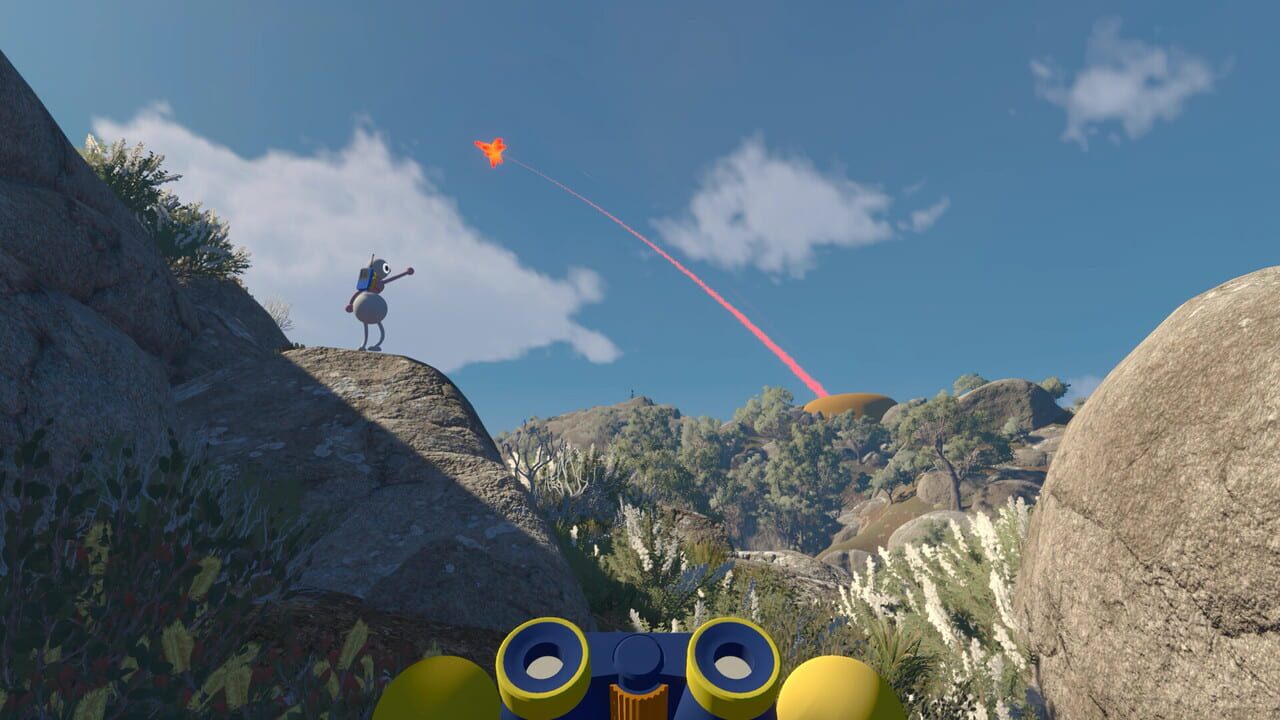
Big Walk treats communication as a mechanic, not a convenience. Proximity chat muffles friends or cuts them off entirely as they drift away. Puzzles split players up, block sightlines, cut off sound or force the group to invent gestures and names. It supports up to 12 players, with puzzles adjusted for group size, but critics' sweet spot seems to be small groups where every misunderstanding matters.
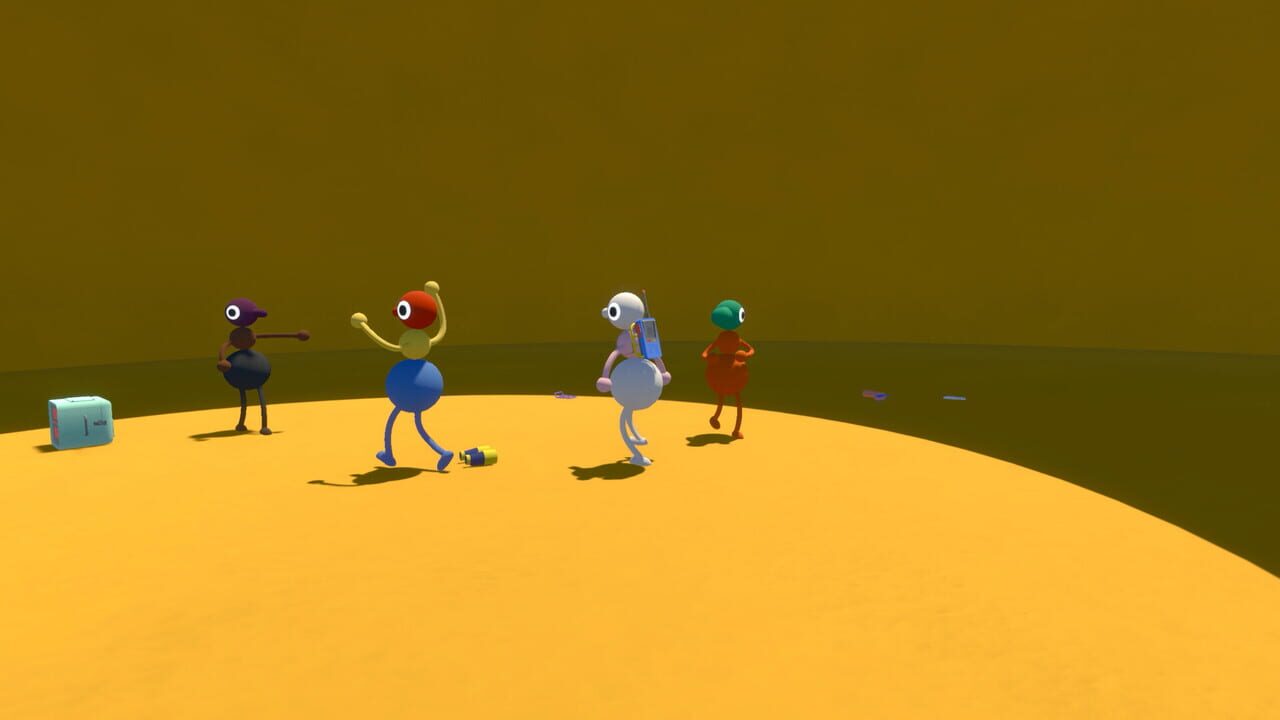
IGN's group started calling the red, peanut-like puzzle rewards "beans," towers "bean towers," and underground passages "the backrooms." Eurogamer's group invented its own names too. The game doesn't label things, so you can't say "take the puzzle item to the marker." You say something much stranger and hope your friend knows what you mean.
In most games that would be annoying. Here it becomes generous, and reviewers keep describing mistakes as memories: an object rolling off a cliff, a flashlight lost at night, someone wandering off with both walkie-talkies, someone stuck looking for a tool they dropped five minutes ago.
It's carefully designed without being over-controlled. Too much direction and the group just follows instructions; too little and the evening becomes a voice call with chores. Eurogamer, IGN, GameSpot and Press Start suggest House House found the middle: a game that knows when to step back but still gives the walk a shape.
Where reviewers split: friction, platform and your group
It's co-op only. If you don't have people you want to spend several sessions with, it loses its centre. The guests are the game.
There's friction. Movement can be clumsy, objects roll away, and getting separated goes from funny to tiring and back. Some puzzles need precision from deliberately silly tools. Eurogamer treats much of that as texture but mentions awkward exploration and getting stuck between rocks. Nintendo Life's Switch 2 notes make it sound like the version to avoid if you have PC.
Press Start's 8.5 strikes the balance: proximity chat is "far from a gimmick," and communication is "as much a mechanic as running and jumping," though some of the work can get tedious. It may be magical with the right friends and maddening with the wrong rhythm. A five-star night for one group could be a three-star evening for another if nobody wants to talk, wander, wait or look foolish.
Why Big Walk stands out
Much multiplayer design is built around progression, retention and frictionless matchmaking. Big Walk wants friction, but the friendly kind, and wants a group to slow down long enough to develop habits.
That's why the best reviews sound personal. IGN talks about shared language. Eurogamer talks about being alone and together, and an ending that tests what you've come to understand about the people with you. Nintendo Life describes playing with a spouse in different rooms while a baby naps. Nobody spends much time on upgrade trees or content schedules; they describe a particular kind of evening: who's in the call, who gets distracted, who names the thing, who carries the light, who falls off the cliff, who admits the ending got to them.
Should you play Big Walk?
If you have two or three friends who like collaborative puzzles and will leave your usual voice chat off, it's an easy yes, and the 88 is backed by reviews that explain themselves clearly. Start on PC if you can; Nintendo Life's Switch 2 notes are specific enough not to ignore.
If your group wants efficient objectives, clear labels, or a game that always points everyone at the next task, be careful. The best moments come from getting a bit lost, physically and verbally. That's the appeal and the risk. If you play it, log the night in Perthro along with your group's name for the red object.