
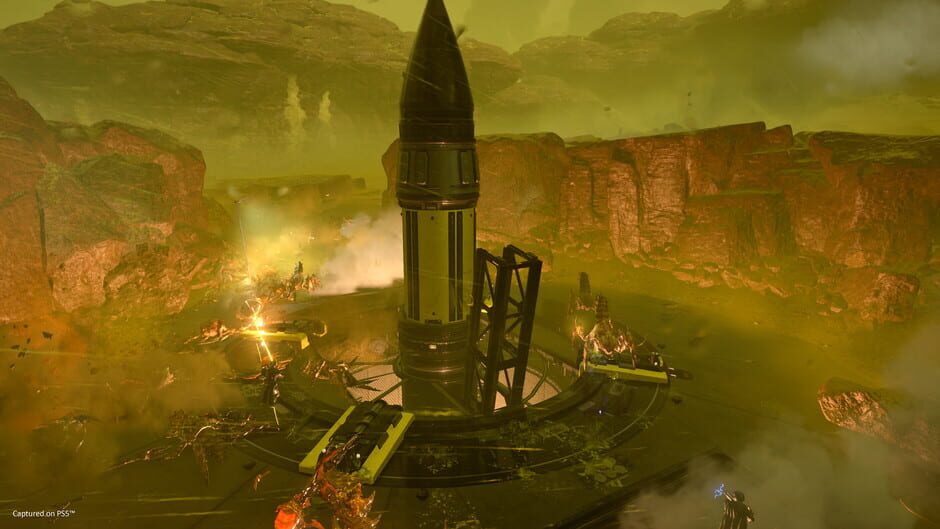
The PlayStation Plus August 2026 catalog update landed on August 12 with four games that have almost nothing in common: Helldivers 2, Kingdom Come: Deliverance II, Vampire Survivors and Hell is Us. Sony's announcement notes that catalog availability can differ by region, so check the PlayStation Store before you plan an evening around any of them.
One is co-op chaos, one is a very long role-playing game, one turns a spare half-hour into three hours, and one is a slower, stranger proposition. A subscription drop makes all four feel urgent at once. They aren't, and here's how we'd approach them.
What's in the PlayStation Plus August 2026 catalog?
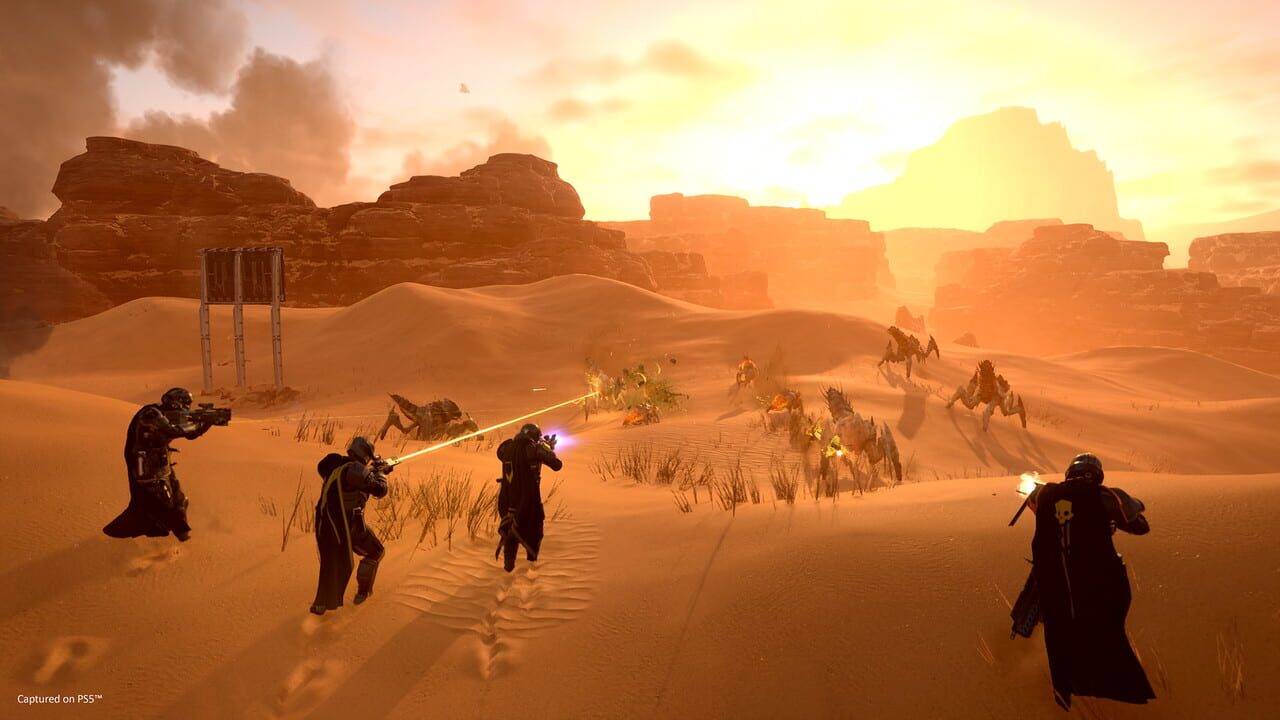
- Helldivers 2: a co-op shooter that lives or dies on who you play it with.
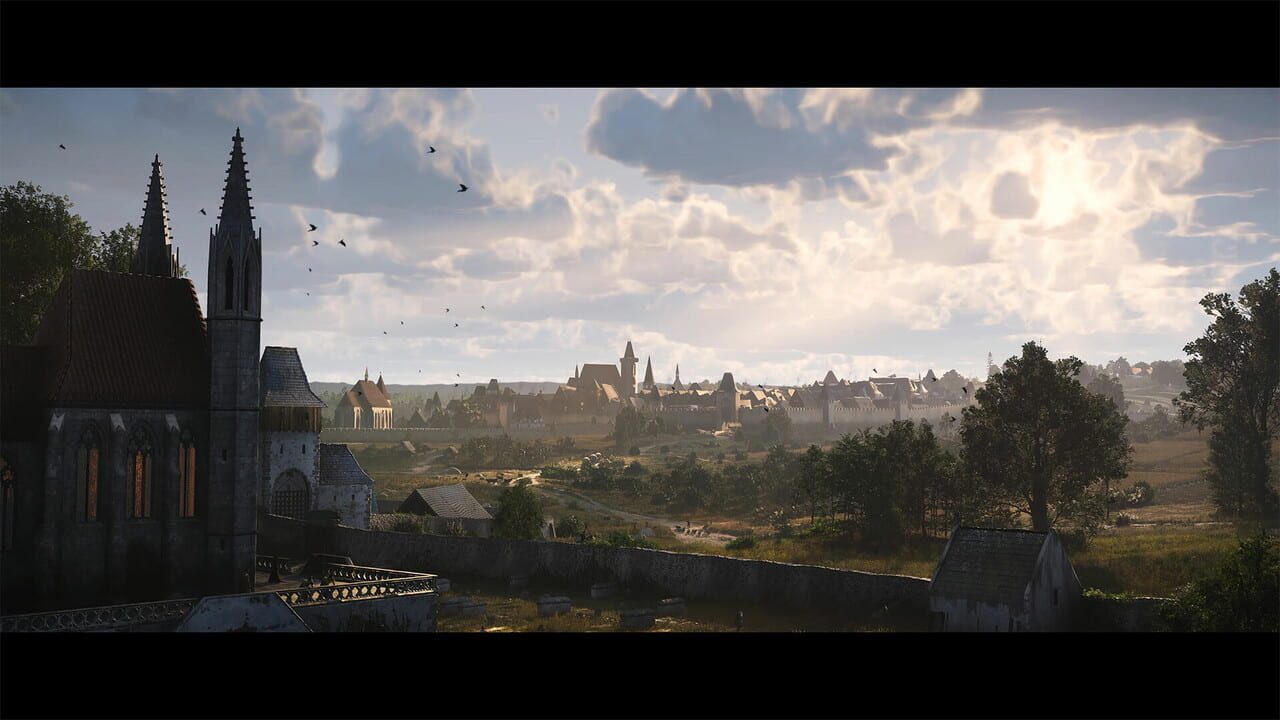
- Kingdom Come: Deliverance II: a large, deliberate medieval role-playing game.
- Vampire Survivors: short runs, one more go, repeat.
- Hell is Us: a more deliberate game that asks for a different kind of attention.
If you're on the right PlayStation Plus tier in a region that has them, all four are available to download now.
A subscription catalog is not a backlog
A catalog is a menu. A backlog is the list of things you've actually chosen to carry. The two blur together when a new batch arrives, the internet starts talking, and a small voice says that if you don't start something now you're wasting the subscription.
You aren't. Being available isn't the same as being owed your time. A game can be worth trying without becoming your next long-term project.
Before you download anything, it helps to put each game in one place:
- Playing if you've started and intend to go back.
- Plan to play if you're interested but haven't made time.
- Shelved if you tried it and it didn't fit your week.
- Played if the experiment is over, whether or not you finished.
The labels matter less than the decision. Without one, every new addition stays half-open in your head.
Which one should you play first?
Pick one game for a proper first session. Not a ten-minute launch, and not three downloads running while you scroll your phone. Then write down what happened while it's fresh.
The question is different for each:
- Helldivers 2: does the co-op loop fit the people you actually play with, on the nights you actually have?
- Kingdom Come: Deliverance II: do you want a long RPG right now? Whether it's important enough to play is a separate question, and a less useful one.
- Vampire Survivors: after the second run, did you want a third?
- Hell is Us: does its pace suit your week, or is it one to save for a quieter month?
A good test is whether you can explain your pick in a sentence. "I want a co-op game for Friday" is a reason. So is "I have forty minutes and want to finish a run." "Everyone says I should play this" is weaker. It might still lead to a good game, but it gives you no way of knowing whether the choice was yours. (Our longer guide on how to choose what to play next goes further into this.)
Write notes, not verdicts
A star rating captures the broad feeling. A sentence captures the reason, and the reason is what you'll want in a month. "Good, but not in the mood for another huge RPG" is more useful later than a five-star impulse. So is "the loop clicked on the second run" or "liked the atmosphere, pace was wrong for this week."
The awkward middle is where most game lists fall apart. A game that's neither a clear yes nor a clear no drifts into a giant wishlist and gets forgotten. A short Next Up list keeps that middle honest: one game, two at most if you switch between long and short sessions. A monthly list works too if you keep it realistic. "August games I might actually play" is a useful shelf. "Everything I should get through before September" is a chore list.
In Perthro, if you connect your PlayStation Network account, the games you already own sit beside the new catalog additions, so you're choosing from everything at once rather than just this month's drop.
Shelving counts as an answer
Shelving a game isn't failing it. Often it means you noticed the game wasn't right for the time you had and stopped pretending another hour would make you enthusiastic. It says something about the fit between the game and your life that month, not about the game.
That's worth recording. A shelved game can come back later without a fresh purchase or a big promise to finish it. A game you played and didn't enjoy can stay done. A game you loved can go into a list you'll want to look back on.
Friends help here too. Seeing a friend's short review of Helldivers 2 or Vampire Survivors tells you why it worked for them, which is often more useful than a score.
The catalog will change again next month and a new list will replace this one. Pick one of the four, give it a proper evening, and write down how it went before the September announcement arrives.