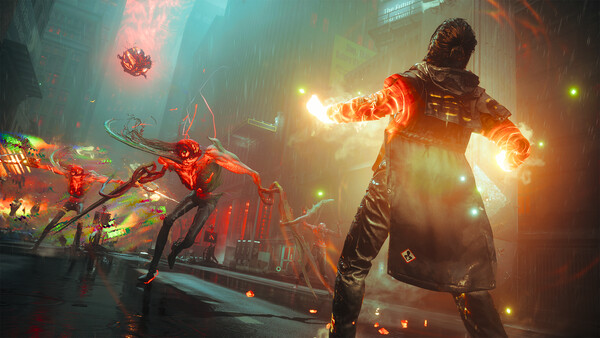
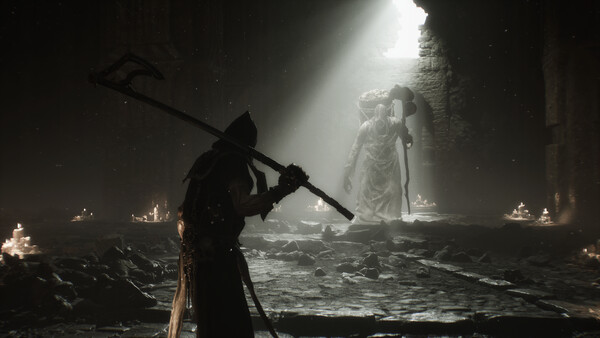
The reviews for Mortal Shell II agree more than most: Cold Symmetry kept the original's identity and fixed most of the reasons people hesitated to recommend it. The sampled scores run from 7.5/10 to 9.5/10, and OpenCritic lists an 85 average from 61 reviews with 92% recommending it as of August 21.
Critics don't all want the same thing from it. Some see a looser, more expressive action RPG that finally escapes the first game's cramped ambitions. Others still feel the bugs, pacing, camera and a habit of explaining very little. But the agreement outweighs the disagreement: it's a substantial sequel, not a modest second pass.
Mortal Shell II review scores
- Developer: Cold Symmetry
- Publisher: Playstack
- Released: August 20, 2026
- Platforms: PC, PS5, Xbox Series X|S
- OpenCritic8592% recommend, 61 reviews
- GameRant9/10
- Shacknews9/10
- PlayStation Universe9/10
- COGconnected90/100
- DualShockers8.5/10
- Hobby Consolas83/100
- IGN8/10
- GameSpot8/10
- Wccftech7.5/10
The changes all pull in the same direction. More freedom in combat, more reasons to explore and more ways to shape a build make the punishment feel less arbitrary and the victories more personal.
The sequel the first game was reaching for
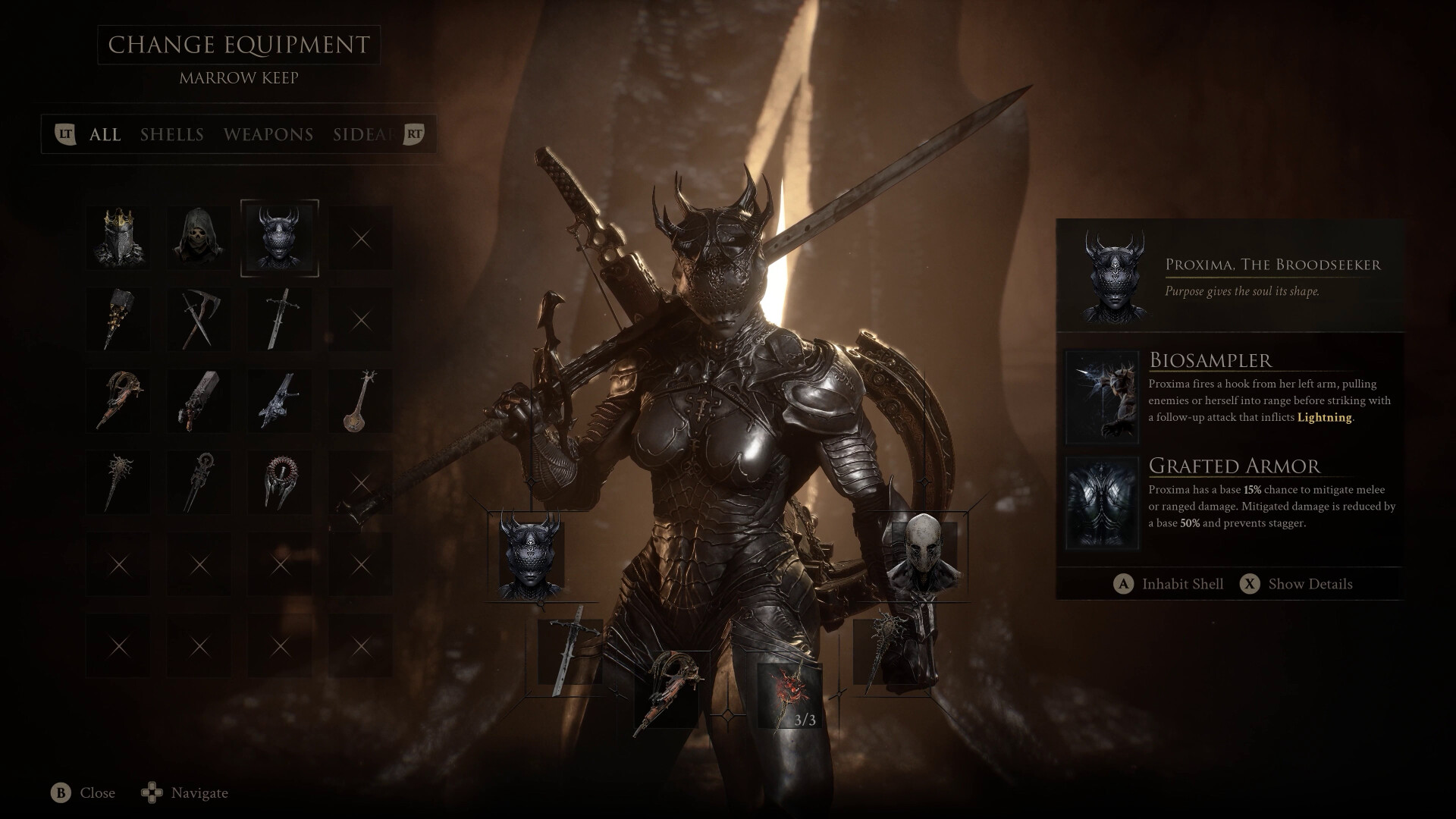
The first Mortal Shell had a sharp premise: instead of picking a class, you possessed the bodies of fallen warriors, and a harden mechanic let you turn to stone mid-attack for an unusual rhythm of commitment, interruption and counter. It was memorable, and also small, obscure and often awkward.
Reviewers frame the sequel as the version Cold Symmetry was reaching for. Pam K. Ferdinand at GameRant calls it "an impressive Soulslike that improves on its predecessor in nearly every way." Marcus Kenneth at CGMagazine calls it "one of the biggest improvements from one entry to the next" he's seen in the genre.
A sequel can grow by adding map, enemies and hours while leaving old problems untouched. Critics say this one grows by making its systems support each other. Eight Shells offer different play styles, weapons and upgrades give them room to develop, and a bigger interconnected world gives you reasons to test those choices. Jarrett Green at IGN (8/10) calls the move to a large-scale action RPG "mostly successful," with good new ideas. That's praise for coherence, not perfection.
No stamina bar
The headline change is the removal of stamina. Soulslikes usually make stamina the tax on aggression: swing too much and you can't dodge, block or escape. Mortal Shell II lets you attack and move without the meter and puts the pressure elsewhere.
That sounds easier, but reviews say it's still severe; you just have more agency within each fight. Combat becomes about positioning, timing, weapon choice, Shell abilities and posture rather than waiting for a bar to refill. Chuck Zimmerheld at Giant Bomb calls it a "fun-forward" Soulslike that values flexibility and variety over raw difficulty. It still wants to hurt you; it gives you more entertaining ways to hurt it back.
Richard Wakeling at GameSpot (8/10) praised constant surprises: newly discovered Shell mechanics, layered combat improvements, strange bosses and the freedom to "make it wholly your own." Critics are responding to expression, not volume. It also gives the game a clearer identity in a crowded genre. It has the bonfires, dropped currency, cryptic lore and punishing bosses, but asks for a different cadence: you can stay active instead of backing off on a schedule.
Exploration that pays off
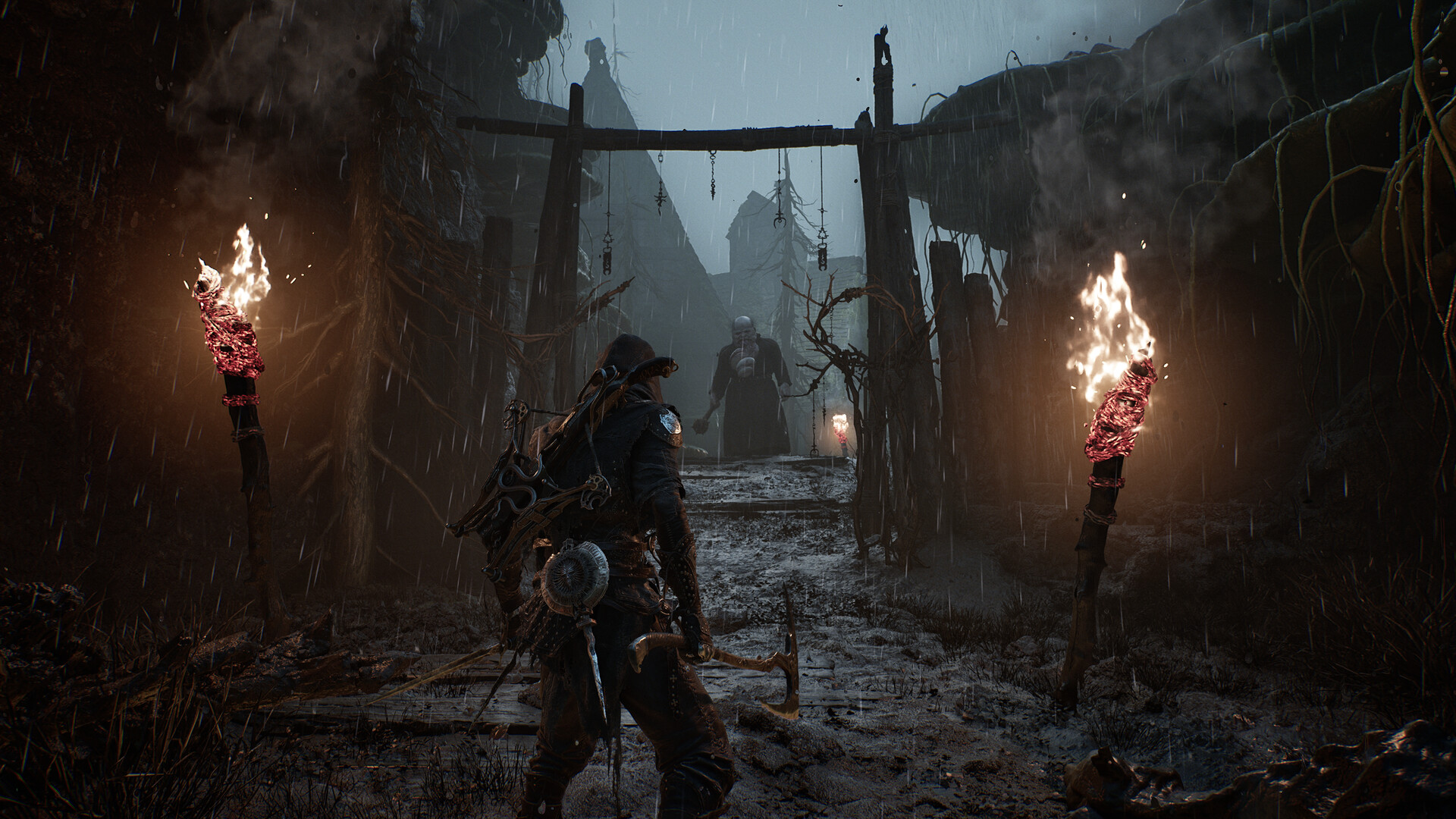
Cold Symmetry describes the world as compact and interconnected, and reviews mostly agree. It's bigger than the original's, but critics focus on what curiosity returns: Shells, weapons, secret dungeons, upgrades and odd encounters.
Kai Tatsumoto at Wccftech gave the lowest score here, 7.5/10, and still called it "frustrating and intriguing," praising its secret-filled world. Even the coolest review sees real improvement; the frustration now competes with genuine discovery. Mark Steighner at COGconnected gave 90/100 while naming pacing, opacity, difficulty spikes and bugs, arguing the overall design outweighs them. A secret feels worthwhile when it changes how you play, and a detour when it reveals a Shell rather than another throwaway crafting item.
Push Square notes about 30 hours to finish while exploring several biomes, fighting dozens of bosses and entering numerous dungeons: broad enough to wander, focused enough not to feel endless.
Where it still cracks
Bugs, especially around bosses. Christian Bognar at DualShockers gave 8.5/10 with a condition: fix the boss bugs and it could sit among the best Soulslikes. COGconnected also mentions bugs, and The Outerhaven points to camera trouble and frustrating progression choices. In a game built on precision, a camera that loses the action turns a hard encounter into a cheap one, and a boss bug spoils the satisfaction of learning a pattern.
The story gets less enthusiasm. Hobby Consolas (83/100) cites a somewhat weak story and a need for more polish. Nobody calls it a disaster, but reviewers spend far more time on builds, Shells, weapons and dungeons. If you want character drama from dark fantasy, note that.
Opacity. Secrets suit the genre, but withholding information can slide into inconvenience, and it's happy to let you miss systems, routes and useful knowledge. Some critics find that rewarding; others see needless friction.
Why the 85 holds up
IGN and GameSpot land on 8, GameRant and Shacknews on 9, Wccftech on 7.5. The criticism changes how strongly critics recommend it, not whether they do. Sam Chandler at Shacknews says it expands every part of the first game while keeping its brutality. Garri Bagdasarov at PlayStation Universe (9/10) says come for the combat and exploration and stay for "the fun and brutality." Critics with different tolerances for roughness agree Cold Symmetry built freer combat, tied it to real build variety and set it in a world that rewards getting lost.
The weaker case is just as clear: the story fades behind the systems, bugs and camera problems can interfere with demanding fights, some mysteries look like poor communication, and if you disliked the first game's grim tone or basic structure, this isn't a reinvention.
Should you play Mortal Shell II?
It suits players who like Soulslikes but want more aggression and experimentation. No stamina, eight possessable Shells, extensive weapon upgrades and compact open exploration give it a distinct pitch. You still need patience, but it doesn't force one approved answer to every problem.
It's a harder sell if you need a strong narrative, spotless technical execution or generous explanation. If boss bugs and camera trouble ruin this kind of combat for you, wait for patches. For everyone else, it's the leap the original needed: the body-possession hook and heavy-metal ugliness, now with the room and flexibility to work. If you pick it up, log it in Perthro and note which Shell made the combat click.