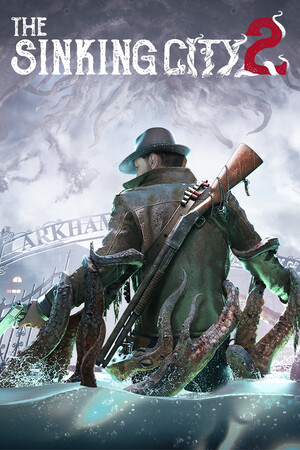
Frogwares made a better-reviewed, easier-to-recommend game with The Sinking City 2 by stepping away from much of what made the original unusual. OpenCritic has it at 81 with 78% recommending it after 59 reviews. Scores run from 7/10 at PC Gamer, Shacknews and Push Square to 9/10 at DualShockers and DayOne.
Most critics say it works. They disagree about what was gained and what quietly washed away when Frogwares traded a sprawling detective adventure for tighter survival horror.
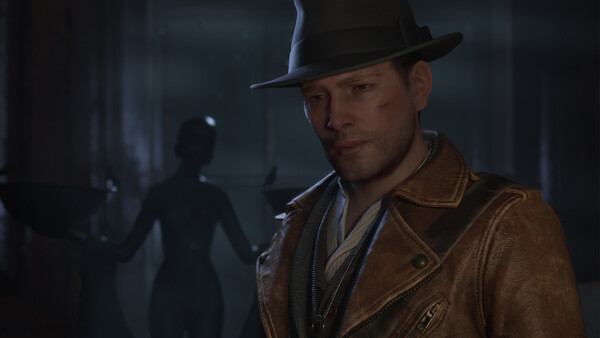
It came out August 18, 2026 on PC, PS5 and Xbox Series X|S from Ukrainian developer Frogwares. It moves to a flooded Arkham in 1929 with a new protagonist, Calvin Rafferty, and needs no knowledge of the 2019 game. It's a sequel in setting and mood more than structure.
Critics agree on the strong atmosphere, tense resource management, grotesque monsters and far better combat than the first game. They argue over whether a familiar Resident Evil-style structure is worth losing the deeper investigation and open-ended exploration.
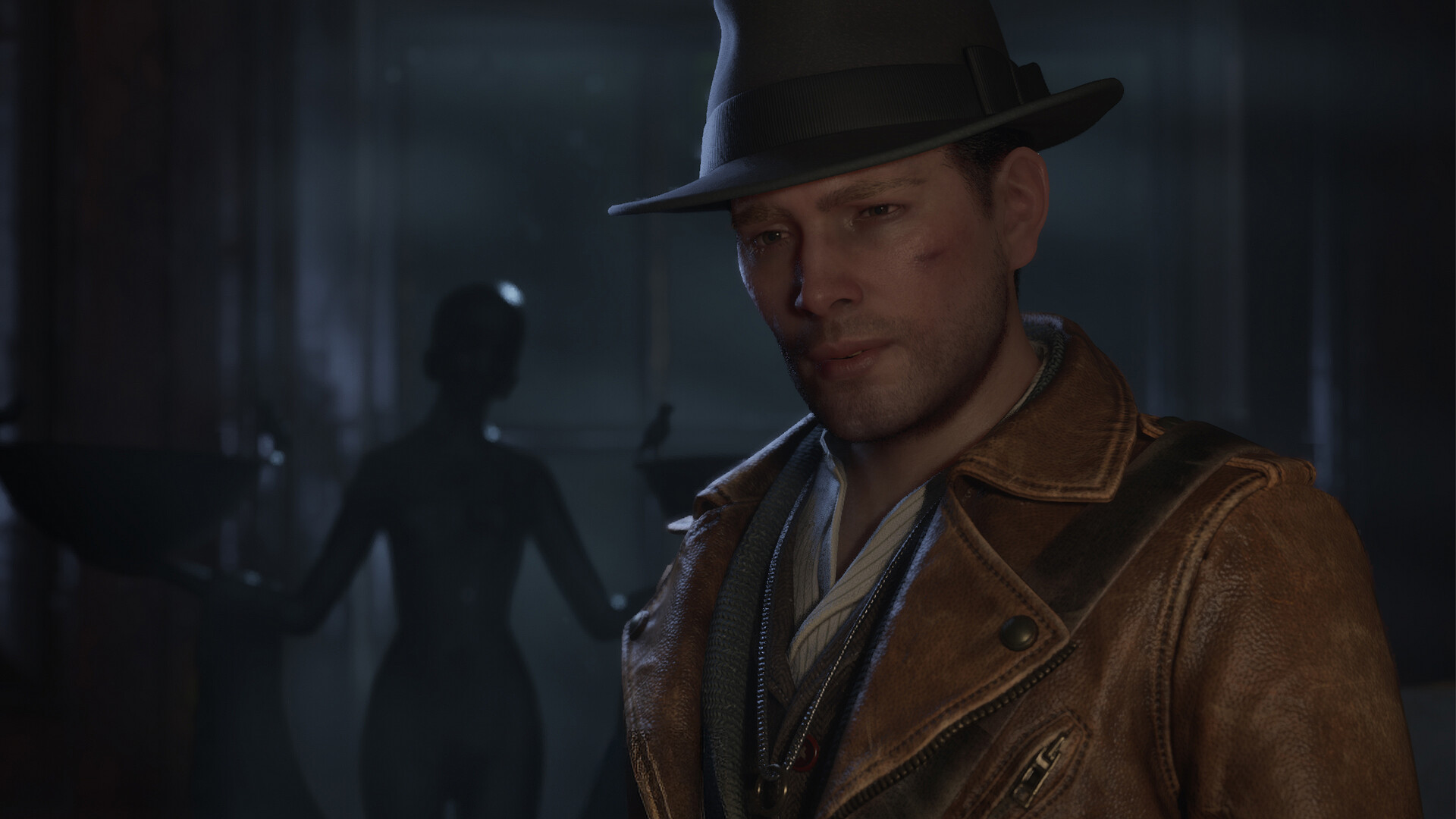
The Sinking City 2 review scores
- DualShockers, 9/10: Eric Warner calls it "an absolute triumph," saying Frogwares "masterfully crafted a survival horror game as their first product in the genre." It praises the world, combat, enemy design, protagonists, puzzles and side activities; complaints are one crash and thin supporting characters.
- DayOne, 9/10: "an exceptional videogame" that deserves a place among great sequels.
- TheSixthAxis, 8/10: its "more polished and focused gameplay" won the reviewer over.
- Push Square, 7/10: Liam Croft calls it "a solid attempt at the classic survival horror formula" with tense resource management and enjoyably absurd puzzles, though performances and production values fall short of the genre's biggest releases. Still "good - sometimes really good."
- Shacknews, 7/10: "a solid evolution for Frogwares," hoping the studio pushes further next time.
- PC Gamer, 70/100: Jody Macgregor: "While the first's open world outstayed its welcome, the second moved on from the city when I'd only just got my feet wet."
The disagreement is unusually focused. The lower scores don't call it broken or boring, and the higher ones don't pretend it has Capcom's budget or polish. Everyone sees the same strengths and limits and weighs them differently. Macgregor's line gets to the heart of it: the sequel fixes the first game's sprawl, perhaps too aggressively. A more focused game can also feel like a smaller one.
What reviewers agree works
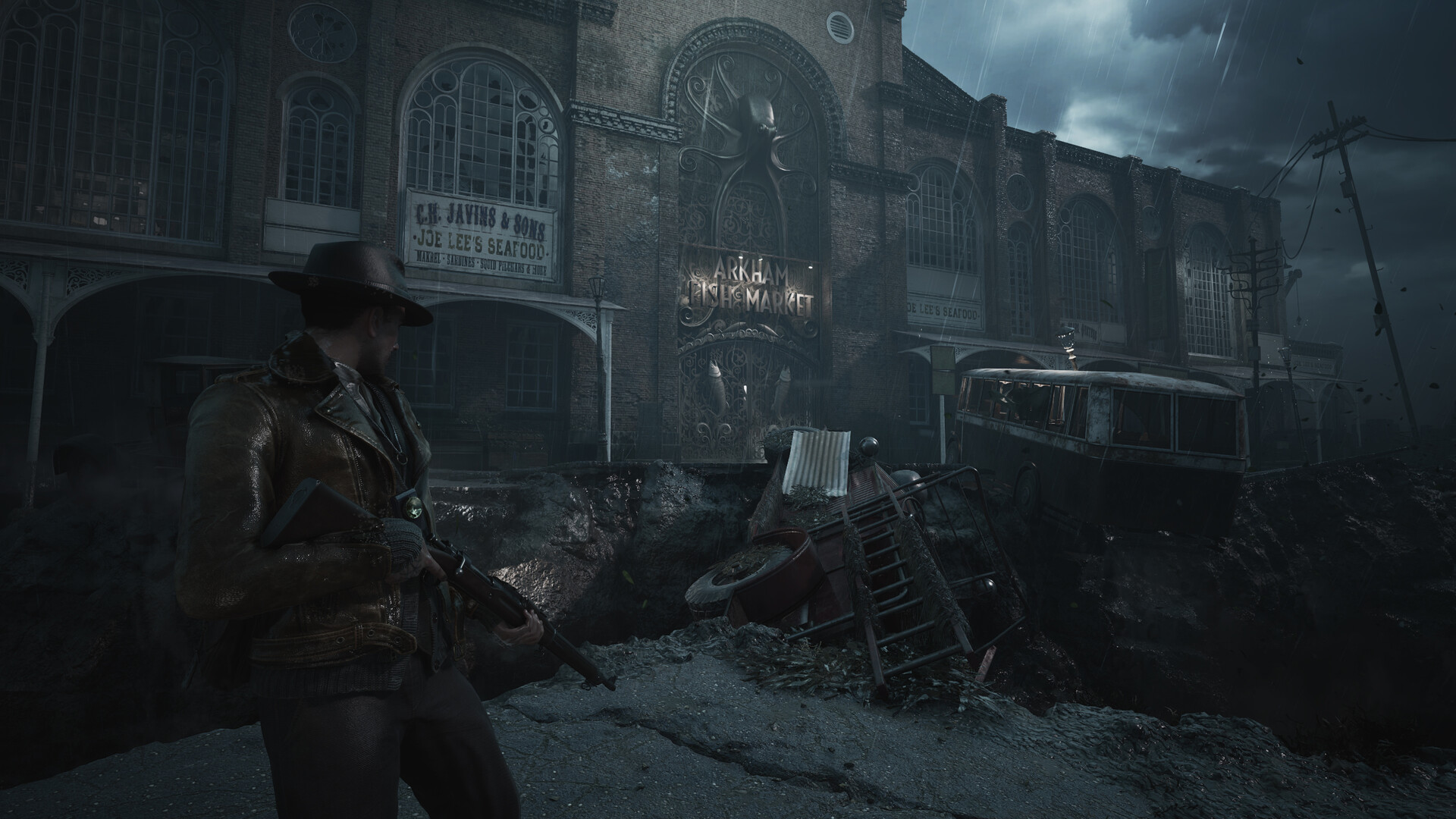
Arkham. Frogwares knows wet, rotting cities. Streets vanish under black water, interiors feel swollen with damp, and the monsters look assembled from marine biology and fever dreams. Survival horror depends on every room feeling slightly unsafe, and critics credit the setting with that.
Combat. The first game had shooting because action-adventures were apparently expected to, and it rarely felt good enough for its encounters. The sequel commits: ammo matters, enemies have readable weaknesses, and resource pressure makes a missed shot hurt. DualShockers singles out combat and enemy design, and Push Square praises the tension of limited supplies.
TheSixthAxis notes the obvious Resident Evil influence, including extra challenges for completionists and speedrunners. It isn't the old detective game with better gunplay bolted on; the routes, rewards, replay hooks and item economy have been rebuilt around survival horror.
Investigations are still there, but smaller and more direct, often folded into exploration or optional activities. Several reviews enjoy the puzzles, especially the pulpy occult ones. The issue is proportion: if deduction was the seasoning for you, you may prefer the new balance. If it was why you played the original, the serving may feel thin.
What the 7/10 reviews say was lost
The concern isn't copying Resident Evil; games borrow structures all the time, and Frogwares uses this one capably. It's that a recognisable template makes a peculiar series less peculiar.
The 2019 game was awkward, overextended and technically rough, but it asked you to investigate without a glowing trail from clue to clue, and its cases could leave you lost, sometimes on purpose and sometimes just irritatingly. That friction was part of its identity. Removing it makes a smoother game, which isn't automatically a better one. Raider King calls the sequel a great survival horror game that can stand beside major releases, then adds, "it is hard not to feel like something was lost in this transition."
PC Gamer's complaint is also about length and scale. A compact campaign helps pacing and replay, but critics who wanted to live in Arkham rather than clear a route through it felt rushed. Depending on your tolerance for padding, that's discipline or frustration.
Production limits show too. Push Square notes performances below the genre's top tier, and other reviews mention technical roughness and less polish than games like Silent Hill 2. When a game invites comparison with the best-known survival horror, every stiff animation and plain conversation stands out.
Why the 9/10 reviews forgive it
Frogwares picked a manageable target and hit it. It didn't just make the old combat less bad; it built a horror game where exploration, scarce resources, monsters, puzzles and environmental storytelling support each other. That's a substantial reinvention for a studio's first full survival horror game.
DualShockers and DayOne point to specific fundamentals: satisfying encounters, memorable protagonists, side activities and a world worth exploring. They treat the genre change as confidence, not retreat.
It was also developed by a Ukrainian studio during Russia's ongoing invasion. That shouldn't replace criticism, and DualShockers explicitly argues on craft, but it's hard to separate the finished game from the conditions it was made in, without that becoming a free pass.
The strongest reviews judge the game on what it is rather than what the series used to be. With no attachment to the first game's investigations, a focused 1920s cosmic horror game with solid combat and an 81 is an easy sell. The loss mostly shows when you compare structures.
Should you play The Sinking City 2?
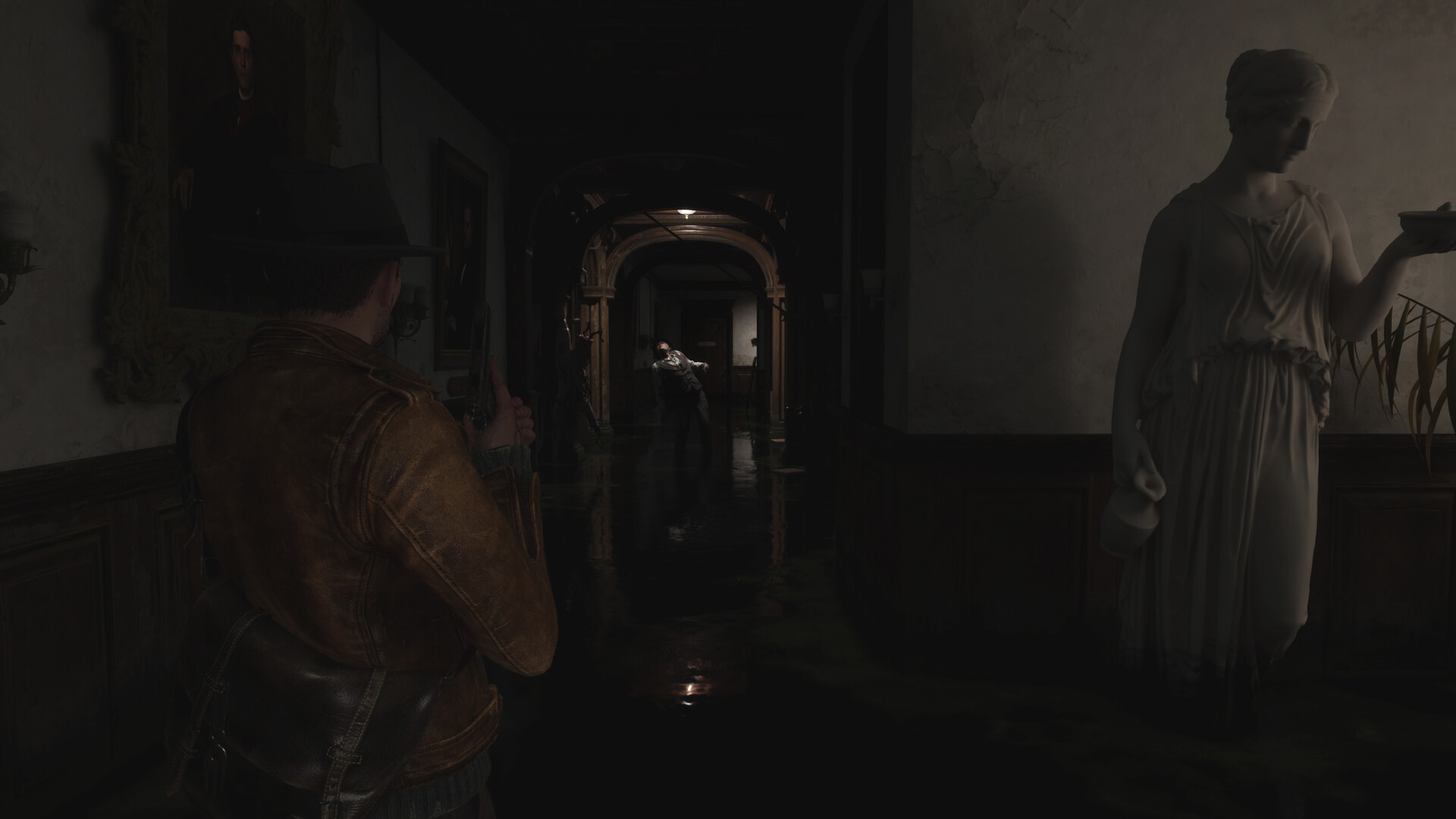
Critics say yes, with a warning about expectations: it's a compact survival horror game in a memorable flooded Arkham, not a bigger detective sandbox. It's safest for players who value atmosphere, resource pressure, environmental puzzles and grotesque creatures, and who can accept some stiff performances and AA-level polish. If you loved the first game for working through elaborate cases, you may be disappointed by how much investigation now sits at the edges.
Critics mostly agree Frogwares made a stronger game; the open question is whether it's also a less distinctive one. For what previews expected before launch, see our August preview roundup.