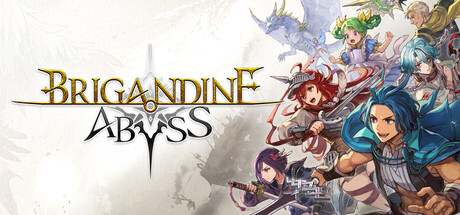
Critics agree on two things about Brigandine Abyss: the strategy underneath is absorbing, and the campaign around it can be a slog. Visible scores range from 6/10 to 8.5/10. OpenCritic sits at 71 from 18 reviews, with 39% recommending it.
Nobody disputes that Brigandine Abyss has systems; it has plenty. The disagreement is whether managing an army, shuffling monsters between commanders and taking territory can carry hours of repeated battles against an enemy that rarely pushes back.
It's developed by Adglobe and published by Happinet and NIS America. PC (Steam) launched August 26, 2026, with PS5, Xbox Series X|S and Switch 2 following August 27. It's a standalone strategy RPG with six Story Mode campaigns and a broader Mission Mode, and newcomers can start here.
In short: a 71-average strategy RPG whose campaign management earns steady praise. Repetitive battles, passive enemy AI, uneven presentation and poor PC performance account for most of the lower scores.
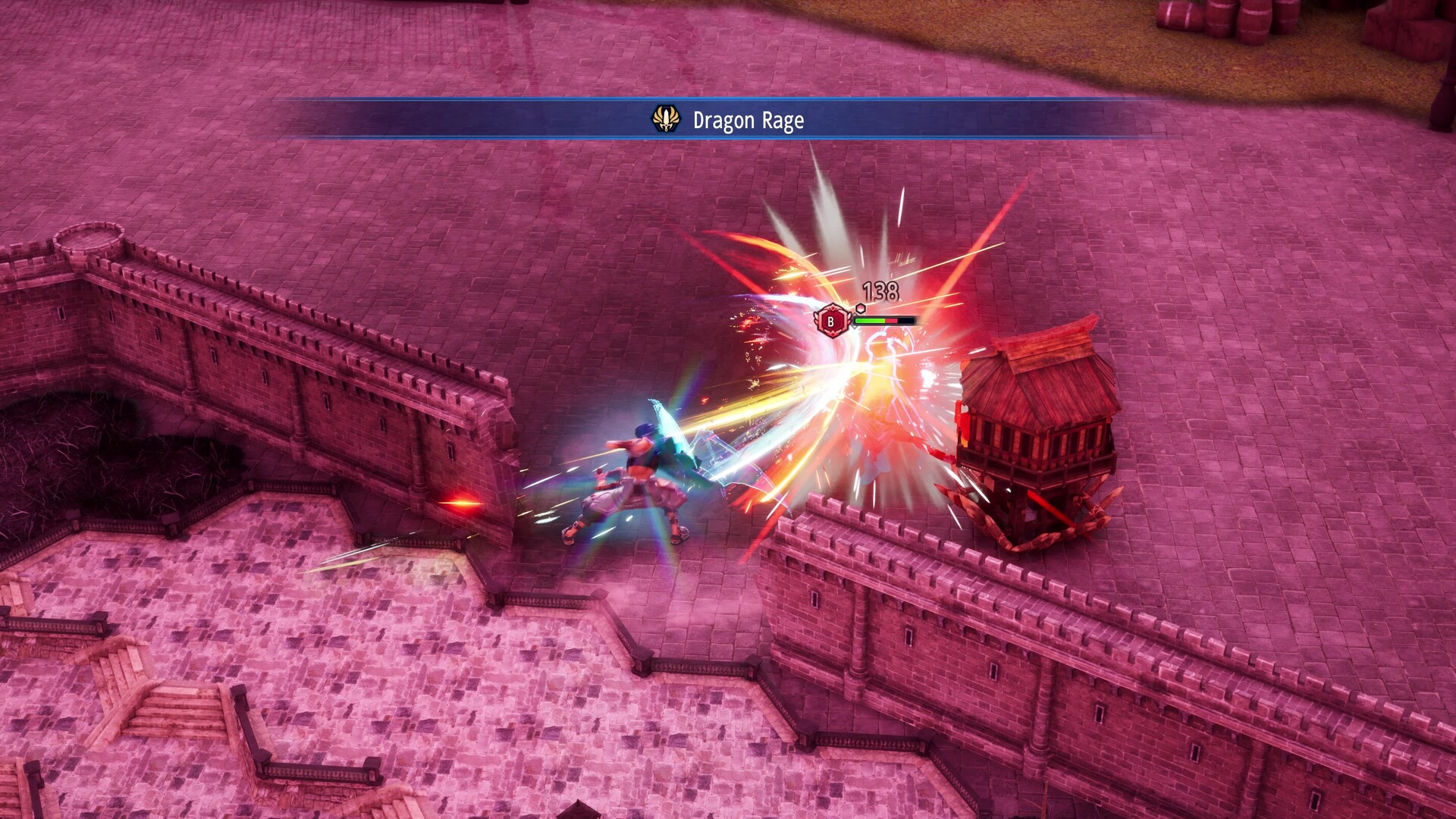
Brigandine Abyss review scores
| Outlet | Score | Main verdict |
|---|---|---|
| RPG Site | 6/10 | Dense systems hurt by balance, presentation and PC performance |
| Push Square | 6/10 | A satisfying grind, but rarely a tense tactical contest |
| RPGFan | 70/100 | Strong management weakened by repetition and lost tension |
| Hardcore Gamer | 3.5/5 | Solid battlefield systems in modes that feel constrained |
| DualShockers | 7.5/10 | The series' best entry, though replay value drops quickly |
| PS4Blog.net | 8.5/10 | The high end of the visible range |
A low-70s average can suggest a decent game with small faults, but fewer than half of critics recommend this one, which points to a narrow audience. Even the low scores find parts of the loop that work. RPG Site, Push Square and RPGFan are frustrated by repeating those parts too long, often against an opponent not clever enough to make the repetition meaningful.
What works: the campaign layer
Brigandine is more than a string of tactical maps. You pick a faction, expand across a continent, assign leaders to bases, recruit and organize monsters, equip units and decide where to attack or defend. Battles are one piece of an ongoing territorial war.
Ben Love at RPGFan calls the grand-strategy foundation satisfying and arranging each leader's monster retinue "quite addicting." Army composition is a problem you keep revisiting: leaders have command limits, monsters fill different roles, and progression opens new combinations.
Murillo Zerbinatto at DualShockers (7.5/10) praises the quest and base-progression systems, individual unit skills and the Rally command, which lets a monster channel traits into a leader and gives you reasons to keep a creature beyond its combat value. He calls it "a clear step forward for the franchise's formula." Hardcore Gamer also credits battlefield positioning and unit variety. The game is often at its best between turns, looking at a damaged force, a vulnerable border and competing priorities.
What doesn't: battles without teeth
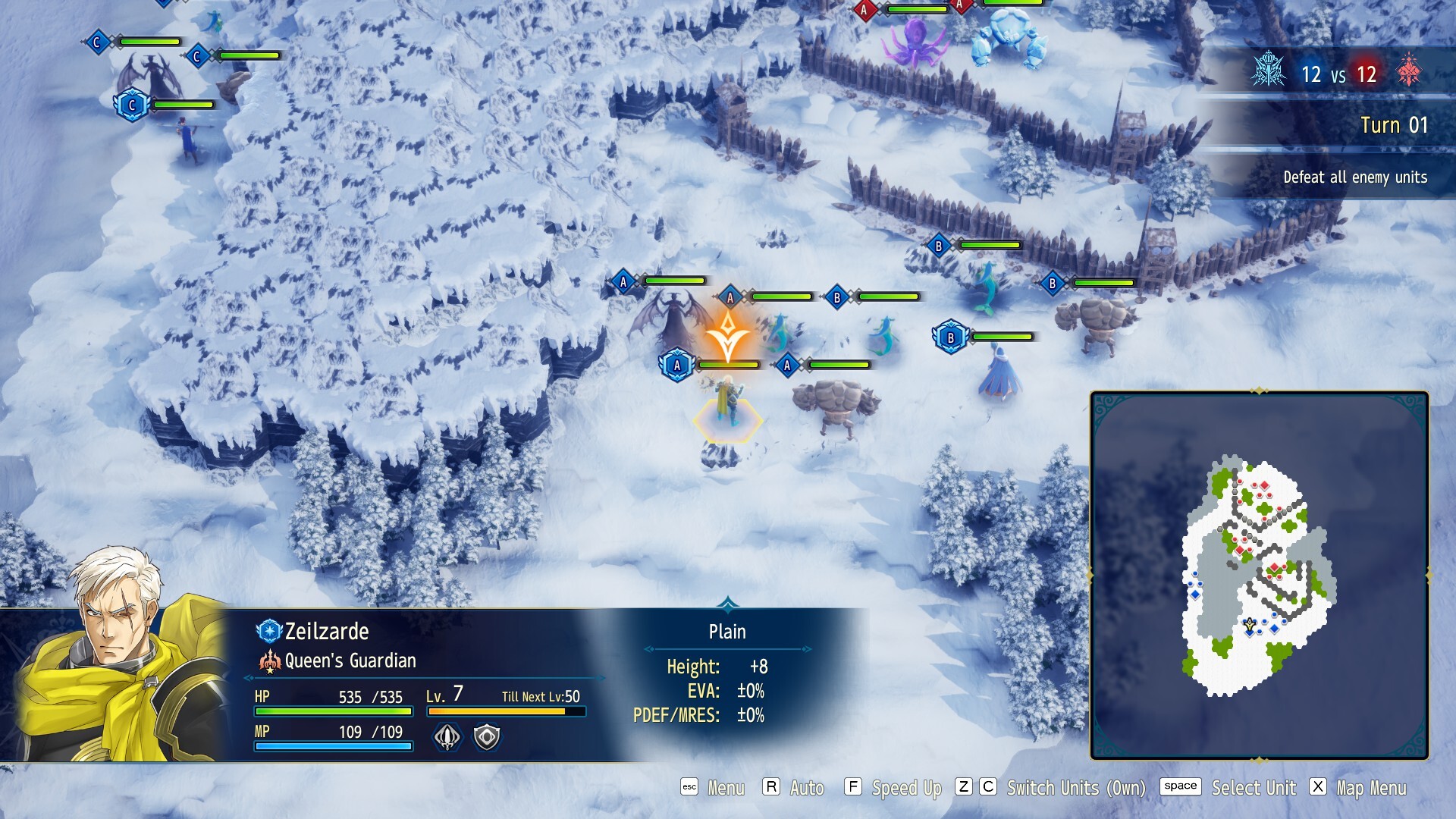
John Cal McCormick at Push Square (6/10) says it works better as "a satisfying but unremarkable grind than as a tense battle of wits." Combat is slow and enemy AI weak, but he enjoyed the loop once he accepted its gentler nature. Some players want a strategy RPG to punish bad planning; others enjoy expanding, levelling units and recruiting characters even when individual battles aren't dangerous. Brigandine Abyss suits the second group.
RPGFan's 70 argues the game "betrays the core ideas that made the series a cult hit" by streamlining them. Plentiful revival items and ineffective AI mean losses stop mattering, and a complex army builder produces routine fights. Chao Min Wu at RPG Site (6/10) says removing obstacles made it easier to approach but less compelling, and adds poor balance and PC performance problems. A game can present dozens of menus and still ask little of them once combat starts.
The pace makes it worse. RPGFan describes long stretches of repetitive invasion battles between the more interesting event fights, and Push Square calls combat "slow, drawn out." Without fresh problems from the opposition, the campaign becomes maintenance.
Six stories, one recurring war
Story Mode offers six factions, each with its own cast and perspective. Critics like the characters more than the structure. Push Square praises the recruitable personalities and brisk story, and DualShockers thinks the writing and faction motivations improve on earlier games.
But the campaigns share most of their structure. Push Square estimates about 95% of the experience is the same whichever faction you pick. DualShockers loved its first 18-hour campaign, but later runs repeated too many maps, units and routines. Six perspectives and a 24-faction Mission Mode look substantial, but seeing everything means a lot of familiar work.
Mission Mode is the partial answer. RPGFan calls it an experimental strategy sandbox and the better home for demanding scenarios, with factions facing debt, resource targets, survival conditions or strict turn limits. Hardcore Gamer agrees it has variety, though it finds both main modes artificially restricted.
Presentation and PC performance
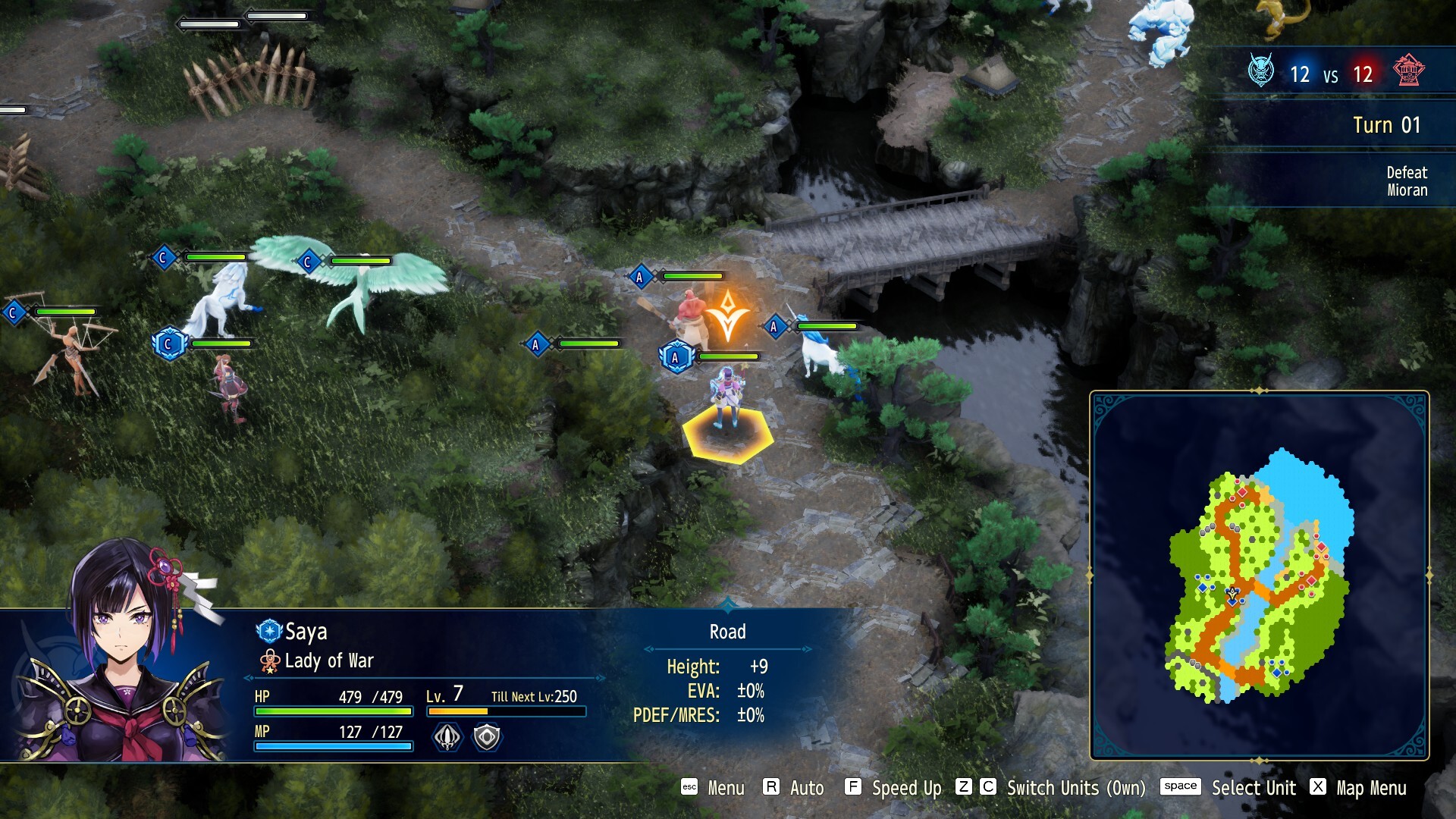
RPG Site and RPGFan both prefer the previous game's look. Wu calls the character art and interface a downgrade, with dated menus and reused battlefield sprites. Love says the presentation pales next to earlier entries, with sparse, cheaply animated story scenes.
RPG Site also found the PC version throttled after fairly short sessions even on low settings. That may not apply everywhere: Push Square reviewed on PS5 and Hardcore Gamer on Switch 2. Check current reports for your platform.
The soundtrack does better, and reviewers generally like the cast and setting. The problem is inconsistency: detailed portraits and a big roster next to generic combat models, limited animation and interfaces that make a busy game harder to read.
Why critics split
- How much does campaign management count? Reviewers who enjoy building forces and planning expansion forgive ordinary battles.
- Should accessibility reduce consequences? Easier recovery makes a dense game friendlier, but several critics think it removes the anxiety that gives choices meaning.
- Is repeated content still valuable? Six campaigns and 24 factions look huge; shared maps and routines make that depend on your tolerance for repetition.
- Can charm overcome technical problems? Some see a lovable niche strategy game; others see weak AI, dated menus, thin animation and poor PC optimization in the way.
Push Square's "practically cosy" is qualified praise. For someone wanting a low-pressure territorial RPG, it's a recommendation. For anyone wanting ruthless tactical consequences, it's a warning.
Should you play Brigandine Abyss?
It suits players who enjoy the administrative side of strategy: tuning squads, collecting units, strengthening bases and gradually colouring in a campaign map. The first run seems to have enough characters and progression to justify the work, especially if a familiar loop feels comforting.
Wait for patches or a discount if PC performance worries you, repeated maps wear you down quickly, or smart enemies are why you play tactical RPGs. The 6/10 reviews are specific about those faults, and the higher scores don't refute them; they just value the management, roster and faction stories more. Critics largely agree on what's good and what's weak. They disagree on the exchange rate.
Brigandine Abyss review FAQ
What is the Brigandine Abyss review average?
OpenCritic lists a 71 Top Critic Average from 18 reviews, with 39% recommending it when checked. Visible scores range from 6/10 at RPG Site and Push Square to 8.5/10 at PS4Blog.net.
Is Brigandine Abyss a sequel?
It's a standalone entry. You don't need to play Brigandine: The Legend of Runersia first.
Which platforms is Brigandine Abyss on?
PC via Steam from August 26, 2026, and PS5, Xbox Series X|S and Switch 2 from August 27.
What do reviewers praise and criticize?
Praise: army organization, character variety, territory management, progression and Mission Mode's constraints. Complaints: repetitive battles, slow pacing, weak enemy AI, shared campaign content, uneven presentation and poor optimization in the reviewed PC version.