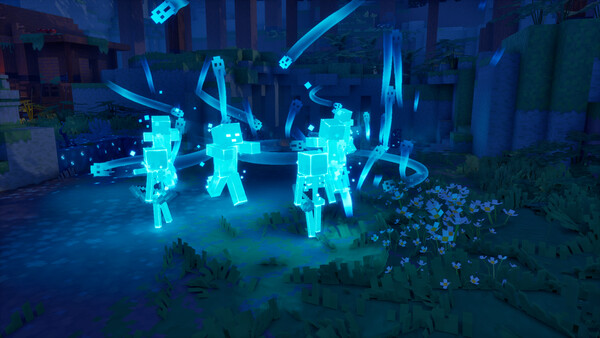

Star Wars Zero Company and Lou's Lagoon came out the same day, August 27, 2026, with almost opposite goals. Bit Reactor's tactics game wants squad strategy to feel like a Star Wars film without softening the consequences. Tiny Roar's island adventure wants to slow your pulse with seaplane trips, gathering and repairs. Critics are much warmer on the first, but the gap between the averages doesn't tell the whole story.
Zero Company is on PC, PS5 and Xbox Series X|S. Lou's Lagoon is on PC, PS5, Switch and Switch 2.
Star Wars Zero Company review scores: 87 on OpenCritic
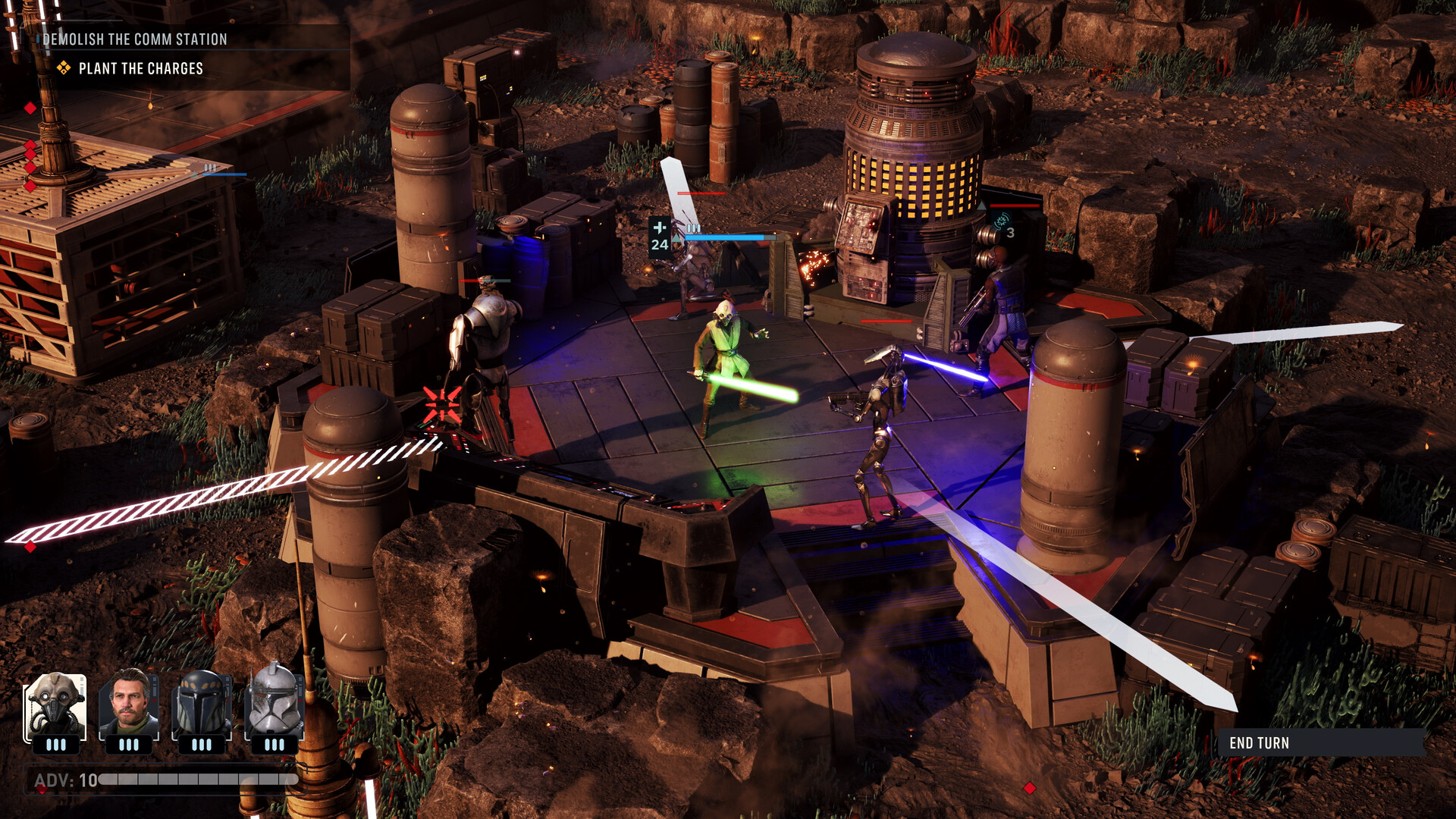
Zero Company is a single-player, turn-based tactics game from Bit Reactor, made with Respawn Entertainment and Lucasfilm Games. OpenCritic lists 87 from 38 reviews. The English-language reviews here run from GameSpot's 8/10 to PC Gamer's 90/100 and IGN's 9/10. (Our preview roundup covers what previews expected.)
It's built on XCOM's squad-management structure, but reviewers don't think the licence is doing all the work. Star Wars characters, weapons and powers create tactical variety, and the presentation and writing give each battle weight.
Steve Watts at GameSpot calls it "an excellent tactics game in its own right" and "the next great evolution of the genre," the boldest claim in the set. His reasoning: Star Wars already provides sharply distinct units, powers and enemies, and Bit Reactor turns them into decisions rather than decoration. A lightsaber, a blaster or a Force ability each changes the problem on the map.
Dan Stapleton at IGN (9/10) praises "strong characters" and a story "refreshingly centered on non-Force users and a non-traditional villain," and says it captures the cinematic look of Respawn's Star Wars Jedi games. You don't have to choose between tactical abstraction and Star Wars spectacle.
Ted Litchfield at PC Gamer (90/100) calls it "a new all-timer Star Wars game and a stunning debut for Bit Reactor," but doesn't expect the modding and sandbox longevity that made XCOM 2 a "forever game." It's a substantial, replayable campaign, perhaps not an endlessly extensible platform. PC Gamer also reports poor Steam Deck performance even after lowering settings and using FSR, a concrete warning if you wanted portable tactics.
Reviewers agree the combat is the foundation: readable roles, meaningful powers and enough pressure to make squad composition matter. They also agree on the presentation. Cinematic framing, music, writing and a cast of mercenaries rather than another chosen Jedi give it its own corner of the setting. The disagreement is only about degree. GameSpot sees a genre-level advance; others call it a polished XCOM successor. That matters if you want a revolution, and much less if you've waited years for another carefully made squad tactics campaign.
Lou's Lagoon review scores: 74 on OpenCritic
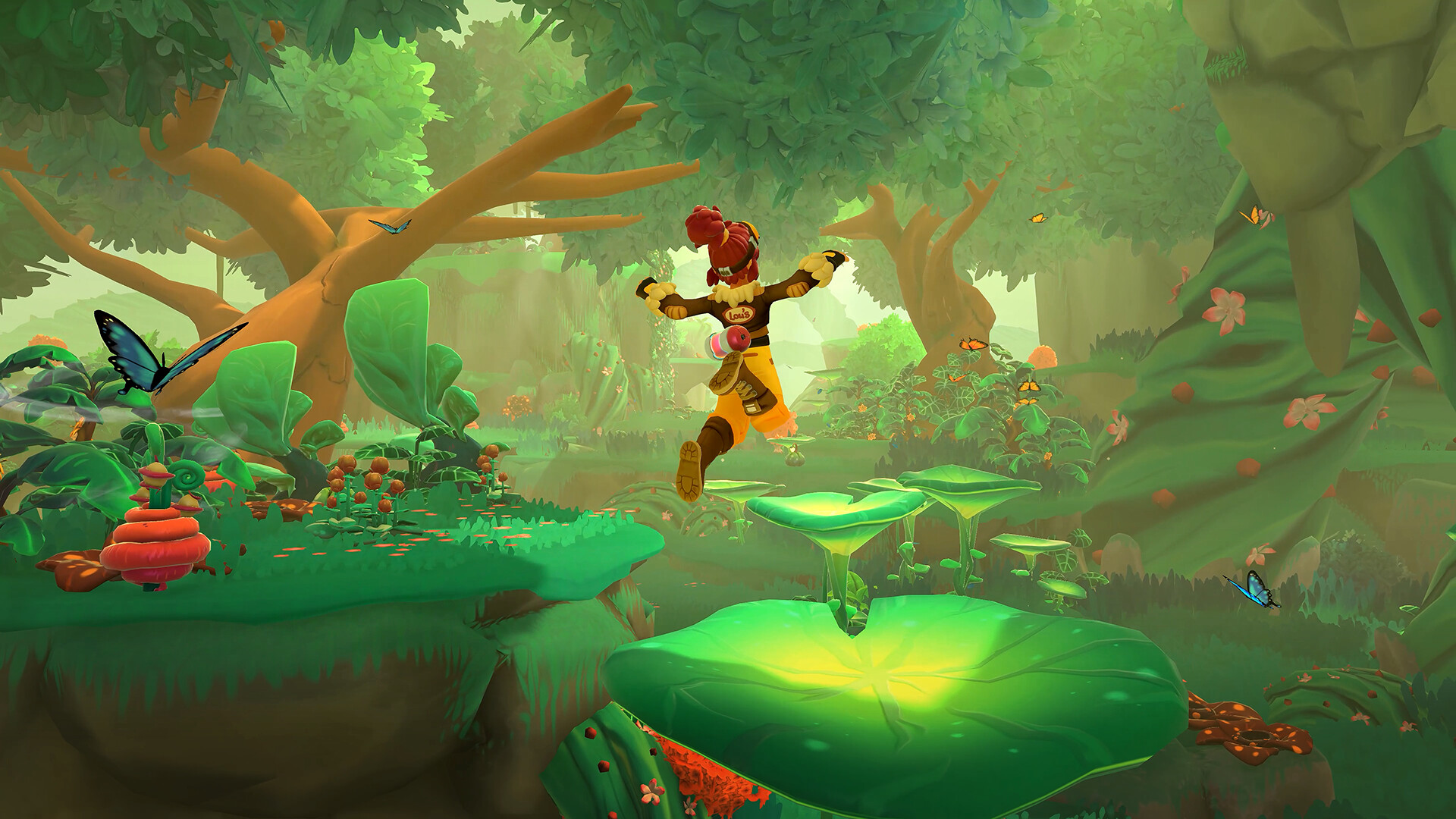
Lou's Lagoon is a cozy exploration and crafting adventure from Tiny Roar: fly a seaplane around the Limbo Archipelago, gather resources, rebuild damaged places and look for the missing Uncle Lou. OpenCritic records 74 from 12 reviews, with 58% recommending it. The sampled scores run from TheSixthAxis's 6/10 to Saving Content's 4/5.
Reviewers like the idea: a bright archipelago, an unusual aircraft, low-pressure errands and the satisfaction of watching communities recover. They're less united on playing it. Platforming, quest design, repetitive crafting and bugs keep interrupting the calm the setting works so hard for.
Aran Suddi at TheSixthAxis (6/10) says it "can feel chill just flying around, collecting resources, and carrying out the requests of the people you meet," but faults platforming that leaves you stuck in the scenery and a post-story bug that stopped further play. A cozy game depends on low friction, so those problems cut directly into its reason for being.
GamingTrend (70/100) calls it a cozy adventure "sometimes stunted by imprecise platforming and repetitive gameplay." The seaplane and tropical setting are strong hooks; the work after landing doesn't always have the same lift.
Ashleigh Klein at TechRaptor says it offers much of what cozy-game fans enjoy, then "starts to lose itself" with frustrating quests, a tedious crafting loop and only adequate customization. If you enjoy gathering and gradual rebuilding, "repetitive" may just describe the intended rhythm. If you need quests to evolve, you'll feel the drag sooner.
Scott Ellison II at Saving Content (4/5) says the missing-family mystery sparks curiosity and the island quickly became inviting. Even here, the praise is for atmosphere, routine and flying between islands, not a groundbreaking story.
Flying is the image that sticks in every review. It puts distance between tasks and makes the archipelago feel like a connected place rather than a row of workbenches. The friction is just as consistent: repetitive gathering, rough platforming or quest design that turns relaxed work into busywork. The lower scores see those problems as structural; the warmer ones accept them for the setting and easygoing loop.
Two kinds of friction
Zero Company uses pressure on purpose. Missed shots, exposed squad members and hard positioning are the deal, and critics felt Bit Reactor controlled that pressure and made the consequences clear. Lou's Lagoon aims for comfort, so accidental friction costs it more. Snagging on scenery or repeating a crafting chain feels harsher in a game selling an island escape than in a demanding tactics campaign.
That's also why Zero Company's familiar foundations drew little hostility: strong execution and thoughtful use of Star Wars lore make the XCOM structure feel dependable. Lou's Lagoon has the fresher pitch, a seaplane delivery service across a storm-damaged archipelago, and its more original idea gets the less consistent mechanical support.
Which to play
Star Wars Zero Company if you want a story-led tactics campaign, enjoy managing a squad under pressure, and like Star Wars best when it steps away from the usual Jedi story. Scores cluster from 8 to 9. Steam Deck performance is the clearest caution.
Lou's Lagoon if flying between colourful islands, gathering materials and repairing communities sounds restorative on its own. Its 74 covers a real divide: the positive reviews respond to atmosphere and routine, while the lower ones warn that platforming, repetitive crafting, awkward quests and bugs can disturb it. Your tolerance for rough movement and repeated chores will decide whether the trip stays relaxing.