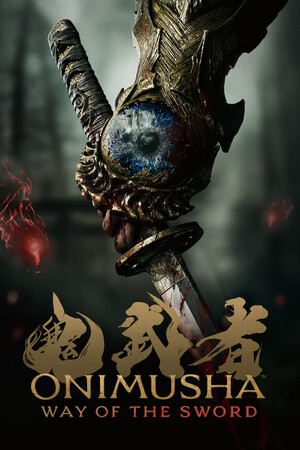
Onimusha: Way of the Sword arrives September 3 on PC, PS5 and Xbox Series X/S, with a September 4 date listed for Switch 2, developed and published by Capcom. OpenCritic lists an 86 average with 95% recommending it, and the PS5 version sits at 86 on Metacritic. Behind that tidy average, scores run from VGC's 3/5 to IGN's 10/10. Almost everyone loves the sword fighting. They disagree about how much repetitive structure a great combat system can carry.
Some reviewers accept weak connective tissue because the bosses and parries are so good. Others see the same padding as proof Capcom didn't trust its best idea enough to keep the adventure lean. (Our preview roundup shows much of this debate was visible before launch.)
Onimusha: Way of the Sword review scores
- IGN: 10/10
- COGconnected: 92/100
- Nintendo Life: 9/10
- Forbes: 9/10
- RPG Site: 9/10
- Push Square: 9/10
- PC Gamer: 83/100
- Eurogamer: 4/5
- Game Informer: 8/10
- DualShockers: 8/10
- Xbox Achievements: 75%
- Game Rant: 7/10
- VGC: 3/5
Nobody argues about whether the combat works. The split is about proportion: how much of a 20-to-30-hour game plays at the level of its best fights, and how often it makes you repeat an encounter or clear another arena before the next great boss. Three quotes sum up the conversation:
"Onimusha: Way of the Sword is an incredible action game with an excellent story to match." - Will Borger, IGN, 10/10
"A sublime mix of classic Capcom action and weighty physical swordfighting. The only enemy it can't overcome is its own pacing." - Wes Fenlon, PC Gamer, 83/100
"Onimusha: Way of the Sword is worth playing for the combat alone, but the game around it doesn't live up to the standards that it sets from a pure gameplay perspective." - Jordan Middler, VGC, 3/5
What critics agree on: the sword
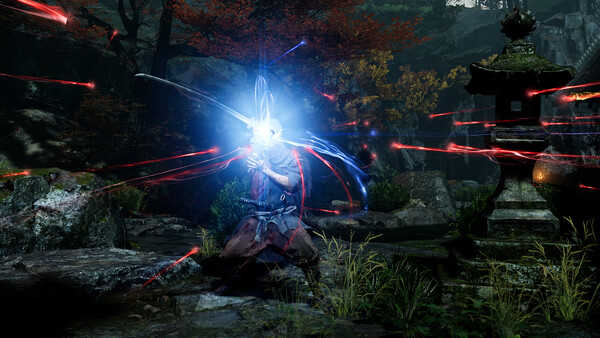
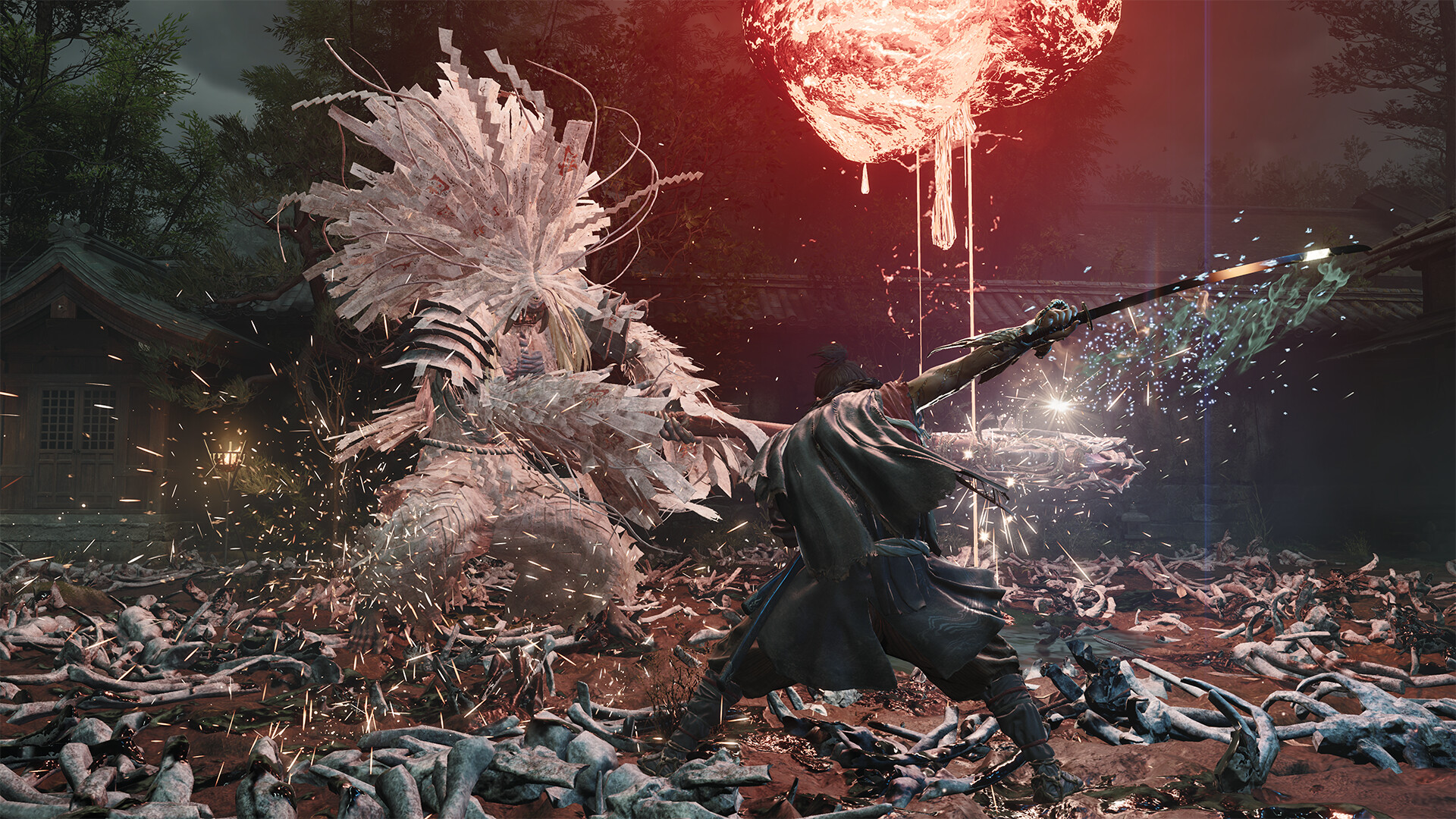
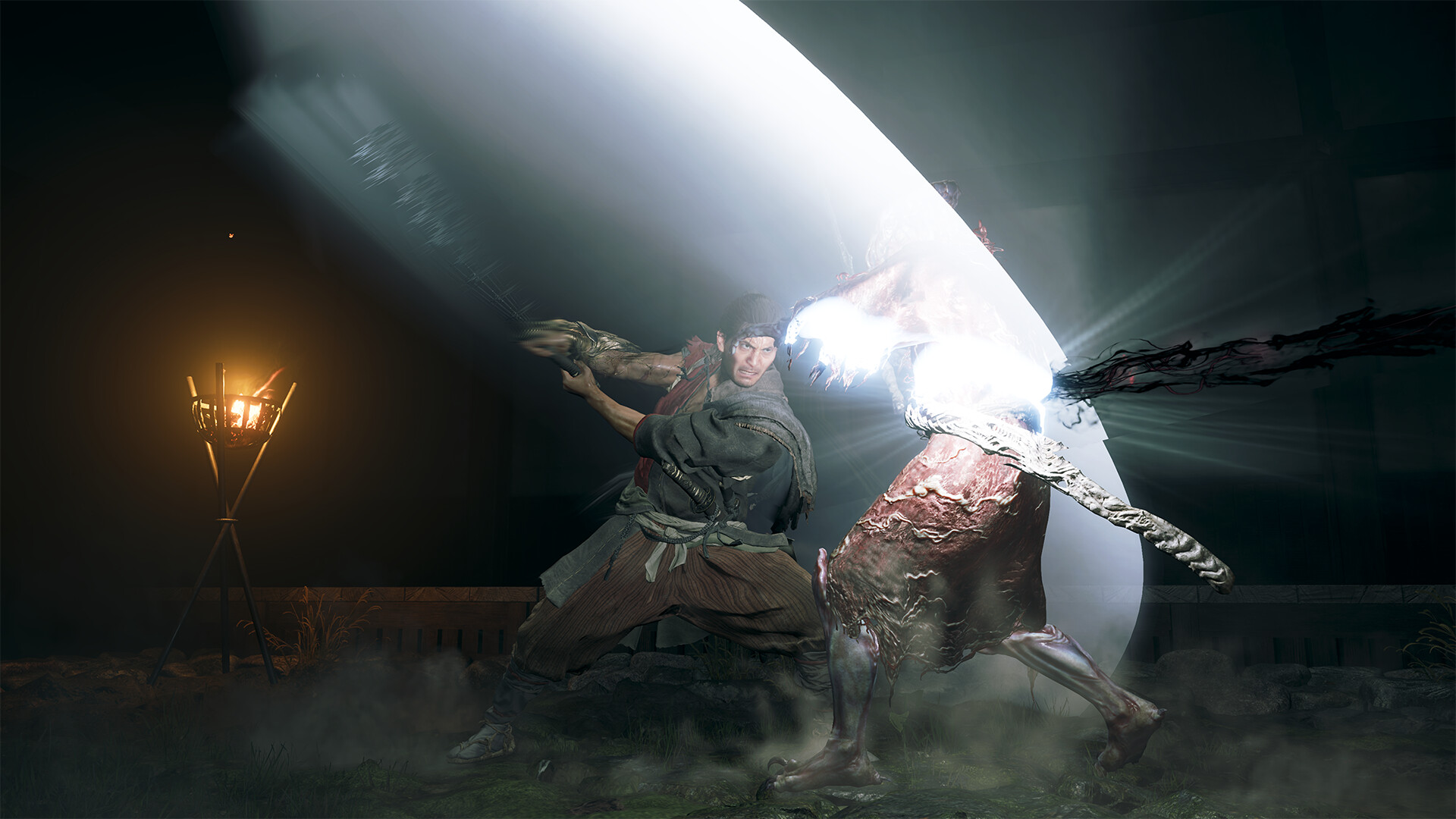
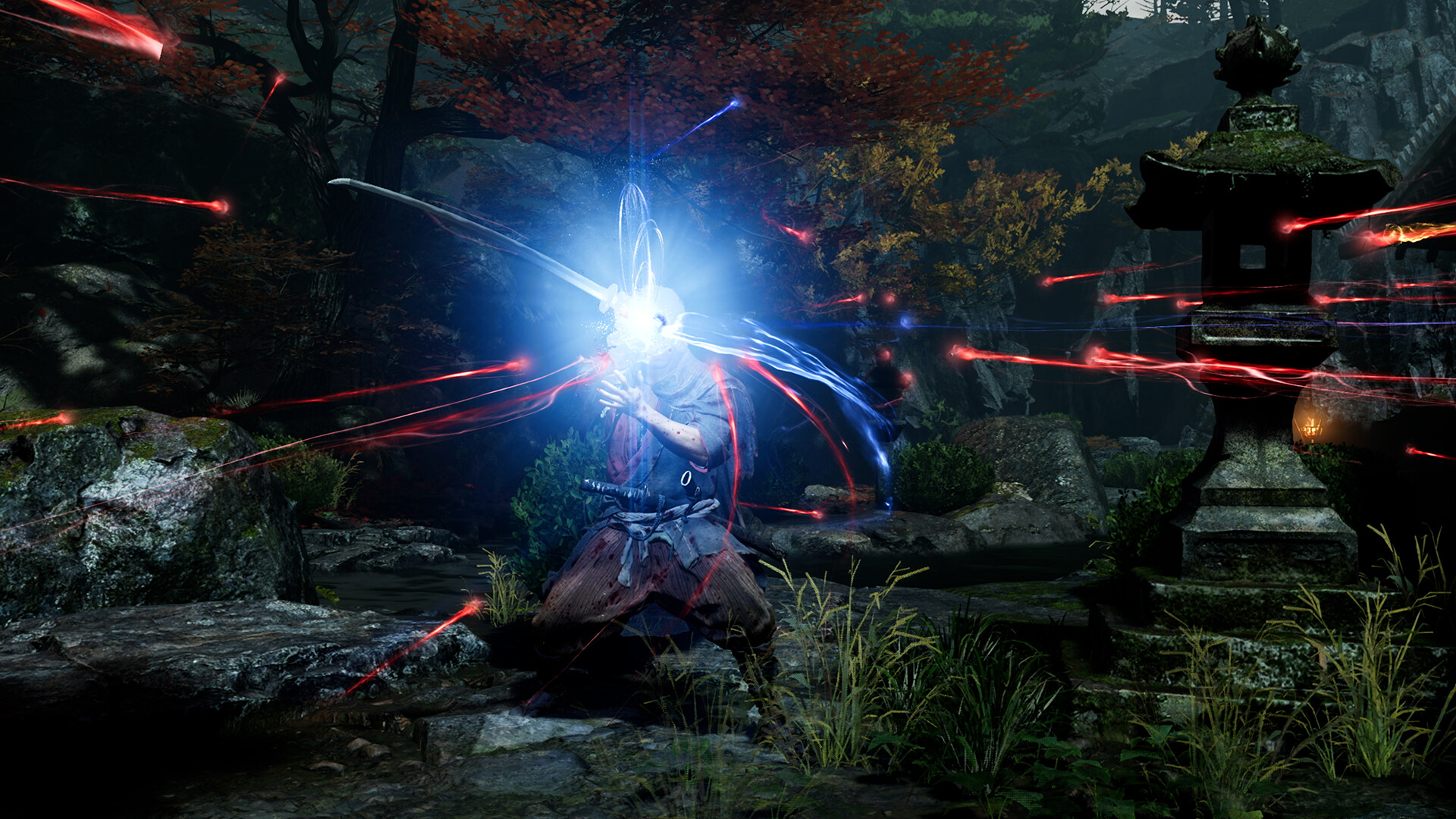
Fights are built on observation and timing. Musashi can block, dodge and parry, but the signature move is Issen, a counter triggered just before an enemy strike lands. It rewards learning animation tells and holding your nerve. Regular attack strings play a supporting role; the big damage comes from reading an opponent, creating an opening and answering precisely.
Dom Peppiatt at Eurogamer calls it role-playing through mechanics. Musashi works better reacting than instigating, so you have to fight like the swordsman the story says he is, and success depends on judgement rather than acrobatic aggression. He warns that longer battles can be gruelling, since one mistake can spoil a long run of good reads.
Wesley LeBlanc at Game Informer (8/10) calls the bosses exams. The game keeps teaching new parts of Musashi's kit for hours, then asks you to use everything. Button mashing fails, and the hardest encounters demand near-perfect execution, rewarded with "cresting euphoria" after a close win. He calls it the hardest, most complex and most satisfying Onimusha.
VGC's lower score doesn't contradict this. Middler calls the combat "rock-solid" and Issen the best part of the game. He also notes a real skill gap: once he mastered the timing, ordinary enemies and sub-bosses became routine. Mastery feels great, but it exposes the repetition. When fights lose their uncertainty, repeating them is much harder to excuse.
An 86 can sound like a polished action game with minor complaints. The reviews are more specific: an exceptional combat system inside a campaign whose pacing, side activities and repeated encounters are sometimes merely adequate.
The argument: everything between the bosses
Way of the Sword isn't a straight corridor or a full open world. Its path opens into medium-sized areas with side quests, simple puzzles, upgrade materials and repeatable combat. That gives Kyoto room to breathe, but several reviewers wanted Capcom to cut harder.
Eurogamer says the "legacy" dungeons and tightly directed routes use the game's time better than the broader diversions. Peppiatt still valued exploration for strengthening Musashi and giving the setting texture, but found the side missions repetitive and the quieter stretches no match for the set pieces. He estimates about 20 hours for a direct run and closer to 30 for a thorough one, which worked for him because the combat demands concentration and the bosses stay worth revisiting.
Game Informer is less forgiving of the second half: rifts that lock Musashi into combat arenas, frequent boss reuse and recurring malice flowers to clear fog. LeBlanc sees them as skill checks before big encounters but says they come too often and make the journey feel padded. The supporting cast helps: Dokyo's theatrical menace, Okuni's warmth and Ganryu's flamboyant interruptions give personality to a simple demons-invade-Kyoto plot. Strong characters don't make repeated arenas disappear, though.
VGC makes the sharpest case. Middler fought the same boss seven or eight times and says the roughly 30-hour campaign needed about a quarter cut, moving straight from mission to mission. His evidence is the final act, which stacks big set pieces and bosses back to back: when Onimusha stops wandering, it's at its best.
The criticism is consistent across the range. DualShockers (8/10) calls the material between bosses merely all right. Nintendo Life (9/10) notes errands between NPCs that threaten the pacing. PC Gamer names pacing as the one enemy the combat can't beat. Even the most positive reviews see the same flaw; they just weigh it differently.
How a 10 and a 3/5 can coexist
IGN's 10 means the reviewer found the action and story strong enough that weak connective material didn't spoil the whole. VGC's 3/5 means the reviewer valued the same combat but found the surrounding design overlong and dated. Neither has to deny what the other saw.
It also comes down to what you want from a revival. Onimusha started in an era of shorter, directed action games. A modern sequel faces pressure to add exploration, upgrades, side objectives and a bigger campaign. Some critics appreciate the extra space to practise; others think it blurs what made the old games memorable. VGC says it learned the wrong lessons from open-world games. Eurogamer praises it for refusing to become another Soulslike. Together, they describe a revival that's distinctive with the sword and conventional wherever the campaign needed filling.
If mechanical depth and boss design dominate your judgement, the higher scores make sense. If pacing and variety matter just as much, take the lower reviews seriously.
Art, story and difficulty
The visuals aren't part of the split. VGC calls the art direction nearly flawless, with enemies that stay readable at speed and bosses that are grotesque, imposing and recognizably Onimusha. Eurogamer praises the cinematic direction and Musashi's physical performance, with a face modelled on Toshiro Mifune and small expressions that give him humour and presence. Push Square also points to striking cutscenes and memorable characters.
The story gets a more mixed response. IGN calls it excellent, Giant Bomb engaging. Game Informer sees a standard plot lifted by larger-than-life characters. VGC finds the central story forgettable but enjoys the villains' camp performances.
Difficulty may be the more practical dividing line. Eurogamer expects the combat to aggravate some players, especially those bringing habits from other hard action games; the colour-coded attacks can feel like a demanding game of Simon Says, but it finds them fair. Tom's Guide praises the bosses and perfect parries while flagging an uneven difficulty curve. Forbes recommends starting on Story difficulty to learn enemy timing. This isn't a casual power fantasy. You have to submit to its rhythm before it gives much back.
Should you play Onimusha: Way of the Sword?
The 86 and 95% recommendation rate show a clear positive consensus. Critics agree Capcom built one of the year's best melee systems with excellent bosses, and that repeated encounters and uneven pacing get in the way. They disagree on whether those are irritations or structural failures.
If you enjoy learning parry windows, replaying bosses and feeling a hard system click, it's an easy recommendation; enough 7s, 8s and 9s agree to trust the combat praise. If arena repetition, reused bosses or side content that stretches a campaign bothers you, take VGC and Game Informer seriously. Critics loved using the sword, mostly enjoyed the characters and spectacle, and several wished Capcom had cut the hours that kept them from the next big fight.