
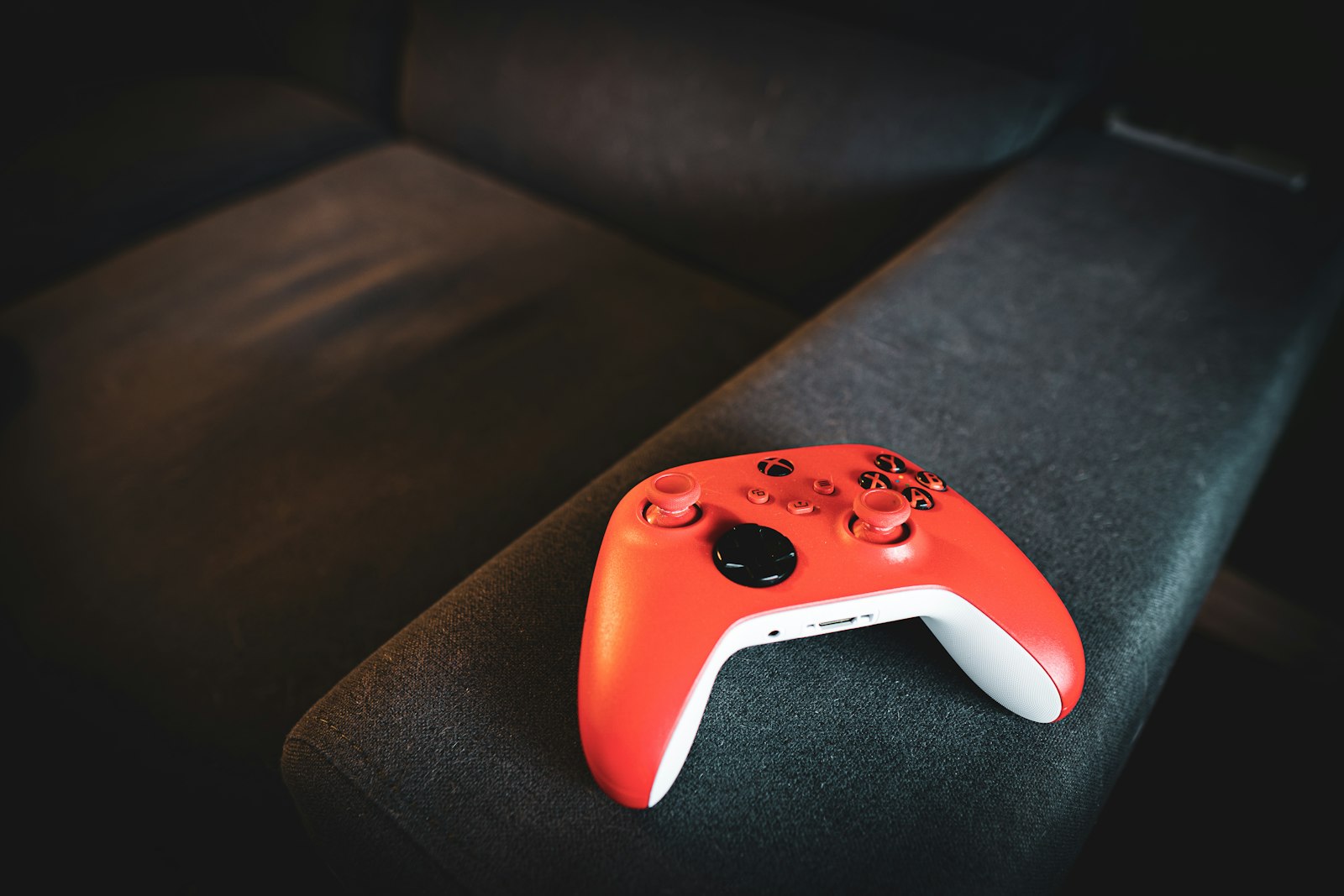
Almost everyone has a game they're technically still playing. It's installed, the save file is 14 hours in, and every time you pick up the controller you find yourself choosing something else. You haven't quit. You just haven't gone back.
This guide is about deciding. It covers how to tell when to stop playing a game, how long a slow start deserves, and how to put a game down in a way that doesn't feel like losing. Stopping a game on purpose is a normal part of playing a lot of them.
Why it's hard to stop playing a game
Most of the reasons are about the past rather than the game in front of you.
There's the money you spent on it, especially if it was full price. There's the time already sunk in, which can make another ten hours feel like the only way to justify the first twenty. There's the hope that it gets good later, which is sometimes true. And there's a vague feeling that finishing is what real players do.
None of those reasons are about whether you'll enjoy the next hour. That's the only question that actually matters when deciding whether to keep going.
Signs it's time to put a game down
These are the patterns that usually mean a game has run its course for you:
- You're avoiding it. You have time to play and you pick something else, or nothing at all, rather than load the save.
- You're playing to be done. You're checking how many chapters are left, or looking up how long the game is, more than you're paying attention to what's happening.
- You've stopped caring about the story or the build. If you skip cutscenes you'd normally watch, or you've stopped reading item descriptions, the game has lost its hold.
- It's become a chore list. You're clearing map icons because they're there, not because you want what's behind them.
- You can't remember why you started. If the thing that drew you in (a friend's recommendation, a trailer, a genre you love) no longer shows up when you play, that's worth noticing.
One sign on its own might just be a bad week. Two or three together usually means the answer.

How long to give a slow start
Some games really do open slowly. Plenty of RPGs spend their first hours teaching systems, and some of the most loved games of the last decade have openings people describe as a slog before the thing clicks.
A reasonable rule: give a game long enough to show you its main loop, then decide. For a short indie game, that might be an hour. For a big RPG, it might be five or six. Once you've seen what you'll be doing for most of the game, you have enough to judge.
If you're still unsure, ask someone who's finished it one specific question: does the part I'm not enjoying change? If the answer is "no, that's the game," you have your answer. If the answer is "it opens up after the second town," you can decide whether that's worth the wait.
Shelving is not quitting
Putting a game down doesn't have to be permanent. Games you drop in one season often land perfectly in another. A dense strategy game that felt like work during a busy month can be exactly right over a long weekend in winter. A game that felt slow at 22 can feel patient at 35.
The difference between shelving a game and just drifting away from it is intent. When you shelve something on purpose, you get the time back and you keep the option open. When you drift, the game sits there as a low-level guilt every time you see it in your library.
It helps to name it. Move the game out of whatever you consider "currently playing," and put it somewhere that means "not now." In Perthro that's the Shelved status, but a note on your phone works too. What matters is that your current list only holds games you actually want to pick up.
Leave a note for future you
Before you put a game down, write one or two lines about why. Where you stopped, what wasn't working, and what might bring you back.
"Stopped at the swamp area, combat felt samey, would try again with a different build" is enough. So is "loved the writing, hated the stealth sections, stopped at chapter 6." If you ever come back, you'll know where you were and what to expect. If you never do, you'll at least remember why, which saves you from buying the sequel on a whim.
This also makes it easier to rate the game honestly. A game you stopped playing after 12 hours can still get a fair score. Our guide on how to rate video games covers rating unfinished games in more detail.
What to play instead
The best part of stopping a game you're not enjoying is the space it frees up. Try to fill it with something deliberately different: if you dropped a long RPG, pick something you can finish in a weekend. If you dropped a tense action game, try something slower.
If you're not sure what to pick, our guide on how to choose what game to play next walks through narrowing a crowded backlog down to one game, and how to play your backlog without burning out covers keeping that list manageable over time.
Games are allowed to end early
You don't owe a game your time because you started it. Give it long enough to show you what it is, notice the signs when it's stopped working for you, and put it down on purpose with a note about why. The games you do finish will feel better for it, and the ones you shelve will still be there if you ever want them back.