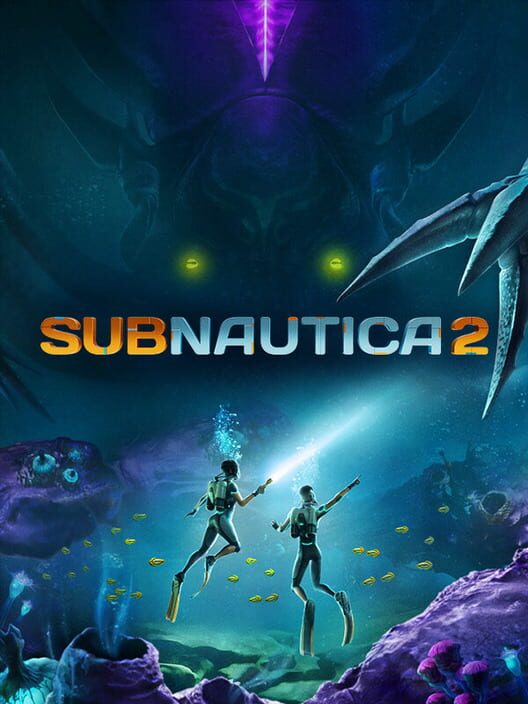
On May 14 at 08:00 PDT, Subnautica 2 enters Early Access, and developer Unknown Worlds says the build is two to three years from finished. That leaves anyone who keeps a record of their games with a small puzzle on day one. If you play Subnautica 2 Early Access to the end of what exists, have you finished it? And can you review it yet?
We think the answer to both is yes, with some caveats. Here's how we got there.
What's in the Subnautica 2 Early Access build
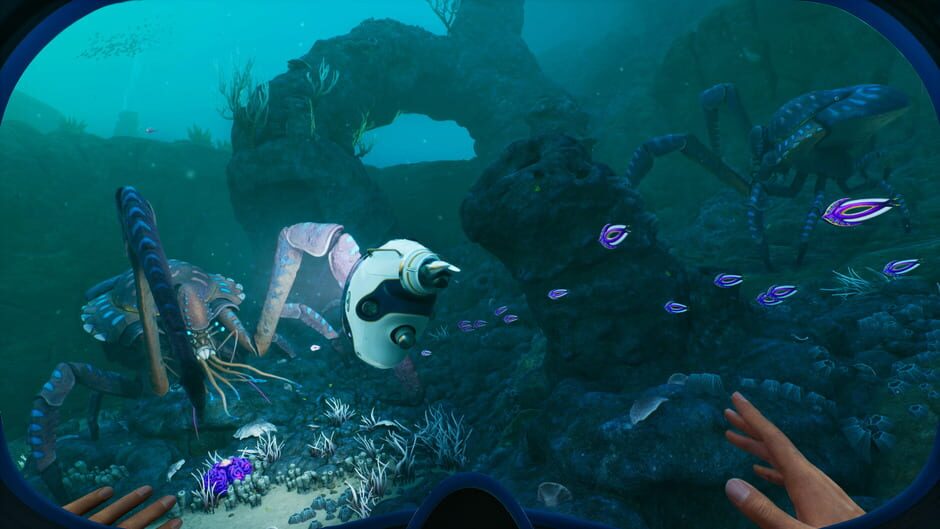
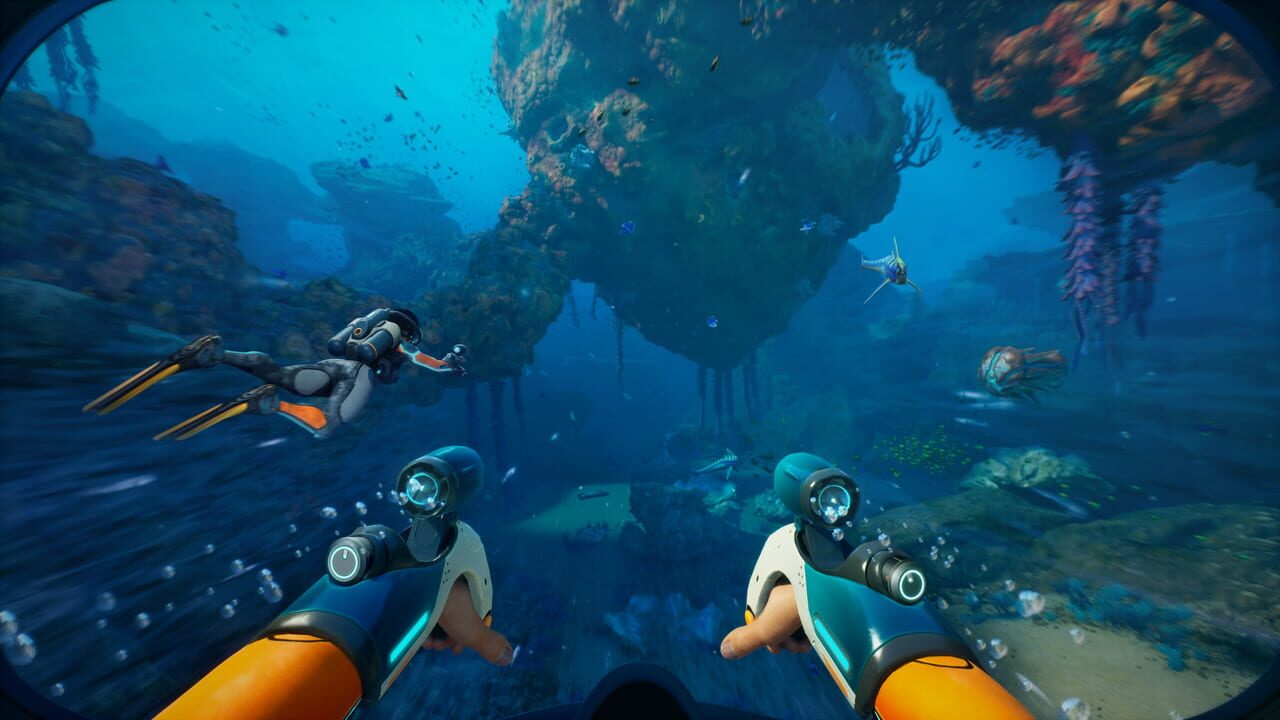
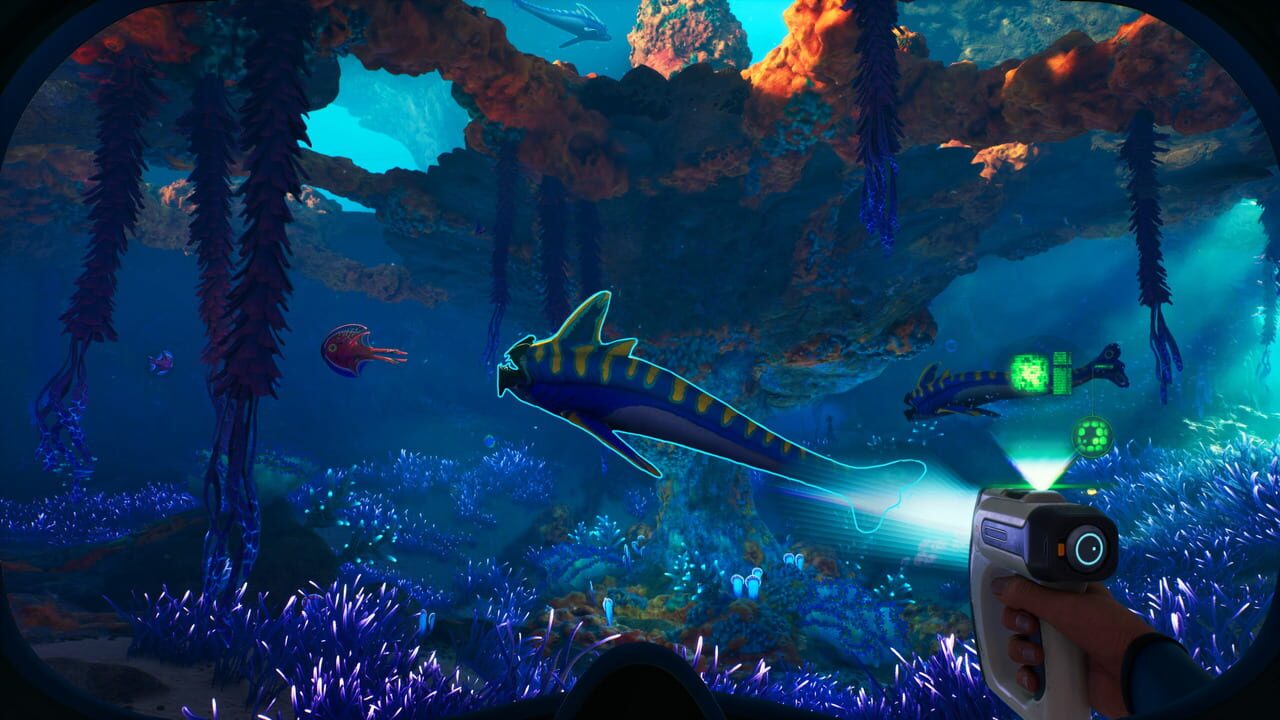
The launch build gives you a new submersible, the Tadpole, and a set of alien biomes to take it into. There's optional four-player co-op, a big change for a series whose first game was about being alone at the bottom of an ocean. Four pre-designed characters ship at launch, with more customisation promised later in development.
It's out on Steam, the Epic Games Store, the Microsoft Store and Xbox Series X|S, and on Xbox Game Pass through the Game Preview program. The price is $29.99 USD, with regional adjustments.
Unknown Worlds is still owned by Krafton, but Krafton is no longer publishing the game. The background involves a leadership shake-up and lawsuits, and it will colour launch-week opinion whether the game deserves it or not. We're setting that aside here and looking at the build that's actually shipping.
Early Access is how a lot of good games ship now
Subnautica 2 has plenty of company. The first Subnautica went into Early Access with a rough build in late 2014 and spent more than three years there before its 1.0 in 2018. Baldur's Gate 3 was in Early Access from 2020 to 2023, and a lot of its fans played Act 1 long before Acts 2 and 3 existed. Hades spent almost two years there and came out with a Game of the Year nomination. Valheim has been in Early Access since 2021. Vampire Survivors went from Early Access to 1.0 in about a year and reshaped an indie subgenre along the way.
Early Access used to read as a warning on a store page. Now indies, AA studios and big-budget projects all use it as a normal way to release. For anyone who logs what they play, that breaks an old assumption: that the game stops changing once you've finished it.
When is an Early Access game finished enough to review?
Say you start at 8:01 Pacific on May 14. You build a small base, run out of oxygen once or twice, and keep going on weekends until the world has nothing new to show you. By any fair reading of how you spent those evenings, you finished what was there.
The game itself isn't done, though. Mark it complete and review it now, and you're reviewing something the developer says is missing large parts. Wait for 1.0 and you might be waiting until 2028, by which point the build you actually played (with whatever creatures and systems get rebalanced in between) no longer exists.
Then an update arrives in the autumn with a new area and a reworked early game. Does your completion still count? When you finally rate it, are you rating the build you played, the 1.0 release, or some blend of every version you spent time in?
Most tools skip the question. Steam counts your hours and doesn't care whether the game is finished. Achievements treat a game as fixed at the moment you earned each one. A single star rating assumes one verdict, given once.
How we log Early Access games in Perthro
Our answer is simple: a completion is whatever counted as one for you. If you played to the end of what existed, mark it played and write the review you have now. In Perthro ratings can be edited later and reviews can be any length, so when 1.0 lands you can change the score, add to what you wrote, or leave the May 2026 review alone and write a second one beside it.
We decided against any rule that stops you reviewing a game until it leaves Early Access. People who play a lot of indies would run into it constantly, and a review written while you were playing is worth more than one you were told to hold back.
Should you play Subnautica 2 on day one?
That depends on what you want from it. The late-2014 build of the first Subnautica was rough, a little broken, and full of oversized creatures that later got trimmed or rebalanced. Some players who were there will still tell you they preferred it to the polished release. You don't have to agree with them to see the appeal of playing a game while it's still being built.
If you'd rather meet the finished version, waiting is a perfectly good choice. Whichever you pick, write down the date, the build and whether you played solo or in co-op. Two years from now, that line will tell you more about your review than the score does.