Three mid-July releases now have enough reviews to read, and they split cleanly. Moss: The Forgotten Relic is the comfortable pick. D-topia is a gentle narrative game whose ideas are heavier than its puzzles. The Mound: Omen of Cthulhu is co-op horror that reviewers rate more highly when they had the right group and the right hardware.
Moss: The Forgotten Relic review scores: 81 on OpenCritic
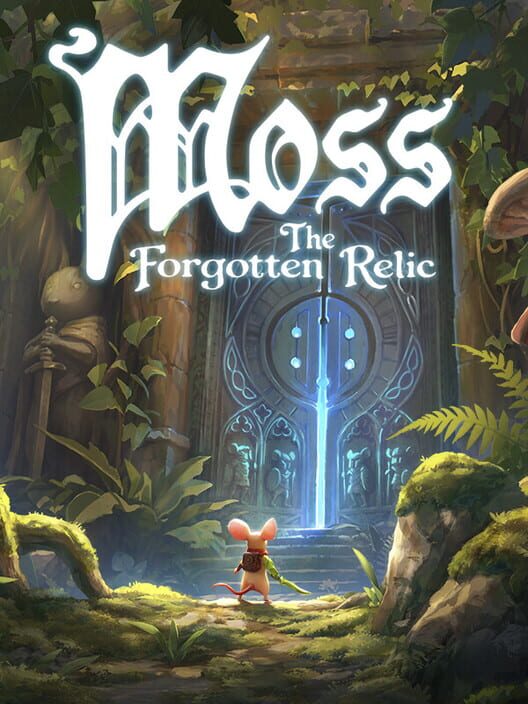
OpenCritic has Moss: The Forgotten Relic at an 81 Top Critic Average, with 95% recommending it across 19 reviews. It's from Polyarc and Blackbird Interactive, released July 16, 2026 on Xbox Series X/S, PS5, Switch 2, Switch, Xbox One and PC.
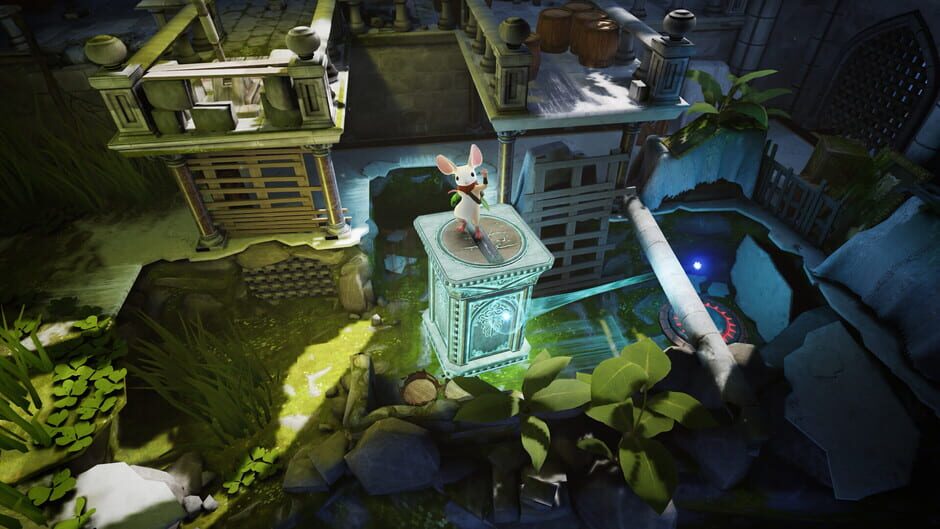
Critics think Moss survived leaving VR better than expected. The series was built on the relationship between Quill, the tiny mouse hero, and you as an observer, and losing the headset risked flattening that intimacy.
IGN gave 8/10, calling it "an incredibly charming fairy tale" and "a very smooth remake that doesn't feel compromised by breaking free of its VR-exclusive origins." TheGamer says that even if some of VR's personal magic is gone, Quill's adventure "absolutely manages to stand on its own two paws as a slightly more traditional puzzle platformer." Something was lost, but enough remains.
ZTGD gave 9/10, crediting Quill herself for keeping the world alive. Generacion Xbox gave 83/100, calling the camera and simplicity minor flaws. TechRaptor was more reserved at 7.5/10, praising the visuals and characters but saying the first half drags.
The criticism comes down to simplicity and pacing. Nobody claims Moss is mechanically deep; they disagree on whether it matters. For some, the charm, narration, presentation and Quill's expressiveness carry it. For others, the light combat and puzzles set a ceiling. It's a warm evening game, good if you want a polished storybook adventure and less so if you want complex puzzles or evolving combat.
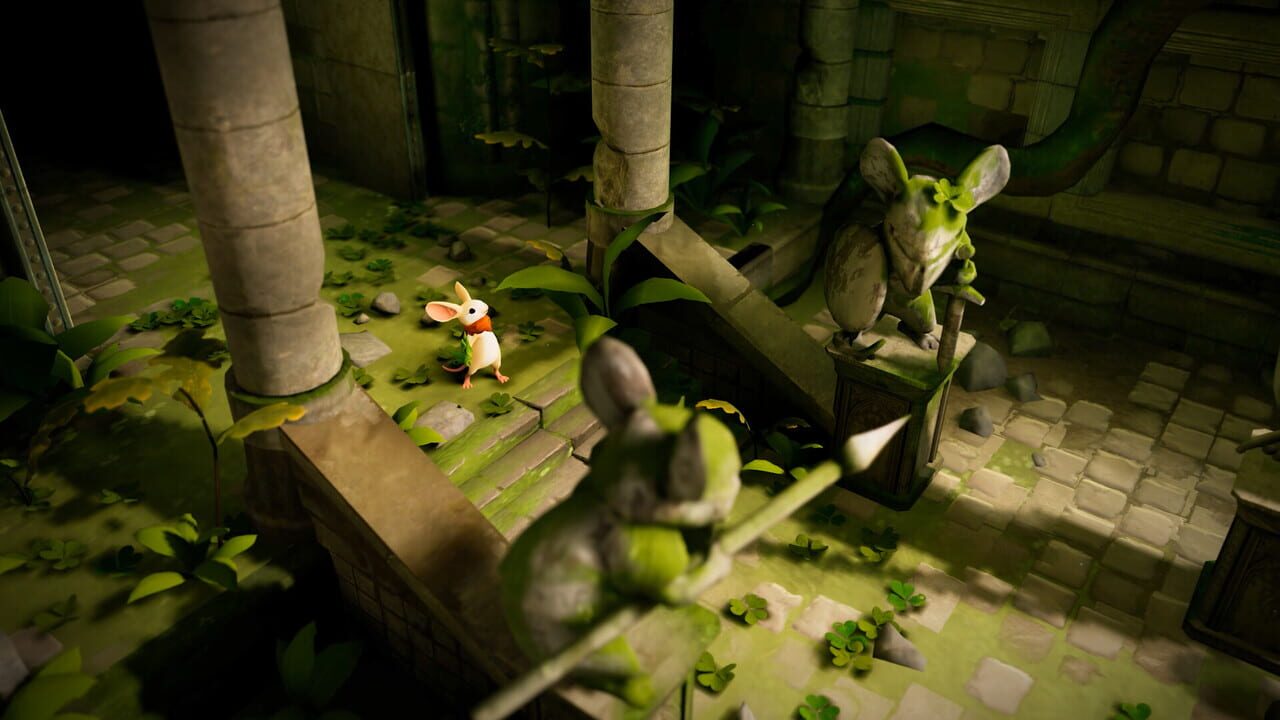
D-topia review scores: 74 on OpenCritic
OpenCritic lists D-topia at 74 with 62% recommending it across 29 reviews. It's from Annapurna Interactive and Marumittu Games, released July 14, 2026 on Switch 2, Switch, PC, PS5 and Xbox Series X/S.
It's a cozy sci-fi puzzle adventure about an apparently happy future that keeps asking whether comfort and control are the same thing. Reviews suggest the premise is stronger than the challenge.
Nintendo Life gave 6/10, calling it "pleasant and thoughtful" but saying that for a story so concerned with ethics, it "rarely asks players to grapple with difficult choices." It wants to be about hard human problems and keeps you at a safe distance from them.
The positive reviews like its tone. Hobby Consolas gave 82/100, saying it suits players who want something "lighthearted yet still memorable." COGconnected called it "Stardew Valley as managed by George Orwell," complex questions disguised as a cozy sim. Worth Playing gave 8/10, praising the optimistic story, cast and polish, while noting only a handful of puzzles are challenging. NintendoWorldReport, also 8/10, reads it as a reminder that algorithms can't solve nuanced human problems alone. CGMagazine, 8/10, was measured: good characters, fun small puzzles, decent story, not much complexity.
Critics like the setting, cast and gentleness, and are less convinced by the puzzles and the weight of choices. Moss knows exactly how small it is; D-topia reaches for heavier questions and sometimes brushes them instead of grabbing hold. It's probably not the next great philosophical adventure, but it could be a compact, good-hearted one for players who want atmosphere and characters more than friction.
The Mound: Omen of Cthulhu review scores: 71 on OpenCritic
OpenCritic has The Mound at 71, with 39% recommending it across 18 reviews. It's from ACE Team and Nacon, released July 15, 2026 on PS5, Xbox Series X/S and PC.
It's a co-op horror expedition set in the Chilean wilderness of the mid-1600s, with Cthulhu mythos influences, unreliable perception, and creatures that can imitate your friends. Reviewers agree the best moments are properly unnerving. They disagree on how much frustration it takes to get there.
IGN gave 7/10, calling it "an entertaining co-op horror excursion that can sometimes feel a bit too oppressive." It describes a creature wearing a friend's character model and playing back that friend's laughter recorded earlier in the match: a brilliant scare that only works if players are together, talking and paying attention.
DualShockers gave 7.5/10, calling it "a spectacular co-op horror game" full of cunning tricks, though difficulty sometimes gets in the way. CGMagazine gave 8/10 but found the early game hard and a three-person team almost mandatory against tougher enemies.
Pure Xbox's roundup is more cautious: reviews are mixed, the Series X version needs controller-setting fiddling, and the Series S version struggles visually. It reported a Metacritic score of 69 at the time. PlayStation Universe and Digital Chumps gave 8/10, GamingBolt 6/10, and IGN, ZTGD and others around 7/10. Reviewers who bought into the co-op tension forgave the grind; those who hit difficulty spikes, awkward controls or weak solo play were much colder.
A 71 here doesn't mean "fine, whatever." It means there may be a good horror game that needs the right setup. With a dedicated group, the mimicry and madness systems sound memorable. Solo, or dragging two tired friends through early difficulty walls after work, they may feel far less magical.
Which to play
- Moss: The Forgotten Relic: the clearest recommendation. Charming, polished, simple and still emotionally intact outside VR.
- D-topia: a mood call. Good if cozy speculative fiction with light puzzles appeals, but it may not push hard enough.
- The Mound: Omen of Cthulhu: the risky pick. A high ceiling with the right friends and a lower floor than the premise suggests. Only with the right group.