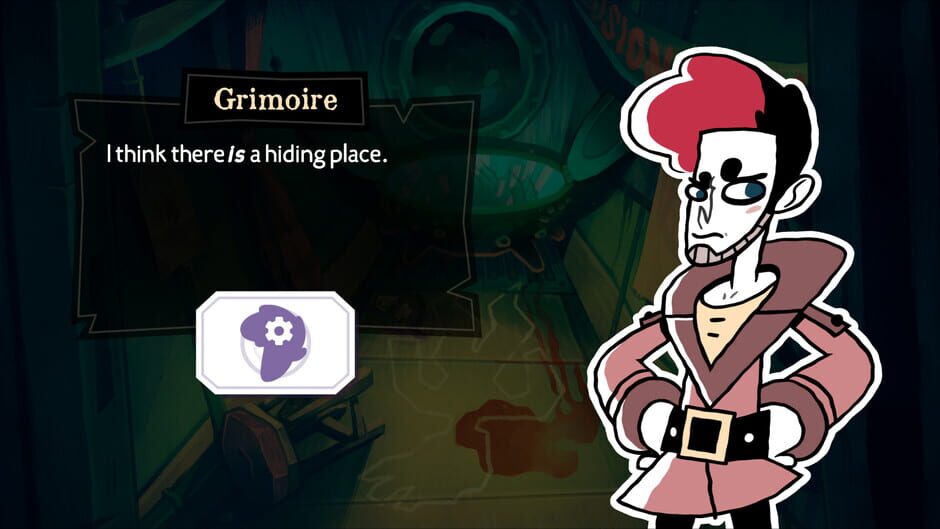
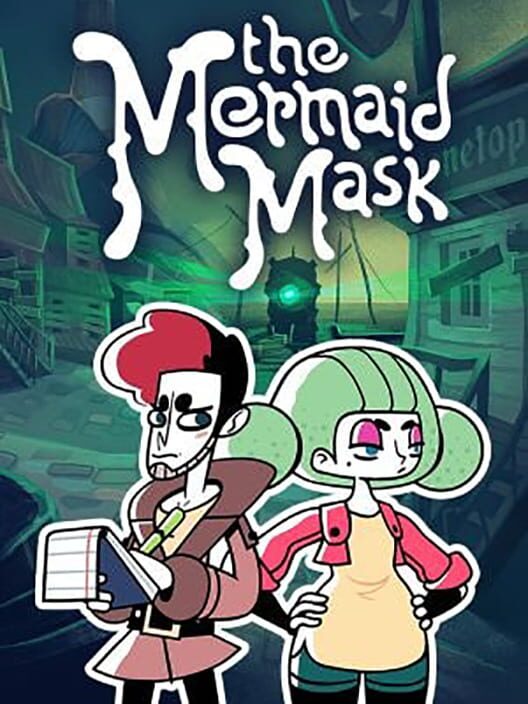
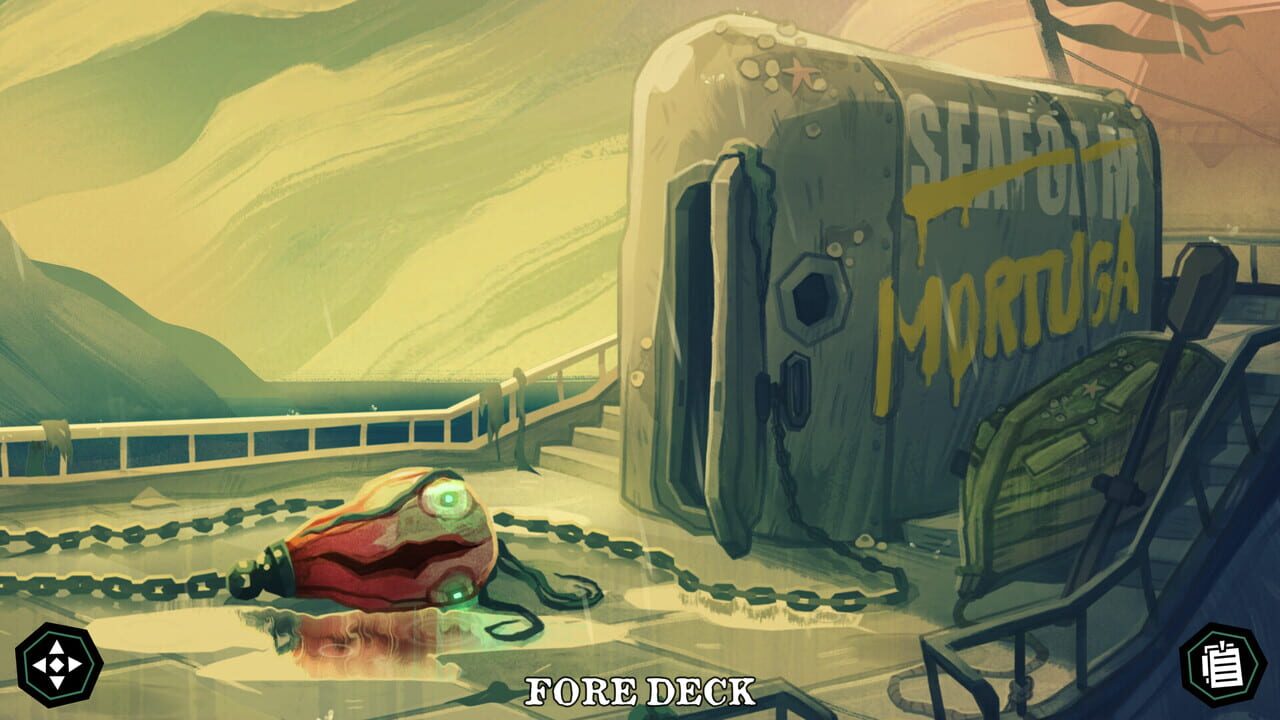
The Mermaid Mask is a point-and-click detective game from SFB Games, the studio behind Crow Country and the earlier Detective Grimoire games. It launched July 16, 2026 on PC, PS5, Switch and Switch 2. Detective Grimoire and Sally board the Mortuga Submarine after its captain, Magnus Mortuga, is found dead in a locked room.
The Mermaid Mask review scores
OpenCritic lists an 87 top-critic average from three reviews, placing it in the 96th percentile of scored games on the site:
- Shacknews9/10(TJ Denzer)
- Gamer Social Club9/10(Vikki McGowan)
- Loot Level Chill8/10(Kieran Singh)
Three reviews isn't a settled score, but all three land close together for similar reasons: the cast, the locked-room setup, and how the game makes old-fashioned clue gathering warmer and stranger. Shacknews calls it "a mystery full of quirk and intrigue" and "a riveting story of wayward souls and their mysterious benefactor." Gamer Social Club calls it "polished, clever, and thoroughly charming." Loot Level Chill calls it "one seriously compelling whodunnit packed with charm, wit and driven by a memorable cast of characters."
It doesn't sound like a puzzle box trying to prove how clever it is. It sounds like a mystery built around people, where deduction is what brings them into focus.
What critics love: the submarine's cast
The strongest thread isn't the murder; it's the submarine full of odd, wounded, funny people around it.
Denzer at Shacknews spends a lot of time on the crew: Dr. Zephyr, Sinthia, J.D. Wirman, Dirk, Madam Tadpole, Mariana Moon, Symmetry, Mr. Gripp and the rest. He praises the full voice acting, individual character themes, and how each suspect reacts to clues and to each other. If suspects feel like vending machines for information, a mystery dries up. If they have habits, histories and blind spots, every conversation matters.
McGowan at Gamer Social Club praises the classic detective-fiction pleasures: the right amount of misdirection, enough clue work to feel fair, and a reveal that doesn't come from nowhere. The suspect designs are superb, and long conversations rarely drag because everyone is voiced. The cramped, distinctive submarine becomes a character that keeps the investigation focused.
Singh at Loot Level Chill says his first impressions were a little cold until he reached the submarine and got pulled in by the "genuinely excellent" supporting cast. The vessel feels like a refuge for the weird and wonderful. The game isn't only asking who killed Magnus Mortuga, but why all these people ended up around him.
Tangle Tower fans will recognize this. For newcomers it may be a better pitch than any score: you don't need to learn lore before you care.
The puzzles: friendly, with some friction
Critics are broadly positive on puzzles, and this is where caveats start.
Shacknews enjoys connecting clues to suspects but notes the game can be wordy and some puzzle answers are similar enough to confuse. It's the familiar adventure-game risk: the fun is the mental click, but the path to it can feel mushy when several answers look plausible.
Gamer Social Club is kinder: most puzzles can be solved first time if you study what's in front of you, and Grimoire or Sally give subtle hints after wrong guesses. The game mostly avoids both handing you the answer and stranding you.
Loot Level Chill has the most useful criticism. Singh found the puzzles a "mixed bag," especially when symbols, number logic or 3D object manipulation took over. One puzzle's instructions and hints felt insufficient, and a few stalled him long enough to sap the story's momentum. He still gave 8/10.
If you love point-and-click mysteries because they give you room to think, this sounds tuned for you. If you mainly want the story and hate getting stuck, expect a few moments that test your patience.
The complaints: wordiness, puzzle clarity and callbacks
None of the reviews call it flawless; they just don't think the flaws are fatal.
Density. Shacknews says there's a lot of dialogue and information to track, even with notes. It's a game about listening, sorting and remembering. Play it half-distracted and you'll miss what critics are praising.
Puzzle clarity. Singh's stalls are the strongest warning, since mystery pacing is fragile. A hard puzzle feels great when it breaks; a vague one makes the story stop breathing. He says it's mostly in the first half and the second flows better.
The ending. Loot Level Chill says the mystery wraps up neatly but leaves one late event underexplained, and includes a reference that lands better if you know Tangle Tower. Not a dealbreaker, but newcomers may briefly feel they walked in one conversation late.
Critics mostly agree the game works. The question is whether the wordiness, occasional puzzle friction and series callbacks feel like texture or drag to you.
Should you play The Mermaid Mask?
Three reviews aren't enough to call it a consensus hit, but the early signal is unusually strong. Detective games without a big licence travel by word of mouth, and these critics are saying it's worth your evening, maybe your weekend.
If you liked Tangle Tower, it's probably already on your radar. If you know SFB Games from Crow Country, it shows the studio's range goes well beyond retro survival horror. If you want a mystery that treats its characters as more than clue containers, this is the small release to watch.