

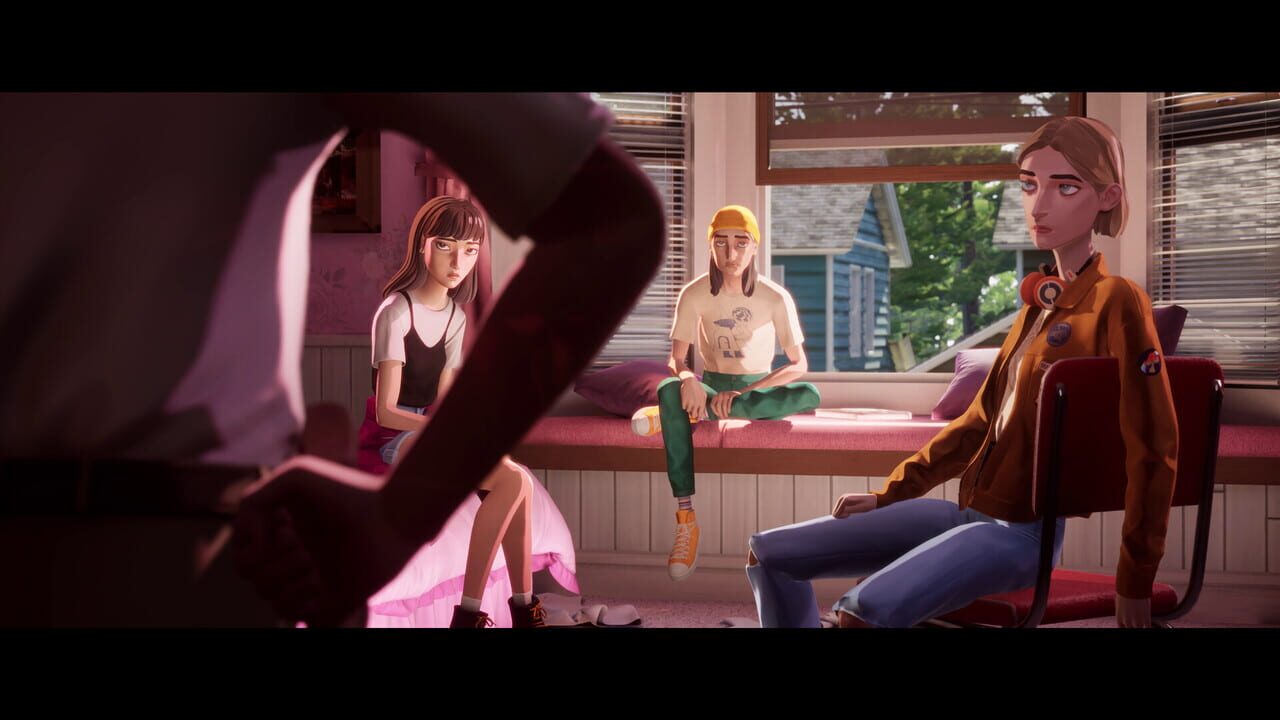
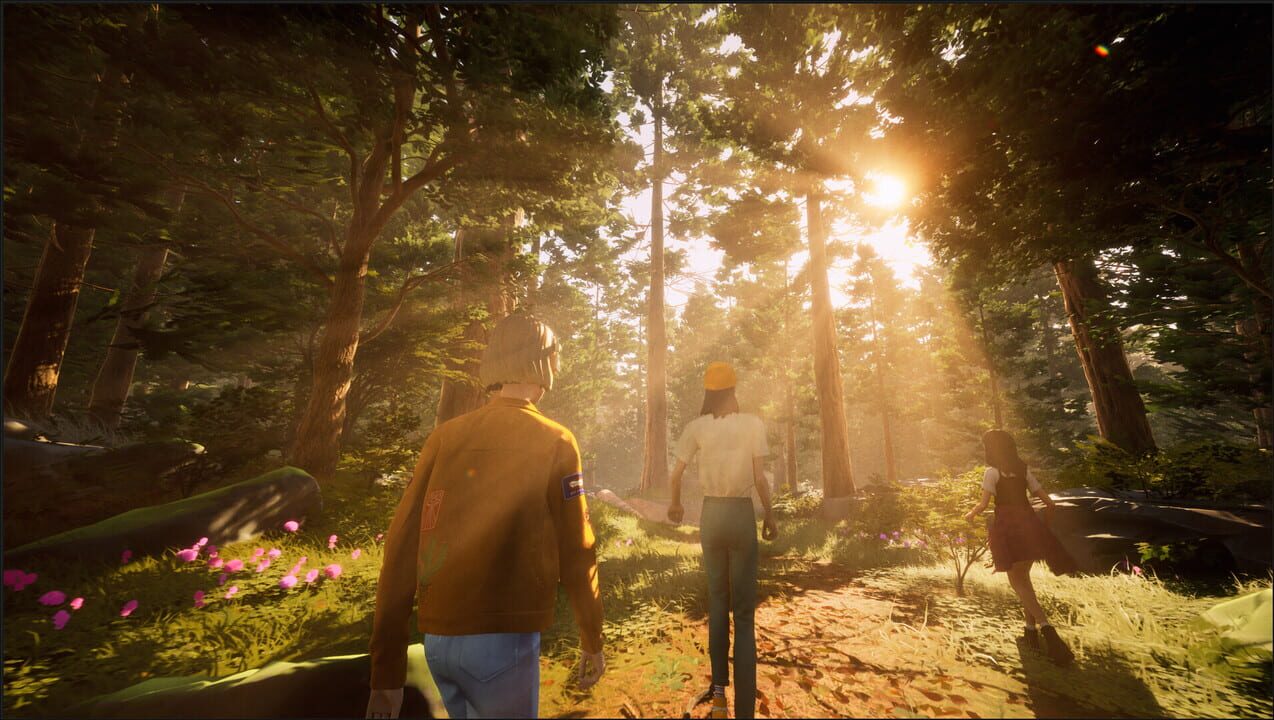
Mixtape comes out on Thursday, May 7. It's the new game from Beethoven & Dinosaur, a small studio in Melbourne, and Annapurna Interactive is publishing it. Three Northern California high schoolers have one last night together before everything changes, and a playlist turns that night into a string of playable, dreamlike memories. As premises go it's small. The Mixtape game also makes a neat case for something we care about: writing down what you played while it's still fresh.
What a mixtape actually was
A cassette gave you around ninety minutes, and you spent them carefully. You sat by the radio with a finger on record, or you timed the gaps between CD tracks. What came out was a fixed list in a fixed order, with your handwriting on the J-card, made for one person at one point in your life. You couldn't regenerate it the way you can rebuild a streaming playlist, and you knew the tape would stretch, get lost under a car seat, or outlast the friendship.
Games attach to moments the same way. If you finished Final Fantasy VI on a SNES one summer, you can boot it again tonight on something else and the game will be fine. The CRT, the bedroom and whoever was on the couch are gone. The file plays back; the circumstances don't.
Some games are mostly the people you played with
Halo 2 split-screen in 2004 is the obvious example. For a lot of people it's inseparable from a basement, a bag of chips on the carpet and three friends yelling over each other. Add Rock Band at parties, Mario Party at a family holiday, Borderlands over voice chat with a friend who later moved overseas, and Animal Crossing: New Horizons in spring 2020, when the island was one of the few places you could visit anyone. Load a fresh Halo 2 save today and you get Halo 2. The version you remember had your roommate's laugh on top of it.
What your game library records, and what it misses
Steam will happily tell you that you have 412 hours in Stardew Valley. It won't tell you that 80 of them were on flights to visit your sister, or that most of the rest happened during a job you hated, when the farm was the one thing you controlled. A trophy list can't tell a trophy earned alone at 2 a.m. from one earned with your partner watching. Playtime graphs are accurate and miss nearly everything you'd want to remember.
Reviews have a similar problem. A single verdict with a star rating can't say "I loved this in the October my dad got sick, and I wouldn't love it the same way now." It can't say "we beat the last boss together and we don't talk anymore." That's a diary entry, and most places you log games have no room for one.
Mixtape looks built around that gap. The soundtrack, which the Guardian reported includes Devo, Smashing Pumpkins, Iggy Pop and Joy Division, is the point: a song played on the right night with the right people becomes something you carry for years. The studio has been open about its John Hughes influences, and that's the register it's going for.
A game journal works more like a tape than a scorecard
The kid in Mixtape isn't rating his songs out of five. He's making a dated object, in his own voice, for people he's about to leave. That's journaling more than reviewing.
It's also roughly why we built Perthro. A review there can be one line or several pages, and lists are yours to name, so "games I played the year I lived in Vancouver" can sit next to an ordinary top ten. A paper notebook does the job too. We wrote up how to keep a game journal without it turning into a chore.
You won't know which 2026 games matter until later
Nobody knows in May 2026 which of this year's releases we'll be sentimental about in 2046. Odds are some of them won't be the big ones. It could be something a friend mentions on a Tuesday, with an odd interface and a song that gets stuck in your head at bedtime.
That's the practical case for a note written at the time. A paragraph written mid-game, before you know how it ends or how the year goes, can't be tidied up by hindsight. So when Mixtape comes out on Thursday, write down what you played that week, who with, and what else was going on, whether or not Mixtape makes the list. One line is plenty.