Perthro
Back to blog

Breakout at 50, and the shape of a game you never really finish

May is full of new releases, but Breakout turning 50 is the quieter hook. A paddle, a ball, a wall of bricks, and a reminder that small games can stay with us.

May has been loud in the usual way. The release calendar has new things to point at, wishlists to rearrange, trailers to half-watch while making coffee. GameSpot's May list has the kind of spread that makes the month feel busy before you even install anything: racing, spycraft, horror, cozy life sims, early access oddities. Somewhere inside that noise, a much older game quietly turned up again.

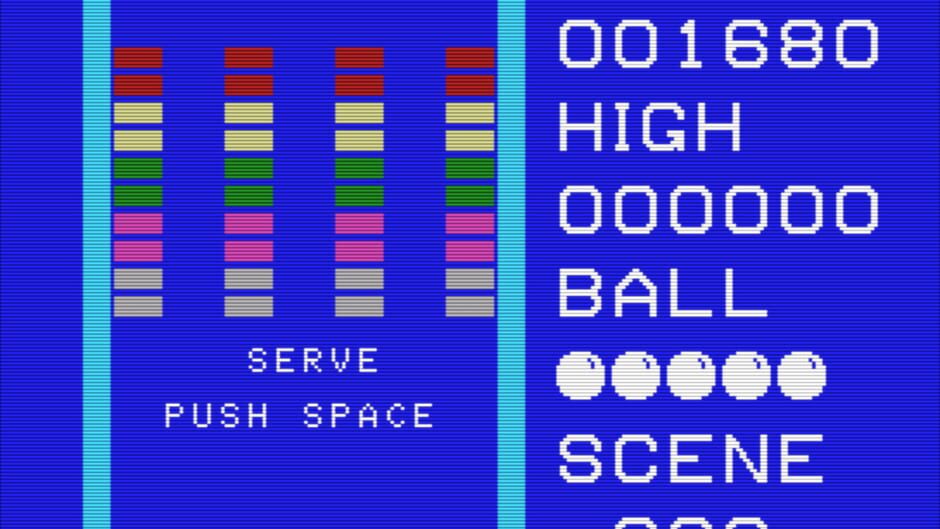
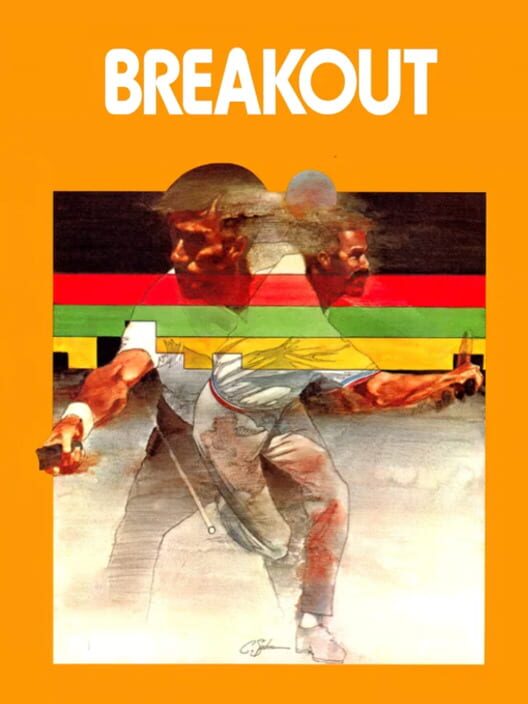
Breakout is 50 this year. Not a remake, not a new season, not a platform holder's keynote surprise. Just a game from 1976, still sitting there like a clean diagram of what games can be. A paddle. A ball. A wall of bricks. A sound that feels more like a tick than an effect. You move left and right. The ball comes back. If you miss, the room gets a little quieter.

That is almost nothing. It is also enough.

The smallness is the point

A lot of old arcade games get praised with the same museum language, which can flatten them. They become important because they are early, influential, foundational, the kind of words that make them feel less like games and more like plaques. Breakout does not need that treatment. The American Classic Arcade Museum describes it plainly: an Atari game from 1976, conceived as a single-player riff on Pong, where the player uses a paddle to knock a ball into rows of bricks. That summary still works because the game was never hiding much.

The strange thing is how much feeling fits into that little setup. The first bounce is almost casual. The ball moves at a pace your hand can understand. Then the gaps appear. The angles get meaner. The game starts asking whether you really meant to stand there, whether you were reacting or just hoping. A brick disappears and the board looks changed, but not solved. The wall gets smaller, the danger gets bigger.

Modern games often give us progress in great visible chunks. New region, new chapter, new skill tree, new outfit, new map icon. Breakout gives progress as absence. The reward is that something is gone. You made a hole. You opened a route for trouble.

I like that. There is a brutal honesty to it. No lore journal tells you why the bricks matter. No companion explains the paddle's tragic past. The game trusts the shape of the problem.

Fifty years of bouncing off things

The 2026 anniversary calendar is absurdly stacked. GameSpot's anniversary roundup points to a year full of round numbers for series like The Legend of Zelda, Dragon Quest, Metroid, Resident Evil, Pokémon, Quake, and Halo. Cubed3's milestone list makes the same point from another angle: 2026 is packed with birthdays for games, studios, and hardware that still shape how people talk about the medium.

Those anniversaries can make games feel like a march forward. First this, then that, then polygons, then online play, then open worlds, then season passes, then the next thing we are all supposed to have an opinion about. But the older I get, the less I believe games move in a clean line. They loop. They steal from themselves. They shed layers and then put them back on with better lighting.

You can see Breakout everywhere if you stop looking for bricks. The basic feeling is still alive in roguelikes where one mistake collapses a good run, in puzzle games that turn tiny spaces into pressure cookers, in action games where survival depends on reading a moving object half a second before it punishes you. The specific form changes. The old rhythm stays around: watch, move, commit, recover.

That might be why the anniversary lands differently from the usual nostalgia cycle. I do not feel wistful for a cabinet I never owned. I feel aware of how much of gaming still depends on a clean loop that a human body can learn. A thumb on glass. A stick under the palm. A trigger half-held. A dodge timed slightly too late. The technology changed, but the nervous little bargain between player and system is familiar.

A game you do not really finish

The funny thing about a game like Breakout is that finishing it is not the memory. The memory is trying again.

Arcade design understood this before most home games had the room to become sprawling things. A coin bought you a chance, not a campaign. The cabinet did not promise closure. It promised a cleaner attempt. You stepped up, made your tiny argument against the machine, and lost in public. Then maybe you put in another coin because you knew exactly where you had failed.

That kind of clarity can be harsher than modern difficulty. A giant boss fight can bury a mistake under spectacle. Breakout points directly at your hand. You were late. You drifted too far. You got greedy chasing one more brick at the edge. The game does not mock you. It just resets.

There is something comforting in that, though maybe comforting is not the right word. Maybe it is clarifying. The best simple games make failure legible. You do not need a wiki, a build guide, or a thread full of strangers explaining the meta. You already know. The ball went past you.

I think that is why these old games are worth remembering as games, not just as artifacts. They preserve a kind of directness that is easy to lose. We can love huge games. I do. I love the messy abundance of a giant RPG, the weird sprawl of a long-running live game, the luxurious feeling of a world that seems to have been built by people who kept adding one more corner. But I also need the small games. The ones that fit in the hand. The ones that tell the truth quickly.

What a journal catches that a trophy list misses

A trophy list can tell you that you cleared a mode. A platform library can tell you that you own a game. A storefront can tell you how many hours passed while the executable was open. Useful facts, all of them. Still, they miss the odd little reason a game stays with you.

Maybe you remember Breakout because you played a browser version in school when you were supposed to be doing something else. Maybe you remember a clone on a phone. Maybe you remember the first time a game made sense instantly, before tutorials became a whole language. Or maybe you do not remember Breakout at all, but you remember another game with the same hard little heartbeat.

That is the space Perthro is meant to respect. Not as a monument to old games, and not as homework for people who want to optimize their backlog. Just a place to keep track of what you played, what you plan to play, what you shelved, and what you thought when it mattered. You can rate a game on a five-star scale if a number helps. You can write a review as long or as short as you want if the number is not enough. You can keep a wishlist, make your own lists, or follow friends and see what they are playing without turning the whole thing into a leaderboard.

A game journal is good at catching the middle layer. Not the official history, not the marketing beat, not the achievement timestamp. The human part. The small note that says, I bounced off this in 2021 but I think I would like it now. The list called games for a rainy week. The review you write at midnight because the ending hit harder than expected. The record of a game that was not the best game of the year, just the game you needed that month.

The old loop is still alive

The older games get, the easier it is to talk about them like solved objects. We know where they sit in the timeline. We know which designers touched them, which companies published them, which later games borrowed from them. That history matters. It gives us a map.

But games are poor museum pieces when we stop playing them in our heads. Breakout is not interesting only because Atari released it in 1976, or because its development story brushes against Steve Jobs and Steve Wozniak, a connection the American Classic Arcade Museum lays out in its history of the cabinet. It is interesting because the idea still works when you strip the room away. The ball is coming back. You have less time than you want. Move.

That is a pretty good description of half the medium, honestly.

So yes, May 2026 has new games worth watching. The calendar will keep filling up. Wishlists will grow, feeds will move on, and the next big thing will get its weekend of noise. I am glad for that. Games should keep changing. They should keep getting stranger, kinder, sharper, slower, more personal, more difficult to summarize.

Still, there is something grounding about a 50-year-old paddle and a wall of bricks. It reminds me that a game does not need to be large to leave a mark on a person. Sometimes it only needs to ask one clean question and keep asking until your hands answer better.