
Coffee Talk Tokyo came out yesterday, May 21, in the middle of a crowded week. Metacritic's release list has it next to Yoshi and the Mysterious Book, Zero Parades: For Dead Spies and Luna Abyss, with LEGO Batman: Legacy of the Dark Knight and Bubsy 4D arriving today. GameSpot's May calendar looks much the same. It's a lot of games for one weekend.
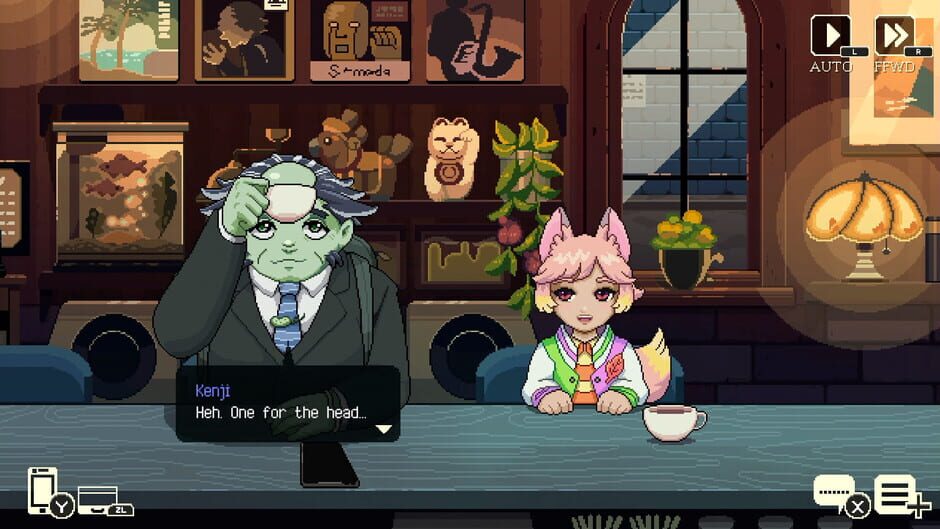
Coffee Talk Tokyo is about as far from a launch-weekend blockbuster as a game gets. You stand behind a counter, make drinks and listen to customers talk about their day. Nothing about it is built to win a busy release week, which is exactly why we wanted to write about it.
What kind of game Coffee Talk Tokyo is
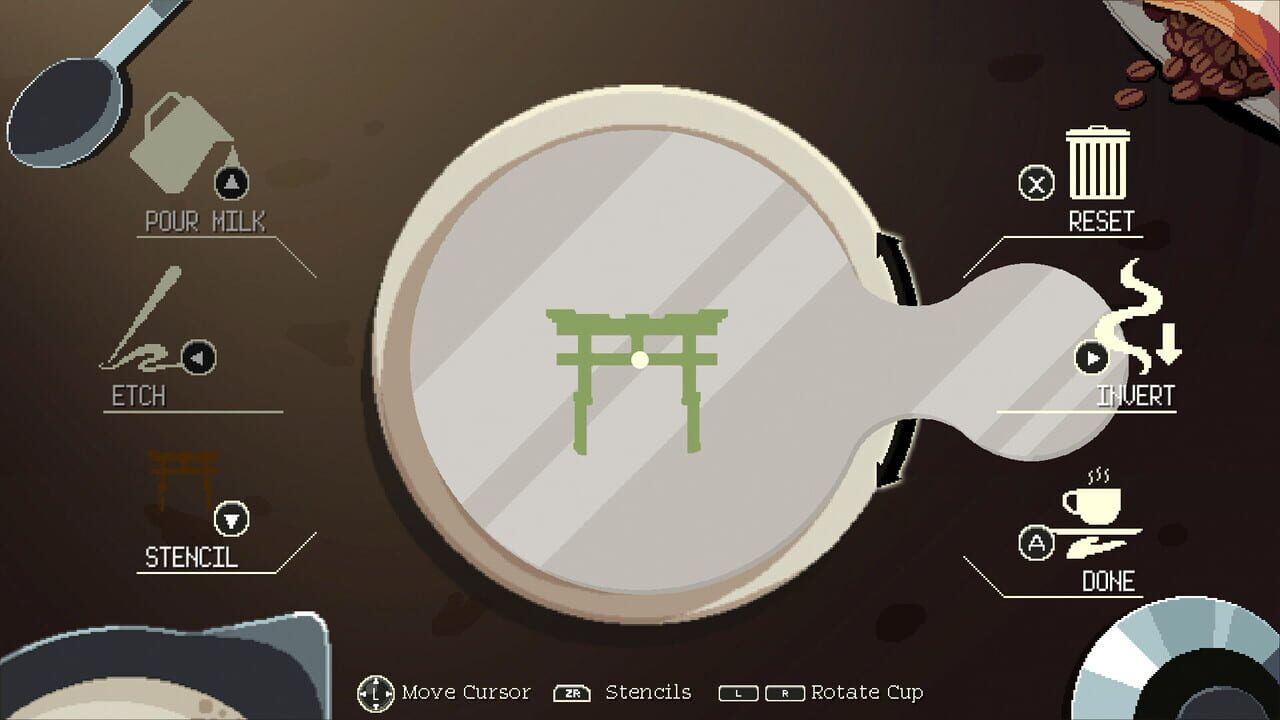
Like the first Coffee Talk, the new game is a visual novel built around a café. Customers come in with problems, you serve them, and the conversations move at their own pace. The Tokyo setting and its supernatural regulars give it a new backdrop, but the core loop is the same: make a drink, listen, get the order wrong sometimes, and see where the conversation goes.
The first game never needed to be played on launch day. Plenty of people found it months later and played a chapter at a time after work or before bed. Its value was never tied to keeping up with anything, and there's no reason to think the sequel is different.

Coffee Talk Tokyo in a crowded release week
The last month of release coverage has been full of lists. YouTube channels like gameranx, Best Indie Games and Mortismal Gaming have all been working through the same problem: a large number of new games, a lot of them indies, with June's showcases already on the way. Nobody is short of things to discover. Most people are short of evenings.
Each game in this week's batch asks for something different. Yoshi and the Mysterious Book wants your reflexes and, if you care about completion, a lot of your time. Zero Parades wants patience with failure. A café visual novel wants you to sit still and let fictional strangers talk long enough to become specific people.
That last kind of game is the easiest to overlook in a week like this. It doesn't have a big trailer moment or a spec sheet to argue about, and it's hard to compare on a chart. It mostly lives or dies on how the conversations land for you.
Why slower games need better notes
Release coverage has to move fast, and that's fine. People want to know what's out, what it costs and what runs on their machine. The trouble comes when the release date is the only thing we remember about a game. If you played it that week, it becomes part of your year. If you didn't, it turns into a title you half recognise when it shows up in a sale six months later.
A score doesn't help much with a game like Coffee Talk Tokyo. The useful notes are the ones about when to play it:
- "Play this when you want dialogue and no pressure."
- "Save for winter."
- "Liked the premise but I was too restless when I tried it. Come back later."
A typical backlog is a list of names with no reasons attached. That works with ten games. With a few hundred, it stops telling you anything. A line about why a game stood out (the café setting, the idea of a game with no world to save, a friend who loved the first one) is what makes the list usable later.
In Perthro, that note can go in a review of any length, or you can put the game on your plan-to-play list and a custom list like "games for late nights" so it turns up when you're actually in the mood for it.
Picking the smaller game on a Friday
Friday releases come with a daydream where there's time for all of them this weekend. There never is, so the choice gets personal. Do you want speed, a familiar series, something to master, something to finish, or something that asks very little of you?
A lot of new-release marketing is about scale: bigger worlds, more systems, more hours. That's great when you want it. It also makes a small, talky game look like it needs to apologise for its size. It doesn't. A game about serving drinks and listening can do things a hundred-hour open world can't, mainly by leaving room for whatever mood you bring to it. If you're stuck on which way to go, we wrote about choosing what to play next in a crowded release week.
Write down when it found you
The first detail to fade about a game is usually why you wanted it. You'll remember it came out in May. You'll forget that you picked it because you wanted something slow to play after everyone else had gone to bed.
If you play Coffee Talk Tokyo this weekend, write that part down along with whether it was good. Which customer stuck with you, which drink you kept getting wrong, what kind of evening it suited. A release calendar won't keep any of that for you.