Perthro
Back to blog

Mina the Hollower and the value of sharp edges

Yacht Club Games returns with a harder, stranger kind of launch-week energy.

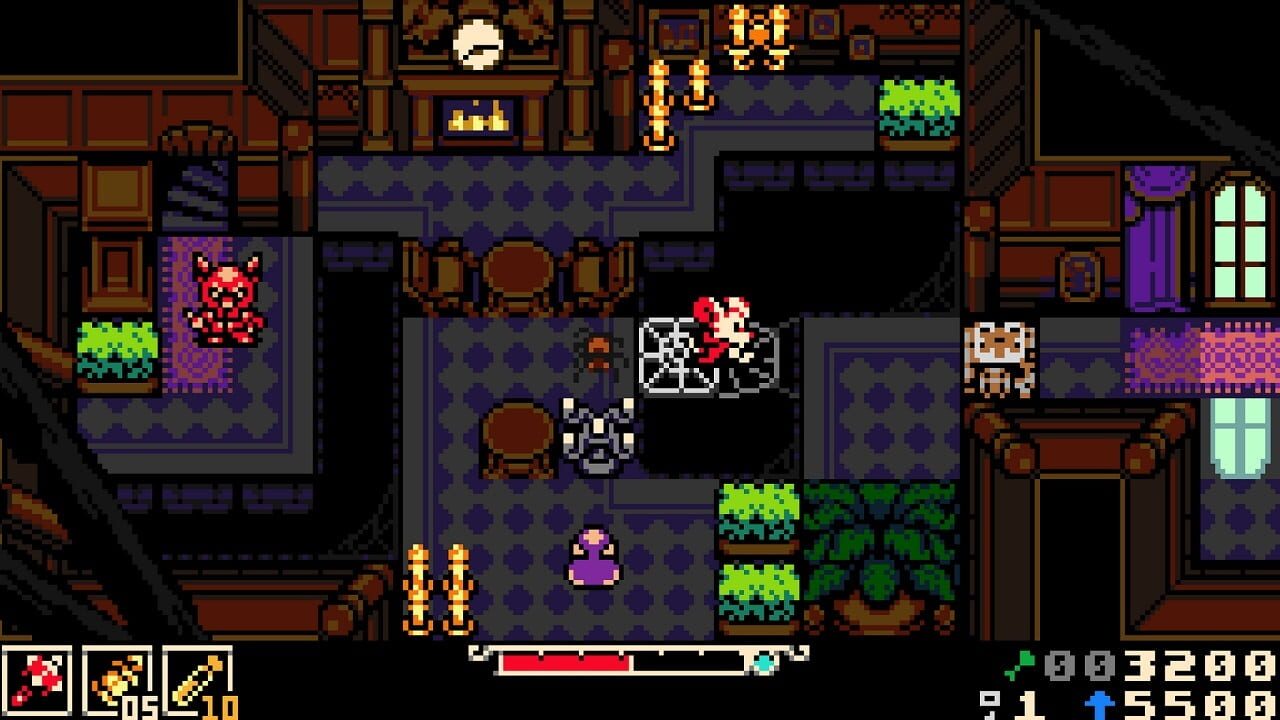
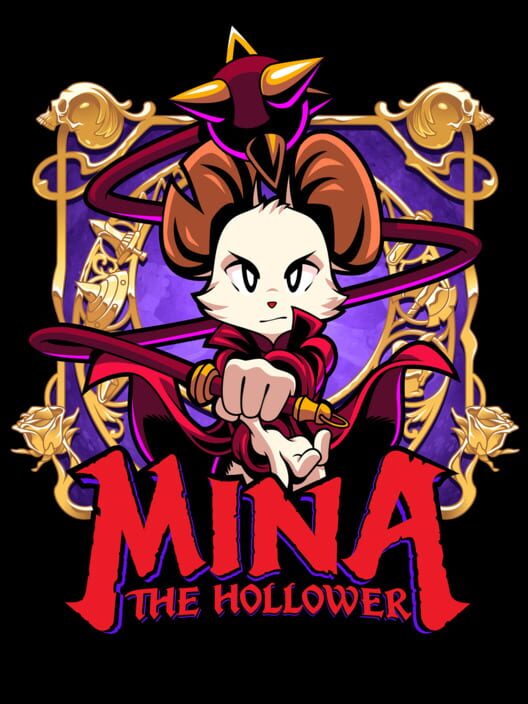
Mina the Hollower arrived today, which is the kind of sentence that sounds small until you remember who made it. Yacht Club Games has spent more than a decade living with the long shadow of Shovel Knight, one of those indie success stories that became both a calling card and a trap. The new game is not trying to be the same thing with a different costume. It is top-down, darker, stranger, and built around a little mouse-like hollower who dives into the dirt to survive.

That alone makes it worth paying attention to on a Thursday at the end of May, when the release calendar is already starting to lean toward June event season. The usual noise is back: lists of next month's biggest games, trailers stacked on trailers, platform speculation, and a whole lot of players trying to decide what deserves a spot on the weekend. In the last 30 days of gaming chatter I checked, the strongest current thread was not one giant platform story. It was the smaller, messier feeling that games are arriving faster than our attention can settle.

Mina is interesting because it does not seem built for that pace. It asks for patience, repetition, and a willingness to get clipped by something ugly because you got greedy. That is not a bad mood for games right now.

A launch that feels deliberately old-fashioned

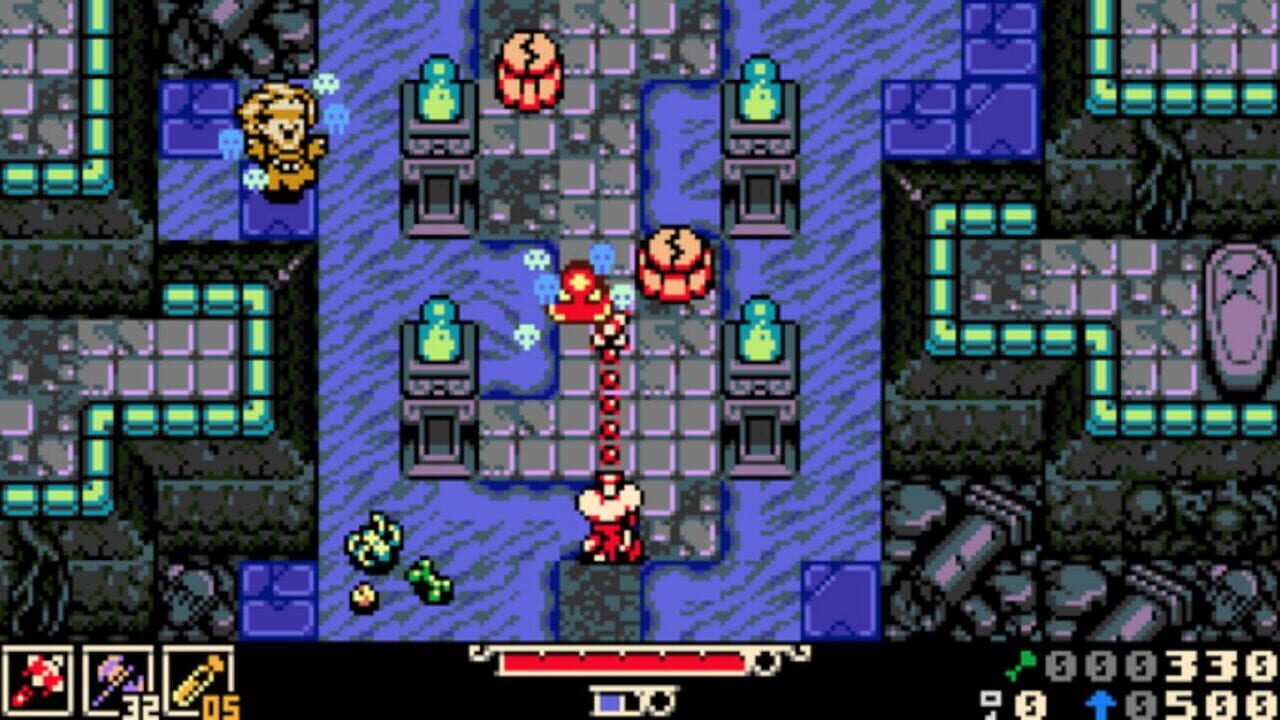
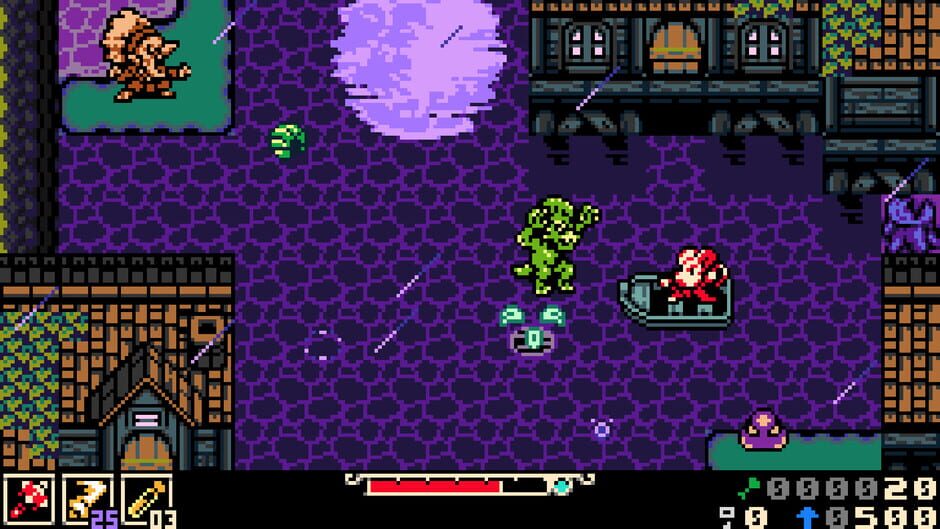
The current launch-day conversation around Mina the Hollower is pretty specific. Yacht Club Games ran a 24-hour launch stream on May 28. Review coverage is starting to land. The Cosmic Circus describes it as an 8-bit inspired action-adventure set on Tenebrous Isle, with a hub city called Ossex, six regions, tough combat, puzzles, and a death system where you can lose your spark and the bones you were carrying. It is not hiding what it wants to be. It wants the friction.

That matters because modern game launches often arrive pre-smoothed. The pitch is usually comfort first: frictionless onboarding, generous progression, accessibility menus, daily rewards, season tracks, and a clean promise that you will not be asked to sit with inconvenience for too long. Some of that is good. A lot of it is overdue. But the more games sand themselves down, the more noticeable it becomes when one keeps a few sharp edges on purpose.

Mina's trick, at least from the outside, is that it seems to be old-fashioned without acting like old is automatically better. The Game Boy color palette is a memory hook, sure, but the game is also coming to modern platforms and includes assist modifiers. The death system sounds mean, but not careless. The top-down burrowing mechanic is not nostalgia by itself. It is a physical verb, something you do to move through a world in a way that makes the character feel distinct.

That is the part I keep circling. Nostalgia is cheap when it only copies a surface. A limited color palette, chiptune-adjacent music, chunky sprites, a font that looks like it fell out of a cartridge manual. We know the routine. What still works, when it works, is the feeling that old hardware forced games to be precise about what mattered. A room had to teach you something. A hit had to be readable. A shortcut had to feel earned.

If Mina pulls that off, it is not because it looks like an older game. It is because it remembers that older games often trusted players to learn by bruising themselves.

The week before the next pile-on

There is also timing. June is not quiet anymore, even when the release schedule looks quiet on paper. Metro's June preview points to a month shaped as much by industry events as by launches, with Summer Game Fest, Xbox, Nintendo, and the usual orbit of announcements pulling oxygen away from anything that lands nearby. The games themselves are only half the weather. The other half is expectation.

That creates an odd little window for a game like Mina. It arrives before the next wave of trailers can rewrite everyone's shopping list. It gets a few days where people can talk about the actual thing in their hands instead of the things they might play someday. That should not feel rare, but it does.

One of the stranger habits of being a game person in 2026 is learning to be excited in advance. We wishlist in advance. We argue in advance. We decide whether a publisher is cooked in advance. Then the game comes out and the conversation sometimes feels almost annoyed that reality has interrupted the forecast.

A launch like this pushes against that a little. It is a finished object. You can buy it, boot it, get lost, get annoyed, get better, and decide what you think. That sounds basic. It is basic. It is also the part of the hobby that gets weirdly easy to skip when the feed is full of the next countdown.

This is where I think smaller games still have a chance to matter more than their size suggests. They can be specific enough to cut through the schedule. Not louder, exactly. Just clearer.

The backlog is more than a pile of obligations

A hard game launching into a crowded calendar also pokes at the way we talk about backlogs. I do not love the word, but it is useful. It admits the truth: most of us own more games than we can finish, and the list only grows. Sales make it worse. Subscription libraries make it worse. Demos make it worse in a different way, because they leave behind half-memories of games we intended to return to and then did not.

The easy response is to turn the whole thing into productivity. Sort the backlog. Clear the backlog. Beat three short games before starting a long one. Make a rule that you cannot buy anything until you finish what you have. I understand the appeal. I have also never met a hobby that got better by being managed like an inbox.

The better question is not "How do I finish everything?" It is "What kind of game do I want to make room for right now?" That changes the shape of the list. Mina the Hollower is probably not the thing you start when you want a soft landing after work. Maybe it is the thing you start when you want to be awake. Maybe you save it for a weekend morning, when failure feels less like one more thing going wrong and more like a private dare.

This is one of the reasons Perthro treats tracking as a journal rather than a scoreboard. You can mark what you are playing, what you have played, what you plan to play, and what you shelved, but the useful part is the note you leave yourself. A five-star rating is fine. A messy paragraph about why a game found you at the wrong time is better.

Because sometimes shelving a game is not failure. Sometimes it is timing.

Friction can be a kind of kindness

The games that stay with me are not always the ones that respected my time in the clean, corporate sense of the phrase. Sometimes they are the ones that wasted a little of it until I understood the rhythm. The first hour of a difficult game can feel like being told no by a locked door. Then, slowly, the door becomes a sentence you can read.

There is a specific pleasure in that. Not because suffering is noble. Please, no. But because learning a game through your hands is different from being told what to do by a UI. The first time a dodge finally clicks, or a shortcut folds back to a safe room, or a boss pattern stops looking impossible and starts looking rude, the game has changed without changing at all. You did.

That is why launch-week discourse around games like Mina often feels too narrow when it only asks, "Is it too hard?" Difficulty is not one thing. It can be cheap, expressive, funny, exhausting, precise, or just badly tuned. The question that matters more is whether the game gives enough back for what it takes.

From the early coverage, Mina seems aware of that bargain. The assist modifiers are a good sign, not because every player will use them, but because they suggest the developers know friction is a design choice, not a moral test. The spark-and-bones system gives death weight. The burrowing gives movement a signature. The world gives you a reason to keep checking corners.

A game can be demanding and still be generous. It just has to be generous in the right places.

What to do with a game like this

My instinct with Mina the Hollower is not to rush it into the verdict machine. That will happen anyway. Scores will settle. Tier lists will form. People will decide whether it clears the impossible bar set by Shovel Knight, which is a slightly unfair thing to ask of any follow-up from a studio that already gave players one beloved game.

I would rather let it be a new entry in the personal record. Start it, write down the first boss that made you swear, note whether the Game Boy mood actually lands or just looks good in screenshots. If you bounce off it, write that down too. If it becomes the game you keep returning to for the next few weekends, that is the interesting part. Not the universal ranking. The shape it takes in your own year.

That is probably the healthiest way to meet most new games now. Less pressure to pronounce, more room to notice. The release calendar is not slowing down. June will bring events, ports, remakes, and another stack of games asking for attention. Some will deserve it. Some will get it for forty-eight hours and disappear.

Mina the Hollower gets today. That is enough to start.

If you are playing it this week, make a note before the take hardens. The first impression is not always the truest one, but it is the one you cannot recreate later.