
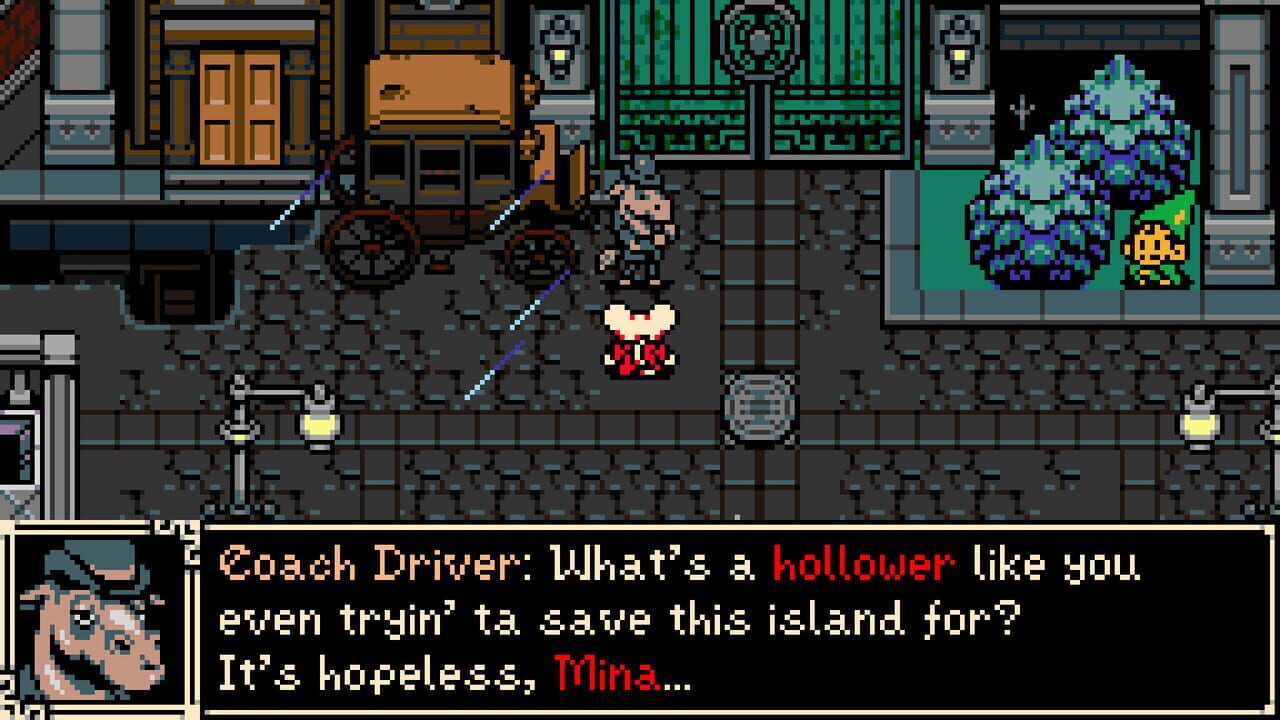
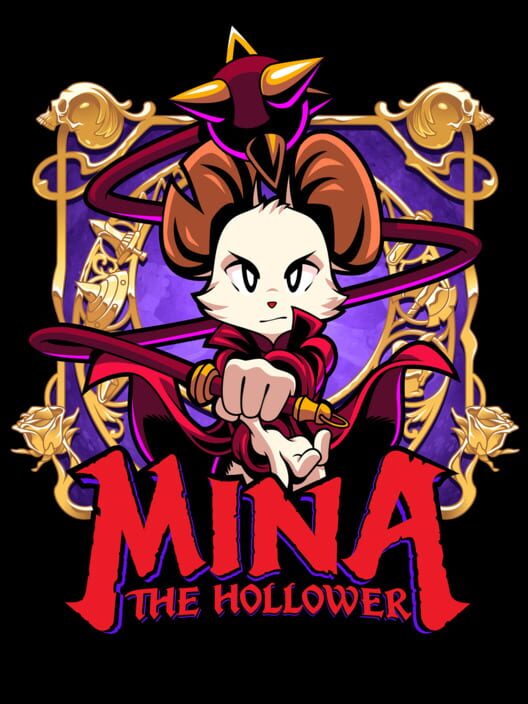
Mina the Hollower arrived on a Friday with the strange confidence of a small thing that knows exactly how much room it needs. It is a Game Boy Color styled action adventure from Yacht Club Games, the studio most people still associate with Shovel Knight. That comparison is unavoidable, and probably unfair in the usual way comparisons are unfair. Shovel Knight looked backward and somehow felt present. Mina the Hollower is being asked to do that trick again, this time with top down Zelda, Castlevania, and a little FromSoftware grit in the soil.
The critic response is not quiet. OpenCritic lists Mina the Hollower at 92 with 98% of critics recommending it, across 63 reviews. Metacritic has it at 92 on PC from 49 critic reviews. Those numbers put it in the rare air where a retro inspired indie stops being a pleasant niche release and starts becoming one of the review stories of the year.
That does not mean every critic is saying exactly the same thing. The consensus is warmer than it is cautious, but the interesting part is where the praise gathers. Reviewers are not only saying Mina looks right or remembers the classics. They are saying it understands why those old structures worked, then has the nerve to make them sharper, stranger, and more demanding.
Mina the Hollower review scores: the short version
The score range is high, with most major notices clustered around the 9 out of 10 and 10 out of 10 zone. IGN gave it a 10, PC Gamer gave it 90, GamesRadar called it one of the best indies it has played in a long time, and TheGamer described it as almost faultless. OpenCritic’s current 92 average matches the broad mood: critics see a hard, generous, systems rich adventure that is much bigger than its small-screen look suggests.
A few outlets are more reserved. Push Square’s OpenCritic excerpt frames it as a good game for players who love the idea of mixing Zelda with Dark Souls, but warns that people who do not fully love that blend may read its friction as roadblocks rather than challenge. Giant Bomb’s excerpt is sharper, saying the Dark Souls influence keeps it from being the best Zelda style game it could be, while the Zelda mechanics stop it from reaching the heights of the best Soulslikes. That is the main disagreement in miniature. Is Mina a clean fusion, or a game tugged between parents?
Most critics land on the first answer.
Critics agree that Mina is more than nostalgia
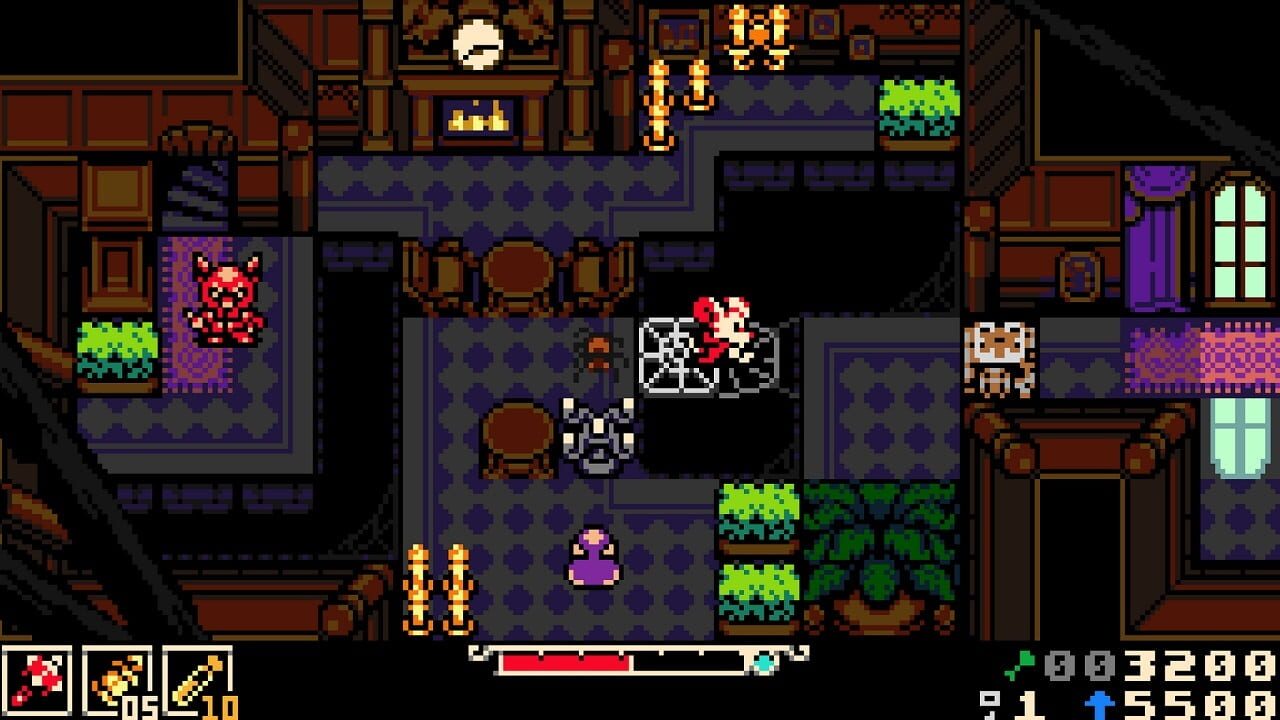
IGN’s review is the loudest signal, partly because of the score and partly because of the way Samuel Claiborn describes the game’s mixture of influences. He calls Mina “a tough-as-nails adventure gorgeously done up in the style of the Game Boy Color’s best,” then argues it becomes more than its pieces: Zelda’s open world structure, Castlevania’s horror mood, and Soulslike combat and progression. The key line in IGN’s verdict is simple enough to stick: “Mina the Hollower will burrow into your brain and set up a cozy little house there.”
That sounds cute until you read what the review is actually praising. IGN is not talking about a cozy game. It is talking about a game that keeps little unresolved problems alive in your head: a chest above reach, a puzzle clue that suddenly makes sense before bed, a secret boss waiting until you are strong enough or stubborn enough. That is the kind of game people used to describe by drawing maps in notebooks. Mina seems to have brought some of that back without pretending modern design never happened.
PC Gamer’s Kerry Brunskill comes at the same idea through combat. The review’s verdict calls Mina “a gloriously gothic combination of ferocious combat and beautiful scenery, with enough secrets and modifiers to keep the game fresh and fun for a very long time.” In the body of the review, the part that matters is the word “improvised.” Combat is not one correct answer repeated forever. Weapons, sidearms, and modifiers change the shape of a run. A bike, a parasol, a ghost, a whip, daggers, a coffin, trinkets that change healing and movement, all of it pushes the player toward their own rhythm.
That matters because retro action adventures can sometimes become museum pieces. They look exact, sound exact, and then spend ten hours reminding you why certain irritations were left behind. PC Gamer’s review argues Mina avoids that trap because its hard edges are adjustable. If you are stuck, the game includes assists and modifiers. If you want pain, it gives you ways to make the pain worse. The difficulty is not hidden. It is made negotiable.
The Zelda comparison is useful, but a little too small
Almost every Mina the Hollower review invokes The Legend of Zelda: Link’s Awakening. That makes sense. The screen scale, the readable tiles, the chunky top down movement, and the idea of an overworld stitched to dangerous themed regions all point in that direction. But the critics who like Mina most seem eager to move past that shorthand.
GamesRadar says the game is “not just an indie follow-up to Link’s Awakening,” and that warning is probably useful for players coming in from the softer side of Zelda. The review says Mina is meaner, and that it can “kick your teeth in” if you do not meet it on its own terms. The same review still gives the game a glowing verdict, calling it “one of the best indie games I’ve played in a long, long time,” but it is careful about why. The pleasure comes from choice, challenge, and variety, not from a breezy imitation of an old Nintendo mood.
TheGamer makes a similar move. It opens by admitting Mina wears its inspirations plainly, then says Yacht Club repeats Shovel Knight’s old magic “and then some.” The review praises themed areas that avoid the expected volcano, desert, jungle, and castle pattern. Instead, it points to places like a wicker themed zone with a scarecrow stalker and a swamp watched by a massive killer fish. That kind of specificity is why the praise feels credible. Critics are not just saying the world has charm. They are remembering pieces of it.
There is also a useful disagreement around the map. TheGamer’s main complaint is that navigation can be confusing because Mina lacks a detailed map. IGN sees that absence as part of the game’s unknown, closer to Dark Souls and Bloodborne than to Metroid or Castlevania. I can see both sides. A sparse map can make the world feel dangerous and alive. It can also make a Tuesday night session feel like wandering around with one hand on a half-forgotten memory. Whether that sounds romantic or annoying probably tells you whether Mina is for you.
Why the difficulty conversation matters
The critical split around Mina the Hollower is not really about whether it is good. It is about what kind of good it is.
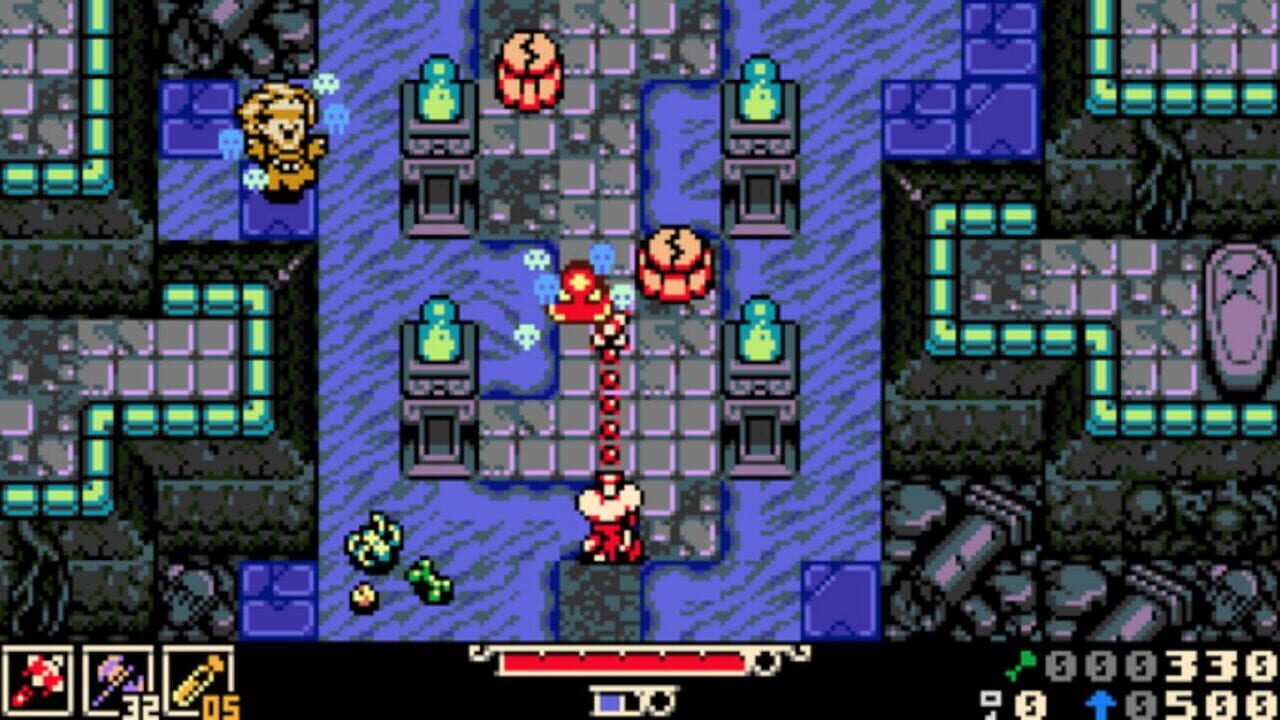
Some games are praised because they disappear in your hands. Mina is being praised because it pushes back. Reviewers keep circling the same set of verbs: burrow, dodge, grind, experiment, retreat, return. The healing system is a good example. GamesRadar describes it as a mix of Dark Souls Estus and Bloodborne Regain: you have vials, but your ability to heal depends on building plasma by landing hits. That means survival often requires aggression at exactly the moment you want to panic.
IGN highlights the same risk and reward loop through Bones, Mina’s Souls style currency. You can spend them to improve attack, defense, or sidearm power, but death puts them at risk unless you recover them. The interesting bit is that IGN sees grinding and build tinkering as escape valves, not chores. If a boss is too much, you can learn the pattern, level attack, or rethink your trinkets. Mina’s toughness has more than one answer.
That is probably why the accessibility and modifier praise shows up so often. PC Gamer says the game can support a great version of many different experiences. TheGamer calls it one of the most accessible games of its kind because assists are available from the start. GamesRadar notes that trinkets and options can change how you engage with even core systems. This is an old looking game with a modern understanding of player friction: not all challenge needs to be removed, but players should know where the knobs are.
The quiet lesson from the Mina the Hollower reviews
The most interesting thing about Mina the Hollower’s reception is how little of it rests on novelty. Nobody is pretending a small mouse with a whip has reinvented games from first principles. Critics are doing something more grounded. They are saying Yacht Club Games took familiar parts and tuned them with unusual care.
That is harder than it sounds. Nostalgia can make a game smaller. It can trap a studio into proving it remembers the same cartridges you do. Mina seems to have dodged that. The praise is about density, not reference. Secrets tucked into corners. Regions with their own mechanical identity. Bosses that ask for attention. New Game Plus variants that make a second run feel considered rather than ornamental. A world that critics keep describing as rich, strange, and worth re-entering.
The caveat is also clear. If you want a gentle Zelda-like, Mina may be rougher than expected. If you dislike sparse maps, resource recovery, and bosses that punish sloppy movement, the same details critics admire may be the details that wear you down. The high score average does not erase that. It just tells us most critics found the friction purposeful.
For Perthro players looking at a Friday release stack, Mina the Hollower is the kind of game worth logging with a note, not just a star rating. It sounds like one of those games where the score tells only half the story. The other half is whether a secret room, a stubborn boss, or a little unanswered path keeps calling you back after you meant to stop playing.
That is usually a good sign.