
Mixtape's averages look settled: 87 on OpenCritic, around 85 on Metacritic. The reviews underneath them are arguing about something specific. Nobody credible is calling it bad. The disagreement is over how much credit a short, music-led story game with very light mechanics should get, and whether a beautiful few hours you mostly watch counts as a great game or a great something else.
Mixtape review scores at a glance
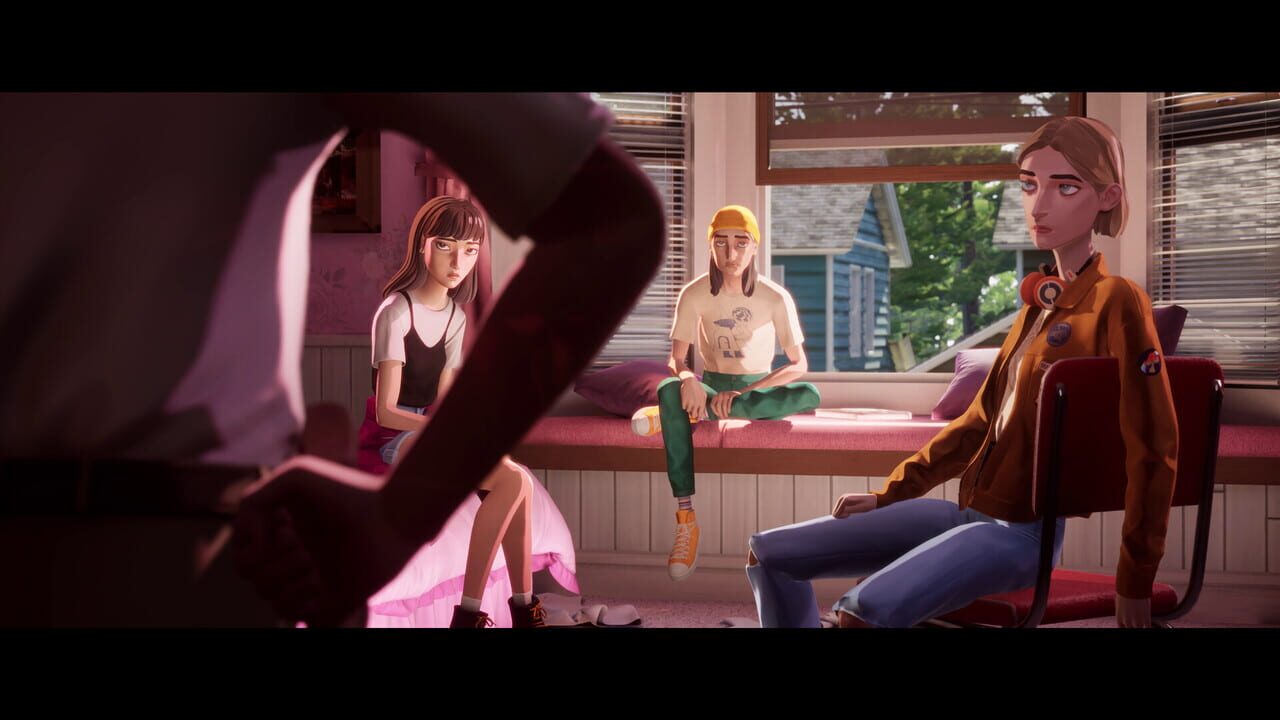
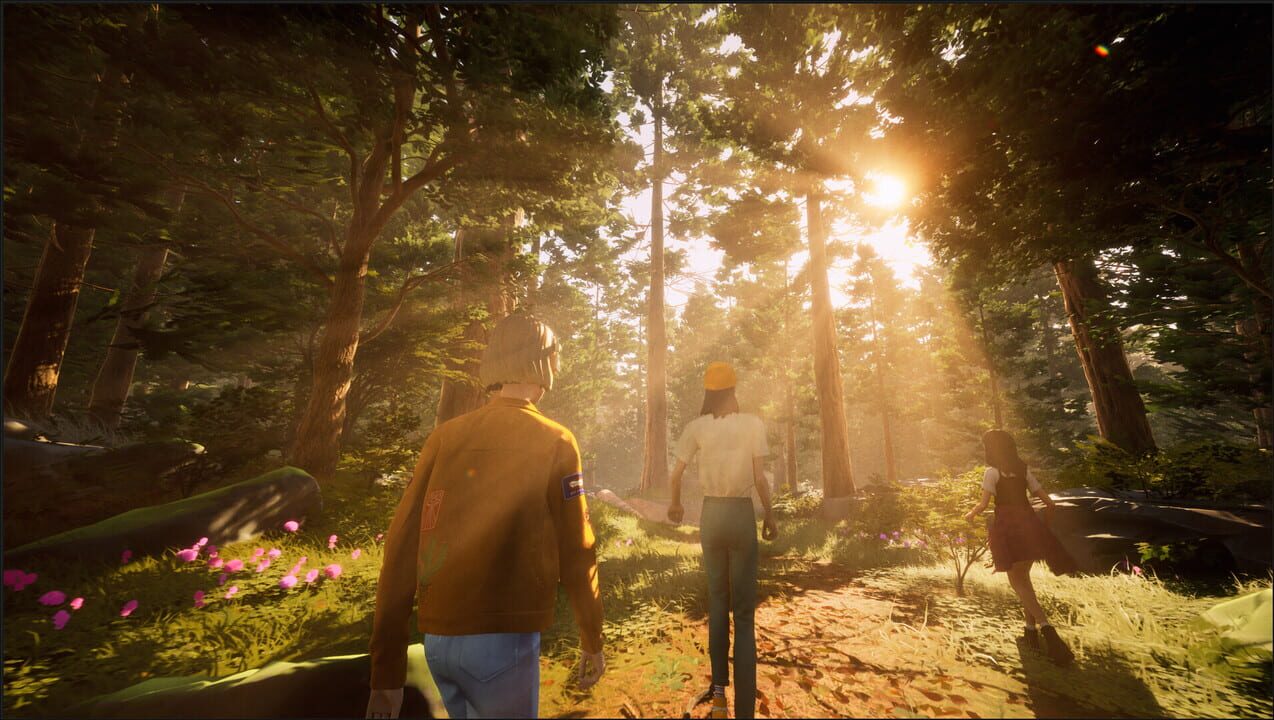
Mixtape came out on May 7, 2026 for PC, PlayStation 5, Xbox Series X/S and Nintendo Switch 2. It's from Beethoven & Dinosaur, the Australian studio behind The Artful Escape, and Annapurna Interactive published it. Stacy Rockford is leaving town, and her last night out with friends plays as a string of memories, songs and short playable scenes.
- OpenCritic: 87, rated Mighty, 100 critics, 96th percentile. GamesRadar noted it briefly sat at 94 when only 20 reviews were in.
- Metacritic: about 85, with a wider spread that includes a few mixed reviews.
- Top of the range: IGN 10/10, Game Informer 9/10, VGC calling it "one of 2026's must-experience games."
- Bottom of the range: PC Gamer 74, plus a handful of 7.5/10 reviews listed on OpenCritic.
So the real spread runs from roughly 7.4 to 10. That's narrow by review-season standards, but when the top end is calling it a masterpiece, a 74 stands out.
IGN said it was "a musical delight from start to finish" and that it sets "a new standard for coming-of-age stories in video games." Game Informer called it an "instant classic," with sharp writing, a short runtime and a licensed soundtrack chosen with real care. GamesRadar gave it 4/5 and flagged that it's "relatively light on mechanics." PC Gamer's verdict put the sceptical case in one line: "Lovely, beautiful, heartwarming, and unable to convince me it needed my input as a player at all."
What critics love about Mixtape
The soundtrack comes first in nearly every positive review, and not as background. Stacy is a music obsessive, and the game uses songs the way memory does, attaching them to specific moments. GamesRadar called the soundtrack "narratively important and also kind of a bop all its own." Game Informer described the playlist running through the three-to-four-hour game, sometimes behind the action and sometimes the point of it, with scene transitions cut tightly around each track.
IGN singled out scenes that feel universal even if you never lived them: softball practice set to "The Touch," escaping a house party in a shopping cart, and a deliberately excruciating first-kiss minigame. They're specific and a bit ridiculous, which is how being 17 felt.
Eurogamer quoted writer and director Johnny Galvatron saying the aim wasn't to claim things were better back then, but to ask if you remember when the future felt strange, when everything was a huge deal and you defined yourself by what you liked. Eurogamer thought the game managed it, called Mixtape "a delight," and said it makes its point the way a teenager would.
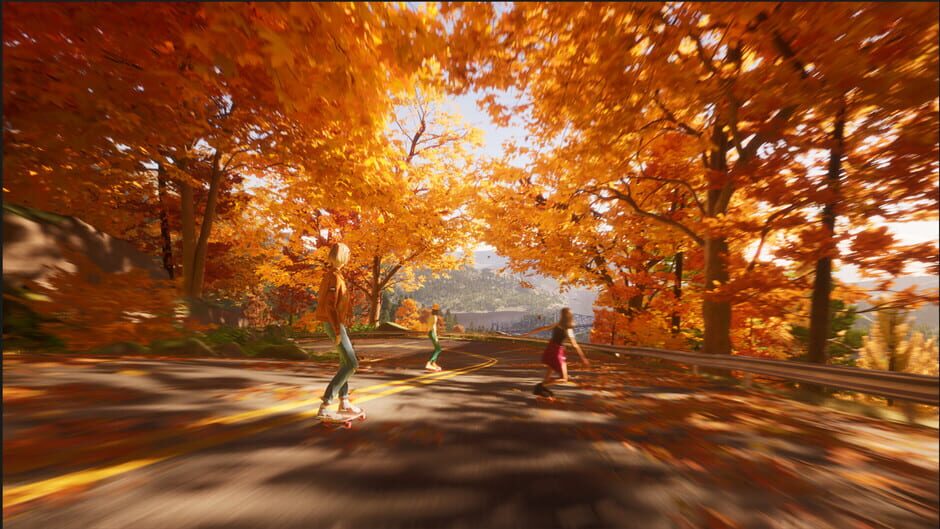
Reviewers also liked how rarely it repeats itself. One memory is skateboarding, the next is taking photos, skipping rocks, batting practice, drifting through a rainy afternoon. Game Informer noted the sequences are short and varied and don't overstay. TheGamer argued the low stakes are the strength: a last party with friends can feel more uncertain than another end-of-the-world plot.
Why some critics scored it lower
The main complaint is that Mixtape often doesn't need you. PC Gamer compared it to a good film, and meant it as praise and criticism at once: gorgeous, well written, charming by the end, but with button presses that feel like interruptions rather than part of the story.
Where you land depends on what you think a memory should feel like to play. Some reviewers found the light interaction fitting, since you don't beat a memory, you wander through it. Others felt the game never justified being a game. GamesRadar sits in between, listing "not mechanically complex" as its main con while praising the animation, music and length. The lower OpenCritic excerpts say something similar: strong atmosphere and visual style, held back by limited interaction. Even some positive reviews admit it's a one-time play.
If you judge games by mastery, replay value and systems that push back, Mixtape will probably feel slight. If you like authored mood pieces, the length (five hours by GamesRadar's estimate, three to four by Game Informer's) will likely feel right.
The culture-war detour
After the rave reviews, some online discussion turned into accusations that the praise was inflated or that the studio had misrepresented itself. PC Gamer wrote a follow-up pushing back, pointing out that Annapurna Interactive is openly listed as publisher and that a game with an expensive licensed soundtrack isn't hiding what it is.
That argument is less interesting than the ordinary one. Mixtape leans on nostalgia, licensed music and teenage feeling, with almost no mechanical friction. When the tone works for you, it works hard. When it doesn't, there's no combat system underneath to fall back on. A real mixtape behaves the same way: one person hears their whole adolescence, the next hears somebody trying too hard.
Should you play Mixtape?
Play it if you want a short, authored story about music, memory and leaving your teenage life behind. Don't go in expecting Life is Strange-style choices, a skateboarding game with a plot, or The Artful Escape again. Several critics describe it as a run of playable music videos stitched into one night.
An 87 from 100 critics isn't a fluke, even after the early 94 cooled. The lower scores don't sink it; they tell you what kind of game it is. It's the sort of thing that either catches you on the right night or slides off.
If you want the other side of Mixtape, we wrote about the games we keep like songs before it launched.