
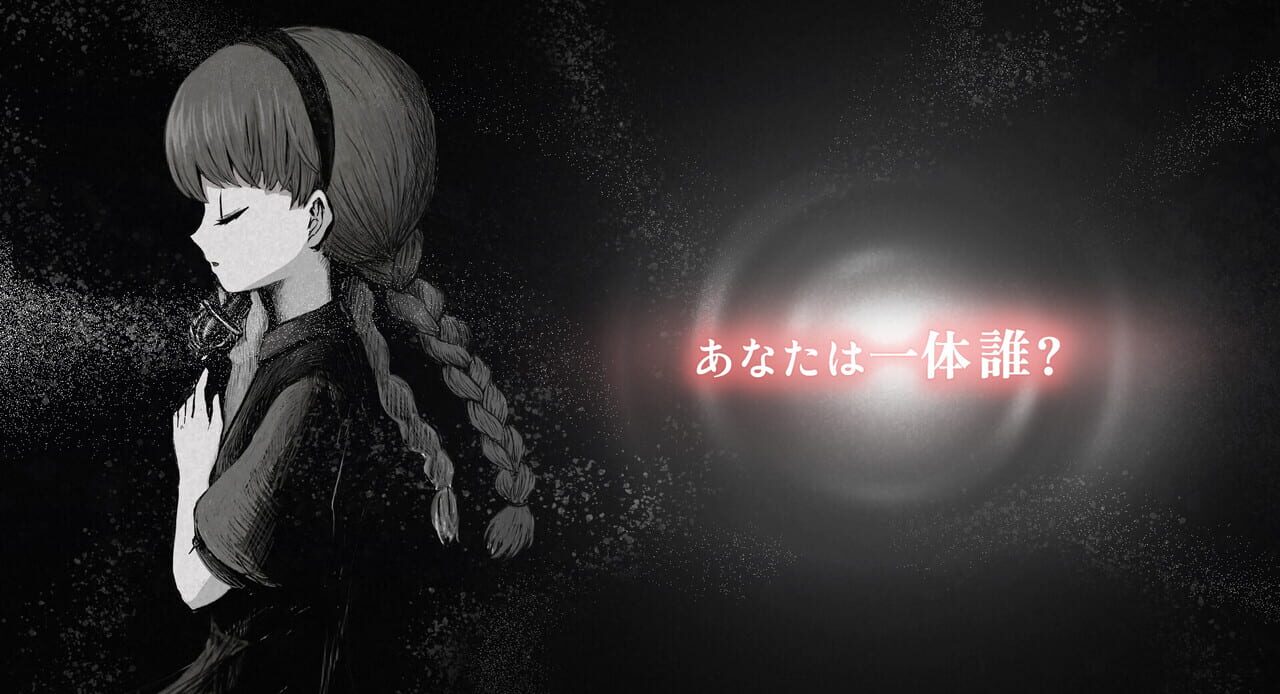

Schrödinger's Call is the kind of May release that can slip past you if your week is already full of bigger names. It does not have the size of Forza Horizon 6, the brand heat of 007 First Light, or the easy shorthand of another franchise return. It is a small narrative adventure from Acrobatic Chirimenjako, published by Shueisha Games, and its basic pitch sounds almost too quiet: a girl answers phone calls from people caught at the edge of death.
Then the review numbers arrive and the shape changes. On OpenCritic, Schrödinger's Call is sitting at a 93 Top Critic Average, with 11 reviews counted and 100% of critics recommending it. The visible review spread runs from 80 to 100. That is not just a polite reception. That is the sort of little flare that makes you stop and ask what critics are hearing in those calls.
The short answer is grief. The longer answer is that critics seem to be responding to how directly the game treats grief without flattening it into a puzzle box. Schrödinger's Call is not being praised because it has a clever hook. It is being praised because the hook gives the writing a way to sit with regret, uncertainty, and the terrible unfinished feeling of a life interrupted.
Schrödinger's Call review scores at a glance
OpenCritic lists Schrödinger's Call as a Mighty-rated game with a 93 average, 11 reviews, and a 90 median score. The score range I could verify from named outlets is wide at the top but not especially chaotic: NintendoBoy and Game Lodge both land at 100, Hardcore Gamer and Pizza Fria land at 90, GameBlast lands at 83, and LadiesGamers lands at 80.
That range matters. An 80 from a critic who still says the game lingered in memory tells a different story than a clean, universal 9 or 10. This is not a broad crowd-pleaser in the usual sense. It sounds more like a game that asks for a specific tolerance: slow emotional excavation, repeated dialogue, ambiguous choices, heavy imagery, and a willingness to let atmosphere do a lot of the work.
Hardcore Gamer's review frames it as a visual novel with some point-and-click moments, starring Mary, "a young girl tasked with answering phone calls as the World's Last Confidant." The setup is almost mythic but the actual work is intimate. Mary listens to spirits whose memories are broken, then tries to help them move through the regrets that keep them caught in place. Hardcore Gamer calls the result "an impressive adventure game that offers an emotional dive into various tragedies, using empathy as a guiding force."
That phrase, empathy as a guiding force, is probably the cleanest way into the consensus. Reviewers are not talking about Schrödinger's Call like a mystery where the pleasure comes from beating the solution out of it. They are talking about it like a set of conversations that slowly reveal what each person could not say before the end came.
Why critics are responding to Schrödinger's Call
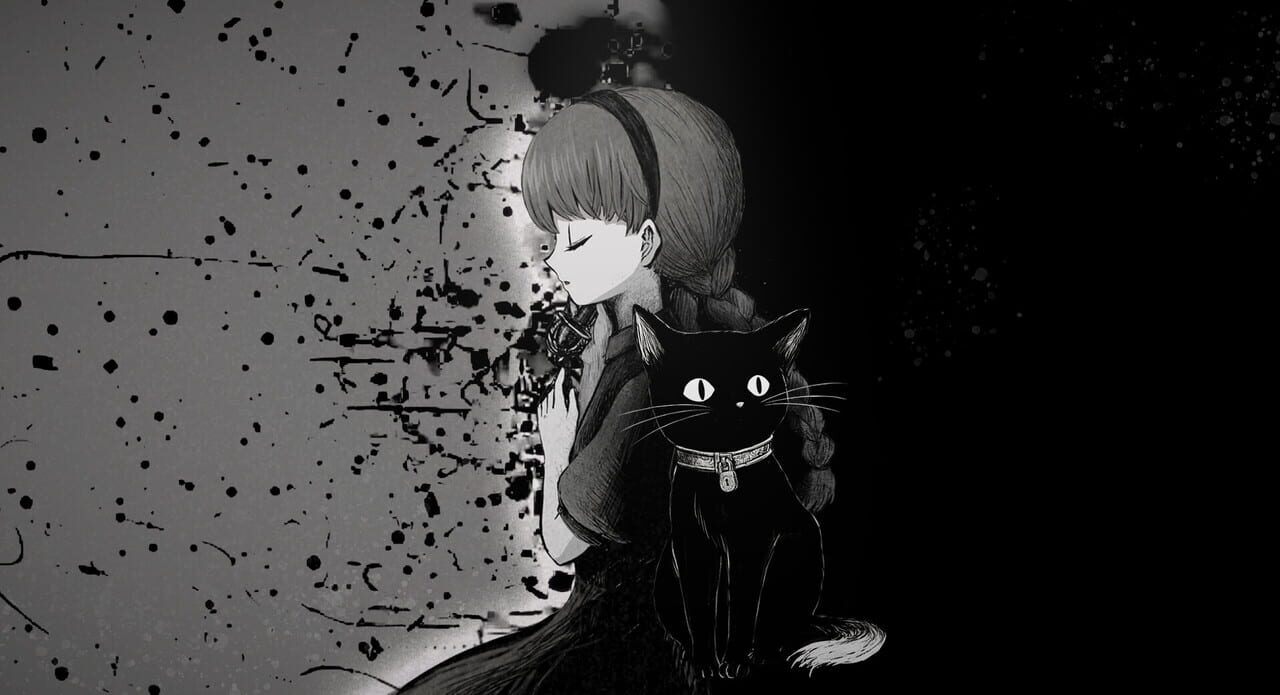
The strongest praise keeps coming back to tone. LadiesGamers describes Schrödinger's Call as "somewhere between a graphic novel, a philosophical meditation, and an apocalyptic fever dream," which sounds like a lot until you look at the rest of the reception. NintendoBoy describes a post-apocalyptic limbo where Mary becomes a kind of telephone operator between life and death. Pizza Fria describes Mary waking in a dark room with no memories, being told by a black cat named Hamlet that time has frozen just before the world ends.
It is strange material. The reason it appears to work is that the strangeness is not there for decoration. Critics keep pointing to how human the game makes its abstract premise feel. LadiesGamers says the game takes the fragile space between life and death and makes it "deeply human." Hardcore Gamer says every story carries something close to Mary's own pain. Pizza Fria's review says the game deals with the dramas of people who could not rest after an apocalypse ends life on Earth.
There is a nice restraint in that premise. A lot of end-of-the-world fiction scales up until the individual disappears. Schrödinger's Call seems to move in the opposite direction. The moon can fall. Humanity can end. The thing that still matters is whether one person gets to say the last thing they needed to say.
That is also where the review scores start to make sense. A 93 average for a small visual novel-adjacent adventure is not usually built on systems, spectacle, or content volume. It is built on whether the writing lands. The critics who love Schrödinger's Call sound convinced that it does.
What the reviews criticize
The interesting thing is that the criticism is not hidden. Even the positive reviews describe a game with rough edges, or at least edges that will not be for everyone.
Hardcore Gamer praises the emotional force but notes that "the repetitive nature of the text" can make some dialogue feel drawn out. The review says that does not ruin the experience, but it does keep the story from holding momentum all the way through. LadiesGamers is more direct about the possible friction, saying Schrödinger's Call is "not always an easy game to engage with" and that its storytelling can feel "intentionally opaque." The same review warns that players looking for strong narrative control may be frustrated by how ambiguous some choices feel.
That is the line to watch before buying. If you want clean choice-and-consequence feedback, or a story that tells you exactly what each decision changes, this may not be the one to start late at night when you are already tired. The reviews make it sound less like a branching machine and more like an emotional chamber piece. Your role is not to master the structure. Your role is to stay present with it.
There are also content warnings worth taking seriously. LadiesGamers notes health and safety warnings around flashing imagery and intense visual effects. It also describes the game as unsettling almost constantly, even when it is not hopeless. That does not make Schrödinger's Call less worth playing, but it does make it a game to approach deliberately.

Schrödinger's Call and the sleeper-hit problem
The phrase sleeper hit gets thrown around too easily, but Schrödinger's Call fits the useful version of it. It is not invisible. OpenCritic has enough reviews to show a real pattern. But it is competing for attention in a week where bigger games are easier to summarize. A new racing blockbuster is easy to understand. A spy game with a famous number is easy to place. A compact visual novel about answering the final phone calls of the dead takes more explaining.
That is probably why the game is interesting for anyone who keeps a gaming journal. Some games are defined by what you did in them. Others are defined by where they found you. The reviews suggest Schrödinger's Call belongs to the second group. It may be brief. It may be opaque. It may repeat itself. But several critics came away talking about attachment, memory, and the strange way it stayed with them.
NintendoBoy's review, which gave the game 100, calls it a short adventure that understands the delicacy of its themes. LadiesGamers, despite landing lower at 80, says it belongs to the kind of game that "linger[s] quietly in the back of your mind long after the credits roll." That is the shape of the divide, if we can even call it a divide. The lower-scoring critics are not shrugging. They are saying the game frustrated them and still got under their skin.
That is often more useful than perfect agreement. A clean consensus can tell you that a game is polished. A slightly uneven but passionate consensus can tell you that a game has a pulse.
Should you play Schrödinger's Call?
If you are coming to Schrödinger's Call for mechanics, wait. If you are coming for tidy answers, wait. If you need a game to respect your time by moving quickly, also maybe wait. The review consensus points to something slower and stranger than that.
If you are open to a short narrative adventure about grief, unfinished conversations, and the soft violence of things left unsaid, this looks like one of the strongest small releases of the month. The score range is high enough to take seriously, and the criticisms are specific enough to be useful. Repetition, ambiguity, and emotional heaviness are the caveats. Atmosphere, writing, and a sharp sense of purpose are the reasons critics are recommending it.
I like that kind of review profile. Not because it guarantees the game will work for everyone. It clearly will not. But because it tells you what sort of mood to bring to it. Schrödinger's Call sounds less like a game to clear from a backlog and more like one to make a little room for.
Perthro is built for that slower kind of memory, too. It is an iPhone-first social gaming journal, free on the App Store, where you can track what you are playing, rate games on a five-star scale, write reviews of any length, and keep a calmer record of the games that stayed with you. If Schrödinger's Call really does linger the way critics say, it feels like the sort of game worth writing down before the feeling fades.