
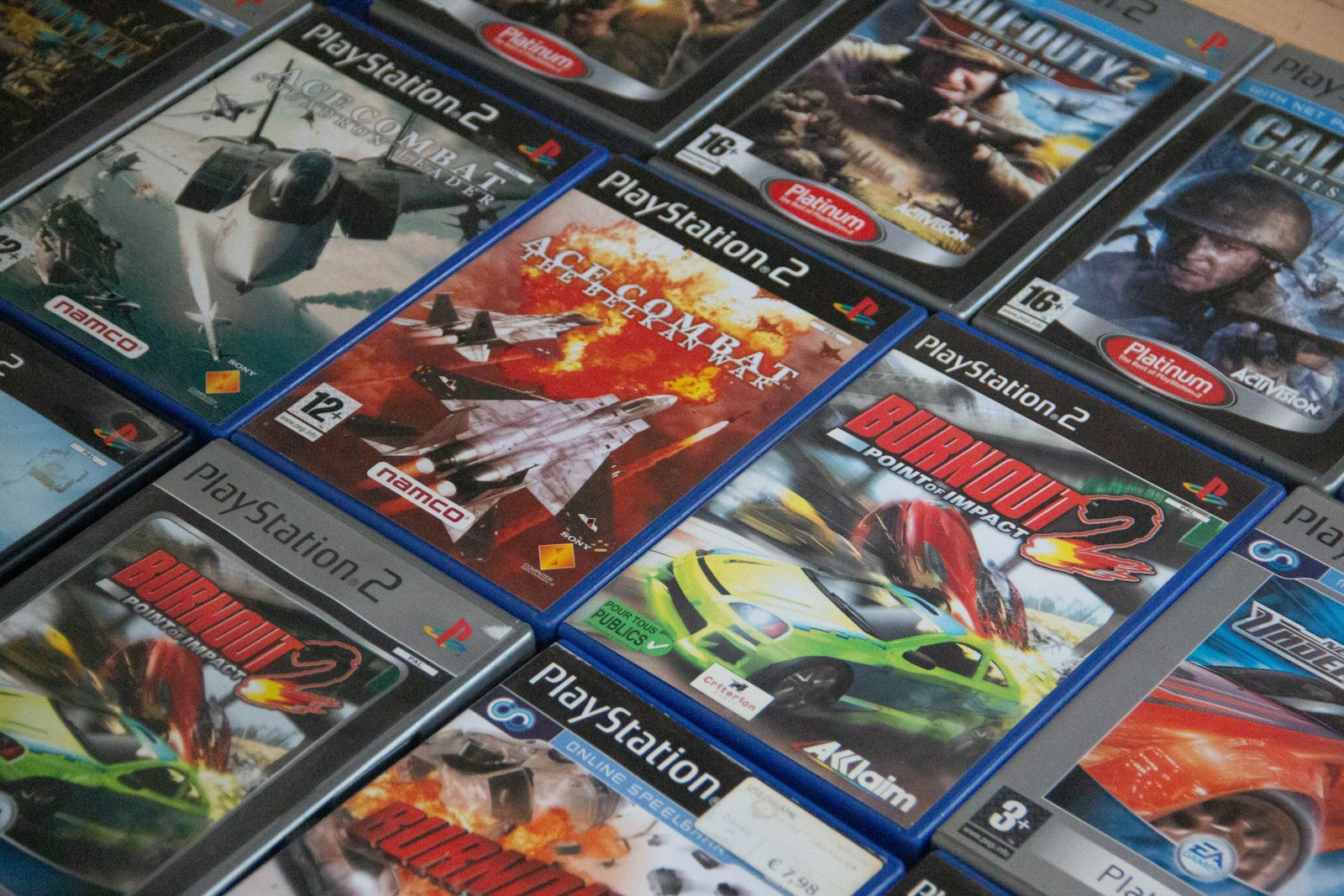
June is always a little dangerous for people who like games.
Not dangerous in the dramatic sense. Nobody is going to be harmed by a crowded release calendar. But there is a specific kind of low-grade panic that arrives when the month flips, the showcases start, every publisher remembers it has a trailer to show, and your friends begin talking about five different games as if you obviously have room for all of them.
This weekend, the shape of June is already visible. The news cycle is filling up with release lists and showcase guides. Nintendo has its June games roundup out. GameSpot is tracking the Not-E3 and Summer Game Fest schedule. PC Gamer and GamesRadar are doing the broad release-date sweep. On YouTube, the past month turned up videos from Best Indie Games and Fleurs focused on May and June indie and cozy releases, which feels about right. The loudest part of the calendar is not always the biggest game. Sometimes it is the thing with 20,000 views and one very specific audience saying, wait, this might be for me.
So this is a guide for the first weekend before June properly hits. Not a productivity system. Please, no. Games do not need to become email. This is a quieter way to deal with a crowded month without turning your backlog into a moral failure.
Start by admitting you are not playing the whole calendar
The first useful thing is also the least glamorous: you are not going to play everything.
That sounds obvious until the release lists arrive. A month like June makes every game feel temporarily urgent. There are platform roundups, indie showcases, sale posts, demo recommendations, cozy-game lists, PC release calendars, Switch release calendars, and then the usual stream of friends saying they heard something is good. If you treat all of that as a set of assignments, you lose before you install anything.
The calendar is not a syllabus. It is weather.
Some games pass through your field of view and vanish. Some stick around. Some only make sense in a certain week because your friends are there, the servers are full, or the conversation is funny. Others can wait three years and lose nothing. A puzzle game does not rot because you played it late. A big RPG may even get better after patches, guides, and the collective panic have cooled down.
I like to sort the month into three loose buckets. There are games I want to play soon because the timing is part of the fun. There are games I want to remember, but not necessarily touch yet. Then there are games I respect from a distance and can safely ignore. That last bucket matters. It is the pressure valve.
Perthro is useful here in a very plain way: you can mark what you are playing, what you have played, what you plan to play, and what you have shelved. That sounds simple because it is. The trick is that a simple label can stop a game from hovering in your head as unfinished business. "Plan to play" is different from "I am failing to play this right now." "Shelved" is different from "I am a fraud who bought another tactics game." Language helps.
Do one pass for desire, not obligation
When a big release month starts, I try not to ask, "What should I play?" That question gets polluted too quickly. Should according to whom? Critics? Friends? The part of me that still believes I need to keep up with every genre to have an opinion?
A better first question is: what gave me a physical reaction?
Maybe it was a trailer with a combat rhythm that clicked immediately. Maybe it was a cozy game with a tiny UI detail that made you want to live inside it. Maybe it was an ugly, strange indie thing that did not look like anything else in the roundup. Maybe it was a giant sequel and you do not need to justify that. Wanting the obvious thing is allowed.
This is where the smaller June videos matter. The Best Indie Games video I came across had about 22,000 views, which is not a giant number in internet terms, but it is the kind of video people watch when they are hunting for something specific. Fleurs had a June cozy-games roundup too. Those lists are not final authority. They are sparks. If one title keeps bothering you after the video ends, write it down.
Do the same with written roundups. Scan Nintendo's June list if you play on Switch. Skim the bigger PC release calendars if you mostly play on Steam. Read a showcase guide if you care about announcements. Then stop. The point is not to turn research into another hobby. The point is to catch the games that actually tug at you before the feed moves on.
If you are using Perthro, this is the moment for the wishlist or backlog, especially because the wishlist can be reordered and the backlog has a next up view. Put the real pulls near the top. Leave the faint curiosities lower down. You do not need a perfect ranking. You need a rough memory of what mattered to you on the day you noticed it.
Pick one game for the first weekend
The crowded-month mistake is opening five doors at once.
I have done it too many times: download a demo, start a subscription game, poke at the indie everyone is praising, reinstall the thing with the new patch, and then somehow play none of them properly. Each one gets twenty minutes of distracted attention. By Sunday night, everything feels slightly worse than before.
Pick one game for the first weekend. Not forever. Just the first weekend.
It can be the biggest release. It can be the smallest demo. It can be something from last year that suddenly feels right because the June noise reminded you of it. The important part is that you let it have the room a game needs before you judge it. A lot of games do not explain themselves in the first twenty minutes. Some need an evening. Some need you to stop glancing at the store page for the other thing.
The one-list version of the method looks like this:
- Pick one game to try seriously this weekend.
- Move two or three others into "later, but real."
- Let everything else go cold until it earns your attention again.
That is enough structure. More than that and the system starts eating the play.
Write the reason while it is still fresh
The best time to write down why a game caught you is before you have a take.
A take is heavy. It wants evidence. It wants the right phrasing. It wants to be defensible. A note can be much smaller: "combat looks mean," "love the color palette," "might be good for Switch nights," "friend said the writing is messy but sincere." These little notes age better than you think.
Three months later, when the sale hits or the patch lands or your friend asks what you want to play next, the note gives you back the earlier version of yourself. Not in a grand way. Just enough to remember why you cared.
This is one reason I like game journals more than pure backlog trackers. A backlog tracker can tell you what is waiting. A journal can tell you why it got there. Those are different jobs. If all you have is a list of titles, every unplayed game starts to look the same: another square of guilt. If you have a sentence attached to it, the game becomes specific again.
Perthro lets you rate games on a five-star scale and write reviews of any length, but the useful part is not the score by itself. It is the permission to leave a record at the size the moment deserves. Sometimes that is a full review. Sometimes it is three lines after a demo. Sometimes it is a note to future-you saying, "This was not for me today, but do not forget the soundtrack."
Let June be a map, not a debt
The trick with friends is to let them narrow the field instead of expanding it forever. If three people you trust are talking about the same game, maybe that moves it up. If one friend with your exact taste says, "You specifically should play this," maybe listen. But if the feed is just noise, treat it as atmosphere. You do not owe every conversation your install time.
The most underrated move in a busy month is putting a game down cleanly. There is a difference between drifting away and choosing to stop. Drifting leaves residue. The icon sits there. The save file waits. You half-remember where you were. You half-plan to return. Six weeks later, the game has become a small private accusation. Choosing to shelve it is cleaner. You can always come back. You are not deleting the possibility. You are just telling the truth about now.
The next few weeks will be loud. The release lists will keep updating. Showcase trailers will arrive in clusters. Someone will declare a sleeper hit. Someone will be wrong about a sleeper hit. A cozy game will look perfect in a thumbnail and then turn out to have exactly the kind of crafting loop you cannot stand. A game you ignored will become the one your friends cannot stop talking about.
Good. That is part of the fun.
The point is not to stay on top of it all. The point is to stay in contact with your own taste while the calendar tries to pull you in ten directions. Notice what lights up. Write down enough to remember why. Pick one thing at a time. Let friends help, but do not let the feed choose your month for you.
June does not have to be a pile. It can be a map. A messy one, sure, with too many pins and a few roads you will never take. But a map is allowed to have places you do not visit. That is what makes the places you do visit feel chosen.