Early June 2026 has no single giant release. It has three games in very different moods: a cult RPG remake that can't afford to lose its rough edges, a peaceful survival game about floating islands and renewable energy, and a 50-versus-50 shooter moving Hell Let Loose to Vietnam.
This is a preview roundup. As of May 31 none of the three has an OpenCritic or Metacritic score, and the Steam pages for Solarpunk, Killer Bean and Hell Let Loose: Vietnam show no user reviews yet. What we can do is lay out what early coverage is watching and where each game could go wrong.
Sources: Steam pages, official sites, and June preview videos from IGN, gameranx, Force Gaming, ACG, Legacy Gaming, Kinda Funny Games and Best Indie Games. Once reviews landed, we followed up with a full Gothic 1 Remake review roundup.
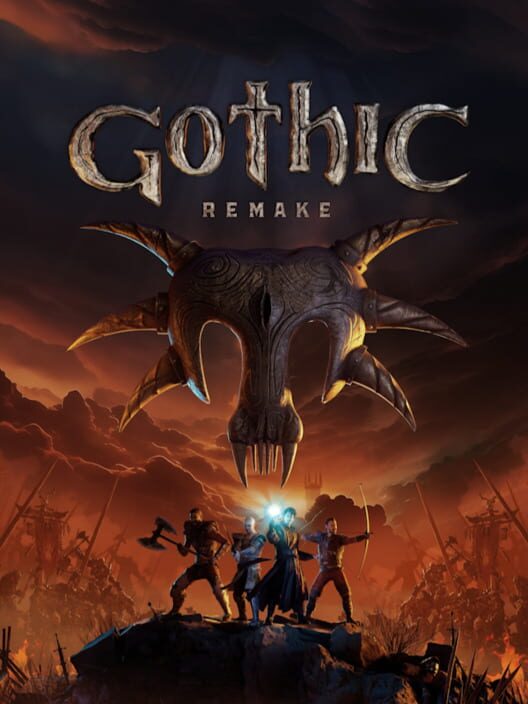
Gothic 1 Remake preview: can it stay rude?
Gothic 1 Remake is due June 5, 2026 on PC, PS5 and Xbox Series X|S, developed by Alkimia Interactive and published by THQ Nordic. gameranx ranked it second in its June list, Force Gaming covered it in a PC-focused roundup, Legacy Gaming opened its summer preview with it, and IGN included it in its June release breakdown.
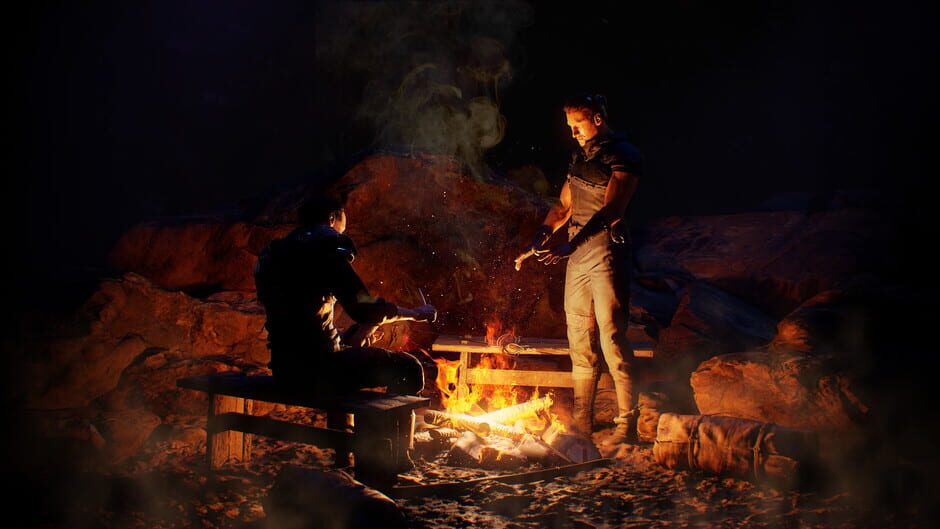
The official site promises a return to the Valley of the Mines with a hand-built open world, daily routines for NPCs, reworked combat and faction choices that shape your character. Much of the original's reputation came from friction: dangerous opening hours, awkward systems and a world that didn't care whether you were comfortable.
That's the tension. Modern combat and better usability could bring in new players, but smooth too much and it becomes another mid-budget open-world RPG. We'd skip the "is it faithful?" question, since faithful can mean keeping the bad parts too. The better test is whether the remake keeps the original's danger and social pressure while making the moment-to-moment play less brittle. If reviews describe the world as hostile, readable and a little rude, good sign. If they only talk about the new graphics and controls, wait.
Solarpunk preview: survival without the threat
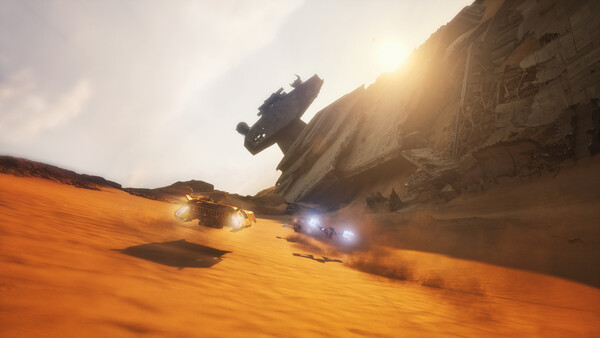
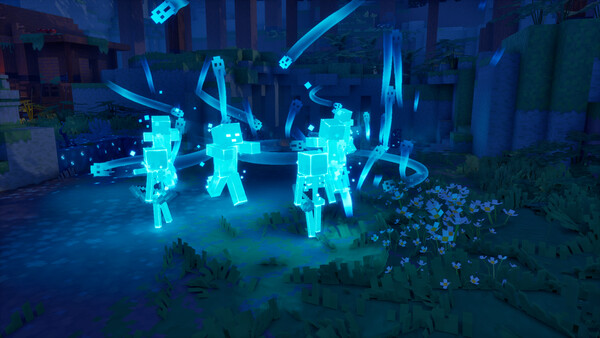
Solarpunk launches June 8, 2026. Steam lists Cyberwave as developer and rokaplay and Metaroot as publishers. Steam currently shows Windows only, while gameranx and IGN also list PS5, Xbox Series X|S and Switch 2. It's a peaceful survival-crafting game on floating islands: build, farm, automate chores and travel by airship.
The Steam page lists building, farming, airship exploration, wind and solar power, wireless power, batteries, drones, co-op, and animals that live alongside you rather than attacking you. A Gamermarkt feature confirms there's no combat, no PvP and no night-time monster attacks.
Survival games usually get their tension from hunger, raids, darkness, durability and enemies. Solarpunk swaps all of that for energy planning, automation and exploration. That can work, or it can give you a lovely first few hours followed by twenty hours of decorating.
The game is getting a lot of attention for a small indie: gameranx and Force Gaming both put it in their June lists, IGN mentioned it among the month's bigger releases, and Best Indie Games ranked it in its June top ten. More attention also means higher expectations at launch.
The systems give it something to work with. Solar panels behave differently at night and in rain, batteries store surplus power, and drones take over resource runs. What we'll look for in reviews is consequence, not punishment: does the peaceful loop still make you weigh real trade-offs? Warm reviews will probably praise it as a survival game that doesn't need stress to have depth. Cooler ones will say the loop is too soft once the airship novelty fades.
Hell Let Loose: Vietnam preview: scale versus clarity
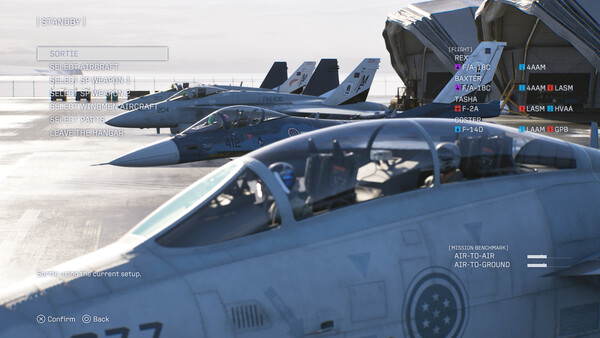
Hell Let Loose: Vietnam is scheduled for June 18, 2026 on PC, PS5 and Xbox Series X|S, developed by Expression Games and published by Team17. Steam lists 50-versus-50 battles, six large maps, North Vietnamese Army and US Armed Forces factions, seventeen roles, helicopters, patrol boats, tunnels, mortar squads, armour, recon, and improved onboarding.
The original built its reputation on communication, role discipline and map knowledge. Vietnam adds jungle, rivers, tunnels and threats from above. gameranx put it first in its June list, Force Gaming included it among the month's best new games, and Legacy Gaming named it and Gothic as the two leading June releases. Best Indie Games also listed it, which is a bit odd for a Team17 shooter but shows how widely it's being watched.
Expect praise for helicopters that change supply and fire support, NVA tunnel networks built for ambushes, river routes for patrol boats, and maps that feel less like open fields with cover.
The risk is clarity. Hell Let Loose already asks a lot of new players, and Vietnam adds movement options, terrain complexity, vehicle roles and new ways to die without understanding why. The Steam page's mention of better onboarding matters. If tutorials and UI don't get newcomers into the command structure, reviews could split between veterans who love the depth and new players who bounce off in the first hour.
The setting also carries weight a faction swap doesn't. The Steam page focuses on systems, roles, maps and weapons. Most reviews will judge the multiplayer, but some may ask whether the history is treated with care or used as scenery.
Of the three, this is the one most dependent on launch health. Server stability, squad communication, role balance and map readability will decide the first week.
What to look for when the reviews arrive
Each game has one question to answer:
- Gothic 1 Remake: did modernizing wash out its personality? Look for comments on world reactivity and faction pressure, not graphics.
- Solarpunk: does a peaceful survival game still produce meaningful decisions? Look for whether reviewers kept playing after the base looked nice.
- Hell Let Loose: Vietnam: does the extra scale collapse into confusion? Look for server health, onboarding, and whether squads can read the battlefield.
If you keep a wishlist, these sort neatly into three piles: wait for reviews, wait for the first patch, and maybe with friends.