PlayStation started June by putting dates on some hardware. The FlexStrike wireless fight stick for PS5 and PC starts rolling out on August 6. The 27-inch PlayStation Gaming Monitor follows in the US and Japan on August 27, and the Pulse Elevate speakers are still set for later this year. VGC also reported that Asus is making another ROG Xbox Ally, the X20, with a larger OLED screen, revised thumbsticks, a transforming D-pad and AR glasses in some bundles.
It's product-page news: pre-order dates, screen sizes, prices in three currencies. But it got us thinking about how much of what we remember about games is physical. The worn spot on a left stick. The handheld that made your wrists ache after forty minutes, which you kept playing anyway because the dungeon was nearly done.
PlayStation's June hardware at a glance
- FlexStrike: wireless fight stick for PS5 and PC, with a carry case and a rechargeable battery. Rolling out from August 6.
- PlayStation Gaming Monitor: 27 inches, US and Japan from August 27.
- Pulse Elevate: speakers, later in 2026.
- ROG Xbox Ally X20 (Asus): larger OLED screen, revised controls, a transforming D-pad and optional AR glasses.
Fight sticks and the memory of a room
Most people don't remember their first arcade-ladder clear in a fighting game as a list of opponents. They remember the noise: buttons hit harder than they needed to be, the stick clacking against its gate, someone nearby pretending not to watch.
That's why a fight stick can mean more than its spec sheet. On paper, the FlexStrike is a wireless stick with an August launch and a price that's probably too high if you play fighters twice a year. But a fight stick is something you bring to a room. It turns a game from a file on a console into a reason to sit next to people and be bad at something in public. Fighting games are hard to get into, and their communities can look intimidating from outside, but the hardware itself is oddly friendly: big buttons, obvious intent, nothing subtle. You press, you miss, you laugh, you go again.
A good controller doesn't make you better, whatever the marketing implies. It makes the whole routine of playing feel right, which matters more than people admit.
The desk is the new living room
Sony's framing for its monitor was that more people now play outside the living room, at desks and in their own rooms. Think about where people actually play now: a bedroom desk, a monitor next to a work laptop, a handheld on the couch while someone else has the TV, headphones at midnight because the house is asleep.
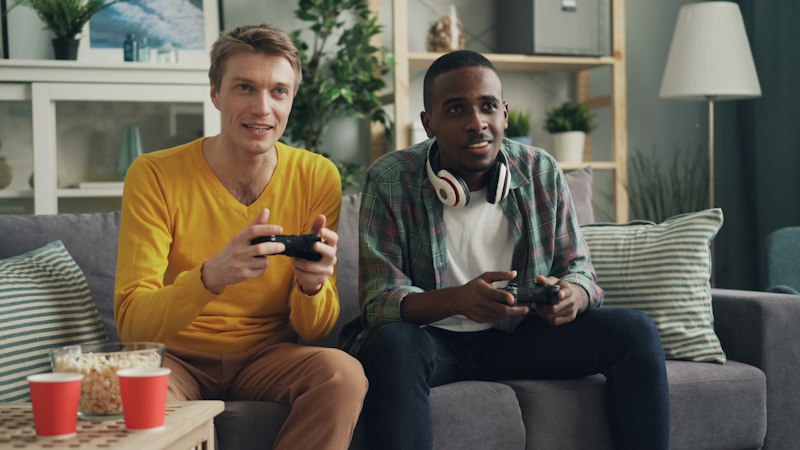
Console gaming used to be shared by default. There was one TV and one room, so even single-player games happened in company. Someone could walk past and ask what was going on, spoil a puzzle by accident, or say "you died again?" in exactly the tone that made you play worse.
A lot of play now happens in small private corners. That isn't better or worse. We miss the living-room version, and we also like the closeness of a game that belongs to a desk lamp and a quiet hour. The accessories matter because they decide what kind of room a game gets to take up.
Handhelds blur where a game lives
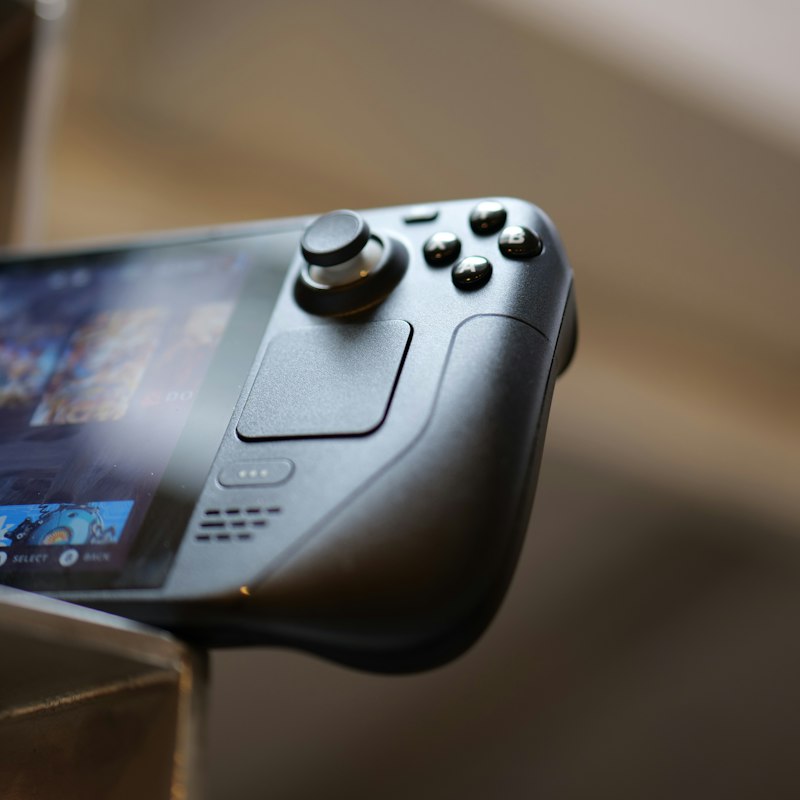
The Ally X20 pulls the same thread from the other end. Console games used to live under the TV, PC games at a desk and handheld games in a bag. That map is a mess now. A PC game can be a couch game, a console game can be a desk game, and a handheld can be powerful enough to make the old categories feel silly.
That's freeing, and a bit tiring. The same unfinished game can sit on three devices at once, quietly suggesting you use this bus ride or lunch break to make progress. We'd rather let the device set the kind of session: a handheld for wandering, a fight stick for losing loudly, a monitor for settling in for the evening.
What your account doesn't remember
Platform accounts are good at purchases and hours. They know you own a game and maybe which trophy popped at 1:13am. They don't know you played the final boss with a sticky shoulder button, or that borrowing a friend's arcade stick made you finally understand why people care, or that one summer's games all happened on a monitor balanced on a cheap desk.
That's the kind of detail we built Perthro to hold. Every review records the platform you played on, and the text can say the rest: "played this mostly on the train, felt like stealing time back." A list called "games from the bad apartment" says something no platform library can.
The specs won't be what you remember
We care about specs. OLED screens are lovely. Better thumbsticks are worth it if they spare us another round of drift arguments, and a good D-pad changes how an old platformer feels. But hardware talk burns hot and fast. Announcement day brings comparison charts and arguments about price, and six months later nobody mentions the specs of the good devices. They talk about where they fit.
That's the real test for the FlexStrike, the monitor and the X20. Does it disappear into a habit? Does it get people to come over? Does it make a desk feel like a place to play instead of another place to answer email? Years from now, will picking it up bring back what your hands were trying to do?