
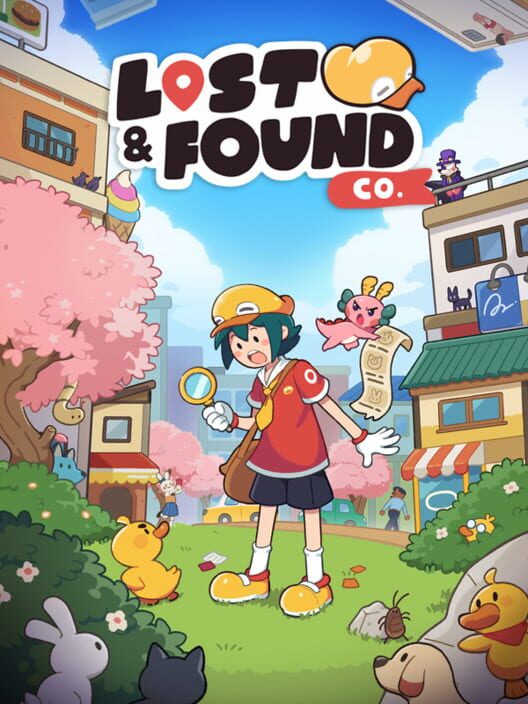
Some games arrive like appointments. Big date on the calendar, review embargo, everyone checks the same box at the same time. Lost and Found Co. has a different shape. It is a small hidden object adventure about searching through clutter, but the critical response around it has been anything but small.
OpenCritic lists Lost and Found Co. at 90 from 19 critics, with a "Mighty" label, after its March 6, 2026 PC release. That puts it in strange company. Not because hidden object games cannot be great, but because they rarely get treated as part of the same critical conversation as the year’s louder prestige releases. This is exactly the sort of game that can disappear if you do not write it down somewhere.
The basic consensus is clear: critics are responding to density, warmth, and patience. The disagreement is quieter. Some reviewers see a simple genre executed with unusual care. Others see a game that stretches the hidden object format into something closer to a cozy adventure, with story, decoration, secrets, and a rhythm that rewards slowing down.
Lost and Found Co. review scores and the shape of the consensus
The score range, at least among the OpenCritic excerpts available now, is unusually tight. Checkpoint Gaming gives Lost and Found Co. an 8.5 out of 10. Oyungezer Online gives it 9 out of 10. GameGrin goes all the way to 10 out of 10. SECTOR.sk and SavePoint Gaming both land at 9 out of 10. Gamer Social Club gives it 8.5 out of 10. LadiesGamers marks it "Liked-a-lot," and ThreeTwoPlay’s excerpt is unscored in the OpenCritic listing.
That is not a polarized spread. It is a quiet pile-on. The useful part is not that everyone liked it, but why they liked it.
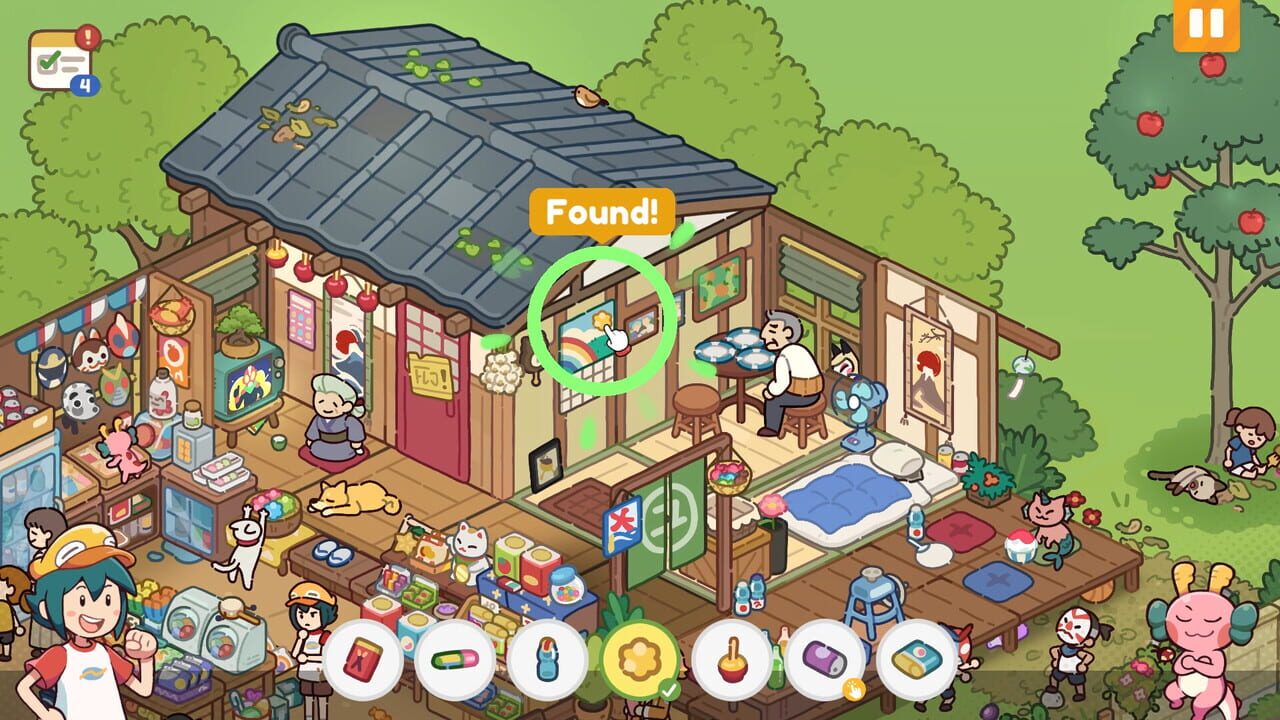
Checkpoint Gaming’s Anna Monti gets closest to the heart of it: "Lost and Found Co. displays exactly what makes hidden-object games compelling." Her review describes the game’s packed scenes as initially overwhelming, then "almost meditatively" readable once you spend time with them. That word matters. A lesser version of this idea would be busy for the sake of busy. The praise here is about busy spaces becoming legible through attention.
Oyungezer Online’s Eser Güven frames the game as conservative in the best way. In the OpenCritic excerpt, Güven says Lost and Found Co. does not reinvent the genre, but delivers a package that "doesn't tire or bore the player" and is "extremely visually appealing." That is not faint praise. For hidden object games, fatigue is the enemy. If the eye gets tired, the charm curdles into homework.
GameGrin’s Violet Plata is more direct: "If you're even mildly interested in the game, I highly suggest picking it up." The review calls it one of the "silliest and most fun" gaming experiences they have had. That kind of sentence is easy to overread, but in the context of the wider consensus, it points to a game that knows its tone. It seems playful without becoming disposable.
Why Lost and Found Co. works for critics
A lot of the praise circles around the same idea: the game makes looking feel good. That sounds obvious for a hidden object game, but it is the whole trick.
SECTOR.sk’s Peter Dragula calls Lost and Found Co. a "nice relaxing game with detailed and content-rich environments" built on simple, accessible play. He also notes that some mechanics could be deeper. That is the closest thing to a recurring criticism in the available review excerpts: the game may not be mechanically ambitious in the way some players expect when they see a 90 average. It is not trying to be a systems showcase. It is trying to make the act of searching, noticing, and lingering feel worthwhile.
SavePoint Gaming’s Jake Su makes the same case from a different angle. His excerpt says Lost and Found Co. is "a lovely reminder that visual fidelity alone does not make a game memorable." He points to expressive hand-drawn art, gentle humour, and an inviting hidden object loop. That is useful because it separates the game’s appeal from production spectacle. It is not about how expensive the image looks. It is about whether the image invites you to stay.
ThreeTwoPlay’s Michael Seifert goes further, arguing that Lost and Found Co. is "much more than a typical hidden object puzzle game." The reason, according to the excerpt, is that levels are packed with small details, interactive objects, easter eggs, story threads, side plots, and an office decoration mode. He estimates 10 to 20 hours depending on how thoroughly you play.
That range says a lot. Lost and Found Co. seems to be built for two kinds of attention. You can move through it like a cozy evening puzzle, or you can comb through every scene and let the details become the point. Critics appear to be rewarding that generosity.
The hidden object genre is having a better year than people notice
Lost and Found Co. is not competing directly with games like Mina the Hollower or 007 First Light, and pretending it is would be silly. But OpenCritic’s 2026 list puts it near the top of the year, just below the most visible critical hits. That is interesting because it shows how broad the review conversation can be when smaller genres get enough coverage.
Hidden object games have a long history, but they are often treated as casual by default, which can become a lazy way of saying critics do not need to look closely. Lost and Found Co. seems to push back against that without making a big speech about it. The reviewers are not praising it for being secretly hardcore. They are praising it for understanding the value of clear, tactile, low-pressure play.
Gamer Social Club’s Bright Mylar describes it as a "leveled up version of games we played as kids," one that leans into the simple joy of search-and-find without overcomplicating it. That is probably the cleanest reading of the game’s appeal. Nostalgia is present, but not as a costume. It is there in the feeling of being allowed to stare at a crowded picture and find your own way through it.
LadiesGamers’ Ruibai Cheng makes a similar point in more practical terms. The excerpt says Lost and Found Co. works in short bursts and longer sessions, with colorful levels, interactable objects, secrets, and the reward of growing Ducky and Mei Long’s business. That matters for a game like this. A hidden object adventure should not punish you for playing for twenty minutes. It should also have enough texture that you can lose a whole night to it if you want.
What reviewers agree on
The agreement is unusually consistent. Lost and Found Co. is relaxing, detailed, charming, and more substantial than its premise might suggest. Critics keep returning to the density of the environments. They also keep mentioning the tone: silly, gentle, colorful, endearing.
The other shared point is that the game’s clutter has intent. That is the difference between a scene full of objects and a scene worth reading. Checkpoint Gaming’s description of overwhelming spaces becoming parsable is the key. The best hidden object games teach your eye. They do not simply hide things. They teach you how the artist thinks, how a room is arranged, where a joke might be buried, which shapes are meant to distract you and which ones are quietly waiting to be found.
That is why the decoration and business-building elements matter. They give the search a place to return to. They turn isolated puzzles into a small routine. Find the things, grow the business, notice the office changing, go back out. Nothing revolutionary on paper. Comfortable, if it works.
And apparently it works.
What critics push back on
The criticism is not loud, but it is there. SECTOR.sk notes that some mechanics could be deeper. Checkpoint Gaming mentions frustration around hints and juju points. Those are the kinds of issues that matter more in a game built around flow. If a hint system feels stingy or a progression currency feels awkward, the calm breaks.
The other caveat is expectations. A 90 OpenCritic score can make a game sound like a universal recommendation, but Lost and Found Co. is still a hidden object game. If you need mechanical escalation, fail states, combat, or heavy puzzle complexity, the review excerpts do not suggest that this will suddenly convert you. It sounds like the sort of game that deepens inside a modest frame, not one that throws the frame away.
That is not a weakness, exactly. It is a boundary. Some players bounce off boundaries. Others find comfort in them.
Why Lost and Found Co. matters
The reason to pay attention to Lost and Found Co. is not that every game needs to become cozier or smaller. It is that the year’s critical memory is easy to distort. The loud games become the record. The quieter ones become recommendations passed between friends, if they survive at all.
A review average does not preserve the feeling of a game by itself. A number can tell you that critics liked Lost and Found Co., but the excerpts explain the more useful thing: critics liked how it made them look. They liked the hand-drawn clutter, the little jokes, the decorated office, the relaxed pace, the sense that the game was not trying to exhaust them.
That is worth keeping. Not as a verdict carved into stone, but as a note for the backlog. If you use Perthro as a journal, this is the kind of game that belongs on a wishlist with a sentence attached: "Play when you want to slow down and search a room properly." That is not a marketing beat. It is a memory aid.
Lost and Found Co. probably will not dominate the year-end argument. It may not need to. Some games are built to be found later, at the right time, when you finally have the patience they were asking for all along.