
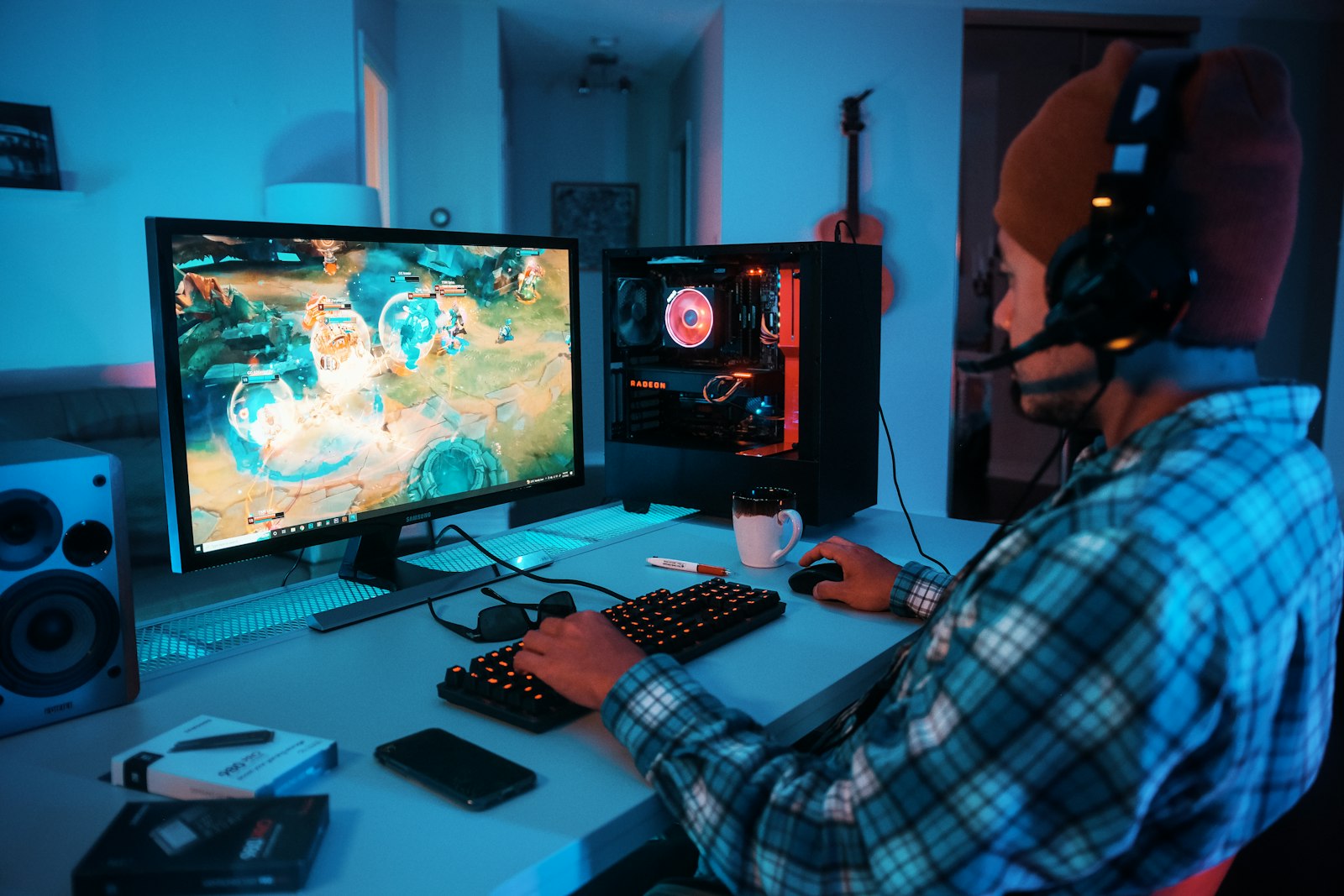
The best thing about a demo is that it ruins the imaginary version of a game. I mean that as a compliment.
A trailer lets a game stay perfect for a little while. The camera cuts before the animation repeats. The UI appears only when it is attractive. The combat lands on the beat. The town looks alive because nobody has asked it to be interactive yet. For two minutes, the game is all promise. Then a demo gives you the controller and the spell breaks in a more useful way.
Steam Next Fest: June 2026 Edition starts on June 15, according to Steam's own developer documentation, and the timing feels right after a week of showcase noise. Summer Game Fest filled the room with announcements, reaction videos, recap lists, and the strange afterglow that comes from seeing too many futures in one sitting. Next Fest is the quieter counterweight. Not quiet in volume, obviously. There will be more demos than any sane person can play. But the invitation is different. Less "look at this" and more "try this for yourself."
That shift matters. Games are always slightly unreal until you touch them.
The hand tells the truth first
The first minute of a demo is often more honest than the whole marketing cycle around it. You learn how the jump feels. You learn whether the dialogue wants to be read quickly or slowly. You learn if the cursor has weight, if the camera fights you, if the menus respect your time. None of that fits neatly into a trailer.
This is why I like demos even when they are rough. Sometimes especially then. A polished trailer can hide uncertainty. A demo cannot hide the basic relationship between your hands and the game. Maybe the combat has a rhythm you understand immediately. Maybe the walking speed annoys you in a way you cannot forgive. Maybe the art is stunning but the font is too small from the couch. Maybe the first joke lands and you relax.
Those reactions are small, almost embarrassing things. They are also the truth of playing. Not the whole truth, but the first one.
I have bought games because a demo made five seconds of movement feel good. I have also skipped games I was sure I wanted because the demo told me, gently and without drama, that I liked the idea more than the act. That is not a failure. That is the demo doing its job.
A demo is not a verdict
The danger with events like Next Fest is that they make us talk like jurors. We sample twenty minutes and come back with a ruling. This one is brilliant. This one is dead on arrival. This one needs another year. This one is the sleeper hit. I get why we do it. The internet likes clean takes, and a crowded festival turns taste into a sorting machine.
But a demo is rarely a final argument. It is a first conversation.
Some games demo beautifully because their loop is immediate. A puzzle game with one sharp idea can explain itself in three rooms. A tactics game can win you over with one nasty little encounter. A platformer either has the jump or it does not. Other games are worse at the form. They need accumulation. They need a party to grow, a town to become familiar, a system to reveal itself after the first obvious layer. A demo can still help, but it may only tell you whether you want to keep listening.
That is a different standard. Not "is this good?" but "do I want another hour with this?"
I wish more of my game notes from the past had been written that way. Not scores. Not confident declarations. Just a record of appetite. The game made me curious. The game tired me out. The game had one idea I cannot stop thinking about. The game felt better in my hands than it looked on stream. The game looked better on stream than it felt in my hands.
Those are useful notes. They age better than hype.
The little games need the record most
The huge announcements will survive without your help. If a famous sequel showed up during Summer Game Fest, you will be reminded of it again and again. Platform holders, store pages, podcasts, friends, feeds, ads, the whole machine will do the remembering for you.
The small games are different. Recent uploads around Steam Next Fest already show the lopsided picture: the enormous Summer Game Fest livestream sitting beside tiny demo announcements, devlogs, and festival trailers with almost no audience yet. That is not a complaint. It is the shape of the medium now. A giant stage on one side, thousands of little doors on the other.
A demo is one of those doors.
This is where I feel protective of the odd things. The game with a strange premise and a trailer that does not quite know how to sell itself. The solo developer thing with rough edges. The tiny horror game that looks too specific to be broadly marketable. The cozy game that might be more interesting than cozy. The tactics game with a name you will absolutely forget by morning.
If you do not write those down, they vanish. Not because you did not care, but because the week is too loud.
That is one of the small reasons Perthro is built as a journal instead of just a library. In the app, you can track games you plan to play, keep a wishlist and backlog, make custom lists, rate games, and write reviews as short or long as you want. The feature is simple on purpose. Sometimes the important act is just catching the thought before it disappears.
The old demo feeling
There is also something pleasantly old-fashioned about a demo week. It reminds me of discs on magazine covers, kiosk builds in stores, shareware folders, the little vertical slice you played because it was there and because the full game was still out of reach. The modern version is more convenient and more overwhelming, but the emotional shape is familiar.
A demo lets a game be partial without being incomplete. That sounds like a contradiction, but it is not. A good demo has edges. It says: this much, for now. It gives you enough to imagine the rest, but not enough to own it. That can be frustrating when you love it. It can also be beautiful.
There is a kind of memory that only attaches to unfinished things. The song you heard once in a trailer. The first area of a game you could not afford yet. The demo you replayed because the full release was months away. Sometimes the partial version becomes its own object in your head. Later, when the full game arrives, you are not starting from nothing. You are returning to a promise you already touched.
That is probably why demos can feel so personal. They meet you before consensus settles. Before the review scores, before the discourse, before the "actually" threads, before the patch notes become the story. For a short while, it is just you and the thing itself, awkward and hopeful and not fully explained.
Keep the note, not the noise
When Next Fest opens on June 15, the temptation will be to play like you are covering the event. Do not, unless that is your job. Pick a few demos because something about them tugged at you. Give them enough attention to be fair. Stop when you know. Write down what you knew.
Not a review, necessarily. A sentence is fine. "Loved the mood, unsure about combat." "Movement clicked immediately." "Too busy for me today, maybe later." "This is exactly the kind of weird I want in October." The note is not for an audience. It is for the future version of you who sees the game again six months from now and wonders why it feels familiar.
There is a calmer way to move through a festival week. You can let the big announcements be big without letting them flatten everything else. You can try a small game and not turn it into a take. You can be interested without being committed. You can leave a trail for yourself.
That is what I want from demo season this year. Not a completed checklist. Not a definitive ranking. Just a handful of honest first encounters, saved before the week rolls on and the internet points its attention somewhere else.