
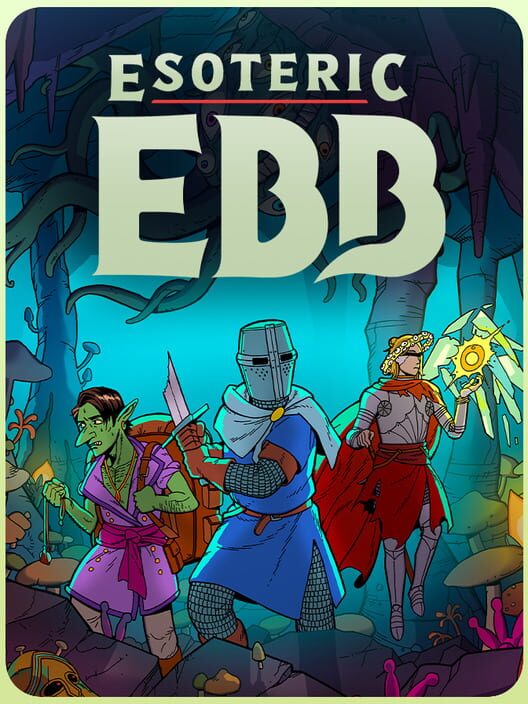
Esoteric Ebb is the kind of 2026 review story that is easy to miss if you only look at the loudest releases. It is a PC role-playing game from developer Christoffer Bodegård and publisher Raw Fury, released on March 3, and it sits in a funny place: not quite tiny, not quite mainstream, and far more adored by critics than its modest profile might suggest.
On OpenCritic, Esoteric Ebb currently has an 88 Top Critic Average, a 90 median score, 49 total reviews, and a 98 percent recommendation rate. That puts it in Mighty territory, which is already striking for a text-heavy CRPG built around a cleric, a blown-up tea shop, election trouble, and a head full of arguing ability scores. The raw score tells one part of the story. The reviews tell the better one.
What critics keep circling is not just that Esoteric Ebb resembles Disco Elysium. They all notice that. The more interesting point is that most of them think it earns the comparison without being swallowed by it. It borrows the shape: inner voices, dialogue checks, political farce, failure as texture, a city that feels like it has been stewing in its own bad decisions for years. Then it pulls that shape toward tabletop fantasy, Dungeons & Dragons jokes, clerical bureaucracy, and a strange little world that seems sillier the more serious it gets.
For a game this dense, that is a hard trick. A lesser version would read like parody. Critics seem to think Esoteric Ebb lands closer to affection. It knows the language of CRPGs well enough to tease it, but not so much that it stops caring.
Esoteric Ebb review scores: where the consensus lands
The score range is unusually tight at the top. PC Gamer scored Esoteric Ebb 90 and opened its verdict plainly: "If you like RPGs, you owe it to yourself to play Esoteric Ebb." GameSpot also scored it 90, calling it "positively stuffed" with good things and warning readers not to be fooled by its appearance because there is more depth than the game first lets on. DualShockers gave it 90 as well, praising the freedom to explore its world and characters rather than being handed exact quest solutions.
Eurogamer was a little more measured at 80, but the tone was still warm. Its review describes Esoteric Ebb as a comedic D&D adventure about a waylaid cleric solving a crime days before the world's first election. TheSixthAxis went higher, also at 90, calling it one of the most endearing and hilarious role-playing experiences the reviewer had played in the medium. Gaming Nexus, another 90, framed it as a dialogue-drunk RPG that marries Disco Elysium-style inner monologues with D&D bones.
The agreement is clear enough: critics like the writing, the density of choice, the tabletop feel, and the way the game lets comedy and consequence live in the same room. The disagreement is quieter. It is mostly about tolerance. How much text do you want? How much weird fantasy bureaucracy can you take? How much patience do you have for a game that makes conversations feel like encounters and treats your own stats like a table of opinionated party members?
That is why the 88 average feels more useful than a clean 95 would have. Esoteric Ebb is not being reviewed as a frictionless crowd-pleaser. It is being reviewed as a specific thing that works extremely well for the people who want that thing.
Why critics keep comparing Esoteric Ebb to Disco Elysium
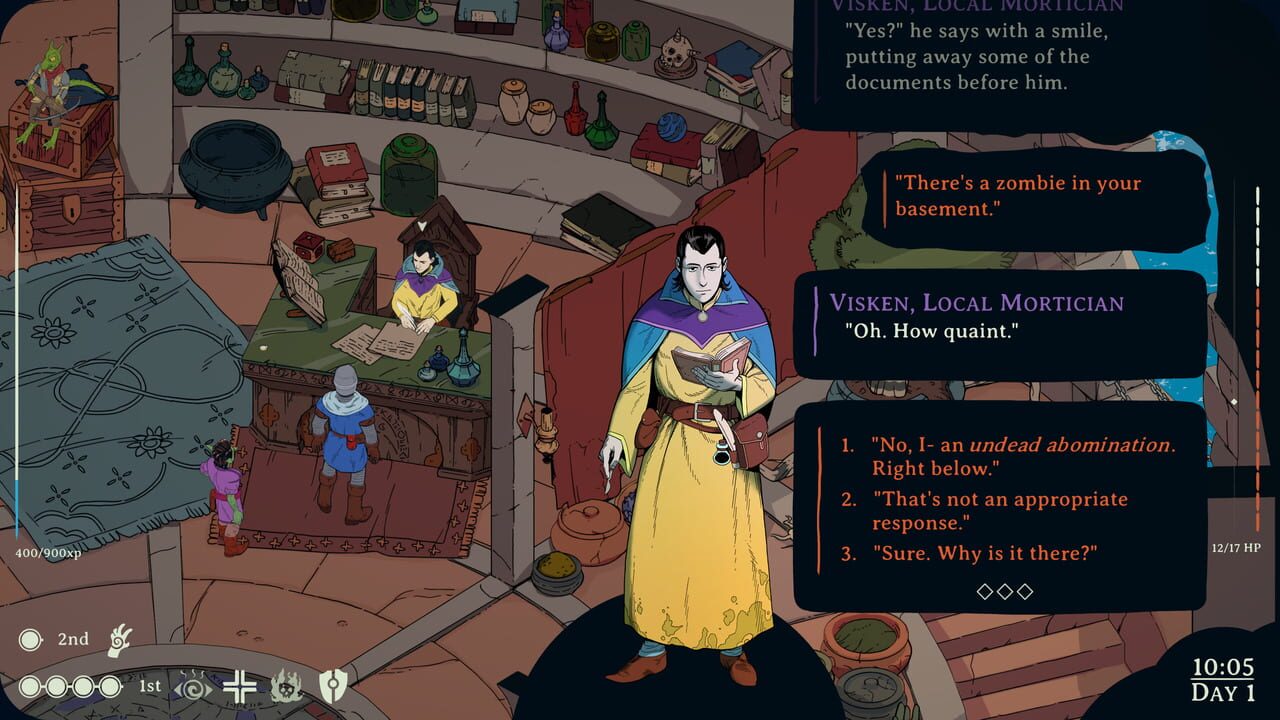
The comparison is unavoidable, but the best reviews do not use it lazily. PC Gamer calls Esoteric Ebb "the best game like Disco Elysium that anybody's made since Disco Elysium," then immediately makes the distinction that matters: this is not a rehash. The review points to a different comic register, a fantasy setting closer to Planescape or Spelljammer than standard comfort-food D&D, and a more madcap density of jokes.
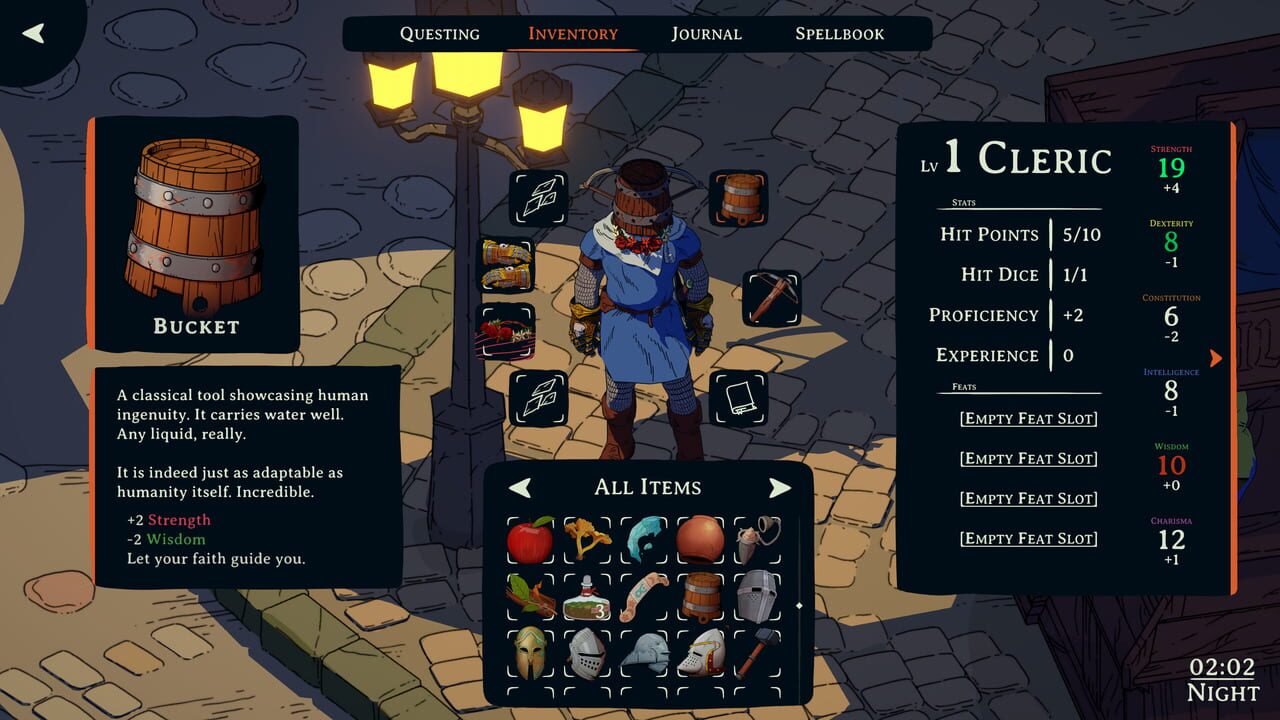
That last point matters. Disco Elysium was funny, but often in a bruised, hungover, self-hating way. Esoteric Ebb seems to be funny in the way tabletop sessions are funny when everyone at the table is pretending the bit is not becoming the plot. A bureaucratic cleric wakes up after apparently dying, loses gear and spellcasting strength, and has to investigate a tea shop explosion while a city heads toward its first election. That setup is absurd. It is also a tidy machine for letting politics, procedure, panic, and personal incompetence rub together.
Eurogamer's review leans into that feeling. The writer describes playing an idiot, but a useful one, a government oaf trying to be brave or naughty while still feeling the pull of hierarchy and safety. That is exactly the kind of role-playing texture that does not fit neatly into a feature list. It is not simply "choices matter." It is more like: your character's limits, cowardice, duties, and small flashes of nerve become the actual material of play.
That is probably the reason the Disco comparison has stuck. Esoteric Ebb does not just have skill checks. It makes inner conflict legible. It lets a stat become a mood, a joke, a bad instinct, or a sudden bit of grace.
The praise: writing, reactivity, and tabletop texture
The strongest praise across the reviews is for reactivity. PC Gamer says seemingly minor items and choices echo through the story, and compares some dialogue-based fights to the complexity of Disco Elysium's Tribunal. That is a serious compliment. In text-heavy RPGs, reactivity is often promised in the abstract and then delivered as slightly different dialogue branches. Critics are saying Esoteric Ebb goes further.
DualShockers focuses on the same thing from a different angle. Its review says the game has deep lore and a story with tons of options for handling almost every situation. It also notes that the experience can feel like sitting down to play a tabletop RPG with just you and the dungeon master. That is a useful description because it catches both the intimacy and the risk. If you want a big party, tactical maps, and constant forward motion, that one-on-one feeling might feel too narrow. If you want the world to answer back to your odd choices, it sounds ideal.
TheSixthAxis frames the appeal as creative wonder. The review notes that Esoteric Ebb announces itself almost like a campaign, one that takes the player from level one to level six across a compact run. That gives the game a strong tabletop rhythm. It is not trying to become an endless RPG platform. It sounds closer to a deliberately built campaign where the writer knows what kind of chaos the player is likely to create and has prepared enough weird doors for them to open.
GameSpot's OpenCritic excerpt gets at the same hidden-size quality. It calls Esoteric Ebb familiar in shape and size but astonishing in depth and riches. That is the sleeper hook. The game may look smaller than its ambitions. Critics are saying the opposite is true.
The criticism: this will not be for everyone
The criticism is mostly implied by the praise, which is often how these games work. Esoteric Ebb is text-heavy. It is dense. It leans hard on D&D language, political comedy, inner monologue, and dialogue checks. If those words make you tired, the high scores probably will not save it for you.
Eurogamer's 80 is useful here because it pushes against the idea that all praise has to sound breathless. The review admires the game's weave of Terry Pratchett, Terry Gilliam, D&D, and contemporary anxiety, but the lower score compared with the 90s elsewhere suggests that charm and cleverness do not erase the demands it places on the player. A comedy CRPG can still be work. Sometimes good work. Still work.
DualShockers is also careful about the oddness. The reviewer says there is no denying how strange Esoteric Ebb is, and that after a couple of hours they began to see what Bodegård was going for. That phrase matters: after a couple of hours. This is not necessarily a game that wins everyone in the first room. It asks for a little trust before its rhythm clicks.
That is where the review consensus feels honest. Nobody is pretending Esoteric Ebb is a safe recommendation for every RPG player. The better version of the pitch is narrower: if you miss RPGs that let writing do mechanical work, if you like tabletop logic when it becomes messy rather than clean, if you want conversations to have the pressure of combat, this is probably one of 2026's quiet essentials.
Why Esoteric Ebb matters in 2026
Part of the reason Esoteric Ebb matters is that it shows how much room there still is in the post-Disco Elysium space. For years, a lot of games have been described as Disco-like because they are wordy, sad, political, or full of voices in the player's head. That is not enough. The thing that made Disco Elysium difficult to imitate was not just the text. It was the way its writing, mechanics, jokes, failures, and worldview were all tied together.
Critics seem to think Esoteric Ebb understands that. Its D&D structure is not dressing. The cleric class, the ability scores, the spell preparation, the skill checks, the campaign framing, the bureaucratic fantasy setting: all of it serves the same joke and the same drama. You are not a blank hero wandering a lore dump. You are a particular kind of fool in a particular kind of machine.
That is rare. It is also exactly the sort of game people lose track of in a busy year, especially if they do not play it at launch. A journal app like Perthro is built for that kind of memory: the PC game you meant to try because three critics you trust kept talking about its writing, the odd RPG you want to shelve for a quieter month, the one you might rate five stars after it finally gets its hooks in.
For now, the critic read is simple. Esoteric Ebb has the numbers of a hit and the temperament of a cult object. It is sitting at an 88 on OpenCritic with a 98 percent recommendation rate, but the praise is not broad or bland. It is specific. The writing is sharp. The world is strange. The jokes have teeth. The choices seem to matter in the old, difficult sense: not because a UI says they do, but because the game remembers enough of your nonsense to make you feel seen.
That is the kind of review consensus worth paying attention to. Not because every player needs to run out and buy it today. Because some games wait for the right reader, and Esoteric Ebb sounds like one of them.