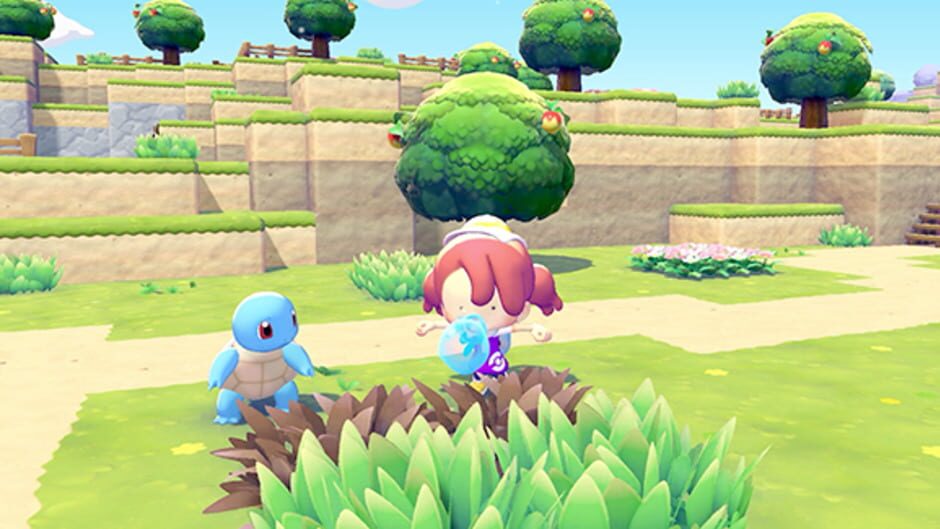
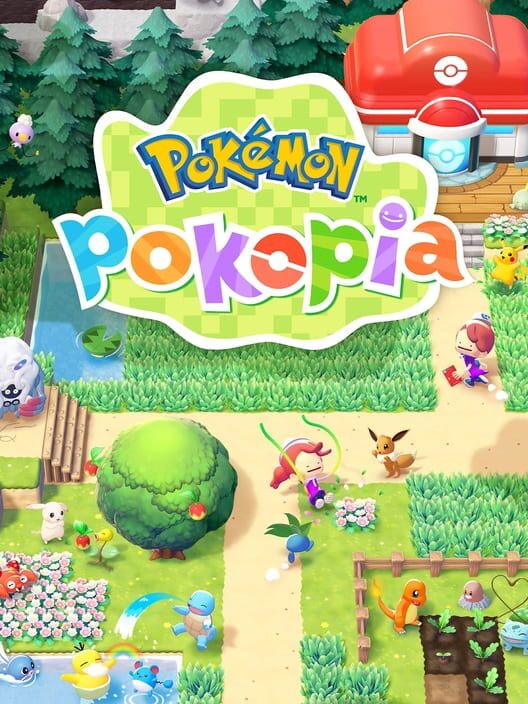
Pokémon Pokopia is a cozy spin-off where you play as a humanoid Ditto, learn moves from Pokémon friends and use them to rebuild a gentle little world. From a distance it looks like a committee blended Animal Crossing, Minecraft and Dragon Quest Builders with the safest possible Pokémon nostalgia. Critics mostly didn't see it that way. They reviewed it as one of the best Pokémon spin-offs in years.
Pokémon Pokopia review scores
OpenCritic lists Pokopia at an 89 top-critic average, a 90 median, 109 reviews and a 98% recommendation rate. That puts it alongside 2026's biggest releases, like Resident Evil Requiem (around 89) and Pragmata (around 86): two Capcom action games and a Nintendo-published cozy builder about Ditto keeping house. Critics scored it like a headline release, not a side project.
- 90: IGN, GameSpot, GamesRadar+, Hardcore Gamer, Tom's Guide
- 80: Eurogamer, Nintendo Life
- 60: TheGamer
With almost everything between 80 and 90 and one sharp dissent, "is it good?" is settled. The better question is why an odd pitch worked.
Why critics liked the Ditto idea
Lottie Lynn at Eurogamer wrote that Pokopia "succeeds in capturing the spirit of Pokémon's past without sacrificing its uniqueness" and called it "one of the best spin-offs the franchise has ever seen." A rhythm game can borrow Pikachu and a puzzle game can borrow type matchups, but a builder has to make the world itself feel like Pokémon.
Ditto is how it does that. Eurogamer notes that Game Freak and Koei Tecmo's Omega Force put Ditto's transformations at the centre of play. Leafage grows grass, Rock Smash clears space, and Surf turns you into Lapras. Moves you know from battles become the way you shape the world.
Rebekah Valentine at IGN gave it 90 and called it "an enjoyable, personality-packed building simulator set in a surprisingly deep world" with plenty of "fun things" for Ditto to do and make. Charm gets people to try a cozy builder; systems keep them coming back after the first evening.
GameSpot, also at 90, said Pokopia gives you "a massive amount to do" plus a story that keeps things moving, while leaving space to simply live among Pokémon and build a community. Too much structure and it stops feeling cozy; too little and it's a toy box with no reason to come back tomorrow.
Nobody claims Pokopia invents a genre, and the comparisons to other cozy builders are everywhere. The praise is that Pokémon suits the template unusually well. Creatures that help you cross water, break rocks, grow plants and reshape a town are made for this kind of game. The surprise is that it took this long.
Where Pokopia reviews split: repetition
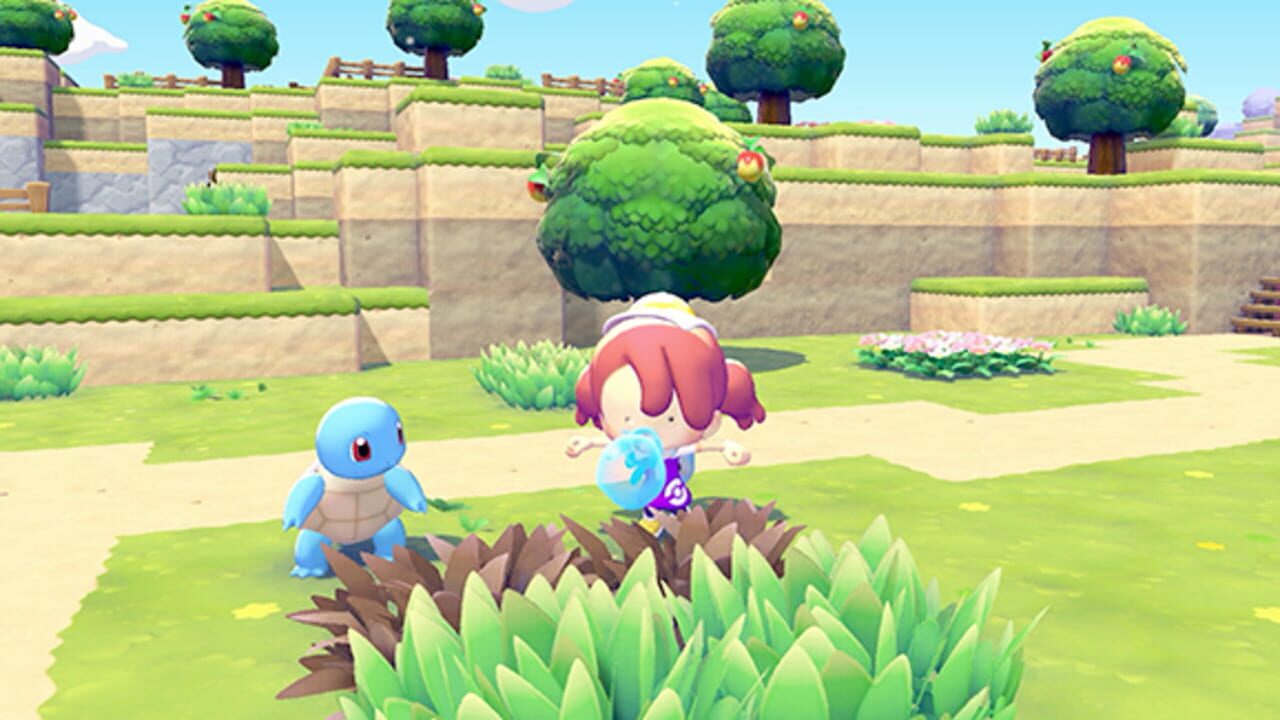
Stacey Henley at TheGamer gave it 60. They found charm and admit the mechanics aren't shallow, but say the same few tasks repeat too often and that Pokopia chases villager-game ideas other games handle better. Their summary: "there is a game waiting for you here," but you have to push through too much of the actual game first.
That doesn't break the consensus; it explains it. Pokopia depends on how much you enjoy the cozy loop. If you like watching a small space slowly become yours, the repetition feels like routine. If you want the systems to surprise you every ten minutes, it feels padded.
Alana Hagues at Nintendo Life landed in between at 80, calling Pokopia "the freshest Pokémon experience in a long time" and full of content that rewards curiosity, while noting problems with gameplay and progression. Tom's Guide went the other way, calling it "the first must-play masterpiece of the Switch 2 era" and a Pokémon game "made in a lab to captivate a new generation of fans." That line makes it sound engineered, which is partly fair: Pokopia is a very deliberate mix of Pokémon affection, cozy-game patience and a new console's need for a hit.
Why the score is so high
The games next to it on the chart help explain it. Resident Evil Requiem earned similar numbers by embracing, in Eurogamer's words, the series' many identities rather than picking one. Pragmata earned its mid-80s by combining shooting and hacking puzzles at the same time. In both, critics rewarded a familiar brand given a new structure.
Pokopia does a softer version. Pokémon games have often treated the world as a route between battles. Pokopia makes the world the point, and most critics say the series gets domestic without losing itself.
A custom human avatar would have made it Pokémon-themed furniture around a normal life sim. With Ditto, you're learning from Pokémon, borrowing their abilities and rebuilding a home in their language, which gives a gentle building game a bit of extra charge.
Reviewers also kept pointing to depth, content and curiosity rather than just cuteness. Sam Loveridge at GamesRadar+ noted "a surprising range" in how Pokémon help you interact with the environment. GameSpot said it had barely scratched the surface, and IGN called the world surprisingly deep.
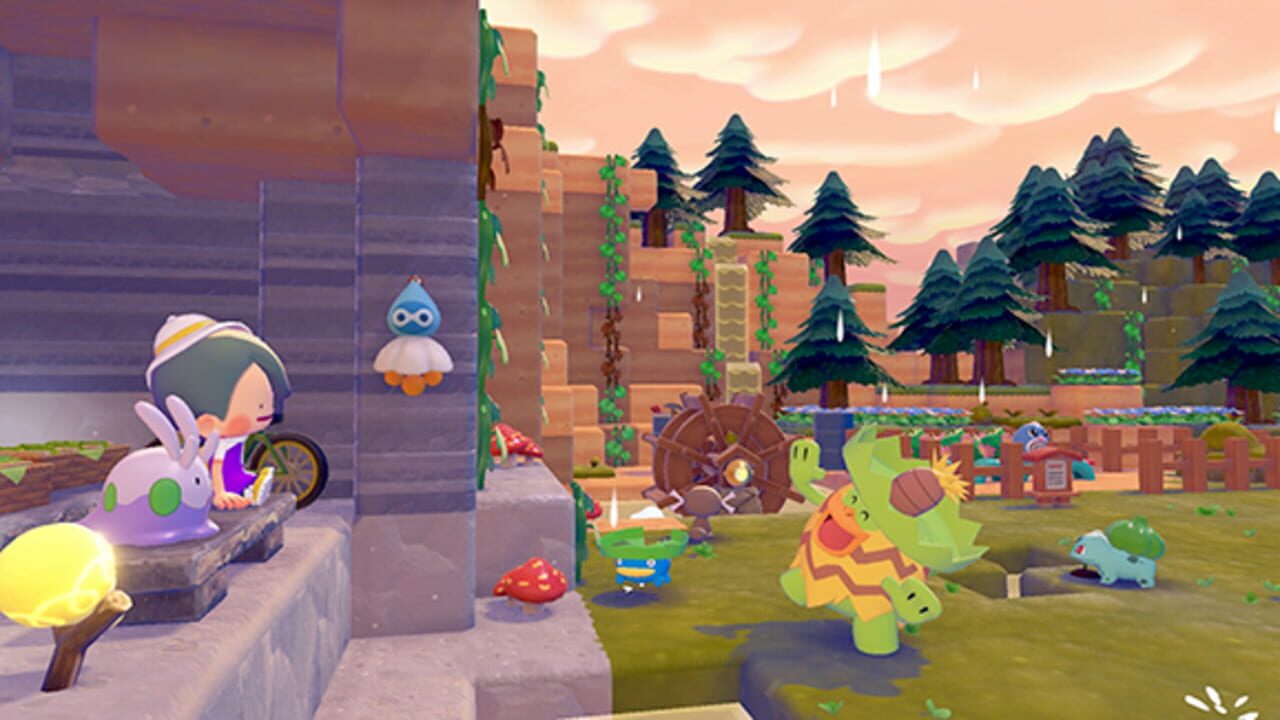
Should you play Pokémon Pokopia?
The test is simple: do you want a Pokémon game where the reward is watching a place slowly fill up, not beating a rival? If yes, it's one of the safer Switch 2 bets of the year. If you need constant escalation, real challenge or a builder with every repetitive edge trimmed, take TheGamer's 60 seriously.
The 89 average and 98% recommendation rate show how few critics disliked it. The individual reviews show what you need to enjoy it: patience, a soft spot for Pokémon, and a willingness to make small repairs the main event. It isn't the boldest game of 2026, but for a spin-off, that's a remarkable reception. For the Capcom side of the comparison, see our Resident Evil Requiem review roundup.