Perthro
Back to blog

Valheim 1.0 and the strange feeling of finishing a world

Valheim leaving Early Access is not just launch news. It is an invitation to remember what a half-finished world already meant.

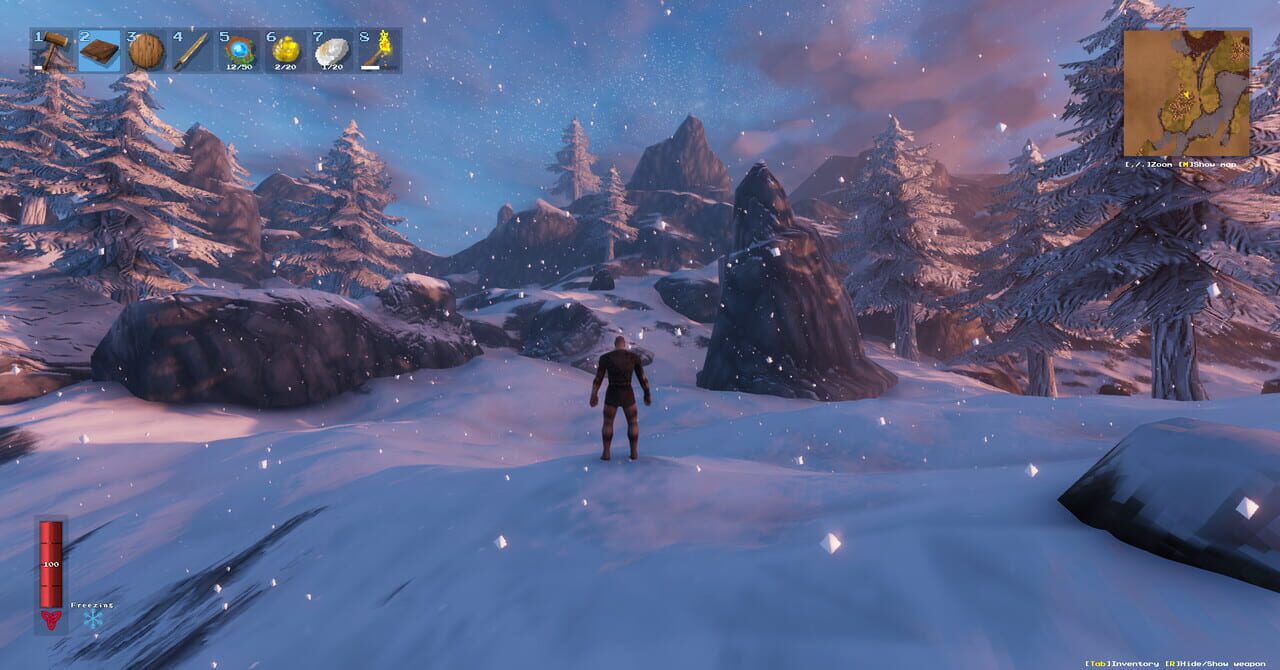
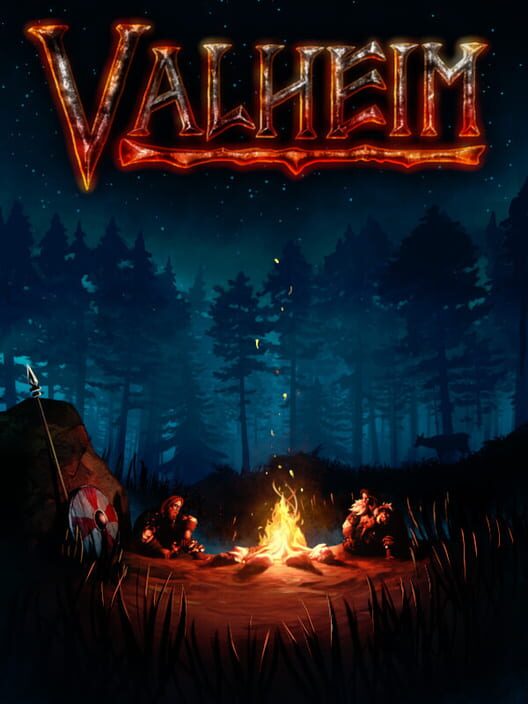
Valheim finally has an end date for its long beginning. Iron Gate and Coffee Stain announced over the weekend that the survival game will leave Early Access on September 9, 2026, alongside its 1.0 update and the Deep North biome. The same announcement says Valheim is coming to PS5 and Nintendo Switch 2, with full crossplay across PC, Mac, Linux, Xbox, PlayStation, and Switch 2.

That is a clean headline, but it feels stranger than most release date news. Valheim has been playable since 2021. For a lot of people, it is not an upcoming game. It is the place where they built a crooked longhouse with friends, died to a tree, sailed too far, lost a corpse run, and logged off at 2 a.m. with one more wall left to finish. Calling that "1.0" now is technically correct. Emotionally, it is messier.

The weirdness of a finished unfinished game

Early Access used to feel like a warning label. You were buying into something incomplete, usually with rough edges, missing systems, and a bit of faith. Sometimes that faith paid off. Sometimes the game vanished into a folder called "maybe someday" and never quite came back.

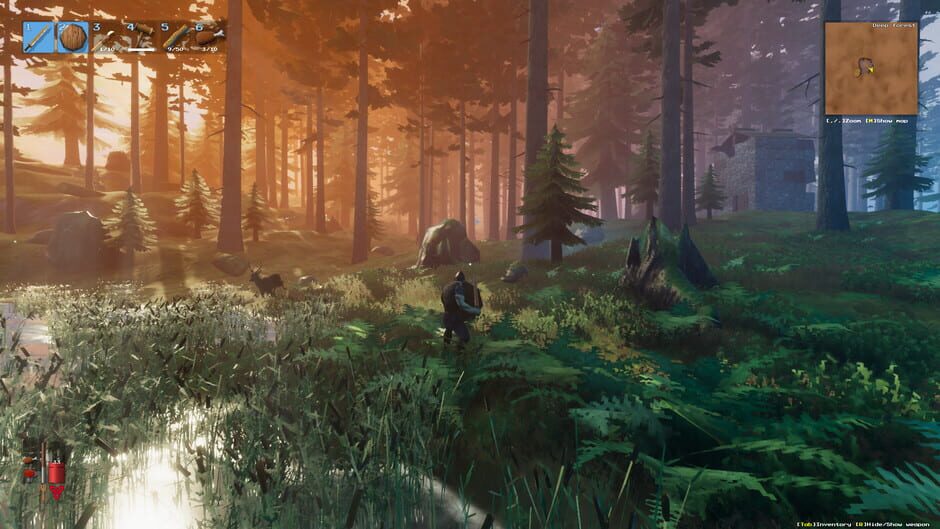
Valheim was different because the unfinished version already felt like a complete memory machine. It had enough danger to make stories happen. It had enough friction to make those stories stick. It had enough quiet to let a base become a place instead of a menu screen with walls. A finished version matters, of course, but the game already did the most important thing a survival game can do: it gave players a reason to tell each other what happened.

That is why 1.0 feels less like a starting pistol and more like a closing bracket. The Deep North is being framed as the final biome, a frozen place with abandoned villages, snowstorms, and old threats waiting under the ice. According to the announcement, the update brings the Early Access journey to a close. That phrase has weight. It admits that Early Access was not just a status on a store page. It was a period of life for the game and for the people who kept returning to it.

There is a certain kind of player who has lived inside Valheim in chapters. The first chapter was discovery: trees, boars, smoke inhalation, the first miserable lean-to. Then came competence: proper roofs, bronze, boats, portals, routes. Then came ambition: docks, towers, halls, a map full of pins, a group chat full of "who has the iron?" The game did not need a credit roll to create endings. It created them in small social ways. The server went quiet. Somebody got busy. Somebody moved on. Somebody promised to come back for the next biome.

Now the game is asking everyone to come back for the last one.

Showcase season is loud, but this news is quiet in the right way

June is usually built for spectacle. Summer Game Fest, Xbox's showcase, platform trailers, surprise logos, big names returning from the dead. The last few days have been full of that. Halo: Campaign Evolved got a major trailer. Metro 2039 surfaced with a release window. Xbox used its showcase to pull hard on its own history. The feed is doing what the feed does: stacking announcements until each one starts to blur into the next.

The Valheim news cuts through for a different reason. It is not selling a mystery box. It is not asking anyone to imagine what the game might be from a cinematic trailer. Most players already know whether Valheim is for them. They know the pace, the comedy of failure, the slightly haunted calm of sailing through fog, the way a simple building project becomes a whole evening. The announcement has the benefit of being attached to years of lived texture.

That gives it a rare kind of confidence. The promise is not "look at this new world you might care about." The promise is "the world you already cared about is reaching its intended shape." That is smaller, maybe, but it is also harder to fake.

I like when game news has that shape. Not every announcement needs to be a thunderclap. Sometimes the best news is a door opening in a place you used to know well. You hear the hinges and realize you still remember the layout.

Early Access changes what release means

The industry still talks about release dates as if they are clean borders. Before release, after release. Anticipation, launch, verdict. That model fits some games. It does not fit a game that people have already played across five years of updates, server wipes, mods, breaks, returns, and half-finished construction projects.

For Early Access games, launch is often less about arrival than recognition. The developer says, "This is the version we are willing to call whole." Players decide whether to treat that as a reason to begin, return, or finally stop waiting.

Those are different player moods, and they matter. A new player looking at Valheim in September may see a complete survival game with years of polish behind it. A returning player may see a reason to reassemble the old crew. A tired player may feel relief that the long arc has an endpoint. None of those reactions is wrong.

This is one of the reasons game libraries are bad at describing how people actually play. A storefront can tell you whether a game is installed. A platform can tell you hours played. A trophy list can tell you a little about progress, if the game has trophies and if you care about them. It cannot tell you that Valheim was the game your friends played during a specific winter, or that you never beat a boss but still remember the house, or that you are waiting for 1.0 before you start over properly.

That is the kind of thing Perthro is built to hold. Not as a productivity system. As a record. You can track a game as playing, played, plan to play, or shelved, write a review as short or long as you want, and keep custom lists for the games you mean to revisit. A game like Valheim almost demands that kind of softer record, because "finished" is not the only meaningful status.

The backlog is not always guilt

There is a mean little voice in games culture that treats every unplayed game as a failure. Backlog as debt. Wishlist as shame. Hours as proof. I get why that language exists, but I have never liked it. It makes leisure sound like unpaid admin.

Valheim is a useful argument against that. Many players did not "finish" it because there was no final version to finish. Some stopped because the server cooled off. Some waited for more biomes. Some bounced off the survival friction and may never return. Some will come back in September and find that the point was not to complete the checklist. The point was to see what the world did to them and what they built in response.

A backlog can be a pile of obligations, sure. It can also be a shelf of open invitations. The difference is how you look at it. If Valheim is sitting in your library, it might not be a task you failed to complete. It might be a place you have not visited in a while.

That is why I like the idea of making a small note before a return. Not a grand review. Just a sentence or two: "Played with friends in 2021. Built near the Black Forest. Stopped before Mistlands. Come back for Deep North." Future you will understand more from that than from a playtime number.

Perthro's backlog and wishlist tools are useful here because they are not only about sorting what comes next. Reordering and a "next up" view help when you want to be practical, but the note behind the choice is the interesting part. Why this game, why now, why return?

Coming back to an old world

There is a specific nervousness to reopening an old survival save. You remember the feeling better than the facts. You know there was a base somewhere. You know there were chests with labels that made sense at the time. You know the portal names were either careful or completely deranged. You do not know whether the world will feel like home or like a house you rented years ago.

That nervousness is part of the charm. Games that persist across time collect a weird sediment. Your old decisions are still there, even when you have forgotten the reasons. A staircase points the wrong way. A boat is parked on the wrong shore. A half-built wall proves that you once had a plan.

Deep North arriving as the final biome makes that return feel ceremonial without needing to be precious about it. There will be new systems to learn and new threats to complain about. There will be players who start fresh because that is cleaner. There will be players who insist on taking the old world north because abandoning it would feel rude.

I hope people do both. Start over if you want the clean arc. Return if you want the ghosts.

The release date is a reminder, not a command

September 9 is now the date on the calendar. Valheim 1.0, Deep North, PS5, Switch 2, crossplay, the whole proper release shape. That is useful news. It gives people something to plan around.

But the nicer thing about the announcement is that it gives players permission to look back. What did this game mean before it was finished? Who did you play it with? What did you build and abandon? Which games in your library are like that: not beaten, not current, not forgotten, just waiting in their own strange category?

That question is bigger than Valheim. It is part of why games are hard to file neatly. They are software, but they are also seasons. They hold friendships, moods, apartments, weekends, routines. A 1.0 release can mark the end of development, or close to it, but it does not close the thing the player remembers.

If you go back to Valheim in September, write down why. Not because every game needs a review. Because someday the release date will fade, the trailer will feel old, and what you will want is the smaller truth: who was there, what you built, and why the north felt worth sailing toward.