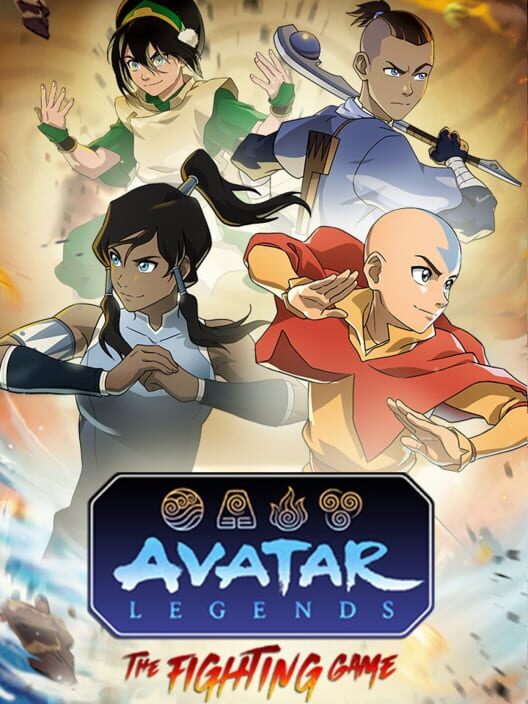
July 23 brought three very different releases: a licensed fighting game that reviewed better than most people expected, a strategy series spin-off that found out how hard a genre switch can be, and a classic RPG collection on Switch 2 facing the question every port faces, which is whether it's worth buying again.
(We later wrote a full Avatar Legends review roundup once more reviews came in.)
Avatar Legends: The Fighting Game review scores: about 81
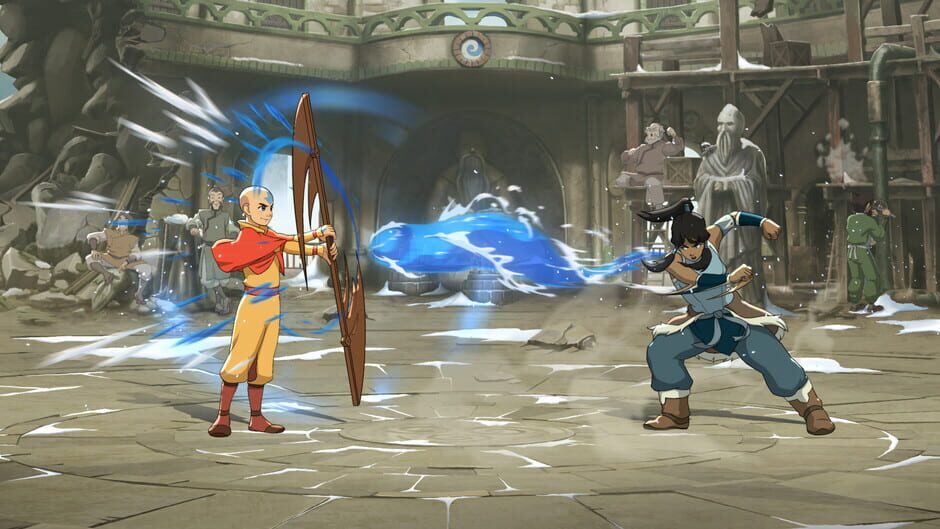
Avatar Legends: The Fighting Game is developed by Gameplay Group International, with PM Studios involved in the console release and Paramount/Nickelodeon through the licence. It launched July 23 on PS5, Xbox Series X|S, Switch, Switch 2 and PC. OpenCritic had it in the low 80s (Strong) from 17 reviews at the time of writing, and Metacritic was at 81.
That's strong for any fighting game and very strong for an Avatar adaptation. Licensed games in a serious genre have to satisfy people who want the source material and players who don't care about it at all. Reviewers say this one gets closer than expected.
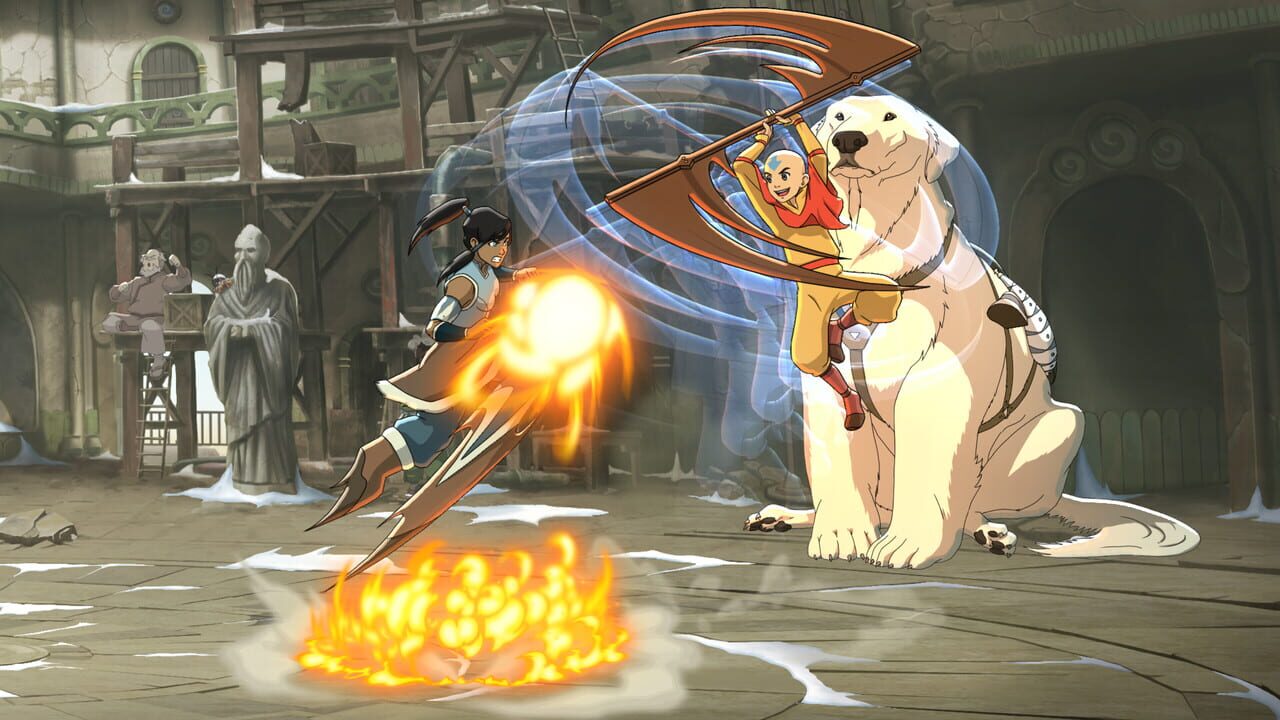
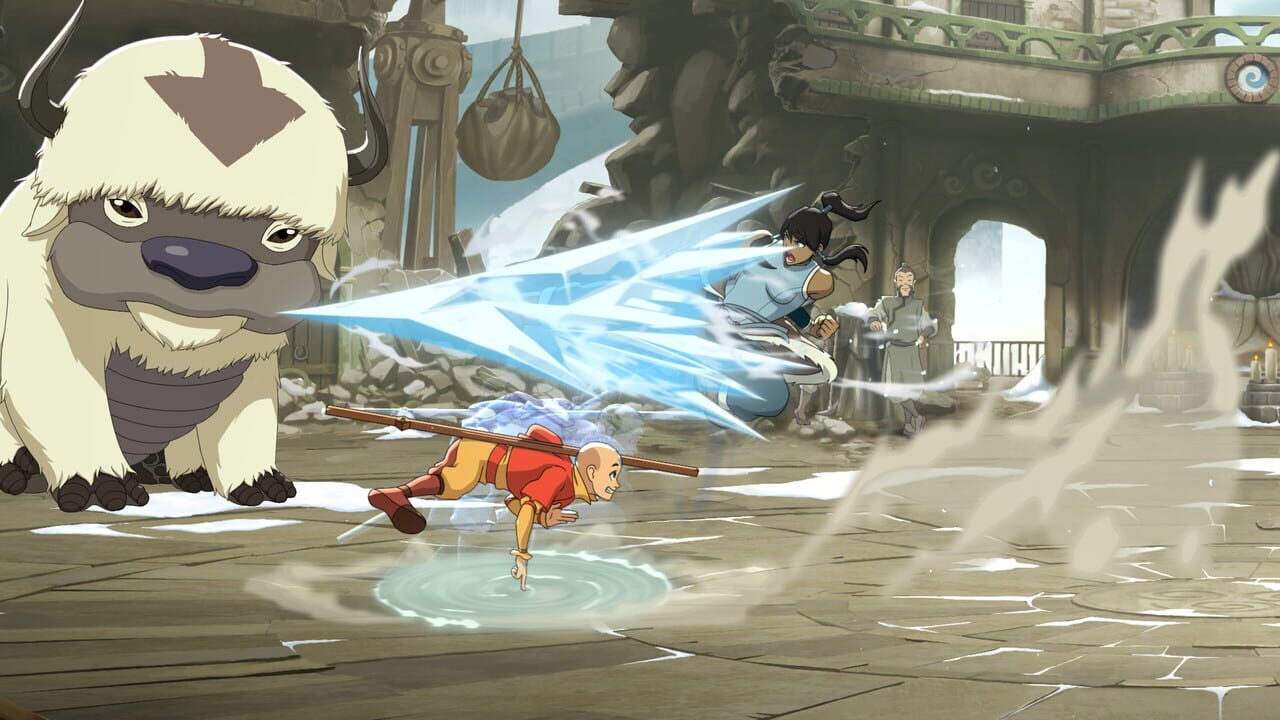
Mitchell Saltzman at IGN gave 8/10 and called it "one of the most fun fighting games I've ever played," praising the movement, character variety, animation, flexible combat routes and some of the flashiest combos he's seen. He also spends real time on the rough edges: weak single-player options, missing training-mode features, limited lobbies, and a package less polished than the combat.
Polygon calls it the first good Avatar video game, fast and fluid with real room for expression. It understands the source at a systems level: Aang is slippery and mischievous, Korra direct, Toph grounded and heavy. GameSpot is more cautious, calling it a treat for fans who can overlook rough edges, with great animation and bending styles offset by a thin story and unfinished-feeling parts.
The fighting is the reason to show up. The disagreement is how much unfinished structure you'll forgive. If you mostly play fighting games online and like learning character routes, it's one of July's safest picks. If you wanted a big, polished solo Avatar campaign, be careful.
Disgaea Mayhem review scores: about 64
Disgaea Mayhem is from Nippon Ichi Software, published in the West by NIS America, released July 23 on PS5, Switch, Switch 2 and PC. OpenCritic lists it around 64 (Weak) from 15 reviews; Metacritic shows 62 from seven.
The idea is simple: take Disgaea's absurd numbers, weapons, grinding, item obsession and goofy Netherworld tone, and swap tactical maps for real-time action. Disgaea has always loved excess, so a Musou-style brawler isn't a crazy thought. The problem, reviewers say, is that the new combat doesn't replace the lost tactical depth with enough of its own.
Nintendo Life calls the switch "surprisingly logical in practice," since wiping out crowds suits the series' love of huge damage numbers, but says the action can't match the depth and variety of the tactical games. It looks and talks like Disgaea and reveals a thinner core once you play.
Hardcore Gamer is kinder to the foundation than the result, calling it a Dynasty Warriors-style take on the series' power grind and a poster child for "First Game In a Series Syndrome." GamingBolt gave 7/10, calling it light, breezy and charming. Rectify Gaming gave 5/10, saying the Magichange mechanic rarely matters because most enemies don't demand much effort.
It isn't broken. It's playable, occasionally charming and interesting in flashes, but shallow where Disgaea is usually obsessive, repetitive where a brawler needs variety, and thin enough that the full price comes up. If you play Disgaea for party building, grid tactics and long-term strategic nonsense, critics are clear this isn't that.
Final Fantasy X/X-2 HD Remaster on Switch 2: great games, weak upgrade case
The Switch 2 release of Final Fantasy X/X-2 HD Remaster landed July 23 from Square Enix (the HD Remaster was historically credited to Square Enix and Virtuos). Nobody is debating whether Final Fantasy X is good; they're debating what this release adds.
The scores are healthy. Nintendo World Report gave 7.5/10, MonsterVine 9/10, and several other outlets, including Hey Poor Player, Noisy Pixel and The Outerhaven, were reported in the 8.5-to-9 range. It's the warmest set of reviews here, with the most asterisks.
Jordan Rudek at Nintendo World Report argues against blind double-dipping. At first glance the Switch 2 version is almost indistinguishable from the original Switch release, right down to the home-screen icon and title. He still praises Final Fantasy X's story, the sphere grid and its anxious, living world, and gives X-2 its due as a stranger, more open, mission-based sequel with a fascinating dressphere job system. The problem isn't the games; it's whether this port looks different enough to justify buying again.
MonsterVine calls it a "peak port" and a no-brainer for its sharp visuals and convenience features, and is especially warm on Final Fantasy X's story, soundtrack, turn-based combat and lasting emotional weight. Nintendo Insider sits between them: modest technical gains, a slightly crisper image, and PC-style convenience tools (speed-up, encounter-rate controls, auto-battle, boosted characters, unlocked skills and maxed gil). But there's no upgrade path or discount for existing owners, no save transfer, and the PC version's autosave appears to be missing.
Final Fantasy X is still one of Square's defining RPGs, and X-2 is stranger, lighter and more interesting than its old reputation suggests. The Switch 2 version is good if you want a convenient modern way to play both, and hard to recommend if you already own the Switch version and want a technical leap.
Which to play first
- Avatar Legends: The Fighting Game: the new release with the most energy. The critic enthusiasm is real, and the complaints are about the package around the fights, which some players won't care about.
- Disgaea Mayhem: the messy experiment. It may matter more as a prototype than as a purchase. Don't rush it unless you forgive spin-off weirdness.
- Final Fantasy X/X-2 HD Remaster: the comfort pick. Just be honest about whether you need it on Switch 2 or just want any excuse to go back to Spira.