
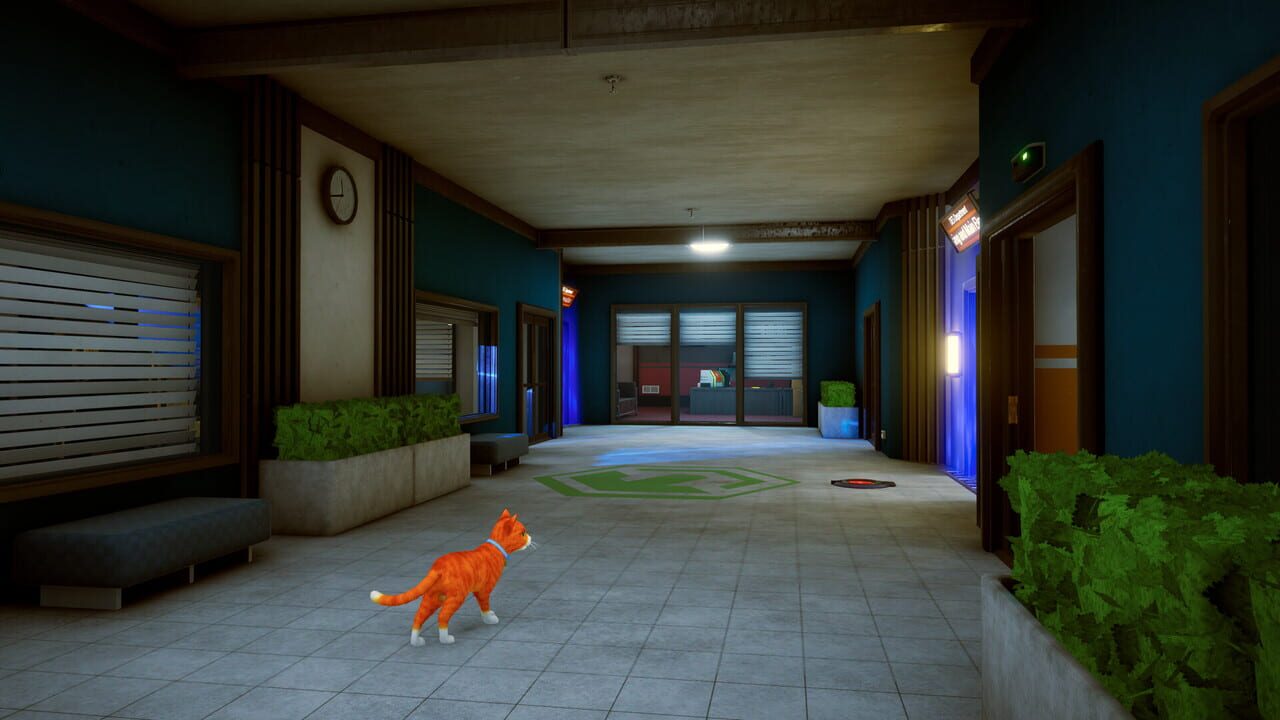

Schrodinger's Cat Burglar is the kind of game that can slip past you if you only watch the loudest part of the release calendar. It is a PC puzzle game from Abandoned Sheep, released on May 21, 2026, and its pitch sounds like a joke that might run out of breath: a literal cat burglar named Mittens gets tangled in a quantum experiment and learns to exist in two places at once.
Then the reviews landed, and the joke got more interesting. OpenCritic lists Schrodinger's Cat Burglar at an 87 Top Critic Average, with 80 percent of critics recommending it across five tracked reviews. The individual scores run from Life is Xbox at 71/100 to Checkpoint Gaming and Try Hard Guides at 9/10, with GameGrin at 8.5/10 and GAMES.CH at 87 percent. That is a tidy average, but the spread matters. It shows a small game doing one thing well enough that several reviewers forgave its rough edges, while one outlet found those same rough edges hard to ignore by the end.
That is the useful part of review aggregation. The number gets you in the door. The disagreement tells you what kind of player should actually walk through it.
Schrodinger's Cat Burglar review scores at a glance
Critics mostly agree on the core: Schrodinger's Cat Burglar is warm, clever, and better built than the pun-first title suggests. They disagree on endurance.
The current OpenCritic set is compact but clear. Checkpoint Gaming scored it 9/10 and called it an "impressively fun puzzle debut." GameGrin gave it 8.5/10, praising it as "cute," "challenging," and "fun," while noting camera trouble and a softlock. GAMES.CH scored it 87 percent and framed it as a must-play for co-op puzzle fans. Try Hard Guides also landed at 9/10, saying its Portal-like puzzle solving creates brain teasers that are challenging but forgiving. Life is Xbox gave it 71/100, calling the central mechanic brilliant but criticizing the pacing, repetition, and endgame.
That is not a chaotic split. Nobody seems to think Schrodinger's Cat Burglar is bad. The real question is whether its best idea keeps blooming, or whether it starts circling itself.
What Schrodinger's Cat Burglar is actually doing
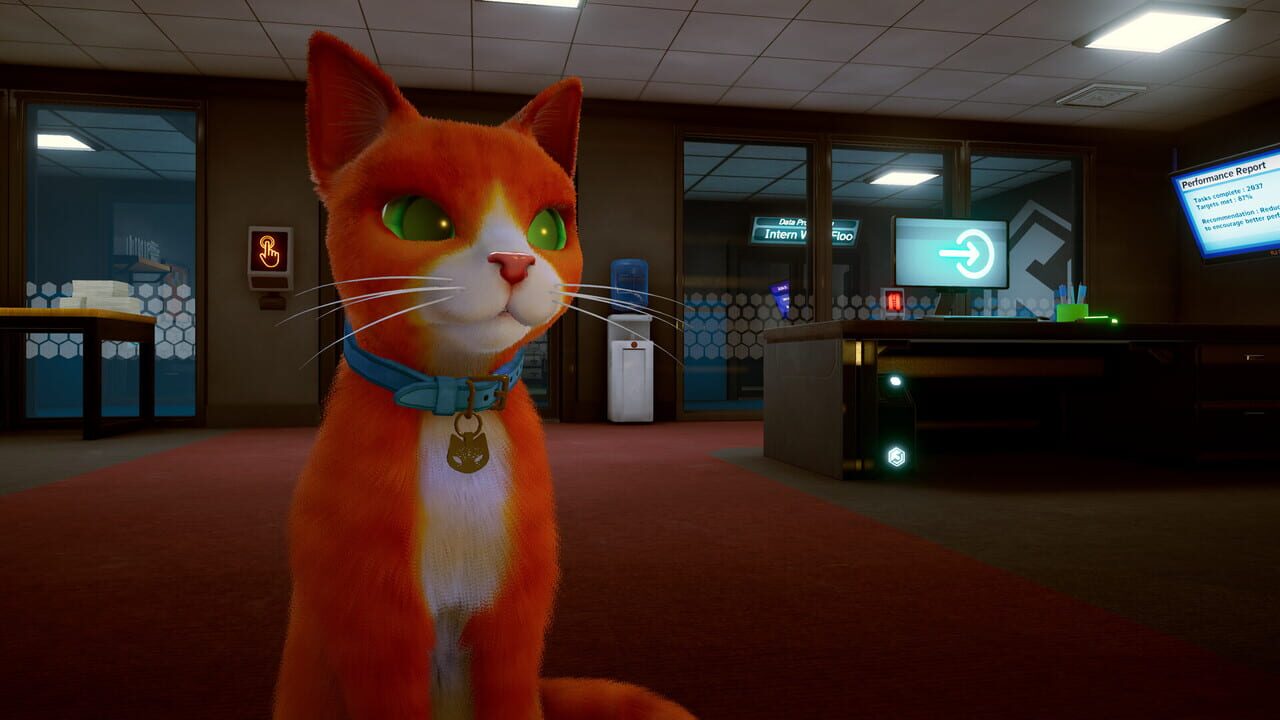
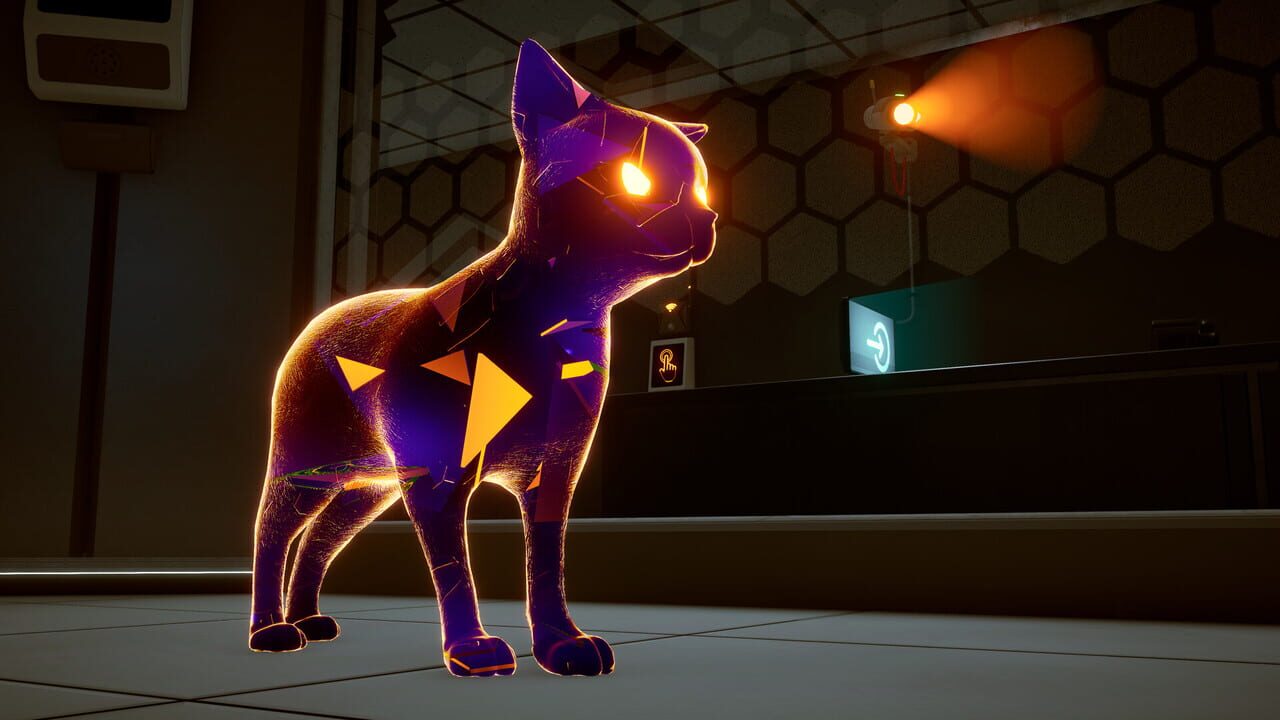
Most reviews describe the same setup. Mittens breaks into a research facility, the heist goes sideways, and the lab's quantum machinery lets the cat split into two states. Mechanically, that means the game can ask you to think about two positions, two bodies, and sometimes two players at once.
Checkpoint Gaming's Hayley Louise describes the split as "two different states of fluffy theoretical cuteness," which is pretty much the pitch. The same review notes that Schrodinger's Cat Burglar supports both single-player and split-screen co-op, so you can wrangle both cats yourself or hand one half of the problem to someone on the couch. Solo play turns the puzzle into a brain-and-hands coordination exercise. Co-op turns it into communication.
Try Hard Guides makes the strongest case for playing alone. Its review says the game is fun with two players, but recommends single-player because controlling two cats at the same time is a unique experience that elevates the game. That is a good sign. A lot of co-op-optional puzzle games feel like solo versions of a social idea. Here, several reviewers suggest both modes have their own shape.
The common comparison is Portal, though usually with a careful asterisk. GameGrin says the writing and humor are not on Portal's level, but the reviewer still looked forward to every cutscene. Try Hard Guides uses the phrase "Portal-like puzzle solving" in its final verdict. GAMES.CH brings up Portal 2, concluding that the puzzles do not quite reach that classic's level but still challenged the reviewer across the full playtime.
That feels like the right kind of comparison: useful, but not fair as a measuring stick. Portal 2 is one of the genre's high-water marks. Schrodinger's Cat Burglar is a debut from a small studio. The fact that critics keep reaching for Portal at all says the puzzle language is clear enough to invite the comparison.
Where critics agree: the puzzle idea has real legs
The praise is surprisingly consistent. Checkpoint Gaming says every puzzle was enjoyable and well thought out, with a "natural and well-paced evolution of mechanics." That review also singles out the accessibility options, including ways to adjust hold inputs, camera transitions, tapping, paired actions, and time-sensitive mechanics. For a puzzle game that could easily become fiddly, that matters.
GameGrin liked the narrative more than expected, especially the mystery of the facility and the emails scattered through the levels. It also praised the way the facility is built, saying the level design keeps players from feeling lost even when the space becomes maze-like. The same review does flag camera problems when the game has to frame two cats instead of one, but the frustration sounds manageable rather than fatal.
Try Hard Guides keeps circling back to the charm of the premise. The reviewer likes the way cat behavior is folded into the design: knocking things over, hacking computers by mashing little paws, using feline movement to turn lab furniture into routes. That is the kind of detail that keeps a puzzle game from feeling like abstract rooms with a mascot pasted on top.
GAMES.CH, writing in German, lands in a similar place. The review praises the cat animation and says the art style helps distinguish puzzle elements from decoration. It also says co-op makes the test chambers especially fun, while the solo trip into quantum physics remains worthwhile.
Put together, the consensus is clear. Schrodinger's Cat Burglar works because the cat is not only cute. The cat is part of the puzzle grammar.
Where Schrodinger's Cat Burglar gets messy
The dissent from Life is Xbox is the part that makes the average more interesting. That review starts warmly, calling the premise quirky, clever, and built around a genuinely inventive core idea. It says the game works brilliantly for the first few hours. Then it argues that the game slowly trades innovation for repetition.
The final verdict is blunt: "Schrodinger's Cat Burglar is a creative and charming quantum puzzler with a brilliant core mechanic, but it's held back by its pacing issues and a disappointing endgame scenario." The reviewer also logged 13.5 hours to finish the story and estimated 20 hours for full completion, which gives useful context. This is not a complaint after a rushed skim. It is a complaint from someone who stayed with the game long enough for the repetition to show.
That criticism does not fully contradict the other reviews. It reframes them. Checkpoint Gaming liked the pacing of new mechanics. GameGrin found a few camera and softlock issues. GAMES.CH said the puzzles were strong, though not Portal 2 strong. Life is Xbox seems less persuaded by the late-game escalation and more bothered by routes, repetition, and a sequel hook that did not feel earned.
This is the split to pay attention to if you are thinking about buying it. If you play puzzle games mainly for the first-contact pleasure of learning a system, Schrodinger's Cat Burglar sounds easy to recommend. If you need a puzzle game to keep sharpening itself until the end, the 71/100 review is the warning label.
Why the score spread helps more than the average
An 87 on OpenCritic can make Schrodinger's Cat Burglar look like a clean sleeper hit. In some ways, it is. A debut puzzle game from Abandoned Sheep getting four scores between 85 and 90 is no small thing. But the score range tells a better story than the headline number.
The high reviews are responding to tactility and generosity. They like that the puzzles are readable. They like that the mechanic can be shared with another player or wrestled with alone. They like Mittens. They like the soundtrack, the humor, and the sense that a small studio had a very specific idea and finished it.
The lower review is responding to endurance. It asks whether the idea keeps paying rent after the novelty fades. That is a fair question, especially in puzzle games. The genre lives or dies by trust. When a puzzle teaches you a rule, you start believing the next room will deepen it. If the late game starts feeling padded or inconsistent, that trust gets thin.
The nice thing here is that even the tougher review still recognizes the core. Life is Xbox calls the mechanic brilliant. It does not dismiss the game. It just stops short of calling the whole journey satisfying.
The Perthro angle: this is the kind of game worth tracking carefully
Schrodinger's Cat Burglar is a good reminder that a review score is not a verdict you have to obey. It is a note from someone else's play session. The useful move is to keep the parts that map to how you play.
If you are using Perthro, this is the sort of game that belongs in a wishlist or a custom list with a little context attached. Not just "87 on OpenCritic." Something more honest: "cat puzzle game, probably best for Portal-ish co-op nights, watch for late-game repetition." That is the difference between collecting games and remembering why one caught your eye.
Perthro is built around that slower kind of record: tracking what you are playing, what you plan to play, what you shelved, and what you actually thought when you got there. Schrodinger's Cat Burglar feels made for that treatment. It is not only a score. It is a small argument about charm, repetition, and how far one clever mechanic can carry a game.
Should you play Schrodinger's Cat Burglar?
Based on the current reviews, yes, if you like puzzle games with a strong central hook, couch co-op, and a lighter tone. The safest audience is probably players who enjoy Portal-style room logic but do not need every puzzle to be punishing.
Hold off if repetition bothers you more than rough edges usually do. Also hold off if you are looking for something as mechanically dense or formally perfect as Portal 2. Critics are invoking that lineage, but they are not saying Abandoned Sheep has replaced it.
What Schrodinger's Cat Burglar seems to have done is smaller and harder than it sounds. It took a joke title, a cat, and a physics thought experiment, then turned them into a puzzle game critics mostly want people to notice. Some games arrive as blockbusters. Some arrive as little notes you are glad you wrote down before the week moved on.