
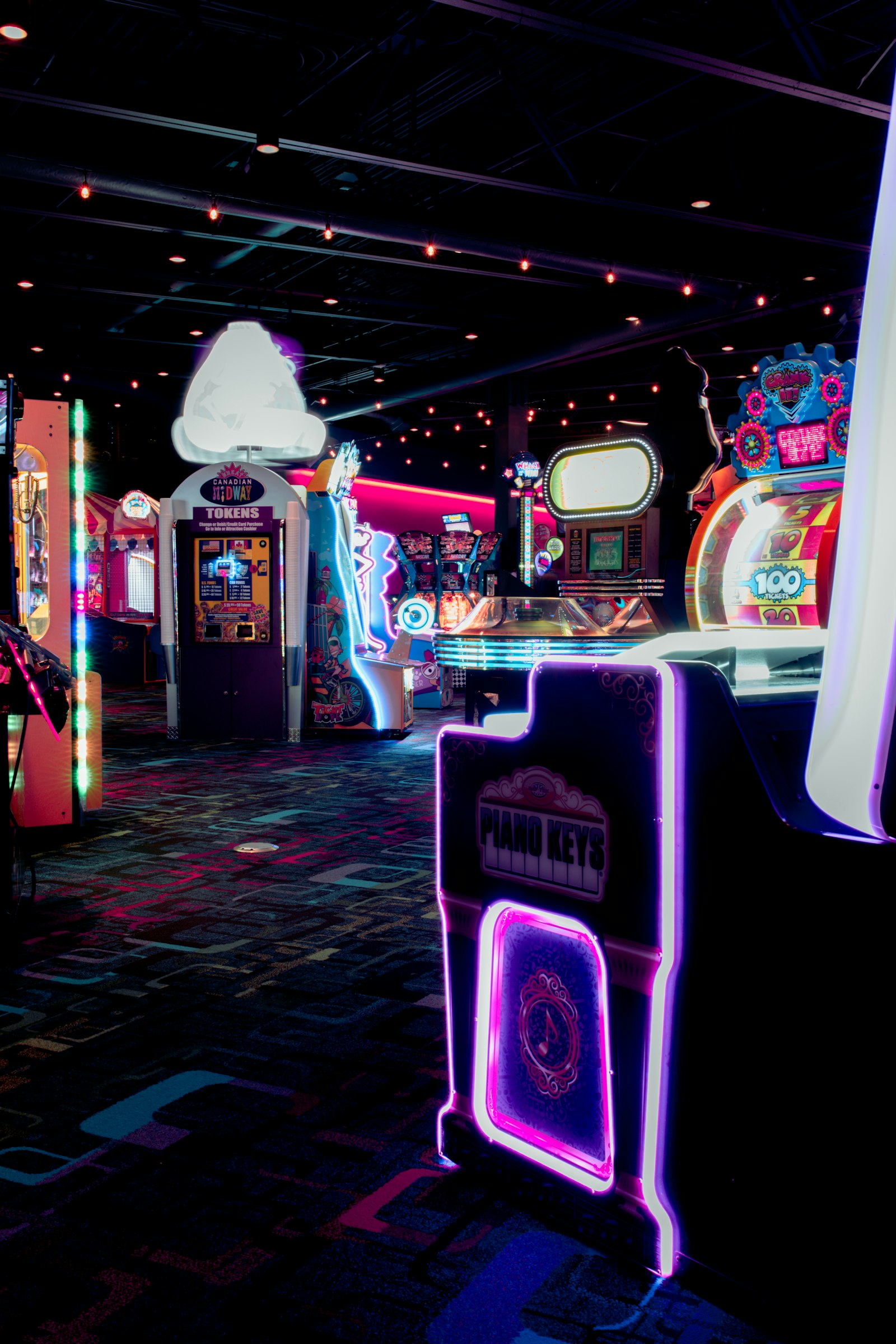
The loudest gaming news this weekend is not one single trailer. It is the shape of the calendar. July is closing, August is already crowding the doorway, and the release lists look less like a schedule than a room full of people trying to talk at once.
That is not a complaint, exactly. A full release calendar is a good problem if you love games. It means more odd experiments, more second chances for genres that were supposedly dead, more little studios finding a crack of daylight. It also means the way we choose what to play has started to feel as important as the games themselves.
A few pieces of research nudged me toward that thought this week. gameranx posted a big August release rundown. Best Indie Games put out a July 20 to 26 indie roundup. Steam's upcoming page is already stacked with late-July names, from Halo: Campaign Evolved on July 28 to Mistfall Hunter on July 29, along with a flood of smaller sims, horror demos, tactics games, and shopkeeper curiosities. GameSpot's July list tells the same story from another angle: even the so-called quiet weeks are not really quiet anymore.
This is the part of the year where discovery starts to break down. Not because there is nothing worth playing, but because there is too much worth noticing.
The release calendar has become a game of its own
There was a time, or at least it feels like there was, when a big release week had a shape you could understand. You knew the boxed game coming Friday. Maybe there was a magazine review. Maybe a friend had preordered it. If you missed something, it probably sat on a shelf long enough for you to find it later.
Now the shelf moves under your feet.
A trailer shows up on Monday. A demo disappears on Tuesday. A creator posts a roundup on Wednesday. Steam surfaces a dozen games you've never heard of on Thursday. By Friday, the conversation has already shifted to next week, and the thing you meant to remember has dissolved into a tab you closed by accident.
The funny thing is that none of this feels like abundance when you are inside it. It feels like weather. You stand in it. You try to keep your hood up. You tell yourself you will come back to that weird little game with the paper-doll art style or the one where you run a haunted bookstore, but the feed has other plans.
Release calendars used to answer a simple question: what is coming out? Now they create a harder one: what deserves a place in your actual life?
That is the question I keep circling. Not what is objectively best, not what has the biggest marketing push, not what will dominate a weekend of YouTube thumbnails. What belongs in your own small, finite, particular play life?
Big games set the tempo, small games fill the room
The late-July and August lists are a good example because they mix different kinds of attention. A familiar name can still bend the room. Halo does not need an explanation. Neither do the big genre brands that appear in every monthly release roundup. You see them and instantly know whether you are curious, tired, skeptical, or already in.
Smaller games have a different problem. They have to earn recognition in a fraction of a second. A title, a capsule image, a tag stack, maybe one line from a creator you trust. That is brutal, but it also makes the scene feel alive. Steam's upcoming page this week is full of names that sound like someone's private obsession finally made public: Bookbinding: Dark Cozy Sim, Papercraft Tactics, Metal Detector Island, Aster Pebble and the Case of Bad Bureaucracy. I have not played those, and I am not pretending they are all secret masterpieces. The point is simpler: they look specific.
Specific is good. Specific gives memory a handle.
The industry spends a lot of time talking about discovery as if it were a store problem. Search needs to be better. Tags need to be cleaner. Algorithms need to recommend the right thing. All of that matters, sure. But the player-side problem is more intimate. We do not just need better shelves. We need better ways to remember why something caught us in the first place.
There is a difference between adding a game to a wishlist because it is discounted and writing down, "This looked strange in exactly the way I like." There is a difference between owning a game and knowing why you wanted it. The first is library management. The second is memory.
Hype is fast. Taste is slow.
The internet is excellent at manufacturing urgency. It is bad at protecting taste.
Urgency says you need to play the thing while everyone else is talking about it. Taste says you might be happier waiting until autumn, when the room is quieter and you can hear the game properly. Urgency says a Steam page with rising wishlist momentum is something you should pay attention to. Taste says you already have three half-finished games that deserve better than being abandoned because a thumbnail sparkled at the wrong moment.
I do not mean this in a scolding way. I fall for it too. Everyone does. Part of loving games is being porous to them. A good trailer can get through your defenses. A strange title can sit in your head all day. A 90-second clip of a combat system can make you believe, briefly and sincerely, that you are the kind of person who needs another 60-hour action RPG in your life.
Maybe you are. Maybe you are not. The useful question is not "Should I be excited?" Excitement is cheap and sometimes lovely. The useful question is, "What do I want to do with this excitement before it vanishes?"
Sometimes the answer is to buy the game. Sometimes it is to wishlist it. Sometimes it is to send it to a friend who likes stranger things than you do. Sometimes it is just to write a sentence and move on: looked beautiful, wait for reviews; co-op maybe; save for winter; not now but not never.
That tiny act changes the feeling. It turns hype from a command into a note.
The best backlog is not a debt ledger
This is where I get wary of the word backlog. It is useful, but it carries the smell of work. Backlog sounds like a queue you are failing to process. It turns leisure into an inbox. It makes every new release feel like another obligation arriving with a little red badge on it.
Games deserve better than that. So do players.
A healthier backlog feels less like debt and more like a shelf with intention. Some games are for now. Some are for later. Some are there because you were a different person when you saved them. Some should probably be removed, not with guilt, but with relief. Not every old want is a promise.
Perthro is built around that quieter version of tracking. You can mark games as playing, played, plan to play, or shelved. You can keep a backlog and wishlist, reorder them, and use the next up view when you want a nudge without turning the whole thing into a productivity ritual. You can also write reviews of any length, which matters because sometimes the useful record is not a score. Sometimes it is one honest paragraph about why a game landed, or why it did not.
That matters more during crowded weeks. The more games arrive, the more fragile your attention gets. A small note can keep a game from becoming just another rectangle you once meant to investigate.
A better way to read a crowded week
When the release calendar gets this loud, I like to read it less like a shopping list and more like a weather report. What fronts are moving through? What kinds of games are clustering? What mood does the week seem to have?
Late July has a restless mix: big names, survival hooks, cozy sims, tactics, horror demos, and indie roundups trying to rescue small titles from the flood. August looks bigger from the early videos, but maybe not cleaner. That is normal now. The rhythm of games is no longer a few monolithic beats per year. It is a constant hum with occasional thunder.
So the trick is not to keep up. Keeping up is a trap. The trick is to notice well.
Notice the game that makes you send a link to someone. Notice the trailer you replay. Notice the title you keep thinking about two days later, after the feed has moved on. Notice your own fatigue too. If a game looks good but you feel tired at the thought of starting it, that is information, not failure.
This weekend, the calendar is saying what it says most weeks now: there is more here than you can play. Fine. Let that be freeing instead of stressful. You do not need to be a perfect witness to the medium. You just need a way to hold onto the things that might matter to you.
The rest can pass by. Another week will come. Another roundup, another Steam page, another surprise demo, another game with a title so oddly specific that you save it on instinct. The trick is making sure the instinct has somewhere to land.