
June has a way of making a reasonable backlog look ridiculous. One minute you are quietly finishing the thing you started in April. The next minute every feed is a release calendar, every trailer has a Steam page, every friend has a recommendation, and the little private list in your head starts dropping games on the floor.
This week made that feeling hard to ignore. IGN's June release roundup points at the usual late-spring pileup, with expansions, console ports, indies, and oddities all arriving close together. Steam's own Next Fest page is already sitting there as the June 2026 edition, which means another wave of demos is about to ask for a corner of your attention. The research was not subtle: even the YouTube side of the past month was full of June release lists, cozy-game roundups, and smaller games fighting for a few minutes of oxygen.
That is the part of gaming culture I love and distrust at the same time. Discovery is wonderful. Discovery is also a mess. A store library can tell you what you own. It cannot always tell you why you cared.
The store remembers the purchase, not the moment
Steam is very good at being Steam. It knows what you bought, what you installed, what you wishlisted, and what you played there. If your gaming life mostly happens on one PC, that might be enough for a while. For a lot of people, though, the shape of play is more scattered than that.
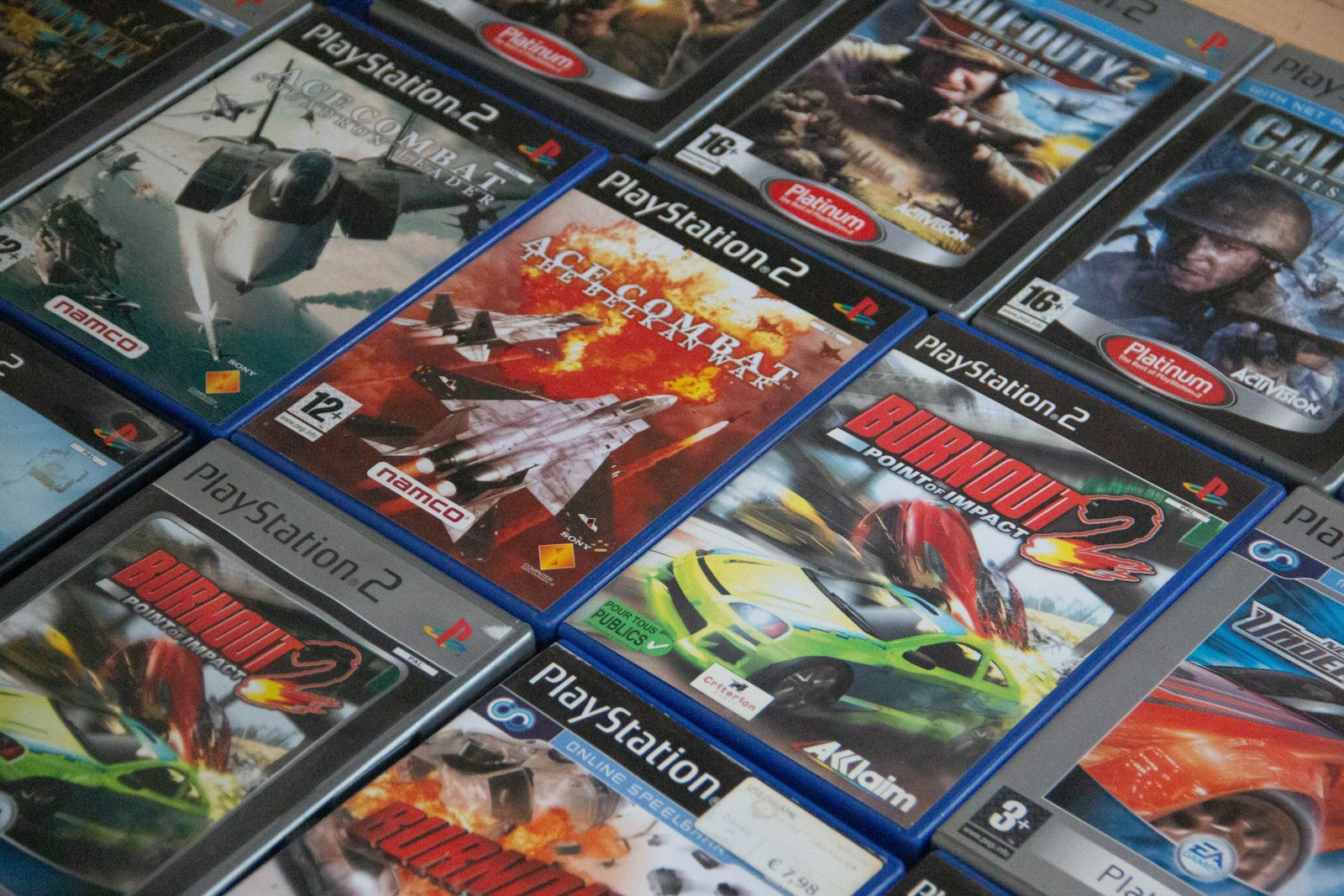
There is the game you started on PlayStation because a friend was talking about it. The co-op thing on Xbox that only made sense for three weekends. The tiny indie you tried during a festival and meant to revisit. The RPG you bounced off after six hours, then thought about again two years later because your taste changed. The Switch game you borrowed. The game you watched someone else play, then finally bought on sale on a platform you barely open.
None of this fits neatly into one storefront. It is not a criticism of stores. They were built to sell, launch, update, refund, recommend, and count. They are not journals. They do not know that a game was technically shelved but emotionally unfinished. They do not know that you hated the first hour and loved the third. They do not know that you only want to remember the winter you played it, the person who recommended it, or the strange little reason you stopped.
That gap is where a separate game journal starts to make sense. Not because you need one more place to manage your life. Please, no. Because games are slippery memories, and the platforms that sell them are not built to hold the personal part.
A library is not the same as a backlog
A library is everything you have access to. A backlog is a promise you may or may not want to keep.
That difference matters more during weeks like this. Release-season energy can turn every interesting game into an obligation if you let it. You see a trailer, click wishlist, play a demo, download three more, and somehow the act of curiosity starts to feel like unpaid work. The list grows, but it does not get wiser.
The healthier version is smaller and more honest. Keep the game. Keep the reason. Let the status be specific. Playing. Played. Plan to play. Shelved. Maybe someday, maybe not. A backlog should have room for a shrug.
Perthro is built around that kind of record. It is an iPhone-first social gaming journal, free on the App Store, and the basic loop is simple: track the games you are playing, have played, plan to play, plan to play later, or shelved. Rate them on a five-star scale if that helps. Write a sentence, or write a page. Put something on the wishlist. Reorder the backlog when your mood changes. Use the next up view when you want the list to stop shouting and just hand you one reasonable option.
That last part is more important than it sounds. Most of us do not need a bigger backlog. We need a calmer one. We need a way to say, not tonight, but not forgotten.
The iPhone is where the thought actually happens
A lot of game tracking tools live where the games live: on a console, a PC launcher, a store page, a browser tab. That makes sense until you notice when the thought arrives.
It usually happens away from the machine. In a group chat. On the bus. Halfway through a trailer. While scrolling through a June release list before bed. While a friend says, you would like this one, and you know they are probably right. If the only place to capture that thought is the store you are not currently using, it probably does not get captured.
That is why the phone matters. Not as a replacement for the places you play, but as the pocket where the memory can land. You can look up a game, add it to a list, write the tiny note before it gets cleaned up into something less true. You can mark something shelved without making a production of it. You can open the app later and see the shape of your gaming life across Steam, PlayStation Network, and Xbox Live imports where the platforms allow it.
That cross-platform piece is not magic, and it should not be oversold. Imports help bring your library into view. Game metadata comes from IGDB. Achievements and trophies come through where supported. The human part still belongs to you. The rating. The review. The list named after a mood rather than a genre. The little admission that you keep buying tactics games because you like the idea of yourself as someone who finishes tactics games.
A store cannot write that for you. Honestly, it should not try.
Reviews are better when they are allowed to be small
There is a weird pressure around reviewing games, as if every opinion needs to become a verdict. Score, rank, defend, compare. Did it respect your time? Is it worth the money? Is it the best version of the genre? Those can be useful questions, but they are not the only ones.
Sometimes the only review you have is: I played this during a bad week and it helped. Sometimes it is: beautiful, but I was not in the mood. Sometimes it is: I can see why people love this, and I still bounced off it. Those are not failed reviews. They are closer to how people actually talk about games.
A five-star scale can be useful because it gives shape to the feeling. The longer note is where the truth sits. The two work best when neither is treated like a court ruling.
That is part of the reason Perthro lets reviews be any length. A few words are enough if that is what you have. A longer piece is there if the game left a bruise, or a glow, or some unfinished argument in your head. The point is not to build a personal Metacritic. The point is to leave a record that your future self can understand.
This matters more when the year is crowded. If you play six demos during Next Fest, you will not remember them clearly by July unless one of them knocks the door down. The second-best demo may vanish. The one with a clumsy opening but a brilliant idea may vanish. The one you want to recommend to a specific friend may vanish. A small note keeps the door open.
Social should mean nearby, not noisy
The social side of games can get loud fast. Feeds become performance. Ratings become identity. Backlogs become proof of taste. That is the boring version of social software, and games deserve better than that.
The good version is quieter. A friend marks something as played and you remember you meant to ask them about it. Someone writes a short review that makes a game click for you. A reply turns into a recommendation. A reaction says, yes, I know that feeling too.
Perthro has friends and a feed for that reason: follow players, see activity, react, and reply. The hope is not to turn every game into content. The hope is to keep the small human signals close to the record. Games have always been social in that way, even when they are single-player. Someone lent you a disc. Someone told you to push through the first act. Someone watched the ending with you. Someone said, play this without reading anything first.
A journal does not have to be solitary. It just has to protect the reason you made the note in the first place.
Keep the reason, not just the title
The practical advice is almost boring, which is usually a good sign. When a game catches your eye this month, save more than the name. Save why. One sentence is enough. "Loved the movement in the demo." "Friend said the writing gets strange." "Looks cozy but maybe too slow." "Try on a quiet weekend." That little bit of context is the difference between a useful list and a drawer full of receipts.
If you already have years of games scattered across platforms, do not try to clean the whole thing in one heroic sitting. Start with the games you are touching now. Add the ones you keep thinking about. Import what you can. Let the rest stay messy until it matters. A gaming journal should not punish you for having played games before you had a system.
The June release rush will pass. The demos will rotate out. The trailers will stop feeling urgent. A few games will stay with you, and a lot of them will blur together. That is normal. There are too many good games for memory to carry alone.
The trick is not to become more disciplined. The trick is to leave yourself better traces. A title, a status, a note, a rating if you want one, a list that sounds like you. Something small enough to keep, and honest enough to matter later.