

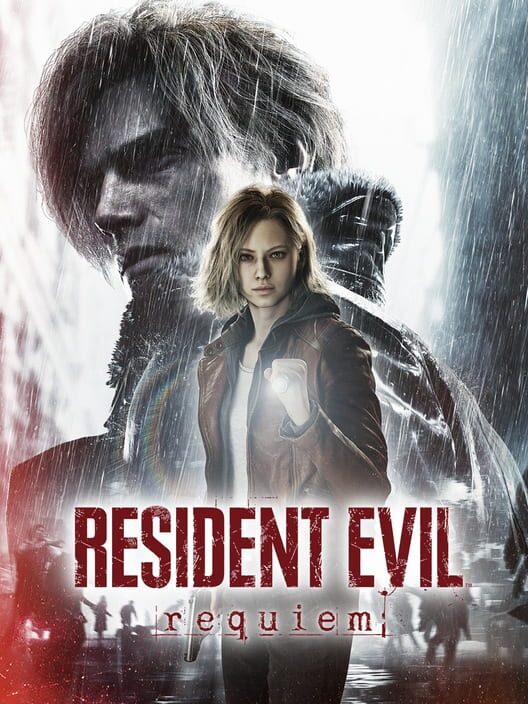
Resident Evil Requiem came out in February, but its reviews are still some of the most useful to read in 2026. OpenCritic lists it at an 89 Top Critic Average, with 95% of critics recommending it across 221 reviews, a score few horror games reach. The more interesting part is what reviewers are testing: whether Capcom can fit haunted-house survival horror, modern first-person dread and Leon's action movie into one game. Most say yes. A few say yes, with a visible seam down the middle.
Resident Evil Requiem review scores
Requiem launched February 27, 2026 on PC, PS5, Xbox Series X/S and Switch 2, developed and published by Capcom. It has two leads: new FBI agent Grace Ashcroft and series veteran Leon S. Kennedy.
OpenCritic: 89 average, 90 median, 95% recommended, 221 reviews. The named scores:
- Eurogamer: 5/5
- Game Informer: 9.75/10
- PC Gamer: 92/100
- IGN: 9/10
- GamesRadar+: 4.5/5
- Giant Bomb: 4.5/5
- Hardcore Gamer: 4.5/5
- TheGamer: 4/5
Nobody here calls it a failure. The disagreement is narrower: is Requiem at its best when it's terrifying you, or when Leon turns the nightmare into an action film?

Grace Ashcroft's chapters: the scariest Resident Evil in years
The clearest agreement is about Grace. Reviewers keep describing her sections as the part of Requiem that feels dangerous.
Tristan Ogilvie at IGN says the opening hours include "some of the most frightening encounters" he's had in the series. Grace's escape from Rhodes Hill Chronic Care Center is a slow, underpowered crawl: scarce ammo, a cramped inventory, stalker enemies, and a first-person view that makes each shot feel heavier than it would in Leon's hands.
Matt Wales at Eurogamer calls the long horror stretch "arguably the most terrifying the series has ever been," and praises how Capcom makes its monsters feel human. Zombies flick light switches, mutter, sing and scrub filthy bathrooms, stuck in habits from their old lives. You aren't just avoiding enemies; you're walking through a place where people are still trapped inside the infection.
Elie Gould at PC Gamer looks at the systems. Grace manages risk rather than dominating it, with limited bullets, herbs, makeshift tools and puzzle routes through a hospital you come to know far too well. The verdict: Requiem wraps the best of earlier games into one, with "very few moments" that left her wanting more.
Leon S. Kennedy's chapters: the action half
Leon is where reviews get more complicated. IGN describes his sections as silence broken by "ferocious ultraviolence." Eurogamer calls him the ultimate action hero, built for roundhouse kicks, ridiculous weapons and old-school Resident Evil excess. GamesRadar+ says Leon has never been more of an "aggressively cool, professional badass," with hatchet kills, finishers and more ways to use the environment.
Critics agree his combat has weight. PC Gamer says his sections make you feel cool without getting loose or sloppy, and praises the controls. IGN likes the boss fights and bigger set pieces. GamesRadar+ points to his weapon-and-upgrade economy: Grace scrapes by, Leon cashes in kills and keeps moving.
The question is whether he takes over. IGN's main reservation is balance: the strongest scares come early, and the back half is heavier on bullets. Eurogamer agrees more sharply, calling the mid-game swing to action "incredibly jarring."
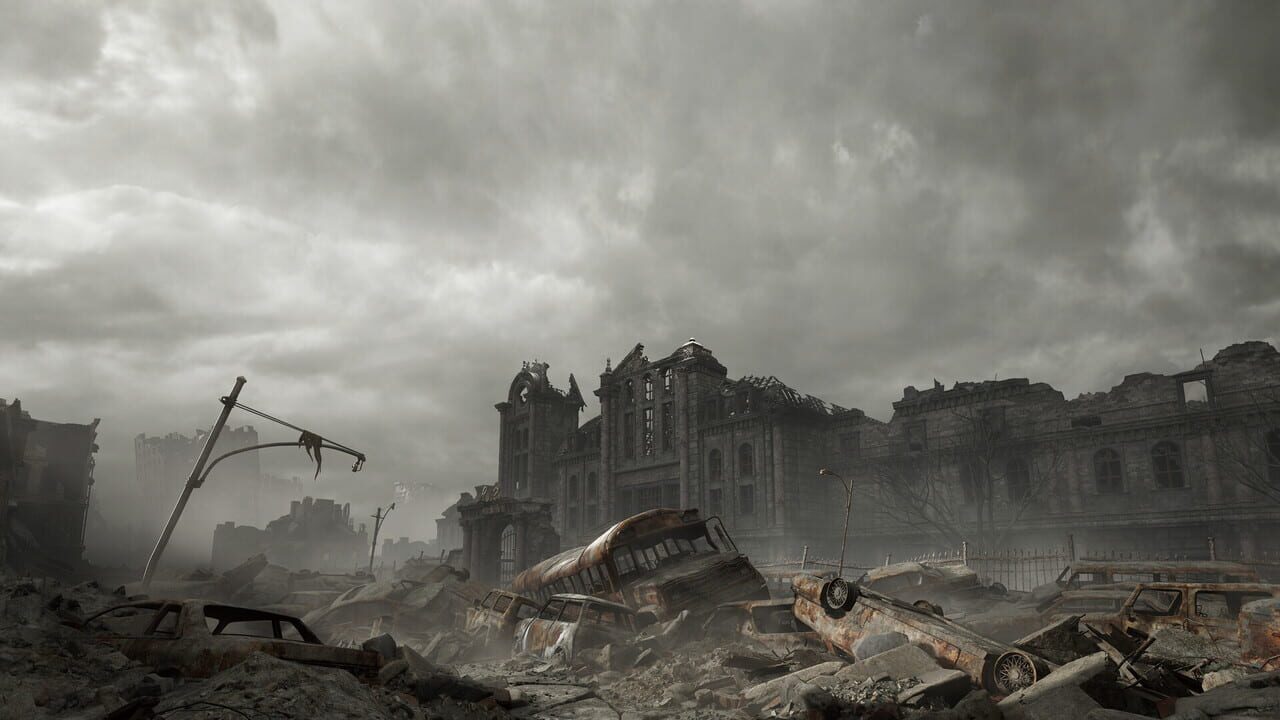
Resident Evil has always had this split. The early games were survival horror, Resident Evil 4 went action, 7 went back to first-person terror, and the remakes blurred the line again. Requiem doesn't pick a side. It builds its structure around the split.
Why Eurogamer and IGN read the same split differently
Eurogamer's 5/5 and IGN's 9/10 are both glowing, and they're useful side by side because they react to the same structure differently.
Wales treats the tonal swing as the point. He calls Requiem a 30th-anniversary celebration that embraces the series' many identities instead of smoothing them into one. He admits the second half is weaker as pure horror, but finds its nostalgia and callbacks a pleasure of their own.
Ogilvie likes both halves but wishes they were mixed more evenly. His whisky-and-Coke comparison sums up the review: good ingredients, sometimes served in separate glasses.
If you want Requiem as a tour through the whole series, Eurogamer's reading will probably match yours. If you want one sustained horror arc, IGN's caveat is the warning.
What the pull quotes say
- PC Gamer: Requiem succeeds at "wrapping all the best elements of previous Resident Evil games into one."
- Eurogamer: "a masterful bit of suffocating horror" and a "fan-thrilling victory lap." Those two phrases describe the whole game.
- IGN: it "successfully splices two separate strains of survival horror together," though the fear gives way to action later.
- GamesRadar+: the series' most cinematic and surprisingly emotional entry, strong on the two-protagonist design and use of continuity.
- TheGamer (4/5): Capcom has set up new pieces on the board and left the reviewer wanting to see where the characters go. Restrained, not negative.
Should you play Resident Evil Requiem?
Requiem looks excellent, but you can see how it's built. Grace carries the horror and Leon lets the pressure out. Capcom wants both, and most critics accept the trade.
If you bounced off the action-heavy entries, Requiem may test your patience once Leon takes over. If you want the full range, from locked-door dread to absurd action-hero stunts, reviewers say this is one of Capcom's best attempts to make that range feel deliberate. The 89 tells you it's good. The reviews tell you it's scary, generous, loud, nostalgic and occasionally uneven, the way big anniversary games tend to be. Your own verdict will probably depend on how the handoff from Grace to Leon lands for you.