
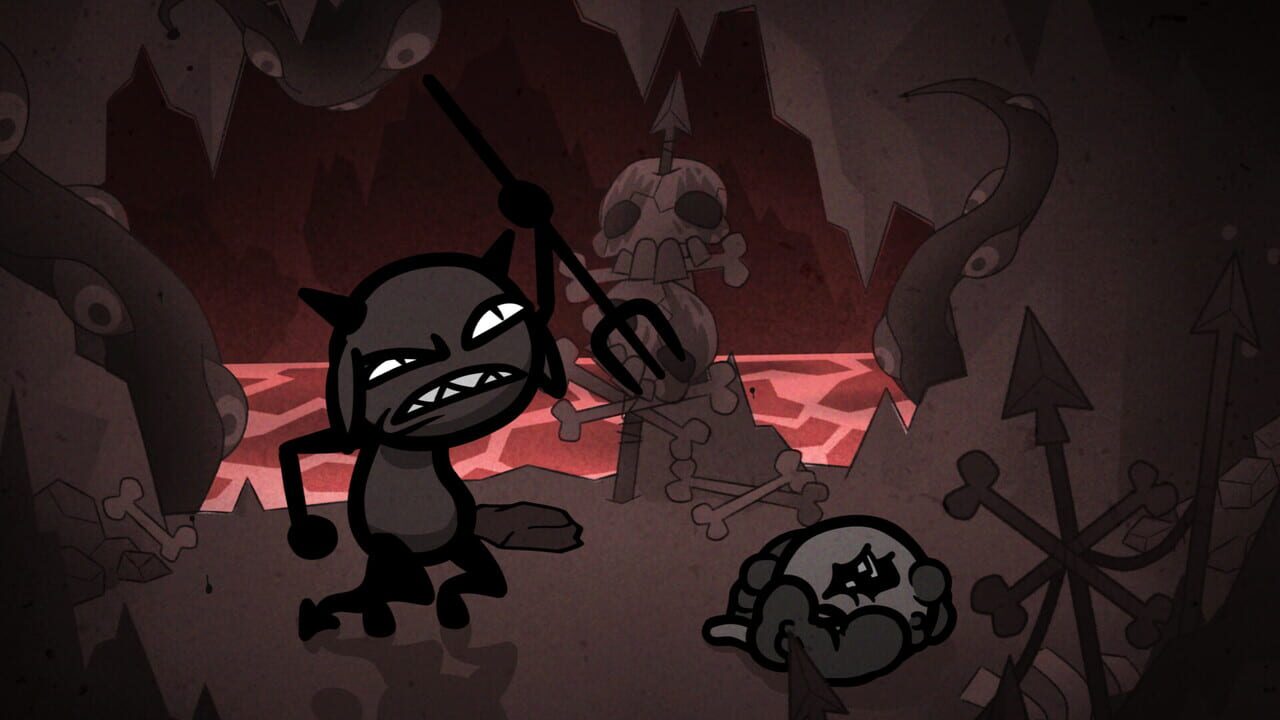
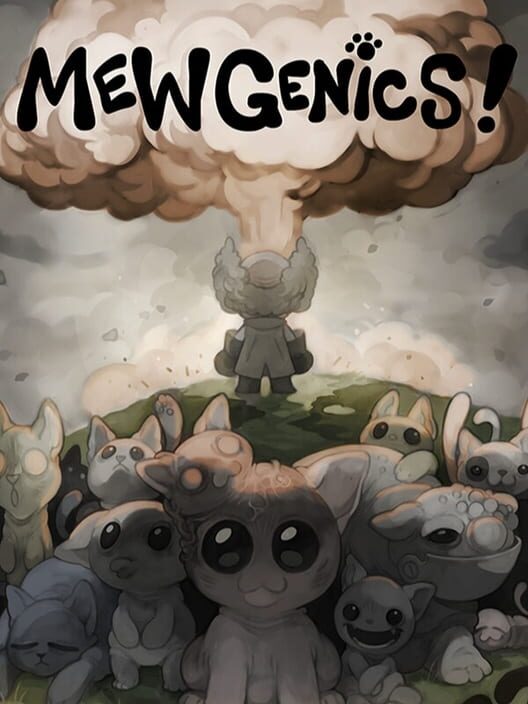
Mewgenics is not a quiet game, but its critical reception has a funny shape. It arrived in February on PC from Edmund McMillen and Tyler Glaiel, two names that already come with expectations, grime under the fingernails, and a pretty clear warning label. Then the reviews landed and the number was not just good. It was the kind of good that makes you look twice at the premise: cats, breeding, turn-based tactics, roguelike runs, gross jokes, a house full of disposable little disasters.
OpenCritic currently lists Mewgenics at an 89 average from 54 critic reviews, with 94 percent of critics recommending it and a median score of 90. That puts it in OpenCritic's "Mighty" tier and, more importantly, in the awkward position of being both a critic darling and absolutely not a game you can recommend to everyone at dinner.
That tension is the interesting part. The reviews are not saying, "This is polished, therefore it is good." They are saying something stranger: Mewgenics works because it keeps throwing bad ideas at you until they become systems, then makes those systems hard to stop thinking about.
Mewgenics review scores in brief
The score range is narrower than the premise might suggest. PC Gamer gave Mewgenics a 92, calling it "a sprawling, ridiculous, and endlessly surprising roguelike that will drag you body and soul into its chaotic world." IGN landed at 90, describing it as "a fantastic tactical RPG" that stays surprising beyond the hundred-hour mark. GameSpot also scored it 90, saying McMillen, Glaiel, and the team had made "catnip for roguelites." GamesRadar+ scored it 90 as well, framing it as The Binding of Isaac colliding with Into the Breach. Game Informer was cooler at 80, but even there the note was not rejection. Charles Harte wrote that despite the game trying to kill his appetite, he was still hungry for another run dozens of hours later.
The lower end is still generous. Metro GameCentral also came in at 80, calling it one of the most complex and rewarding strategy games of recent years, though hidden behind weird humor, ugly visuals, and a lot of random number generation. Destructoid gave it 90 and focused on player agency as the thing that keeps the chaos from tipping over. Shacknews went higher still with a perfect score.
So the disagreement is not whether Mewgenics works. Most critics think it does. The disagreement is how much mess a player should be willing to take with the meal.
Why critics keep comparing Mewgenics to The Binding of Isaac
The obvious comparison is The Binding of Isaac because this is Edmund McMillen territory: ugly-cute art, bodily fluids, sacrilegious jokes, systems that feel simple until they start sprouting teeth. Reviewers do not treat that lineage as trivia. They treat it as the root of Mewgenics' confidence.
PC Gamer's Robin Valentine spent more than 100 hours with the game and still described himself as discovering new quests, unlocks, secrets, bosses, builds, diseases, songs, and other surprises. That is the Binding of Isaac comparison in practical terms. Not just the gross-out tone, but the sense that the game is built to be lived in for a while. You run it, fail it, breed new cats, inherit weird traits, find an absurd interaction, and start making little private myths about a squad that never should have survived.
IGN's Dan Stapleton points at the same thing from another angle. His review says no two runs play out the same way because so many skills and traits are randomized or only partly under your control. That can sound like a warning, and for some players it will be. But critics who clicked with Mewgenics describe the randomness as the source of improvisation rather than a tax on planning. The game gives you a bad hand and then asks whether you can make it sing.
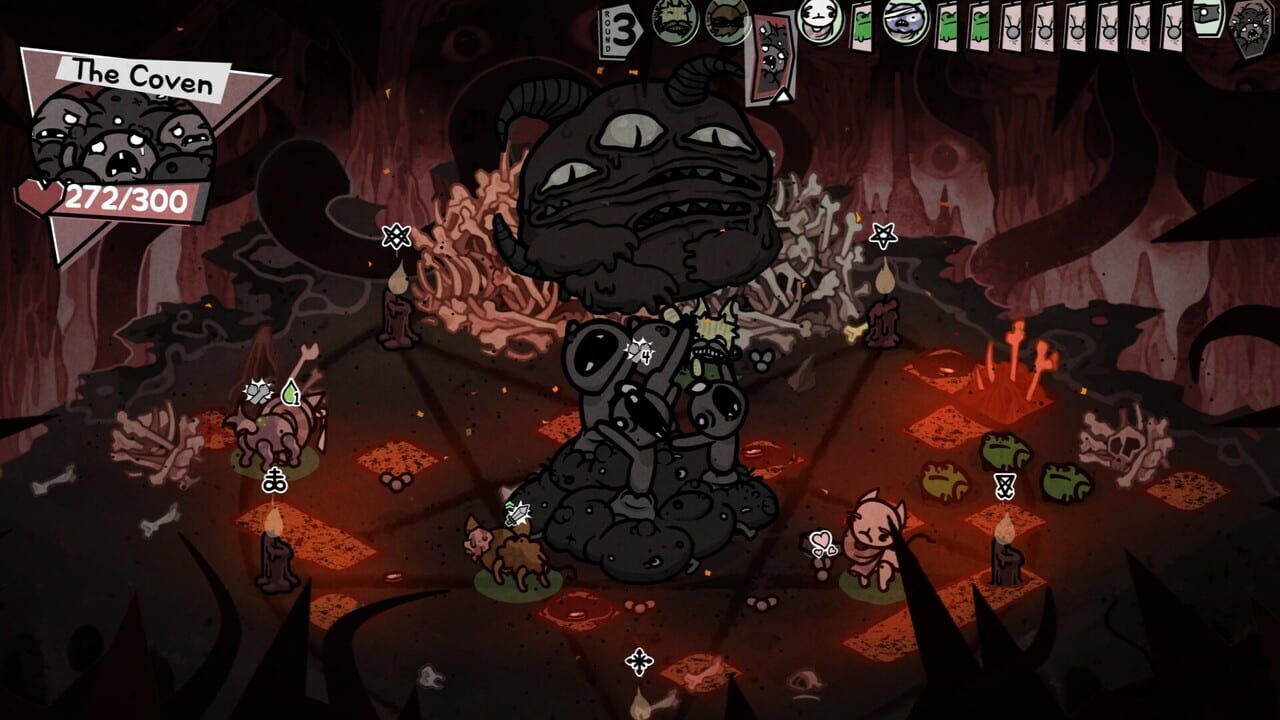
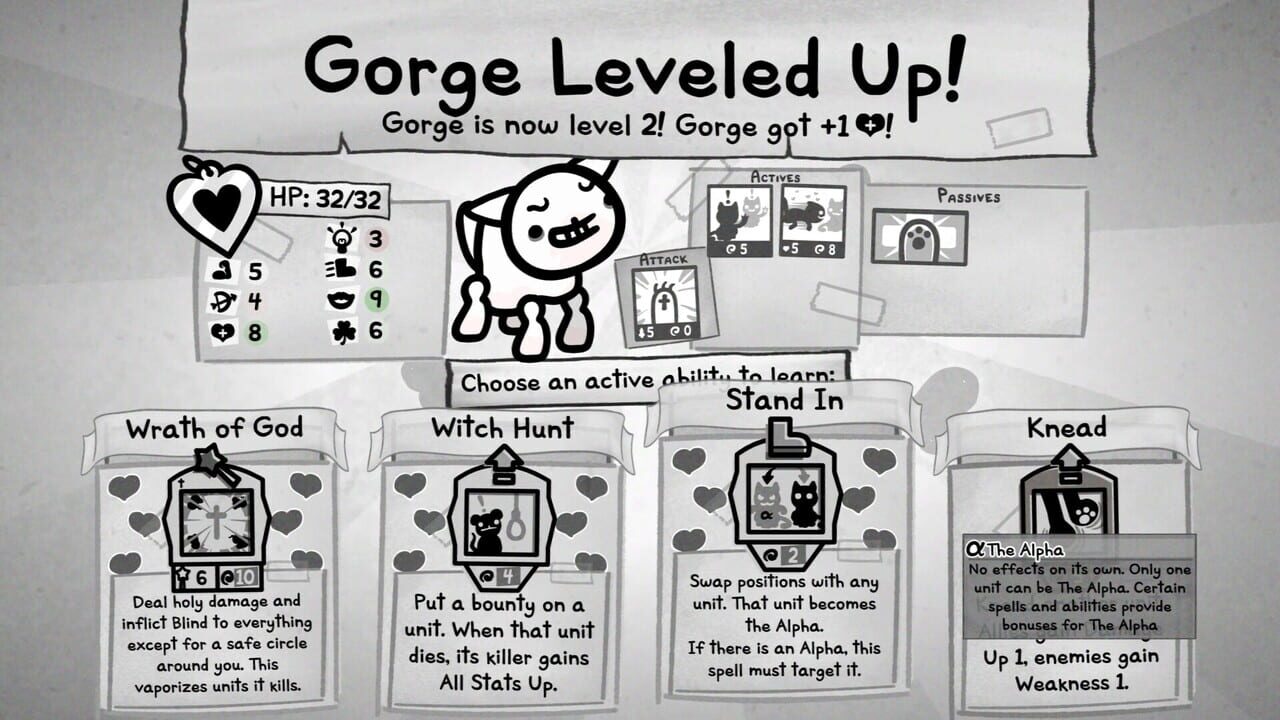
That is where the Into the Breach comparison matters. Mewgenics is not just a collection of weird outcomes. It is a tactical RPG played on a grid, and the best reviews keep coming back to how much readable strategy sits under the filth. Cats have classes. Skills combine. Mutations and items bend familiar turn-based rules. Bad luck can ruin a plan, but it does not erase the pleasure of making one.
The critics who praise it most are praising that balance: chaos with enough structure to let you feel responsible for the result.
The joke is mean, but the systems are serious
Mewgenics is a game about cats, but IGN is blunt that it will not necessarily appeal to everyone who loves cats. The joke is that you are managing them like a resource. You breed them, send them into danger, lose them, replace them, and slowly make peace with the fact that this is a dark comedy wearing a tactics game as a little hat.
That is also where the reviews get more careful. The title itself is a joke about selective breeding, and Stapleton notes the unpleasant history behind that wordplay before saying the game is "delightfully gross and endlessly weird." That line matters because it shows the critical bargain being made. Reviewers are not missing the ugliness. They are deciding that the ugliness has purpose, or at least enough comic intent to support the mechanics.
PC Gamer's review gets at the same thing through obsession. Valentine describes the loop in plain terms: choose four cats from your home, assign classes like fighter, mage, cleric, tank, hunter, or necromancer, travel through a region, survive fights, bring back spoils, then use whatever is left to prepare the next generation. It sounds clean when written that way. In play, according to the reviews, it becomes a machine for personal attachment and terrible decisions.
That is the trick. The cats are disposable until they are not. The joke is mean until one specific ugly little freak wins three impossible fights and earns a place in your memory.
Perthro is built around that kind of thing in a quieter way: not the score, not the argument about whether a game is objectively worth your time, but the record of what happened while you were there. Mewgenics seems almost designed to create those notes. The run where a useless cat became vital. The build that looked broken and then clicked. The boss that turned a promising party into kibble.
What reviewers agree on
Across the strongest reviews, three points come up again and again.
First, Mewgenics has an absurd amount of content. IGN mentions more than 150 hours and still not seeing the final ending. PC Gamer talks about 100 hours and counting. That is not the usual "lots to do" praise. It is a specific claim about surprise lasting past the point where many roguelikes have shown their whole hand.
Second, the tactical combat is more approachable than it looks. PC Gamer notes that the battles avoid the steep learning curve that can punish some roguelikes. IGN frames the grid combat as readable enough to keep improvisation fun. In other words, Mewgenics may be dense, but critics are not describing it as homework.
Third, the humor is inseparable from the design. GamesRadar+'s review says the gross-out humor and wild build interactions do not distract from the game. That is a clean summary of the consensus. Mewgenics is not a good tactics game in spite of being disgusting. It is a good tactics game that uses disgust, absurdity, and surprise as part of its rhythm.
Where the praise gets more complicated
The main concern is not quality. It is tolerance. Metro's 80 points toward the issue by praising the complexity while calling out the ugly visuals, weird humor, and random number generation. Game Informer's 80 reads similarly from the OpenCritic excerpt: the reviewer is still hungry for more, but the appetite metaphor is doing some work. Mewgenics is deliberately unappetizing.
That matters because a high score can flatten a game's edges. An 89 average makes Mewgenics sound easy to recommend. The reviews make it sound easy to admire and harder to hand to a friend without a paragraph of warning.
If you need clean presentation, steady control, or a strategy game that respects the dignity of its little people, this is probably not your thing. If you enjoy systems that create stories through bad luck and worse judgment, it might be dangerous. Critics keep using language like obsession, hunger, and catnip for a reason. They are not just saying it is well made. They are saying it gets hooks in.
Why Mewgenics matters
Mewgenics matters because it is a reminder that polish is not the only path to critical love. A game can be ugly on purpose, rude on purpose, and structurally cruel on purpose, then still earn a serious look if the design underneath holds. Reviewers are responding to the density of the systems, but also to the confidence of the thing. It knows what it is. It does not sand itself down into something broadly pleasant.
That is refreshing, even if it is also a little exhausting.
The critic consensus is pretty clear: Mewgenics is one of 2026's strongest roguelike strategy games so far, sitting at 89 on OpenCritic with a 90 median score and a review spread that mostly lives between 80 and 100. The catch is that the same qualities driving those scores are the qualities most likely to bounce players off it. The cats are cute until they are meat. The jokes are funny until they are too much. The randomness is thrilling until it eats the plan you were proud of.
For the right player, that is the game. For everyone else, it is probably enough to know why critics are losing so many hours to it.
And if you do play it, maybe write down the name of the first cat that saves a doomed run. That is the sort of thing you think you will remember, right up until the next disaster arrives.