
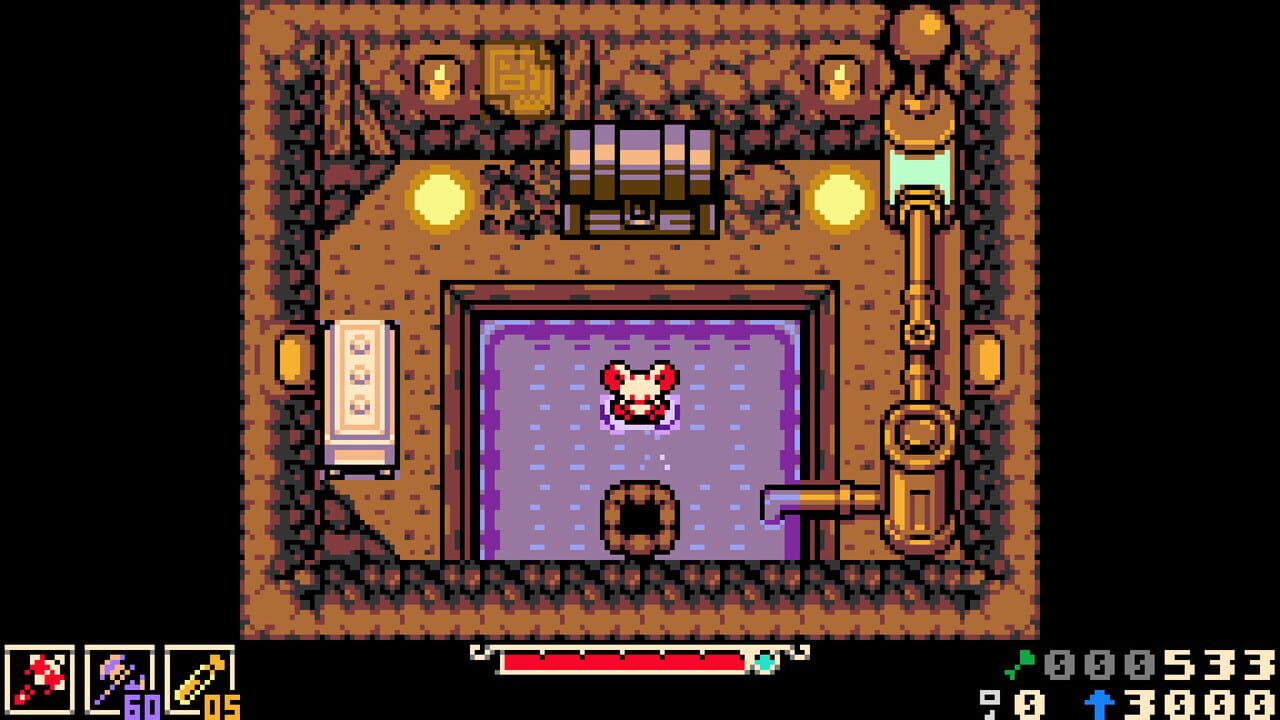
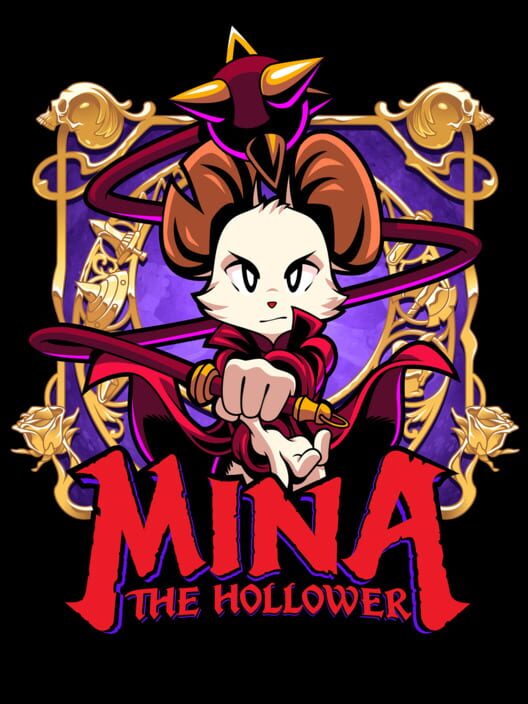
Mina the Hollower is a top-down action adventure from Yacht Club Games, released May 29, 2026 for PC, Nintendo Switch, PlayStation 5, Xbox Series X/S, and Nintendo Switch 2. The short version of the Mina the Hollower review consensus is simple: critics think Yacht Club has made another classic, but not a soft one.
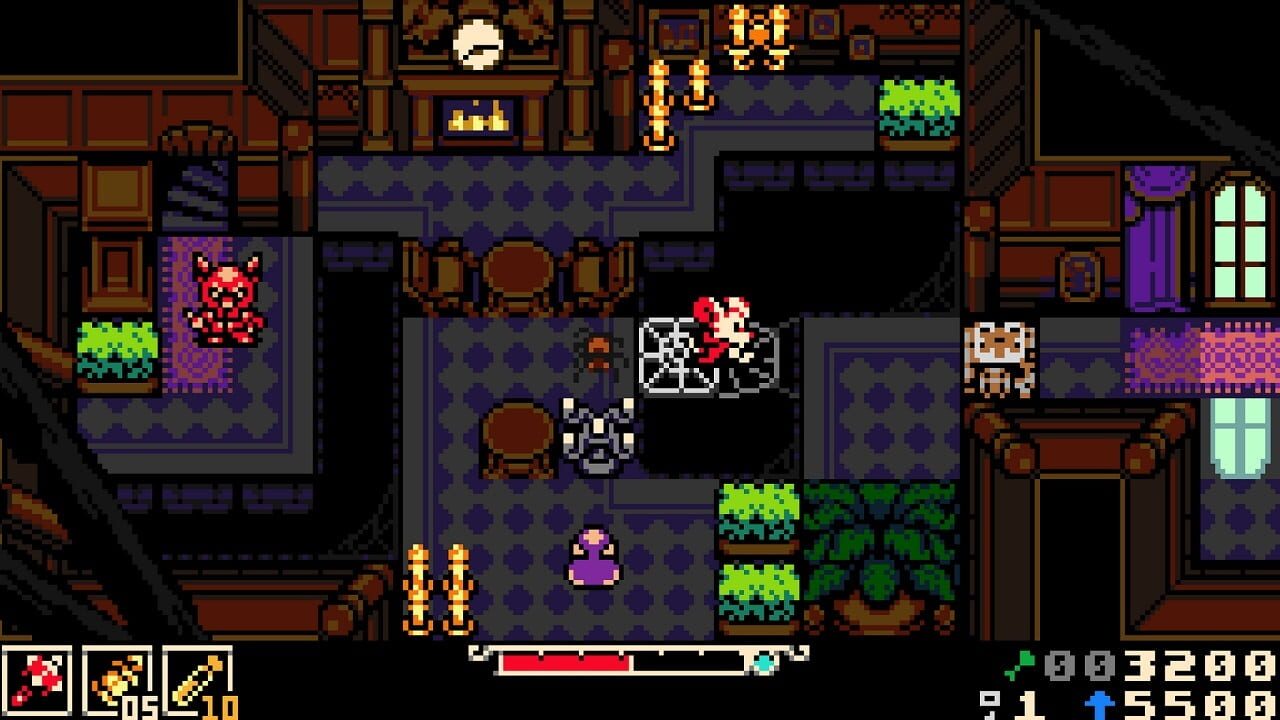
That last part matters. A lot of retro-looking games borrow the surface of old hardware: chunky sprites, limited palettes, chiptune warmth. Mina seems to have landed differently because reviewers keep talking about the systems underneath the style. The Game Boy Color look is there, and so are the obvious family resemblances to handheld Zelda, Castlevania, and Souls-inspired action RPGs. But the praise is not just "it reminds me of things I liked." The praise is more specific. Critics describe a dense, difficult, strange little world that trusts the player to get lost and then find a way through.
OpenCritic currently lists Mina the Hollower at a 91 critic average from 112 critic reviews, with top-line scores including PC Gamer at 90/100, Eurogamer at 5/5, IGN at 10/10, TheGamer at 5/5, GamesRadar+ at 4.5/5, Game Informer at 8.8/10, GameSpot at 9/10, and Giant Bomb at 3.5/5. That spread is more useful than the average. Most outlets are glowing, but the lower end hints at the caveat running through the whole conversation: Mina is generous with secrets and options, not necessarily with comfort.
Mina the Hollower review scores are high, but the praise is unusually specific
PC Gamer's Kerry Brunskill gives Mina the Hollower 90/100 and calls it "a gloriously gothic combination of ferocious combat and beautiful scenery, with enough secrets and modifiers to keep the game fresh and fun for a very long time." That sentence gets close to the center of the critical response. Reviewers are not treating Mina as a small nostalgic snack. They are treating it like a full adventure with teeth.
Brunskill's review spends a lot of time on combat improvisation. Mina has a small set of main weapons, sidearms with their own energy reserve, and modifiers that change the rules rather than only adjust numbers. The interesting point is that PC Gamer frames the challenge as readable rather than arbitrary. Hazards stand out. Boss weak points can be parsed quickly. The difficulty comes from execution, not from visual noise.
Eurogamer's Christian Donlan goes at it from another angle, giving Mina a 5/5 and describing it as an adventure about "finding the connections for yourself." His review keeps returning to the paper-and-pen feeling of the thing: loose ends, strange NPC lines, unreachable shelves, suspicious mirrors, and routes that only become obvious after the world has had time to sit in your head. That is a more old-fashioned kind of difficulty. Not punishment. Attention.
IGN's Samuel Claiborn is even warmer, scoring it 10/10 and writing that Mina's retro world is "crammed with mysteries worth finding and lively, clever combat." IGN also calls it "a big game in a small package," which is probably the cleanest one-line summary of why the review scores are landing so high. The presentation says modest. The structure apparently does not.
What critics agree on: Mina uses nostalgia as a constraint, not decoration
The strongest through-line in the Mina the Hollower critic reviews is that Yacht Club Games knows exactly what it is borrowing. That sounds like a small distinction, but it is the difference between reference and design.
IGN points to Link's Awakening, the Oracle games, Castlevania, and Souls progression, then argues that Mina becomes more than a stack of influences. GamesRadar+ says something similar in its 4.5/5 review, calling Mina "one of the best indie games I've played in a long, long time" and arguing that it "offers endless choice and variety in how you carve your way through its world." The review is clear that this is not simply a breezy Zelda-like. Its warning is almost affectionate: if you came looking for a gentle Nintendo-style dungeon crawl, Mina may hit harder than expected.
That harder edge shows up in almost every review. Mina can burrow underground, pop up into jumps, dodge through danger, and use that same movement in combat and exploration. Critics seem to love that the core move is not a gimmick. It changes how Mina reads space. It lets the world be layered vertically even though the camera is top-down. Eurogamer's image of the player as a "needle and thread," dipping in and out of cloth, is the kind of metaphor that only happens when a mechanic has really gotten into a reviewer's hands.
GameSpot, which gives Mina 9/10 on OpenCritic's listing, also joins the high-score consensus. Even without leaning on a single mechanic, the shape of its verdict is visible in the headline: Mina the Hollower surpasses the greatness of Shovel Knight. That is a large claim for Yacht Club's follow-up, because Shovel Knight is still the studio's shadow and measuring stick. The fact that multiple outlets are willing to talk about Mina in that same breath says plenty.
Where reviewers diverge: difficulty, friction, and how much getting lost is good
The useful disagreement is not whether Mina is good. It is how much patience the player needs to bring.
GamesRadar+ lists the challenge level as its main con, warning that it "might put off fans looking for a Zelda-like." That is probably the cleanest buyer's note in the whole pile. If your search for a Mina the Hollower review is really a search for "will this be cozy," the answer appears to be no. It may be charming. It may be beautiful. It may even be funny. But the reviews describe a game that expects you to fight carefully, remember odd details, revisit blocked routes, and survive tense runs between safe points.
IGN mentions a tough early curve after the opening area, especially on the path toward the first likely dungeon. The review says that hurdle can be solved through leveling, secrets, and experimentation, which is important. Critics are not describing Mina as a game where the only answer is perfect reflexes. They are describing a game where friction can be answered with mastery, preparation, or curiosity.
That design choice is why the lower Giant Bomb score, 3.5/5, is useful even without needing to flatten it into a contradiction. A 3.5/5 is not a pan. It sits closer to "good, with reservations" than "masterpiece." In the context of the surrounding 9s and 10s, it reminds us that Mina's appeal depends heavily on whether you enjoy being asked to map the world mentally. Some players love a game that makes them write things down. Some bounce off the moment the map refuses to do all the remembering for them.
Perthro is built around the idea that games are better remembered as experiences than as tasks cleared from a backlog. Mina sounds like a strong test case for that. It is exactly the kind of game where a five-star score alone would miss the point. The useful memory is probably the route you finally understood, the boss that made you switch weapons, or the clue you kept in your head for three nights before it clicked.
The critical consensus: a compact world with a long tail
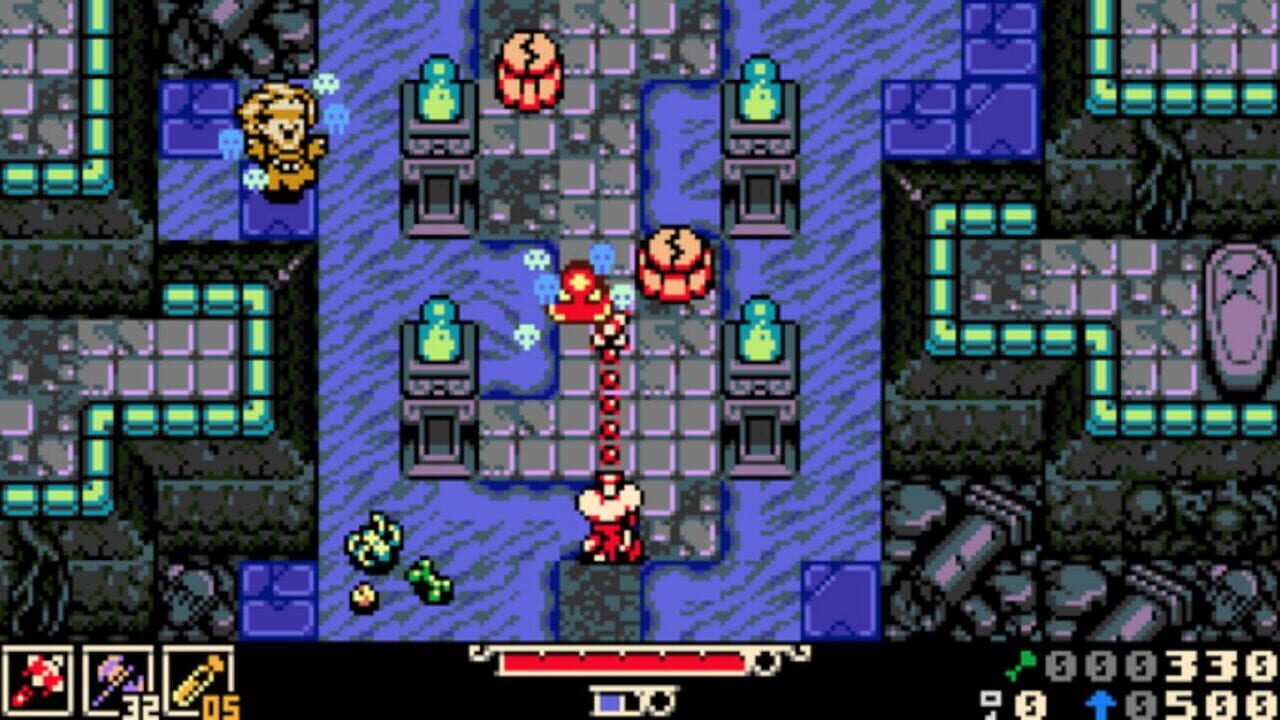
One reason the Mina the Hollower review scores are so high is that critics keep finding more game after the obvious game is done. PC Gamer highlights optional modifiers that can make the experience easier, harder, stranger, or more replayable. IGN says it rolled credits after about 23 hours at 72% completion and went straight into New Game Plus. GamesRadar+ says it finished in roughly 18 hours and still had collectibles and builds it wanted to chase.
That matters because the retro pitch could easily suggest something slight. Mina is not being reviewed as a tiny throwback you finish in a weekend and smile about. It is being reviewed as a dense action adventure with a long tail: secrets, build experimentation, alternate paths, New Game Plus permutations, and enough world detail to make the first run feel partial by design.
The reviewers also agree that Mina gives players several ways to solve pressure. You can learn a boss properly. You can grind Bones and improve your stats. You can change trinkets. You can switch weapons. You can lean into sidearms. PC Gamer's review makes a point of saying the game offers optional tweaks without shaming the player beyond achievement restrictions. IGN notes a God mode-style option exists for getting unstuck, though it disables Feats. That is a smart kind of severity. The game can be hard without pretending everyone needs to suffer in the same way.
Why Mina the Hollower matters now
There is a small irony in a game this old-looking feeling fresh because it refuses to sand itself down. Big games often smooth every edge into a guided path. Mina appears to do the opposite. It gives you a strange island, a small mouse, a bag of tools, and enough trust to let you feel confused for a while.
That may be why critics sound so pleased with it. The best reviews are not just awarding points for polish. They are responding to a game that remembers how discovery feels before it becomes a checklist. Eurogamer's review keeps circling that idea. IGN does too, in a more systems-heavy way. PC Gamer finds it in combat and modifiers. GamesRadar+ finds it in the way familiar influences get rebuilt into something with its own appetite.
For players, the takeaway is fairly clear. If you want a soft nostalgia object, Mina the Hollower may be sharper than you expect. If you want a compact but demanding action adventure that treats Game Boy-era limits as a serious design language, the critic consensus is unusually strong.
The Mina the Hollower review story is not that Yacht Club Games made another retro tribute. It is that critics think the studio found a way to make the old shape feel dangerous again. Small screen, big teeth. That is a good reason to pay attention.