
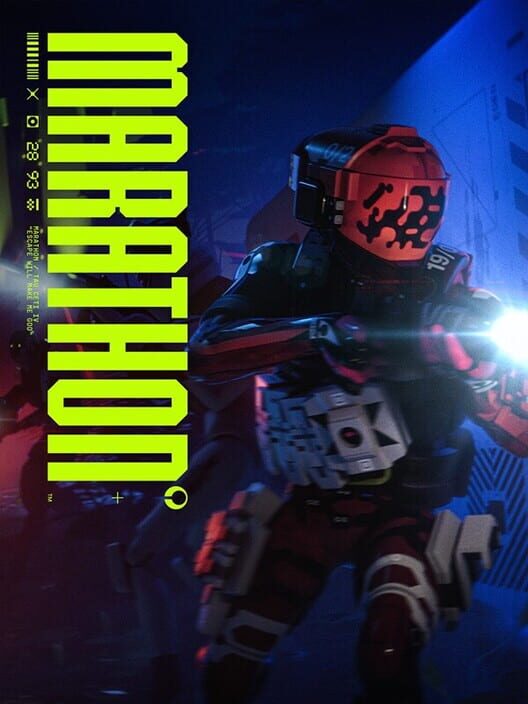
Marathon is not new this week, but it is alive in the way review debates stay alive when a game refuses to be easy. Bungie released it on March 5, 2026 for PC, PS5, and Xbox Series X/S. By late June, the critical picture has settled into something more useful than launch-week noise: OpenCritic lists Marathon at an 81 top critic average with 72 percent of critics recommending it, while Metacritic shows platform scores around 81 to 83 and a much colder mixed user response.
That gap is the story. Not because users are always right, or critics are always too generous, or any of the usual forum shorthand. Both reactions make sense. The critics who love it are not pretending the rough edges are minor. The people bouncing off it are not failing to understand the genre. Marathon is built around stress, risk, and the kind of PvP hostility that makes some players feel alive and others feel like they have been assigned homework by an enemy.
For Perthro, that makes it exactly the sort of game worth tracking beyond the score. A number can tell you whether critics broadly liked Marathon. It cannot tell you whether you are the sort of person who will forgive a brutal first ten hours because the next fight might be electric.
Marathon review scores: strong, but not simple
The broad critic read is positive. OpenCritic's 81 average puts Marathon in Strong territory, with a healthy but not universal recommendation rate. Metacritic's platform scores, 82 on PS5, 83 on Xbox Series X, and 81 on PC, land in generally favorable territory. Those numbers are high enough to call the game a success on craft, but low enough to show friction.
The top reviews are unusually direct about that friction. IGN's Travis Northup gave Marathon a 9/10 and called it "ruthless" and "unforgiving," arguing that it is "worth every ounce of hell it puts you through." That line is praise, but it is also a warning label. IGN's review talks about stellar gunplay, compelling lore, and a loot grind that is hard to walk away from, then spends real time on awkward terrain, hit-or-miss mantling, balance issues, and what Northup bluntly calls a UI problem.
PC Gamer lands in almost the same emotional place. Its verdict calls Marathon "a brilliant distillation of what makes extraction shooters great," and the review says, "Marathon is brutal. It's also a marvel." The review is not pretending the game is friendly. It describes nights of valuable loot, rare guns, and expensive attachments, then drops straight into squad wipes, empty pockets, and the loop of scraping together one more loadout because the next run might finally go your way.
Eurogamer's review also leans positive, giving Marathon 4/5 and calling its combat "spellbinding." The Eurogamer piece is useful because it frames Marathon against Arc Raiders, the other extraction shooter sitting in the room whenever people talk about Bungie's new direction. Arc Raiders made the genre more approachable. Marathon, by contrast, seems almost proud of how little it wants to be liked by everyone.
GamesRadar is warmer still, calling Marathon "my favorite multiplayer shooter in years" and scoring it 4.5/5. Its review praises the art direction, fast PvP, and the range of playstyles, while still flagging information overload in the UI, clunky in-raid inventory management, and weak support for solo players in some endgame spaces.
That is the pattern. The high scores are real, but they are not soft. Critics keep coming back to the same trade: Marathon gives you spectacular tension if you can tolerate being made uncomfortable on purpose.
What critics agree on: Bungie still knows how a gun should feel
The strongest consensus is simple: Marathon feels good in your hands. That sounds obvious for Bungie, but it matters more here than it would in a gentler game. Extraction shooters live or die on the moment when another squad appears and your careful little shopping trip turns into a fight for everything in your backpack.
IGN spends several paragraphs trying to describe the feel of Bungie's weapons: the snap of a rifle, the clink of a trigger, shields cracking, enemies staggering, recoil that feels rhythmic instead of sloppy. PC Gamer makes the same point through the structure of the matches. It argues that Bungie has built an extraction format where PvP gets to be the star while loot gives every fight its stakes.
Eurogamer praises the combat because it turns the game's cruelty into something legible. Marathon is not just hard because numbers are high or systems are opaque. It is hard because other players are dangerous, the maps encourage contact, and the game keeps creating situations where courage and stupidity are separated by a very thin line.
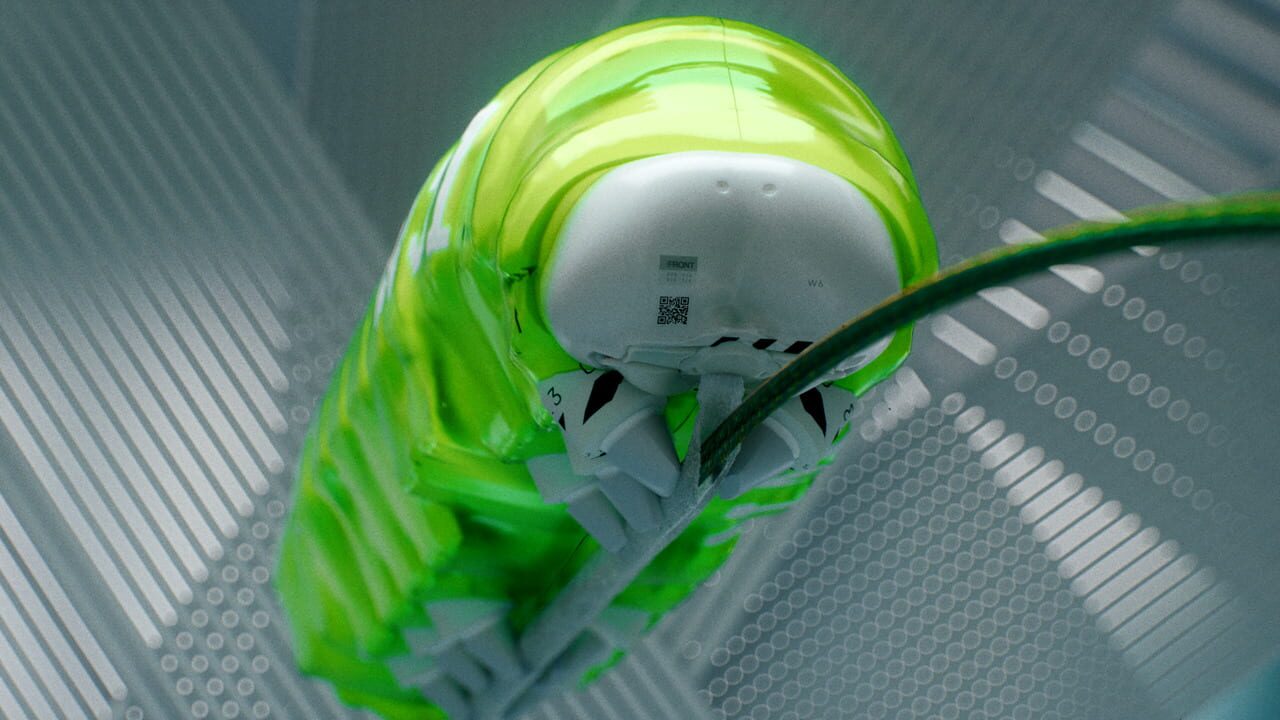
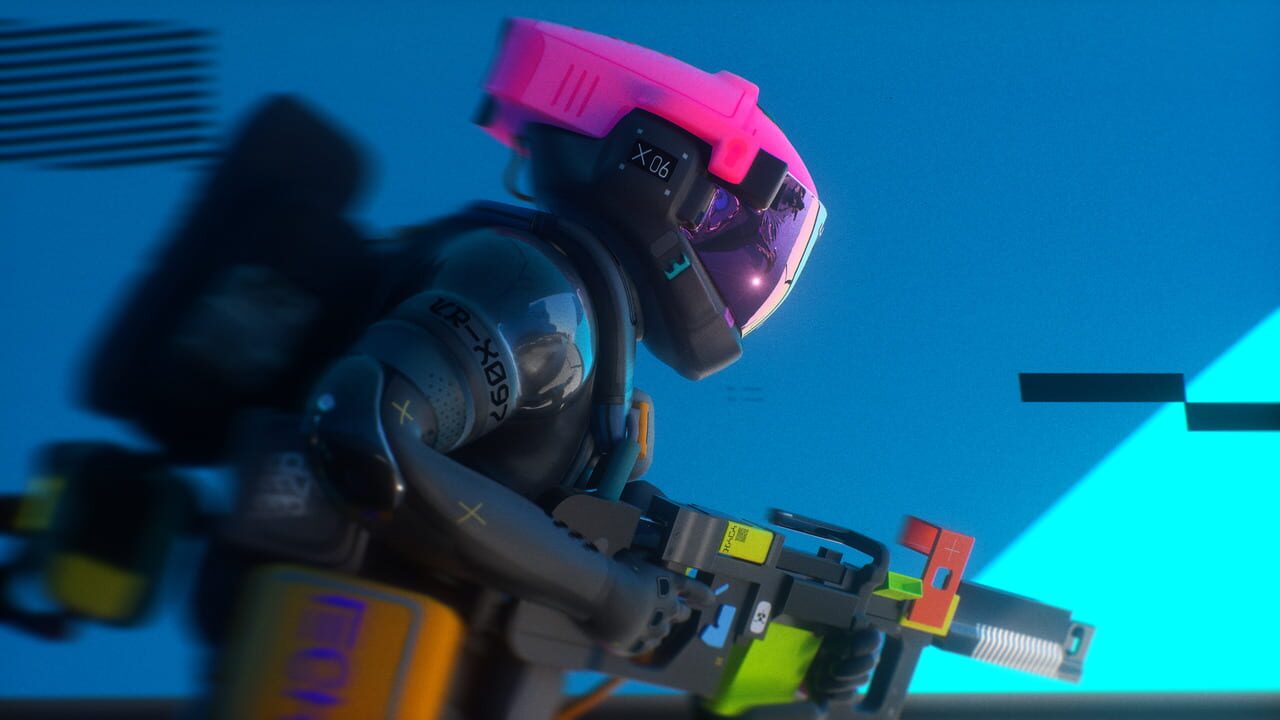
The second point of agreement is style. Marathon is bright, weird, synthetic, and cold in a way that cuts against the muddy military look people often associate with extraction shooters. Eurogamer calls the visual design a triumph and spends time on the way Tau Ceti IV looks like meat-space and cyberspace have been welded together. GamesRadar talks about synthetic skin, Shells, corporate factions, and the feeling of a world built from sinew and cable. PC Gamer says Marathon is drenched in lore, not simply decorated with it.
That matters because a lot of multiplayer games ask players to repeat the same actions for hundreds of hours. Marathon at least seems to understand that repetition needs texture. A good gunfight is better when the place around it has a pulse.
Where Marathon critics split: onboarding, solo play, and the UI
The argument starts when reviewers move away from feel and into friction. Marathon wants to be hostile. It does not always separate useful hostility from bad communication.
IGN criticizes awkward movement moments, especially geometry that catches the player during fights and mantling that does not always behave. GamesRadar points to information overload in the UI and clunky inventory management during raids. PC Gamer, even while praising the game, spends time with the emotional cost of repeated failure. These are not tiny complaints. In an extraction shooter, confusion has teeth. A bad menu does not just waste a few seconds. It can cost you a run.
Solo play is another fault line. GamesRadar's review says Marathon supports several playstyles, from stealthier solo runs to aggressive trio play, but also notes that solo players are underserved in Cryo Archive and ranked modes. That is not a small detail for anyone trying to decide whether to buy in without a regular squad. Marathon may allow solo play, but the reviews suggest it is happiest when a coordinated group is making decisions under pressure.
Metacritic's user response shows the cost of that design. The critic scores sit in the low 80s, but user sentiment is mixed. Some players praise the art direction, sound, and high-risk loop. Others call out punishing matchmaking, weak onboarding, and a live-service structure that makes the whole thing feel less welcoming than Bungie's older work. The harshest reactions may be exaggerated, as they often are around big online games, but the frustration underneath is not imaginary.
This is why the "lowest-rated Bungie game" angle stuck for a while, even after delayed reviews pushed the average upward. Bungie's baseline is unusually high. A good score can still feel like a stumble when the studio's history includes Halo and Destiny.
Why the Marathon review debate matters
The best version of Marathon sounds incredible. You drop onto Tau Ceti IV, finish a contract, hear another squad nearby, make a terrible decision, survive by a thread, and extract with loot you were sure you had lost. That loop is old, but Bungie's reviewers argue that the studio has sharpened it. Smaller maps mean more contact. Fast contracts mean runs do not need to sprawl. Strong audio and weapon feel make each fight readable, even when it is messy.
The worst version of Marathon also sounds believable. You load in underprepared, misunderstand a system, get deleted by players who already know the angles, wrestle with the UI, lose your gear, and wonder why anyone finds this fun. If your relationship with games depends on steady progress, generous onboarding, or a clear sense that your time is being respected, Marathon may feel like a door slammed in your face.
That split is not a defect in the conversation. It is the conversation.
Some games are good because almost everyone can find a way into them. Others are good because they know exactly who they are for. Marathon seems to belong to the second group. Critics are responding to the confidence of the thing: the art direction, the gunfeel, the density of the maps, the way PvP pressure makes every backpack feel heavier. Players who hate it are responding to the same confidence from the other side. The game does not soften itself much. Maybe it should. Maybe softening it would ruin the part that works.
I do not think a review score answers that. An 81 or 82 tells you Marathon is not a disaster. A 9/10 from IGN or PC Gamer tells you its highs are high enough for some critics to forgive a lot. A mixed user score tells you the bill comes due quickly if you are not already bought into extraction shooters.
The practical advice is boring but useful: do not treat Marathon like a normal Bungie shooter. Treat it like a mood and a tolerance test. If you want generous sci-fi co-op comfort, this probably is not that. If you want a stylish, mean shooter where a fifteen-minute run can feel like a tiny crime story, the critics are saying there is something special here.
The Perthro angle: scores are only the beginning
This is the sort of game that makes a personal games journal useful. Marathon is not just "good" or "bad." It is a game you may shelve after two nights, return to when friends buy in, or keep in a wishlist until the onboarding improves. You may rate it lower than the critics and still respect what Bungie built.
Perthro is an iPhone-first social gaming journal, free on the App Store. You can track games you are playing, have played, plan to play, or shelved. You can rate games on a five-star scale, write reviews of any length, keep a backlog and wishlist, reorder them, and use a next up view when you want a nudge instead of another giant pile.
Marathon is a good reminder that the right question is not always "what score did it get?" Sometimes it is "what did this game ask from me, and was I in the mood to give it?"