
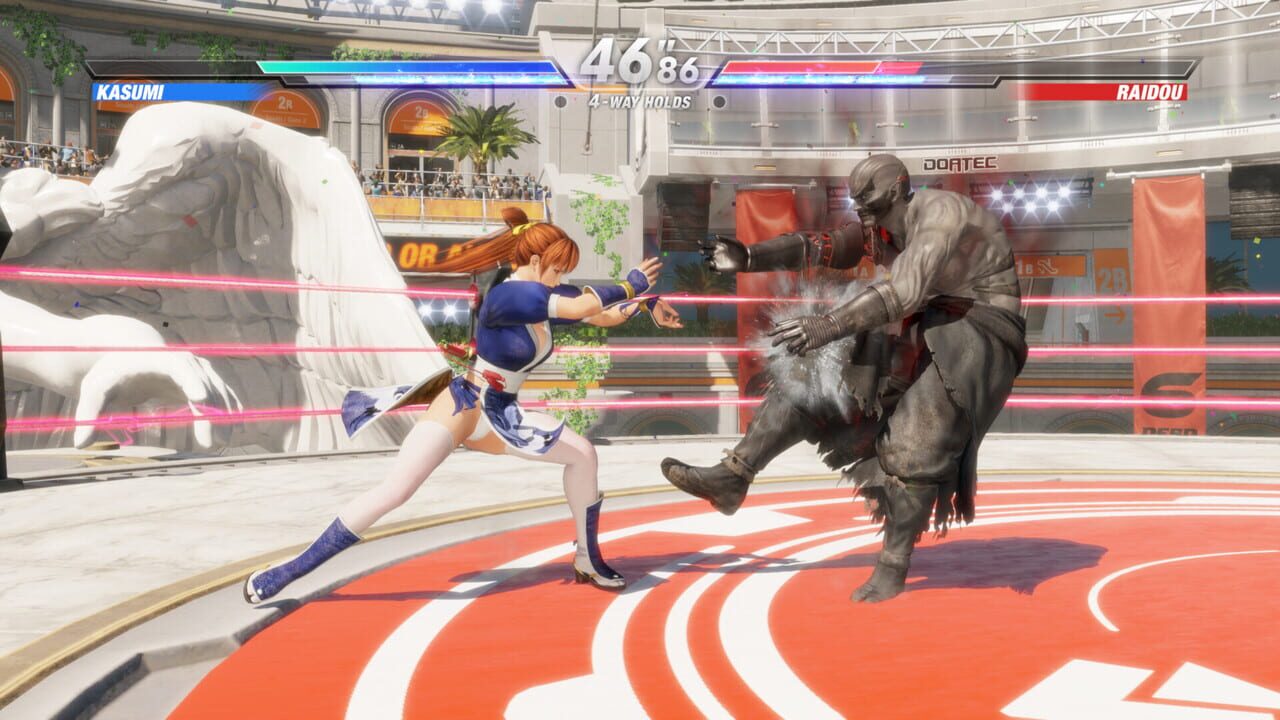
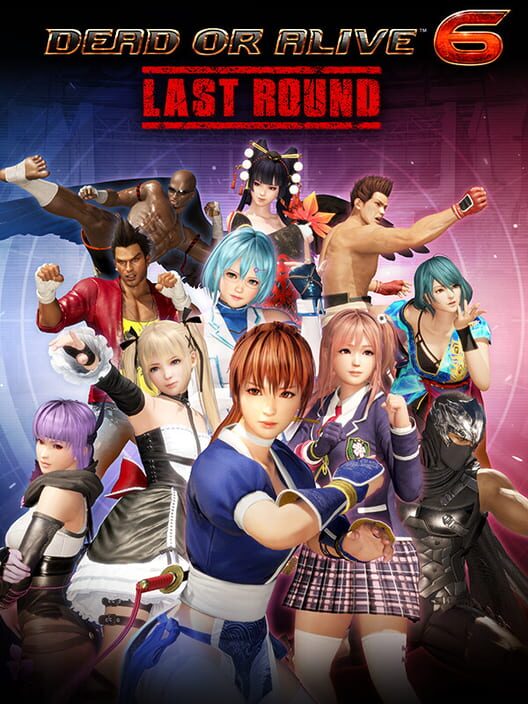
Dead or Alive 6: Last Round came out June 25, 2026 on PC, PS5 and Xbox Series X|S. Team Ninja and Koei Tecmo appear to be using it to get the series moving again before Dead or Alive 7. Critics agree the fighting still works: holds, throws, strikes, danger zones and fast momentum swings are all intact. Where they split is the package: value, netcode, bundled content, and whether a rerelease in 2026 can be this cautious.
OpenCritic has it at a 65 Top Critic Average, with 32% recommending it. Review threads were citing 76 on Metacritic while its page was still filling in. That gap says what's going on: critics can tell the combat is good; they disagree about everything around it.
Dead or Alive 6: Last Round review scores
The scores depend on which game the reviewer thinks they're judging. As a first proper look at DOA6, it reviews warmly. As a paid rerelease for people who already own the 2019 game and its messy DLC, it doesn't.
The warmer end:
- Digitally Downloaded, 5/5: argues DOA6 was unfairly maligned, and praises how fast it makes casual players feel competent while letting strong players punish sloppy attacks with counters.
- PlayStation LifeStyle, 8/10: "a great introduction if you missed out on DOA6," though returning players will have to wait for the more exciting additions.
- COGconnected, 75/100: praises the Triangle System and the "wealth of content on offer."
- DualShockers, 7/10: electric for newcomers, much less so for veterans.
The colder end:
- Worth Playing, 6/10: still a solid fighter, but having to rebuy content and the light upgrades make it underwhelming.
- Xbox Achievements, 55%: "Try as I might, I can't figure out why Dead or Alive 6: Last Round exists."
- Checkpoint Gaming, 5/10: a "mediocre attempt to revitalise the fanbase's engagement with the series."
- Push Square, 4/10: "I truly do not understand Dead or Alive 6: Last Round." No rollback netcode, no full DLC bundle, modest visual changes, and a $40 price.
These aren't small differences in taste. They're two answers to the same question: should the score reward the fighting game underneath or punish the commercial package around it?
The Triangle System still earns respect
IGN's review in progress, which held off on a score until it could test live servers, describes Dead or Alive as "a chess match" built on the Triangle System: strikes beat throws, throws beat holds, holds beat strikes. Holds are what make it sing, since one good read can stop a combo and swing the round.
Even Checkpoint Gaming, at 5/10, calls the Triangle System "fascinating and robust," saying it "encourages players to adopt a defensive mindset and rewards them for identifying their opponent's tendencies." That's a real compliment: the reviewer likes how the fighting is built and just doesn't think Last Round does enough with it.
NookGaming is warmer: "For me personally, I find the combat in Dead or Alive 6 Last Round to be the best in the series." The added meter mechanics and tweaked movesets make flashy play easier to reach without turning it into a mashfest. It recommends the game, with the caveat that existing owners may not have reason to buy again.
A 65 can make a game look technically poor. This doesn't sound technically poor. It sounds like a strong fighter stuck inside a rerelease critics wanted to be more generous, more modern and more decisive.
The complaints: netcode, DLC and value
It would be easy to dismiss this as veterans being grumpy. The complaints are too specific for that.
No rollback netcode. In 2026, fighting game reviews treat rollback as the price of entry. IGN says the new edition "still doesn't have rollback netcode for some baffling reason." Push Square says the netcode worked in testing but isn't up to current genre standards. Checkpoint lists no crossplay and no rollback as negatives. NookGaming, which likes the game, calls the online experience lacking by modern standards.
DLC. Hardcore Gamer notes most downloadable characters are included but many skins and outfits are still paid. Push Square says some DLC carries over, but crossover characters like Mai and Kula have to be bought again. Worth Playing makes the same complaint.
No clear reason to exist. A rerelease can be modest and still useful if it's clean and complete. Last Round isn't a reboot, a lavish definitive edition or a netcode fix. Depending on the review, it's a decent entry point or a slightly cynical test of interest before the next game.

Why the negative reviews still like Dead or Alive
Almost nobody says Dead or Alive should go away. The negative reviews are annoyed because they think the series deserves better. Push Square ends with exactly that: "Dead or Alive deserves better." Checkpoint is frustrated that the rerelease doesn't fix what hurt DOA6 the first time: monetization, weak online and uneven support. NookGaming loves the game and still can't call it a clean win for returning players.
It's a good example of a game that plays well and still reviews poorly as a product. The 65 average and 32% recommendation rate are accurate, but they mean "be careful why you're buying this," not "bad fighting game."
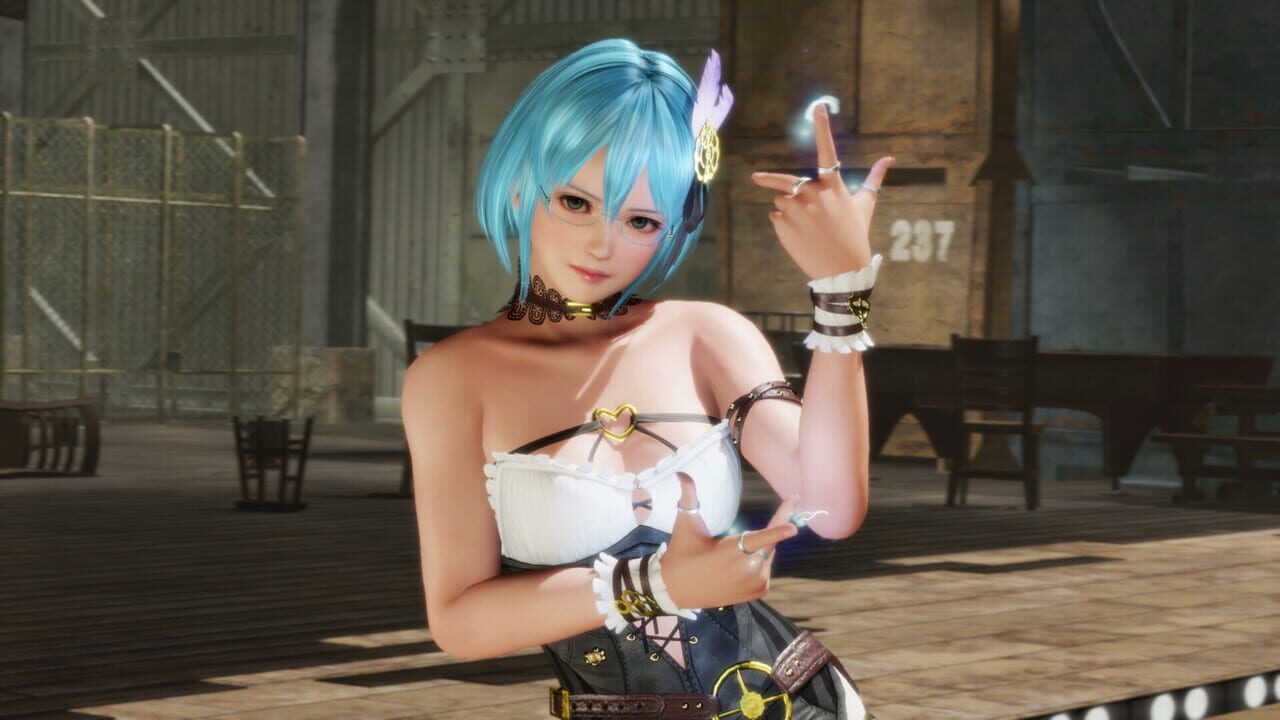
For new players, the case is stronger: a fast 3D fighter with a clear identity, a cast with personality, danger-zone stages, training tools and enough single-player content to explore before going online. For returning players it's thin: shallow additions so far, online features behind the genre, and costume and character ownership that make it feel less definitive than the name suggests.
Street Fighter 6, Tekken 8, Granblue Fantasy Versus: Rising and revived classics have raised expectations for training tools, online stability, onboarding and post-launch clarity. DOA6 still plays well; Last Round just doesn't give returning players a reason to buy it again.
Should you play Dead or Alive 6: Last Round?
If you're new to the series and want a physical 3D fighter that rewards reads over memorized flowcharts, yes. Go in with that expectation and the 65 may feel harsh.
If you're a lapsed fan hoping Last Round would fix the old problems, critics are telling you to wait for patches, a sale, or clearer plans for the promised new content. Even the harshest reviewers can feel the good game underneath. What they're disappointed by is how little the rerelease adds.