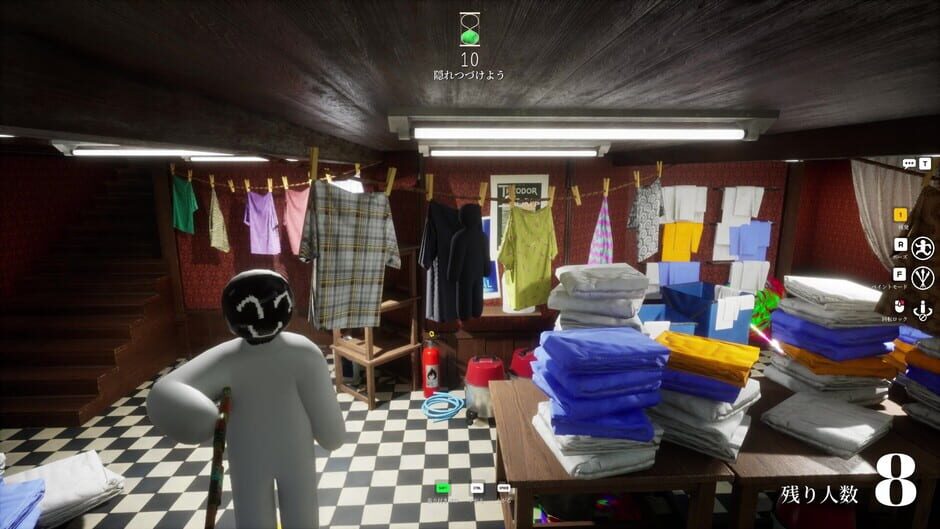

One of the biggest Steam stories of June was a game about not being seen. Meccha Chameleon launched on June 10 and, according to IGN, passed 10 million sales in 16 days. IGN's report says it was made by two people in two months, and one of the developers told them there was no marketing spend.
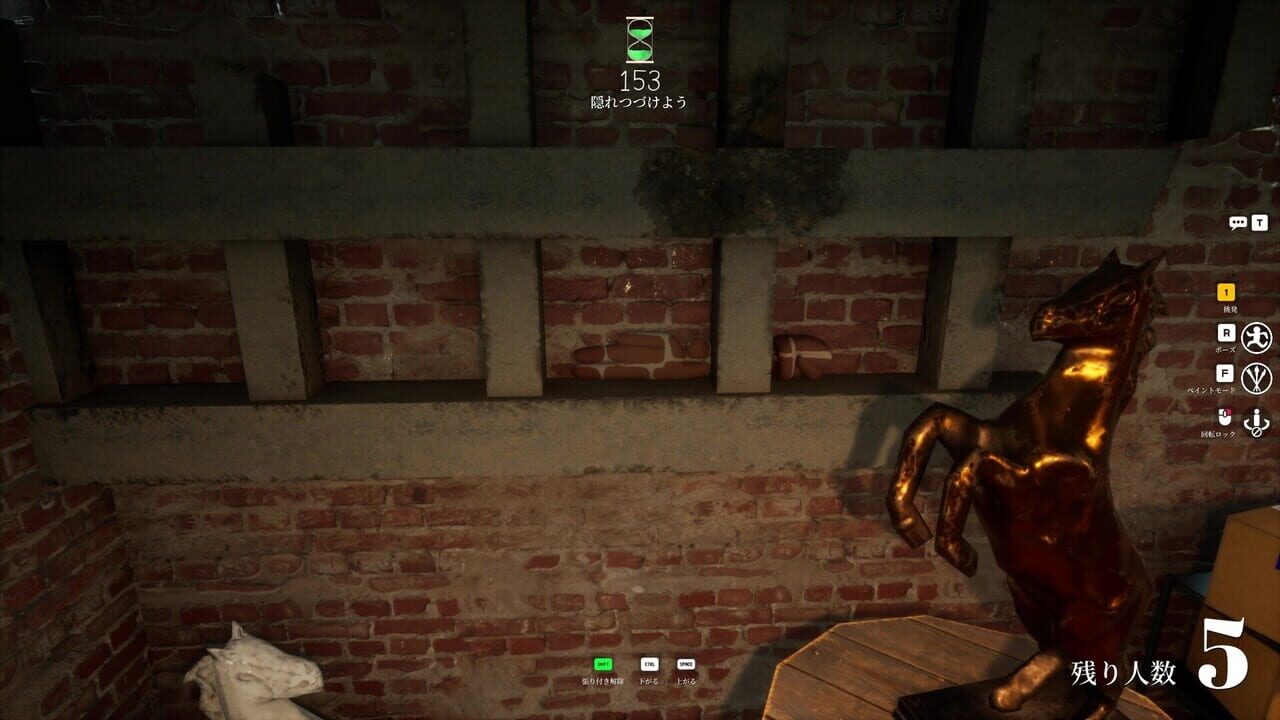
The premise is hide-and-seek with paint. Hiders paint themselves to match the scenery; seekers try to spot the one wall that's slightly the wrong shade. You understand it from a single clip with the sound off, and we think that's most of the story.
Why did Meccha Chameleon blow up on Steam?
A Steam capsule gets a few seconds of attention. There's a title, a small image and maybe a trailer thumbnail if someone bothers to hover. That's not enough time for lore or a progression system. It's barely enough time for a verb.
Meccha Chameleon has one: paint yourself, then hold still. It works before anyone has explained unlocks, seasons or a meta layer. A lot of good games make poor first impressions because the fun takes three paragraphs to describe. A lot of beautiful games don't tell you what you'll actually be doing with your hands. This one fits in a GIF.
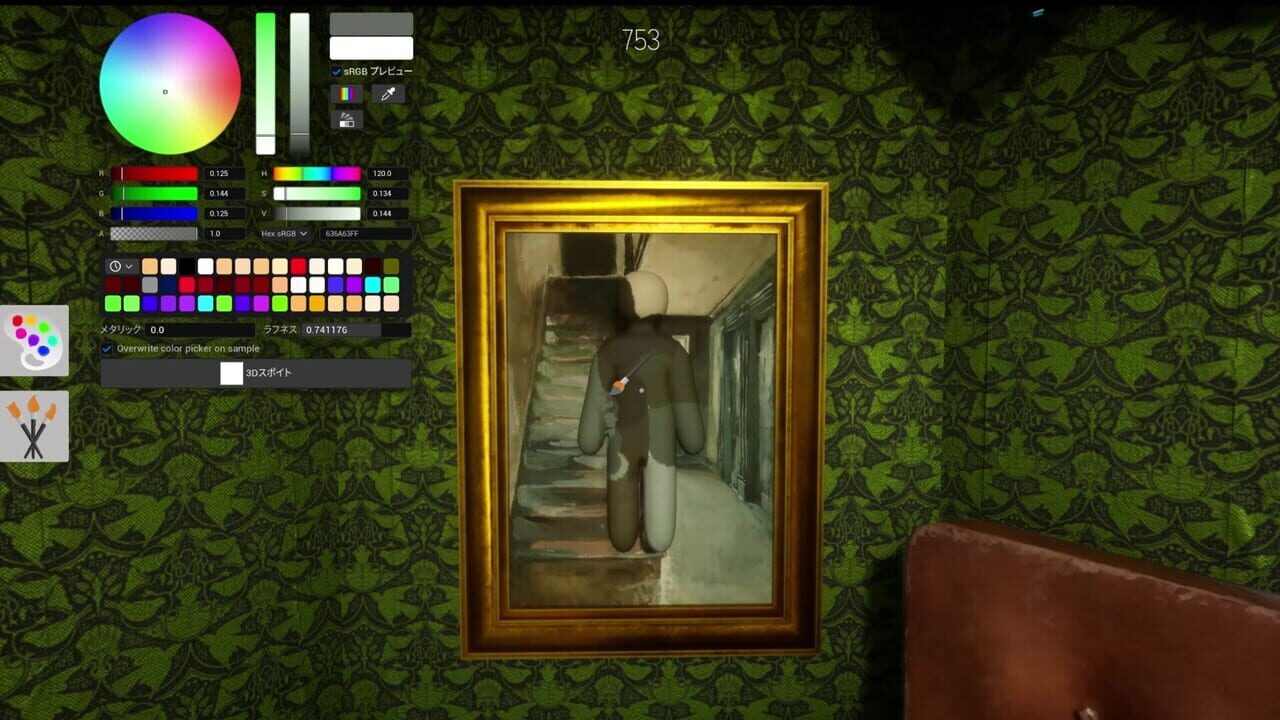
It also suits streaming very well. Someone tries to become a wall. Someone paints themselves into a half-convincing prop. Someone gets caught because one elbow is the wrong colour. The joke is visual and a bit stupid in the right way, and viewers get to feel clever alongside the seeker. You don't need to own the game to enjoy watching a seeker walk right past a perfectly painted fraud.
There's a difference between a game built for clips and a game that's only clips. The hollow version is all reaction face. The better version hands players one clean tool and lets them embarrass themselves with it. From what we've seen, Meccha Chameleon is the better version.
What indie developers can take from a two-person hit
The two-people, two-months detail is catnip for headlines. When most industry news is about budgets, cancellations and reorganisations, a tiny team shipping a hit reads like good news, and it is.
We'd be careful about turning it into a fairy tale, though. For every small game that breaks through, thousands don't, and plenty of those are clever, well made and built by people who worked just as hard. Steam discovery doesn't hand out attention on merit.
The useful lesson is narrower than "go viral." If your game needs five things explained before the fun is visible, you've made the climb steeper. If one thing is funny, readable and repeatable, players can carry it for you. That applies to a team of two or two hundred.
It's also a reminder of which stories players actually tell. Nobody remembers a launch trailer three years later. They remember the boss that felt unfair, the friend who lied too well in a lobby, or the strategy that shouldn't have worked. In Meccha Chameleon, the story is the round where you were nearly invisible.
Steam hits that arrive sideways
Meccha Chameleon wasn't the only odd Steam signal in June. Eurogamer reported that The Binding of Isaac: Rebirth set a new concurrent player record during the Steam Summer Sale, more than a decade after release.
The two stories are different, but they rhyme. One game took off because the idea reads instantly. The other surged because years of goodwill met the right discount. Both push against the idea that a game gets one launch window and then fades. On Steam, a game can appear out of nowhere, or come back years later, or turn into someone's weekly ritual long after the conversation has moved on.
That's worth remembering with July previews already stacking up on YouTube and most players still halfway through June's releases. Chasing whatever is trending isn't the takeaway. It's fine to put a game on your wishlist because one clip made you laugh, to shelve something without guilt, or to return to an old favourite because a sale or a friend brought it back up. If the Summer Sale is where you tend to overbuy, we wrote about picking a sale game without growing the backlog.
Will Meccha Chameleon last?
Hard to say, and nobody knows yet. Viral Steam hits can fade as fast as they arrive. Meccha Chameleon might keep growing, turn into a long-running obsession, or settle into a smaller community that knows every hiding spot. Any of those would make sense for a party game.
Ten million sales in 16 days is the headline, and it should be. The number we find more interesting is how short the distance was between "what is that?" and "you have to see this." For this game it was one clip.
If you've played it, the moment worth keeping is probably one specific round. That's the kind of thing we like seeing people write in a Perthro review: not a verdict, just the time you became a bookshelf and nobody noticed.