PC Gamer reviewed three smaller games within a few days of each other: The Drifter, Shadow Labyrinth and Eriksholm: The Stolen Dream. One is a pulp point-and-click thriller, one is a grim Pac-Man Metroidvania, and one is a gorgeous stealth game that looks like a tactics sandbox until it starts closing doors. The scores are close (70, 73 and 77) but the reviews behind them say very different things.
The Drifter review: 70, beautiful noir with too much pulp
The Drifter is developed and published by Powerhoof, with Dave Lloyd credited. PC Gamer reviewed it on PC, listing a July 18 release and a $16.99 price. Shaun Prescott's verdict: "The Drifter is a gorgeous and moody point 'n' click adventure with impeccable art, but its pulp leanings undermine its best qualities."
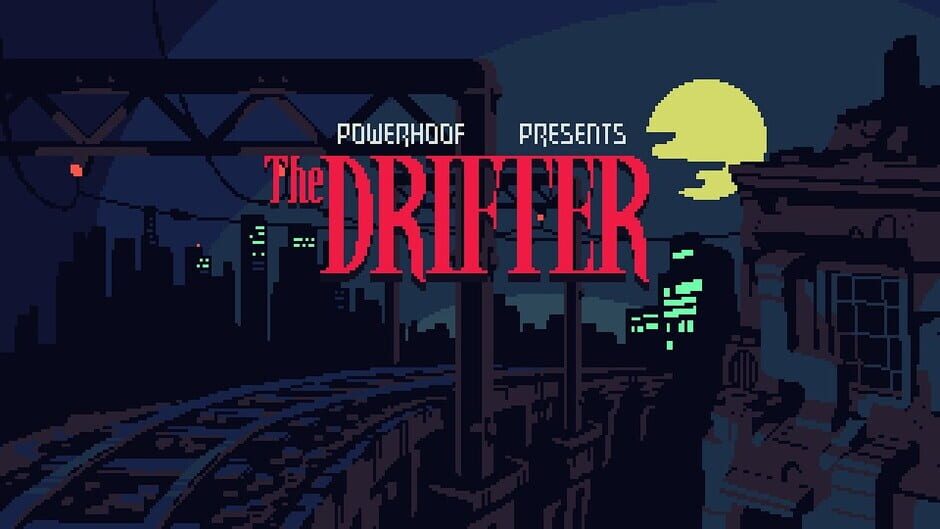
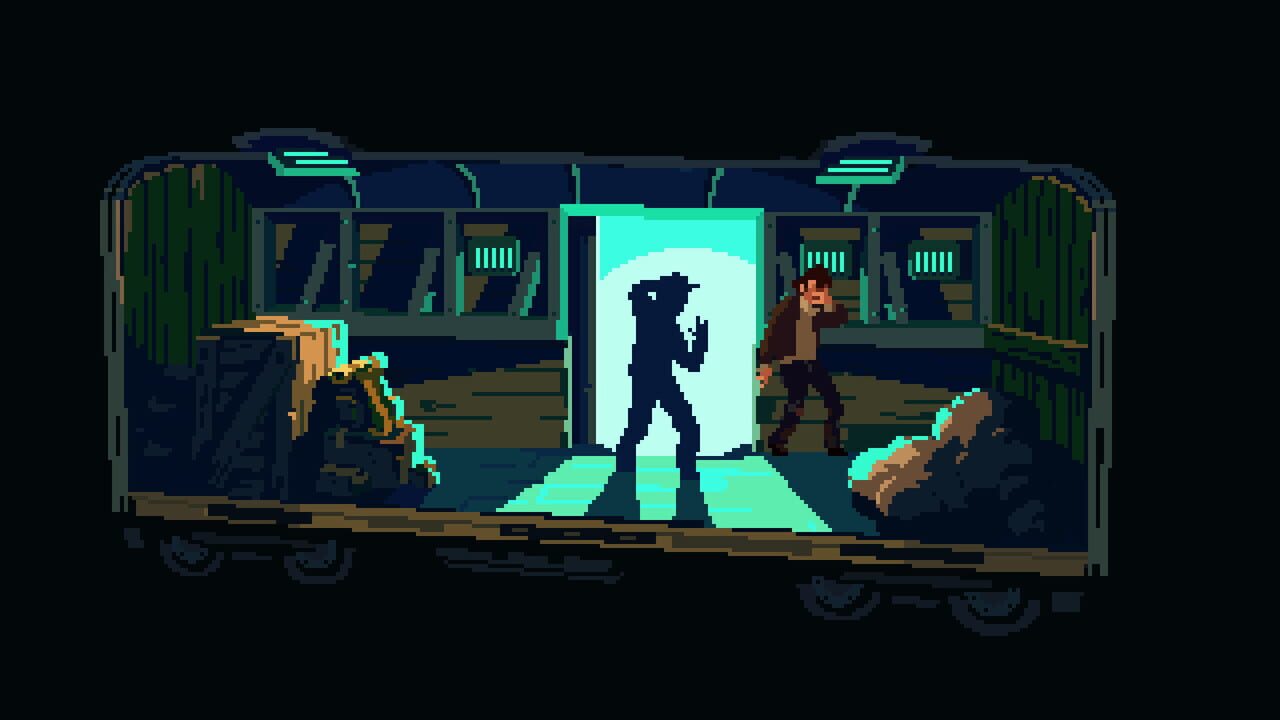
The praise is for the look and atmosphere. Prescott describes a run-down urban sprawl in pixel art that sits somewhere between noir, John Carpenter grime and a slightly surreal painterly style. It sounds tactile, sickly and carefully staged.
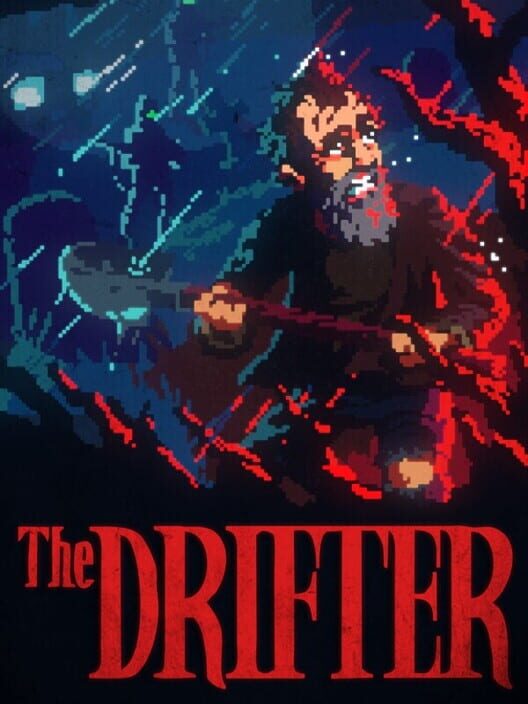
The doubt is about structure. Mick Carter starts as a homeless drifter heading home for his mother's funeral, is almost immediately framed for murder, and gets pulled into a conspiracy. That's a strong pulp setup, but the pulp eventually takes over. At first the game promises "a dark character study wrapped in a murder mystery," Prescott writes, and later it becomes more, "alas, to its detriment."
If you want a point-and-click with mood, texture and grimy Australian noir, there's plenty here. The review calls it "a joy to behold and interact with," with the kind of improvised object logic that makes a good adventure game satisfying. If you want the opening's sadness and mystery to stay grounded, you may wish it had trusted its smaller instincts. The 70 isn't about a lack of craft; the game's best mood and its louder genre turns don't fit together.
Shadow Labyrinth review: 73, a good Metroidvania in a crowded genre
Shadow Labyrinth is developed and published by Bandai Namco. PC Gamer reviewed it on an Asus ROG Ally, listing a July 17 release at $30 / £25. Abbie Stone's verdict: "A good Metroidvania trapped in the shadow of too many better ones."
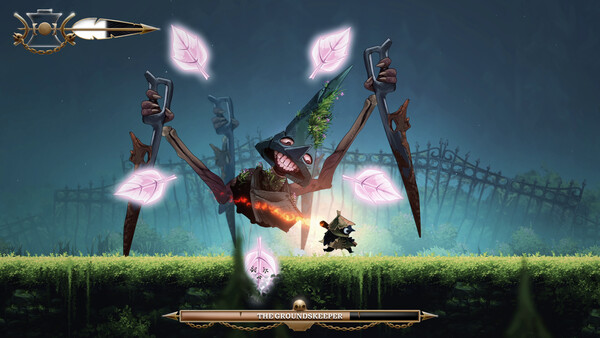
The hook is Pac-Man, sort of. Your companion is Puck, a darker take on the idea, attached to an amnesiac protagonist called Number Eight. Stone calls it a "massive love letter to the 2D Metroidvania" and enjoys how strange it is to bolt that onto grim sci-fi full of doomed soldiers, superweapons and monster slaughter.
The premise is stranger than the play. Once you have a sword, it's familiar: three-hit combos, a stun attack, dodging, enemy interrupts, eating corpses for resources, and a map that gradually opens up. Stone finds a "solid Metroidvania core" after an overly linear opening, but recent games like Nine Sols and Prince of Persia make its combat feel less special.
She's amused by the brutality, especially Puck eating corpses and turning into a giant invincible mech, but wanted more from it. The mechanic looks flashy without being woven into the moment-to-moment fighting. As a Pac-Man riff it may not be strange enough in play; as a Metroidvania it may not be sharp enough to stand out.
A 73 isn't a dismissal. Navigation puzzles, platforming and map reading carry weight once the world opens. The complaints are specific: too many industrial zones look alike, enemy variety is thin, and the surprise combat rooms get repetitive. If you like the oddness enough to forgive the conventional structure, it may land. If not, you'll keep waiting for the Pac-Man idea to feel as bold in your hands as it does in the pitch.
Eriksholm: The Stolen Dream review: 77, gorgeous but too strict
Eriksholm is developed by River End Games and published by Nordcurrent Labs. PC Gamer reviewed it on an RTX 4080, Ryzen 3700X and 32GB RAM. Joshua Wolens' verdict: "Beautiful and stacked with excellent performances, but Eriksholm's stealth feels too much like being led around by the nose to reach greatness."
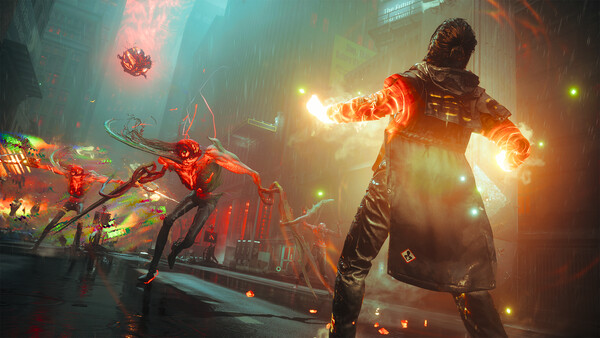
At a glance it looks like a multi-character isometric stealth game in the line of Commandos, Desperados and Shadow Tactics, which sets you up to expect a sandbox: patrols to read, abilities to combine, room to improvise. Wolens says it's closer to a stealth puzzle game, where each encounter has a correct solution and you poke at it until you find it.
He clearly likes the craft. He calls it "a triumph of presentation if not gameplay," pointing to the Unreal Engine 5 lighting, detailed animation and strong voice work, especially from the three playable characters. The setting, a pseudo-Swedish industrial city with plague, class misery and heavy policing, gives the early chapters a clear emotional shape.
Hanna, the first playable character, is recovering from Heartpox and separated from her brother Herman, moving through a city where her knowledge of alleys, rooftops, neighbours and secret paths matters. PC Gamer says those early chapters are the strongest narratively, and there the strict design feels authored rather than limiting.
The trouble is that the genre keeps promising freedom. Multi-character stealth games invite experimentation, and Eriksholm wants clean execution of designed answers. That's often satisfying, but you aren't outsmarting a living space; you're solving a very beautiful lock. If you want Shadow Tactics, the 77 might frustrate you. If you want a polished stealth puzzle game with great performances and a lavish look, the review is a recommendation with clear limits.
Which one to play
A 70, 73 and 77 look like one verdict, but they aren't.
- Eriksholm: the safest pick if you like authored stealth puzzles and strong presentation. The highest score, but not simply the best.
- The Drifter: for adventure game players who care about mood and can forgive a story that gets louder than it needs to.
- Shadow Labyrinth: the curiosity. The pitch may be enough if you have room for another Metroidvania.