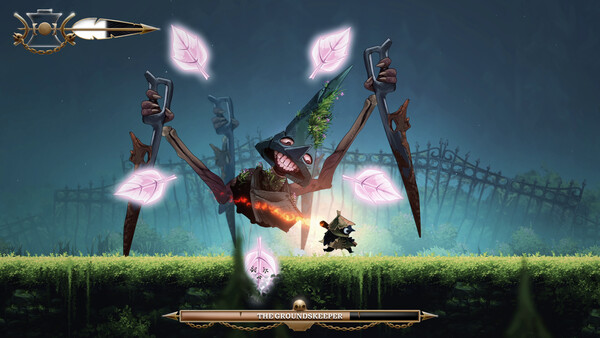


Two small PC games came out at the end of May with the same physics joke in their titles. Schrödinger's Call, from Acrobatic Chirimenjako and Shueisha Games, is a visual novel about final conversations before the world ends. Schrödinger's Cat Burglar, from Abandoned Sheep, is a puzzle game about a cat who splits into two states to pull off laboratory heists. Beyond the titles they have little in common, and their reviews tell different stories.
Schrödinger's Call review scores: 92 on OpenCritic
Schrödinger's Call came out May 27, 2026 on PC. OpenCritic has it at 92 from 27 reviews, with 96% recommending it. That's a huge number for a short visual novel on one platform, and it isn't one or two outlets getting carried away:
- Niche Gamer: 100
- Cubed3: 100
- Hardcore Gamer: 90
- DualShockers: 90
- Jump Dash Roll: 90
- GamerSky: 83
- LadiesGamers: 80
Mary wakes in a room with a phone, a talking cat named Hamlet, and 21 nanoseconds before humanity ends. She's the world's last confidant. People call and she listens. Their memories are broken; their regrets aren't.
Reviewers keep saying the writing is what makes it work. Ivanir Ignacchitti at Hardcore Gamer called it a "bold narrative adventure" in which Mary helps spirits let go of their regrets as the moon falls. The stories are "melancholic and harsh," but not empty misery. Mary isn't solving a puzzle box; she's staying with people long enough for them to remember what hurts.
Melissa Sarnowski at DualShockers says the game asks what you'd do with one last phone call before the end, then puts you on the other end of the line. It becomes "a heart-wrenching story about life, love, grief, and regrets that you're helpless to act on." Critics aren't praising it for agency; they're praising how it handles the limits of agency in a story about loss.
Rob Kershaw at Jump Dash Roll called it "one of the most affecting visual novels I've played in years," built on small moments of vulnerability rather than grand speeches. The frame is high-concept, but the praise is about intimacy.
The art gets nearly as much attention. Luna Eriksson at Cubed3 calls it a "beautifully tragic portrayal of acceptance, human nature, and the end of the world," with dark, psychedelic, gothic visuals that make it feel like a twisted dream. Brandon Lyttle at Niche Gamer calls it a definitive visual novel that uses the format's mix of media well.

Schrödinger's Call: the caveats
Early on, with 11 reviews in, OpenCritic had it at 93 with every critic recommending it; NintendoBoy's 100 called it a short adventure that handles delicate themes carefully. The lower scores are more instructive. Hardcore Gamer says "the repetitive nature of the text" can drag some dialogue out. LadiesGamers calls it "not always an easy game to engage with," with storytelling that can feel "intentionally opaque," and flags photosensitivity warnings for flashing images and intense effects, while saying it lingers after the credits. Cubed3 says some choices feel unclear or forced, which weakens the sense of living the story in real time.
Schrödinger's Call cares more about emotional direction than branching freedom. If you want every choice to redirect the plot, you'll notice the rails. Otherwise, critics agree it's short, focused, sad and carefully made. It takes one impossible question and keeps pressing until you have to answer it emotionally.
A 92 says "play this." The reviews say play it if you want a visual novel that treats listening as an action. It's a game to make room for, not squeeze between bigger releases. If you play it, write a few lines after the ending while you still remember which caller got to you.
Schrödinger's Cat Burglar review scores: 87, from 71 to 90
Schrödinger's Cat Burglar came out May 21, 2026 on PC, developed and published by Abandoned Sheep. OpenCritic lists 87 from six reviews, 83% recommending. You play Mittens, a literal cat burglar caught in a lab accident, using quantum powers to solve puzzles.
- Checkpoint Gaming, 90: Hayley Louise called it "an impressively fun puzzle debut" where every puzzle was enjoyable and well thought out. She praised the accessibility options for hold inputs, camera transitions, tapping, paired actions and timed mechanics. Mittens can split in two and you control both states of the same cat, solo or in split-screen co-op.
- Try Hard Guides, 9/10: praises the "Portal-like puzzle solving" and recommends playing solo, since controlling both cats yourself is the more unusual experience.
- GAMES.CH, 87: also mentions Portal 2; the puzzles don't reach that level, but challenged the reviewer throughout.
- GameGrin, 85: Dylan Pamintuan calls it a mind-bending puzzle game that's cute, challenging and fun, while flagging camera trouble framing two cats and a softlock.
- Life is Xbox, 71
Life is Xbox's review is the interesting one. James calls it creative and charming with an inventive core idea, and says the first few hours are brilliant. Then it gradually trades invention for repetition, with pacing problems and a disappointing endgame: "a creative and charming quantum puzzler with a brilliant core mechanic, but it's held back by its pacing issues and a disappointing endgame scenario." He took 13.5 hours to finish the story and estimated 20 for everything, so this is someone who stayed long enough for the repetition to show.
Everyone likes the cat and the quantum trick. Not everyone thinks it holds up to the end. The 87 makes it look safer than it is. If you play puzzle games for one strong central mechanic, Checkpoint and GameGrin are encouraging. If repetition bothers you, read Life is Xbox first.
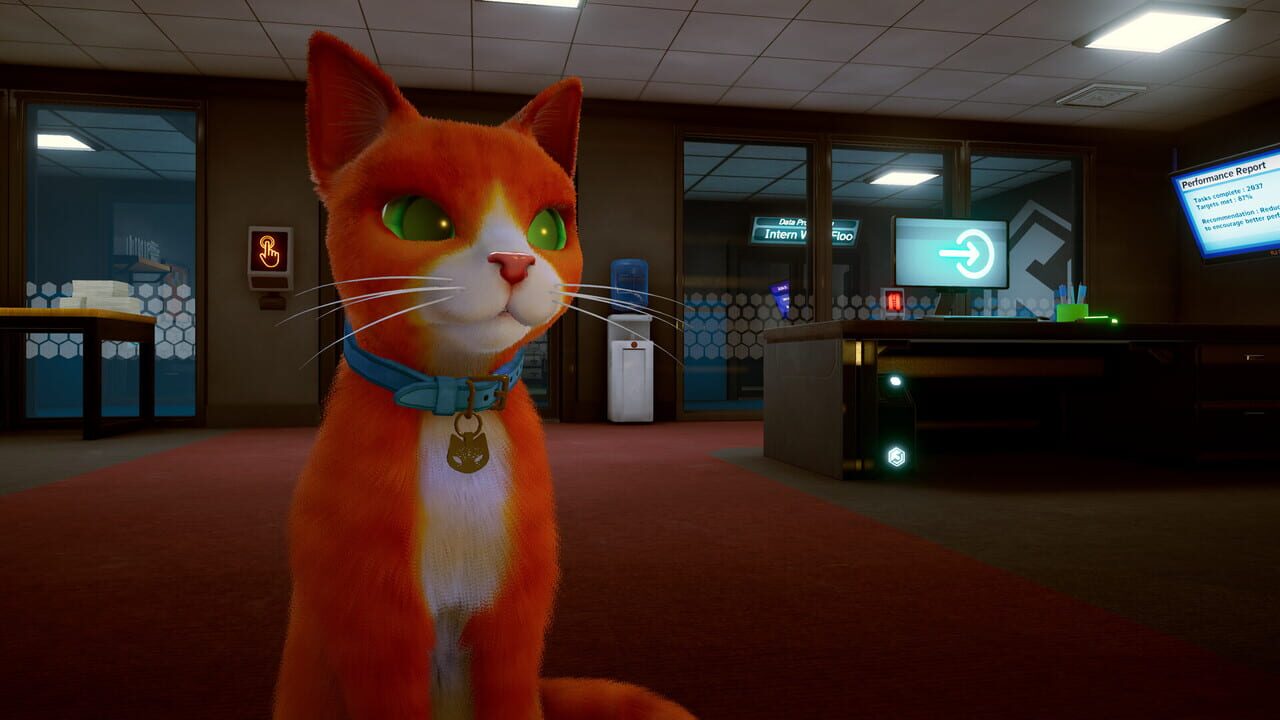
Which Schrödinger game to play
Both have clean hooks, which helps small games get noticed in a crowded month: one last phone call before the world ends, and a cat in two places at once. A hook only goes so far, though.
Schrödinger's Call is the stronger consensus and the more confident recommendation. Critics talk about tone, grief, memory, and how the visual novel format supports the writing. Play is limited by design, and the main worry is that some choices feel too guided. For most reviewers the emotional arc makes that trade worth it.
Schrödinger's Cat Burglar is the conditional pick: clever, and probably delightful for the right puzzle player, but expect the back half to be less sharp than the opening.
One is for an evening with a final phone call. The other is for a couch co-op night with a cat in two places at once.