
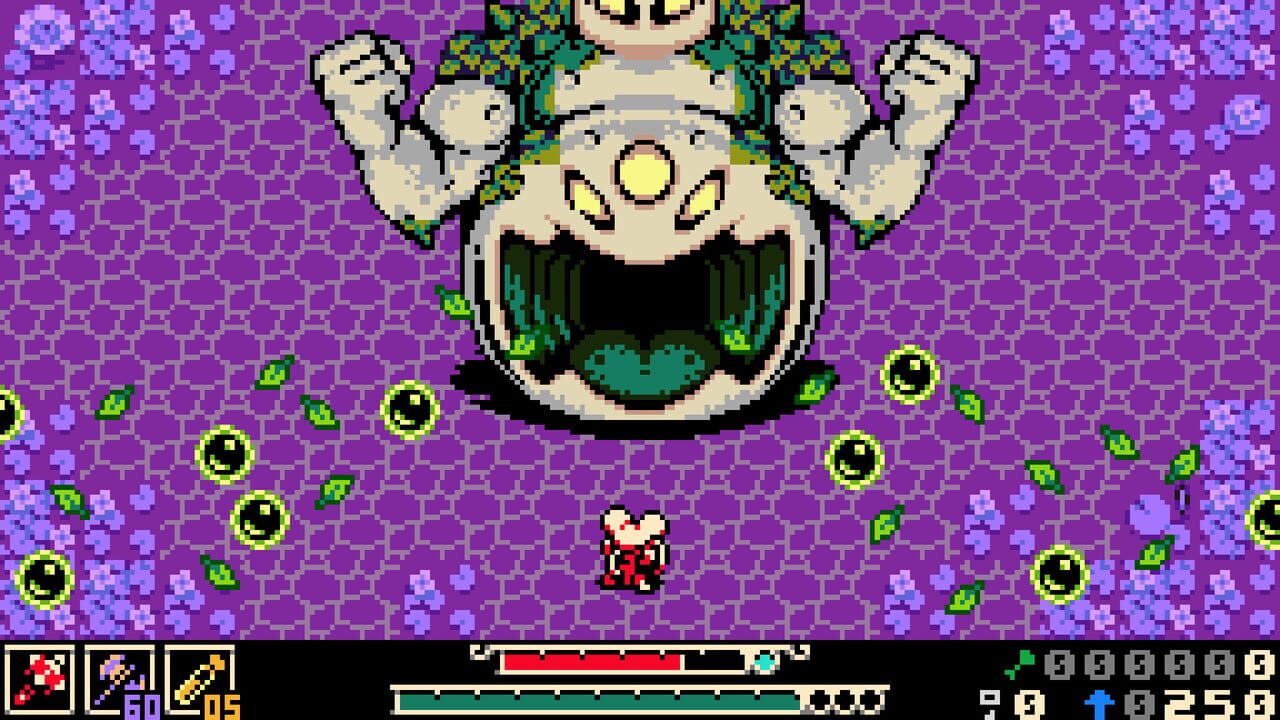
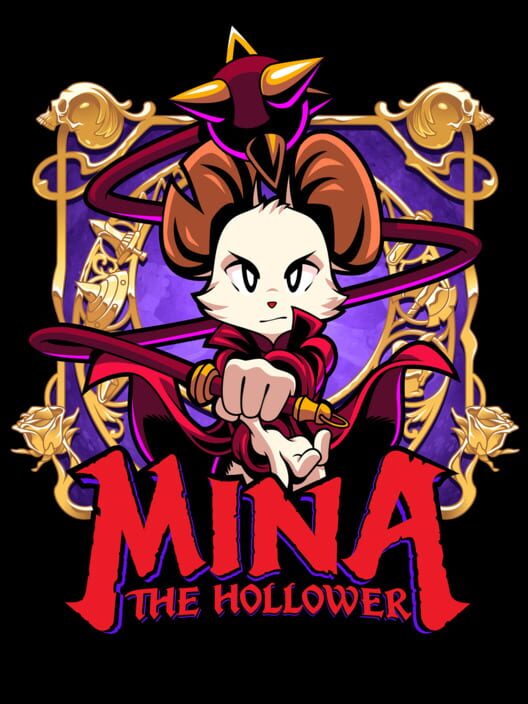
Mina the Hollower is not exactly new this week, and that is part of why it felt worth picking up now. The loudest review window has passed. What remains is more useful: a small gothic action adventure sitting near the top of OpenCritic's 2026 list with a 91 average from 120 critic reviews, while one of the sharper low notes argues that its Souls and Zelda instincts sometimes pull against each other.
That is a better story than a clean victory lap. Mina the Hollower looks easy to summarize because the references are obvious. Game Boy Color Zelda. Castlevania mood. A touch of Bloodborne. A burrowing mouse with a whip, a hammer, a coffin, and a cursed island full of secrets. You can understand the poster in five seconds.
The reviews suggest the game itself is not that simple. Critics are praising a game that asks for attention, memory, patience, and a willingness to get lost. Nostalgia is cheap until a game puts pressure on it. Mina seems to do that.
Mina the Hollower review scores: the short version
OpenCritic lists Mina the Hollower at 91, with 120 critic reviews. The publisher listed there is Yacht Club Games, and the release date is May 29, 2026. Platforms shown on OpenCritic are PC, Switch, PS5, Xbox Series X|S, and Switch 2.
The top-line spread is unusually strong. IGN gave it 10 out of 10. Eurogamer gave it 5 out of 5. PC Gamer scored it 90 out of 100. GameSpot gave it 9 out of 10. Game Informer gave it 8.8 out of 10. Nintendo Life gave it 9 out of 10. The main dissent I found in the first few pages of OpenCritic's review list came from GameSpew, which landed at 7 out of 10 and called out unforgiving combat, limited guidance, and accessibility choices that may frustrate some players.
So the headline is not that Mina reviewed well. It reviewed extremely well. The better question is why so many outlets sound a little startled by it.
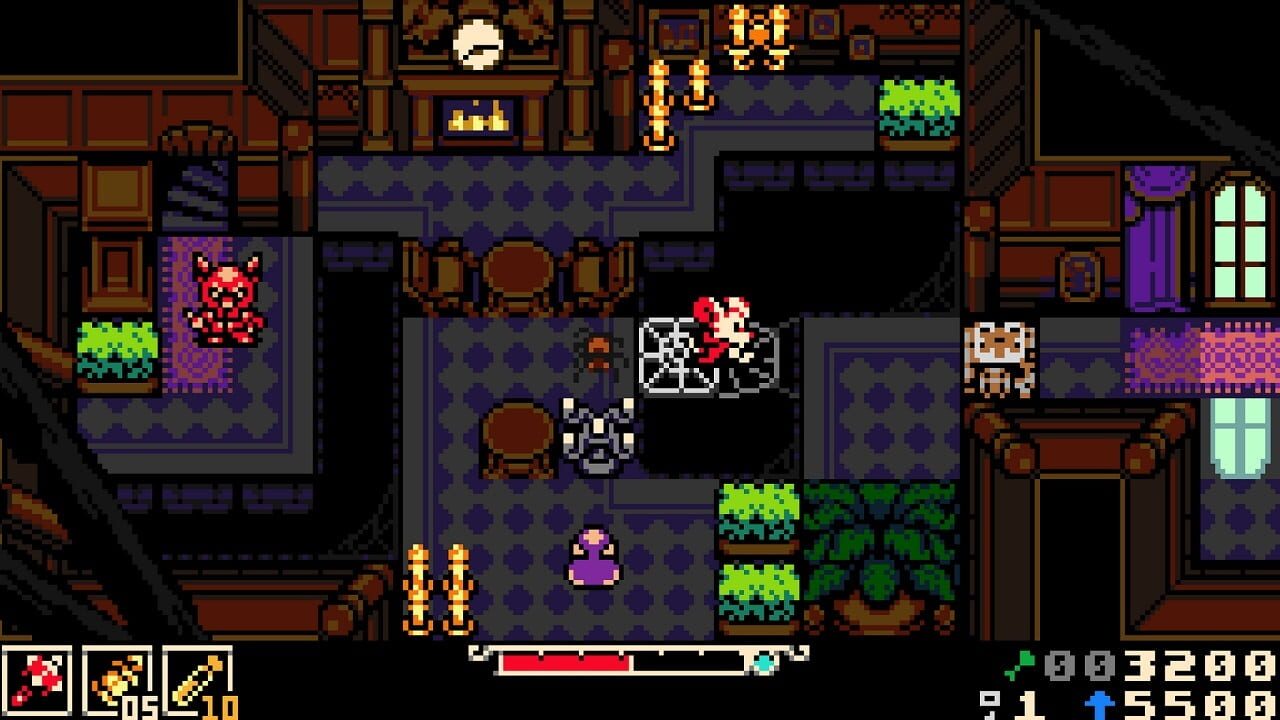
Critics agree that Mina the Hollower is more than a retro exercise
The easy compliment would be that Mina the Hollower looks like an old handheld game with modern polish. That is true, but it is not where the reviews spend their energy.
IGN's Samuel Claiborn calls it "a big game in a small package" and "an absolute masterpiece of an adventure." The full IGN review opens with the reviewer realizing, after the first hour, that Mina was hiding far more beneath the surface than expected. That detail matters. It is not just admiration for pixel art or throwback music. The praise is about density: combat systems, puzzle solving, secrets, and a world that keeps unfolding after the nostalgic first impression has done its job.
PC Gamer's Kerry Brunskill comes at the same thing from the feel of play. The verdict calls Mina "a gloriously gothic combination of ferocious combat and beautiful scenery," with enough secrets and modifiers to stay fresh for a long time. In the review itself, Brunskill describes early battles as exhausting and exhilarating at once. That is the core tension. Mina wants to be cute and harsh. It wants the comfort of a familiar format, then it wants you to earn your way through it.
Eurogamer's Christian Donlan frames it as a game that feels like an adventure in the old sense of the word. The review notes that Mina took six years to design and build, and argues that the time shows in the complexity of the island, the secrets, and the lore. Eurogamer's pull quote is simple: "Explore every inch of a cursed island in an adventure that takes inspiration from the greats."
Game Informer's Kyle Hilliard gets close to why the consensus feels durable. He writes that Mina looks like a nostalgic throwback, but its thoughtful design and larger sensibilities make it feel contemporary. That is the trick. The game is not trying to preserve an old shape in amber. It is using the old shape because the limits make the island sharper.
The Zelda comparison is useful, but only up to a point
Nearly every review reaches for Zelda, and for good reason. Mina the Hollower has the overhead adventure grammar: dangerous routes, gadgets, secrets, dungeons, and a world that asks to be mapped in your head. Eurogamer points to Zelda and Bloodborne in the same breath. IGN mentions Link's Awakening and the Oracle games as a foundation, then says Mina uses that foundation for something deeper and more modern.
The important word there is foundation. A foundation is not a cage.
According to IGN, Mina does not gate its world in the usual item-lock way. The review describes a more open structure, where the initial dungeons can be approached in different orders and the barrier is often skill, not a missing key item. PC Gamer says the upgrades favor expanded abilities over raw damage, which keeps the emphasis on fighting smarter instead of simply getting bigger numbers.
That friction is why the Giant Bomb review is useful, even as an outlier. Mike Minotti's OpenCritic excerpt says, "Somehow, the Dark Souls influences keep Mina from being the best Zelda-style game it could be, while the Zelda mechanics prevent it from reaching the heights of the best Soulslikes." Where IGN sees a brilliant remix, Giant Bomb sees a hybrid that compromises both halves.
I like having that note in the mix. It gives the praise some shape. If you want Mina to be a clean Zelda-like, the Souls pressure may feel intrusive. If you want the buildcraft and punishment of a full Soulslike, the adventure-game structure may feel too tidy or too nostalgic. Most critics think the collision works. Giant Bomb reminds us that it is still a collision.
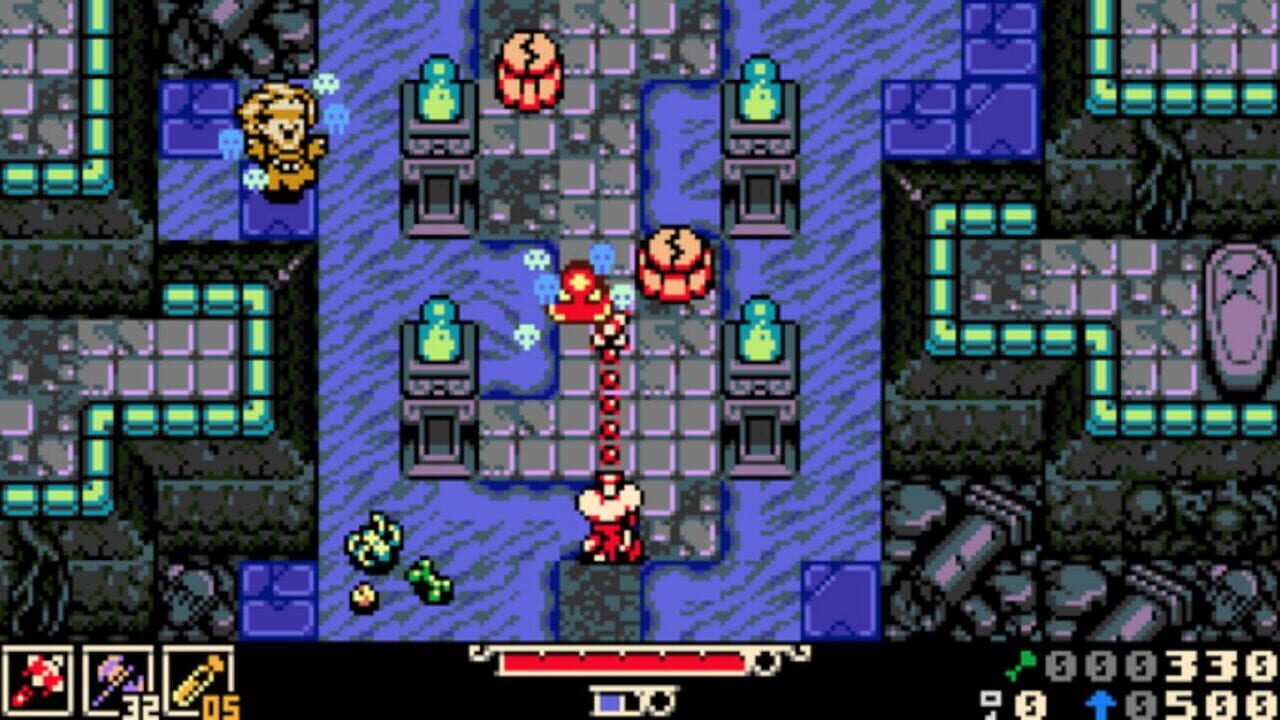
The praise keeps coming back to secrets, not spectacle
One of the quieter patterns in the reviews is how often critics talk about secrets. PC Gamer mentions secrets and modifiers. IGN talks about mysteries worth finding. Game Informer talks about the game taking the right lessons from history. Nintendo Life calls it an intricate adventure packed with content. COGconnected says the burrowing mechanic is not just a gimmick, but part of the movement, combat, and puzzling.
That last point is probably the difference between a clever homage and a game people remember. Retro-inspired games often get the surface right first: the palette, the chiptunes, the screen transitions, the little UI habits that make people feel eight years old again for a second. Mina appears to make the surface earn its keep. Burrowing is not only a cute mouse thing. It changes how movement works. It changes how combat works. It changes how the island hides things.
The reviews make Mina sound like a game where noticing is the point. Eurogamer even mentions writing things down. That feels almost aggressive in 2026, in a good way. Not because every game needs a notebook, but because some games are better when they let the player do a little mental work without turning it into homework.
Where the criticism lands
The criticism is not huge, but it is specific enough to take seriously. GameSpew's 7 out of 10 excerpt says there is a lot to like if you do not mind a challenge, then points to unforgiving combat, accessibility options that lock out achievements, and a lack of guidance. Pure Nintendo also praises the design while noting that it is a tough outing and that there is no map by default.
Those complaints do not cancel the praise. They clarify who should be careful.
If you want a breezy retro adventure, Mina the Hollower may be more demanding than the art style suggests. If you bounce hard off games that expect route memory, repeated deaths, or combat discipline, the 91 average might hide the part that matters most to you. A high score does not mean a frictionless game. In Mina's case, the friction seems to be a big part of why the best reviews are so enthusiastic.
That is the useful read: critics love Mina because it trusts the player, but trusting the player can also feel like withholding help. The same design choice can be praise in one review and warning label in another.
Why Mina the Hollower's reception matters
Yacht Club Games already had Shovel Knight, which means Mina the Hollower did not arrive from nowhere. But there is still something impressive about a studio known for one kind of retro devotion making a second game that seems to invite a different kind of attention.
GameSpot's Steve Watts writes, "Shovel Knight was a well-deserved successful debut for Yacht Club. Mina the Hollower may be its masterpiece." TheGamer's Joshua Robertson calls it "an almost faultless game" that combines nostalgic classics with Yacht Club's own flair. Those are large claims, and they would be easy to dismiss if the score spread did not support them so broadly.
For Perthro players tracking what to play next, this is the sort of game that deserves more than a star rating and a shrug. Perthro lets you track games, rate them, write reviews of any length, and keep a backlog or wishlist, so this is the kind of game I would log with a note: "Loved the secrets," "too little guidance," "combat clicked after the second dungeon," or maybe just "tiny mouse, enormous island." That little note will tell you more later than the number alone.
Bottom line
Mina the Hollower's critic reception is not a quiet hit because nobody noticed it. OpenCritic has 120 reviews, and the major outlets showed up. It is quiet in a different way. The game appears to reward slow attention more than loud discourse.
The consensus is strong: Mina the Hollower is one of 2026's best-reviewed games so far, with top marks from IGN and Eurogamer and high praise from PC Gamer, GameSpot, Game Informer, Nintendo Life, and many more. The dissent is also worth hearing. Its difficulty, limited guidance, and hybrid identity may be exactly what some players bounce off.
That makes the recommendation simple, but not universal. If you want a generous, eerie, demanding action adventure that treats retro design as a living language, Mina the Hollower should be near the top of your list. If you mostly want comfort from the old Zelda shape, check the criticism first. This little island seems friendly from a distance. Critics keep saying it has teeth.